Published: 24 February 2026 · The English Chronicle Desk · The English Chronicle Online
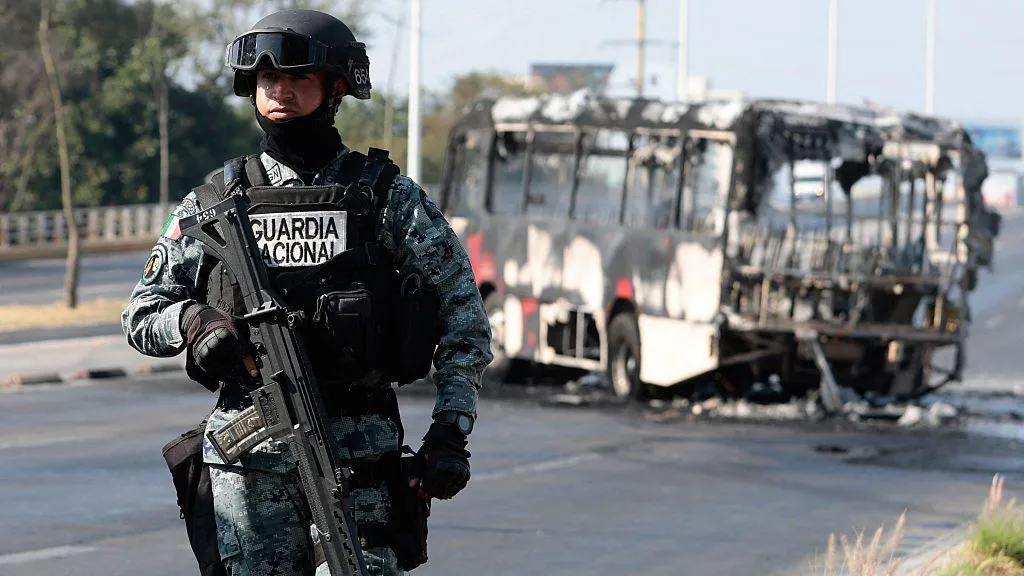
Mexico has deployed thousands of soldiers and National Guard troops to western states in a bid to contain escalating violence following the reported death of notorious cartel leader Nemesio Oseguera Cervantes, widely known as El Mencho.

The federal government confirmed a large-scale security mobilisation across Jalisco, as well as neighbouring regions, after coordinated arson attacks and roadblocks erupted in the wake of the operation targeting leadership of the Jalisco New Generation Cartel (CJNG).
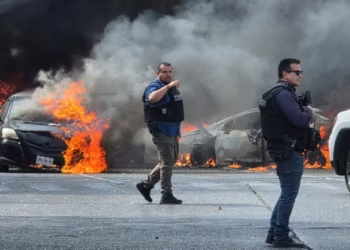
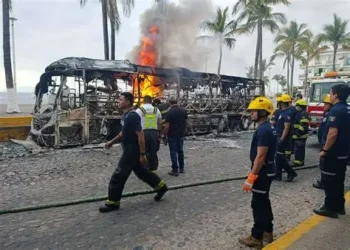
Convoys of armed personnel, backed by helicopters and armoured vehicles, were seen entering key urban centres including Guadalajara, where burning buses and trucks had blocked major roads. Authorities said the reinforcements aim to “restore order, protect civilians and prevent further criminal retaliation.”
Security officials described the unrest as a reaction from cartel factions attempting to demonstrate strength after the loss of their long-time leader. Analysts warn that such power vacuums can trigger internal splits and violent turf battles.
Residents reported tense scenes overnight as gunfire echoed in some districts and vehicles were set ablaze to create barricades. Public transport was temporarily suspended in affected areas, and schools in several municipalities closed as a precaution.
“We woke up to helicopters overhead and soldiers on every corner,” said one Guadalajara resident. “It feels safer seeing them, but also unsettling knowing why they are here.”
In a national address, federal authorities insisted the situation was “under control” and emphasised that the security surge is preventative. The defence ministry said patrols would remain in place “for as long as necessary” to deter further violence.
Mexico’s president reiterated a commitment to combating organised crime while urging citizens to remain calm and avoid spreading unverified information on social media.
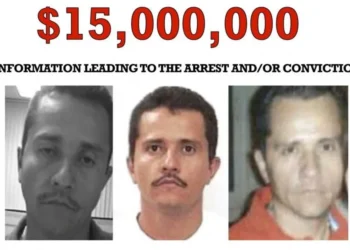
The CJNG has grown into one of the most powerful criminal organisations in the Americas, with operations spanning drug trafficking, extortion and fuel theft. Experts say the death of its leader could either weaken the group or spark intensified infighting as rivals vie for control.

For local communities, however, the immediate concern is safety. Markets and businesses cautiously reopened under heavy military presence, while highways previously blocked by burning vehicles were gradually cleared.
Whether the troop surge will bring lasting stability remains uncertain. What is clear is that Mexico faces a delicate moment — balancing decisive action against organised crime with the need to prevent further escalation.
Related News:
 Northern Ireland Family of Three Shot Dead in Maguiresbridge Home Incident
 Seventeen Dead as Russia Targets Ukrainian Prison in Devastating Airstrike
 A Fugitive’s Double Life Uncovered: My Interview with Nicholas Rossi, Scotland’s Notorious Escapee Facing Utah Rape Trial
 Failed New Mexico Candidate Sentenced to 80 Years for Drive-By Shootings at Lawmakers’ Homes
 Madeleine McCann Case: German Woman at Centre of Hit-and-Run Theory Speaks Out
 Australian Mushroom Murderer Sentenced to Life in Prison
 Fugitive Father Shot Dead in New Zealand After Nearly Four Years on the Run
 UK Home Office to Launch French Beach Signage to Warn Asylum Seekers of Risks
 Father’s Tip Leads to Arrest in Charlie Kirk Murder Case
Channel Crossings Surge: Over 1,000 People Arrive in the UK in Small Boats in a Single Day
Father’s Tip Leads to Arrest in Charlie Kirk Murder Case
Channel Crossings Surge: Over 1,000 People Arrive in the UK in Small Boats in a Single Day
 UK Recognises State of Palestine in Push to Preserve Hope for Peace
 Jailed Georgian Opposition Leaders Warn UK of Iranian Links to Ruling Party
 Cooper Unveils £4m Cyber Plan Against Russian Hackers
 China’s Mega Embassy in London Faces Further Delay
 Prince Andrew met alleged Chinese spies during Pitch@Palace China trips
 Kosovo agrees to host Britain’s refused asylum seekers
 UK Gamer Recruited by Wagner Group Found Guilty of Arson
 WW2 Pilot’s Long-Lost Crash Site Unearthed in Essex
 Trump Speaks on Prince Andrew’s Royal Scandal Fallout
 UK University Faces Counter-Terror Probe Over China Pressure
 Just Stop Oil Protesters Convicted Amid Climate Defence Row
 British Grandmother to Return Home After Death Sentence in Bali
 BBC’s Tim Davie to Address Staff Amid Trump $1bn Threat
 Shook the ground under my feet: Panic as car blast hits near Delhi’s Red Fort
 Ukraine-Russia war latest: Putin’s troops exploit bad weather to force Kyiv withdrawal from multiple towns
 New Epstein Files Spark Political Clash in Washington
 Sydney Pair Accused of Running Multimillion-Dollar Scam
 Ukraine Energy Corruption Scandal Hits Zelensky’s Inner Circle
 New review urges UK to repatriate Shamima Begum, others from Syria
 Newly released emails reveal Epstein kept close eye on Trump
 Hasina Rejects Allegations Ahead of Bangladesh Tribunal Verdict
 Oklahoma Governor Grants Last-Minute Clemency to Death Row Inmate
 US Pushes Global Effort to Stop Arms Flow to Sudan RSF Forces
 Israel Confirms Returned Hostage as Meny Godard
 Indian authorities demolish Kashmir home linked to Red Fort blast
 Greene Pushes Epstein Files Amid Trump Fallout
 Tragedy Strikes Indian Pilgrims in Saudi Bus Accident
 UN Security Council Approves Trump’s Gaza Peace Plan
 Forgotten War, Shattered Lives: Sexual Violence Devastates Women in Ethiopia
 Deadly Russian Strikes Hit Western Ukraine, 20 Killed in Ternopil
 Teens ‘Ran Amok’ at Ex-MP’s Covid Testing Firm
 WhatsApp Messages Expose Nathan Gill’s Bribery
 Venezuela Threatens Nobel Winner Machado with Fugitive Status
 Trump Envoy to Discuss Ukraine Peace at Kremlin
 Twenty-Four Nigerian Schoolgirls Freed After Abduction
 Two National Guard Soldiers Critically Injured Near White House
 Southern Lebanon reels as Israeli strikes shatter communities
 Video shows Israeli troops kill Palestinians after surrender
 Guinea-Bissau President Flees After Military Coup
 Kidnap Gangs, Jihadists and Separatists Plague Nigeria
 Rare shark attack kills woman, injures man at remote NSW beach
 American Mother Extradited From UK to U.S. on Murder Charges
 Migrant father guilty of honour killing in Holland
 The ‘Untouchable Hacker God’ and Finland’s Darkest Digital Crime
 Thousands Flee Cambodia Scam Centres Amid Global Pressure
 Emails Show Epstein Funded Mandelson’s Husband After Jail
 Saif al-Islam Gaddafi Reportedly Killed in Libya Shooting
 SA Police Intensify Search in Gus Lamont Case
 Taylor Swift concert attack plot shocks Austria
 Five Young People Die in Spain Apartment Block Fire
 NSW kidnapping mistake sparks urgent appeal
 ‘There Is a Feeling of the Greatest Outrage’: The Mystery of Stolen Champion Racehorse Shergar
 ‘Staggeringly Stupid’ Man Jailed After Tattooing Children
 Suspect in Rhode Island Ice Hockey Shooting Killed Ex‑Wife and Son
 Nine Arrested in France Over Death of Far‑Right Student
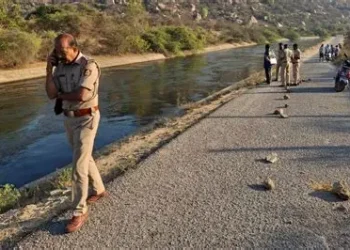 India Sentences Three Men to Death for Attack on Israeli Tourist and Hosts
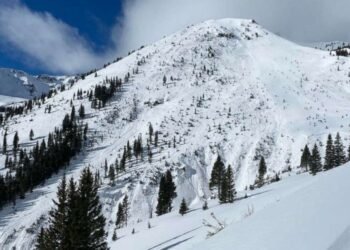 Eight Skiers Found Dead After California Avalanche
 South Korea’s Ex-President Faces Death Penalty in Insurrection Trial
 Desperate Hunt for Breakthrough in Nancy Guthrie Case Turns to Mexico
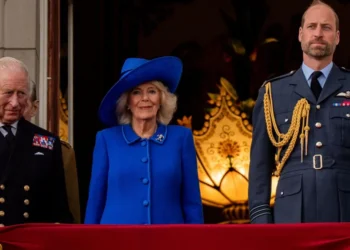 How Much Could Andrew’s Arrest Hurt the Royal Family?
 Epstein Eyed Record Label Investment to Access Women, Files Suggest
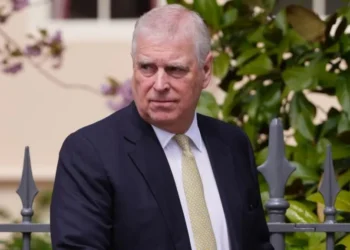 Epstein Files Could Be Just Tip of the Iceberg for Andrew Investigation
Man Guilty of XL Bully Offence After Fatal Attack
Epstein Files Could Be Just Tip of the Iceberg for Andrew Investigation
Man Guilty of XL Bully Offence After Fatal Attack
 New Mexico Reopens Criminal Inquiry into Jeffrey Epstein’s Zorro Ranch
 Austrian Climber Found Guilty After Girlfriend Froze to Death on Mountain
 El Mencho Killed as Mexico Faces Violence
 ‘El Mencho’ Killed in Military Operation, Triggering Violence
 Violence Erupts in Mexico After Drug Lord El Mencho Killed
 Australian Prosecutors Consider Reopening British Girl’s Cold Case Disappearance
 Who Was El Mencho, Mexico’s Most Wanted Man?