Published: 24 February 2026
The English Chronicle Desk
The English Chronicle Online
Thai authorities have launched an investigation after 72 tigers died from a suspected illness at a popular tourist park, raising urgent concerns over animal welfare standards, disease control and oversight within the country’s captive wildlife industry.

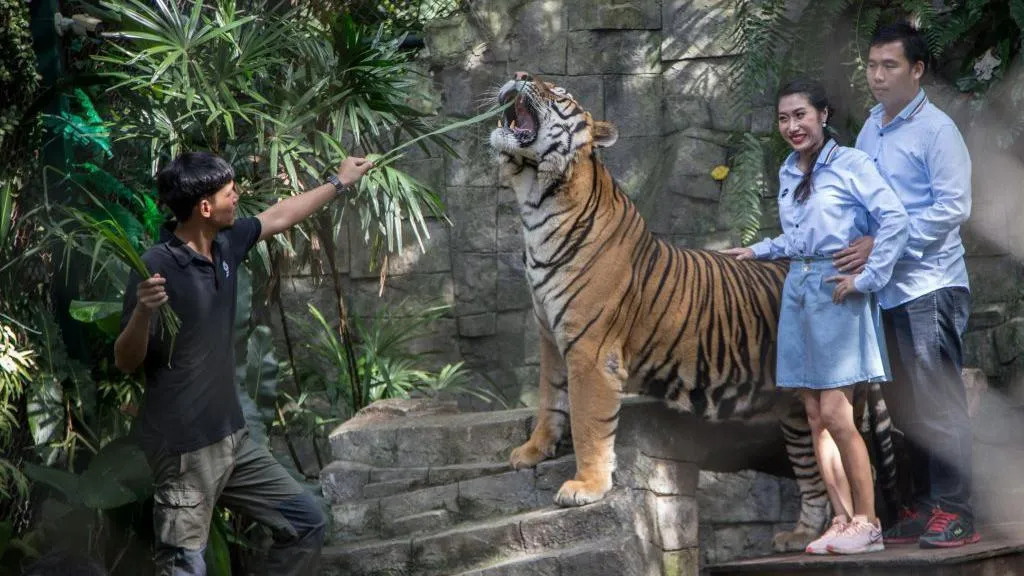
Officials confirmed that the deaths occurred over a short period at a privately operated facility in Thailand known for allowing visitors close access to tigers for viewing and photography. Veterinary teams were dispatched to the site after park management reported a sudden wave of illness affecting the animals.
Preliminary findings indicate that the tigers displayed symptoms including respiratory distress, lethargy and loss of appetite before dying. Samples have been collected for laboratory analysis to determine the precise cause of the outbreak. Authorities have not yet confirmed whether the illness is viral, bacterial or linked to environmental factors.
Thailand has long hosted tiger parks that cater to domestic and international tourists. These facilities often house large numbers of captive-bred animals in enclosed compounds. Animal welfare organisations have previously criticised aspects of the industry, arguing that close human interaction and high-density enclosures can increase stress and susceptibility to disease.
The Department of National Parks, Wildlife and Plant Conservation has sealed off sections of the affected site while biosecurity assessments are conducted. Movement of animals in and out of the facility has been suspended pending the outcome of the investigation.
Wildlife health experts note that outbreaks among captive big cats can spread rapidly due to shared enclosures, feeding routines and limited genetic diversity. Infectious diseases such as canine distemper virus have historically posed threats to large felines, although officials have not suggested a specific pathogen in this case.
Thailand is home to a significant population of captive tigers, estimated to exceed the number living in the wild within the country. Conservationists argue that while some parks claim to support breeding programmes, concerns remain about oversight, record-keeping and veterinary capacity.
Authorities stated that post-mortem examinations are being conducted to identify organ damage and infection markers. Environmental samples from water sources and food storage areas are also under review to rule out contamination.
The deaths have prompted renewed scrutiny of regulatory enforcement. Although Thai law requires licensing and periodic inspection of wildlife facilities, critics say monitoring standards vary. Officials have pledged transparency as the investigation proceeds and said sanctions could follow if negligence is established.
Tourism operators in the region have expressed concern about reputational impact. Tiger parks attract thousands of visitors annually, forming part of broader wildlife tourism offerings. However, international debate over the ethics of captive animal attractions has intensified in recent years, particularly regarding big cats.
Animal welfare groups have called for independent oversight and stricter biosecurity protocols, including quarantine measures for new animals and routine vaccination programmes where appropriate. They argue that high mortality events can indicate systemic weaknesses in husbandry or health monitoring.
Local authorities have reassured the public that there is no evidence at present of risk to visitors. Health officials are nevertheless assessing whether any zoonotic transmission risk exists, though experts indicate that most feline-specific pathogens pose limited danger to humans.
Thailand is also a signatory to international wildlife trade agreements aimed at protecting endangered species, including tigers. While the deaths occurred within a domestic facility, conservation advocates stress that the loss of such a large number of animals is significant given the species’ endangered status globally.
According to global conservation bodies, wild tiger populations have declined dramatically over the past century due to habitat loss and poaching. Captive populations are sometimes presented as a conservation buffer, but experts caution that captive breeding does not automatically contribute to viable reintroduction programmes.

As laboratory results are awaited, officials continue to monitor the remaining animals at the park for symptoms. Additional veterinary teams have been deployed to neighbouring facilities as a precautionary measure.
The outcome of the probe is expected to shape future regulation of Thailand’s wildlife tourism sector. For now, the focus remains on identifying the cause of the outbreak and preventing further fatalities among the surviving tigers.
Related News:
 South Africa’s Garden Route Gem Faces Looming Water Crisis
 Two Britons Among Three Dead in French Alps Avalanche
 Cuban Cigar Festival Cancelled Amid US-Linked Energy Crisis
 Jet2 Hands Passengers Life Ban After Mid‑Air Brawl
 Dual Nationals Face Scramble for UK Passports as New Rules Come Into Force
 As Trump Retreats from Climate Goals, China Is Becoming a Green Superpower
 Inland Australia Town Turns Streets into a Beach for Volleyball Contest
 How Do You Modernise Mango Farming? India’s Growers Urged to Innovate as Climate Change Hits
 Major 7.1 Earthquake Strikes Off Malaysian Tourist Coast
 Brit Killed in Horror Bus Crash as 18 Others Die and 25 Injured
 Storm Hernando: Edinburgh Airport Flights Cancelled in US Travel Chaos
Storm Hernando: Edinburgh Airport Flights Cancelled in US Travel Chaos
Storm Hernando: Edinburgh Airport Flights Cancelled in US Travel Chaos
 ‘Burned and Destroyed’: Locals and Tourists Describe Mexico Unrest
 Victorian Bridge Could Be Saved by Traffic Ban
 UK Must Act with Courage and Clarity on Israel-Palestine Conflict, Says Foreign Affairs Committee Report
 Northern Ireland Family of Three Shot Dead in Maguiresbridge Home Incident
 Tottenham Takes On Newcastle
 Gen Z Embraces the Big, Bold ‘Fake’ Indian Wedding Party Trend
 Radioactive Leak at UK’s Nuclear Warhead Base Sparks Outcry Over Safety and Secrecy
 Mutual Inconvenience: Why Alaska Was Chosen for the Trump-Putin Summit on Ukraine
 China’s crackdown on civil servant perks sparks economic concerns
 Terence Stamp, ’60s British Film Legend and Star of Superman, Dies at 87
 Hong Kong Summons UK and Australian Envoys Following Asylum Grants to Democracy Activists
 Is the UK Ready to Put Boots on the Ground in Ukraine? Assessing Military Capacity and Challenges
 Channel Crossings Surge: Over 1,000 People Arrive in the UK in Small Boats in a Single Day
 Macron Phones Trump Over Traffic Jam in New York
 Comey Indictment Deepens Fears of Political Retribution Under Trump
 Yvette Cooper Signals Global Momentum Towards Gaza Peace Deal Amid Humanitarian Crisis
 “It Was Very Tough, But I Love Life”: Former Israeli Hostage Rebuilds Life After Family Killed by Hamas
 Chaos at Ibrox as Martin’s Rangers Era Comes to an End
 Nobel Prize Honours Pioneers Behind Materials That Could Heal the Planet
 Trump Claims Modi Has Agreed to Halt Russian Oil Imports Amid Heightened US Pressure
 Russia’s Latest Push to Win US Favors Shows Deep Desperation
 I’m a Celebrity 2025 line-up revealed: Osbourne joins
 BBC to Apologise Over Edited Trump Speech Amid Backlash
 Britain deploys RAF specialists to assist Belgium with drone threats
 Palace May Restore Hyphen to Andrew Mountbatten-Windsor’s Name
 Trump Urges Herzog to Grant Netanyahu Full Pardon
 Indian authorities demolish Kashmir home linked to Red Fort blast
 Greene Pushes Epstein Files Amid Trump Fallout
 December Run-Off in Chile as Election Produces No Winner
 Zelenskyy Signs Fighter Jet Deal Amid Russian Drone Attacks
 Canada Passes Carney’s First Budget in Tight Parliamentary Vote
 Shadow Fleet at Sea: Europe’s Battle Against Illicit Oil Shipping
 Tiny Curacao Makes History as Smallest Nation to Reach World Cup
 Deadly Russian Strikes Hit Western Ukraine, 20 Killed in Ternopil
 Ukraine Peace Plan: Zelensky Ready for Dialogue
 India’s COP30 Delay Raises Global Climate Concerns
 Royal Navy Shadows Russian Warships Entering the Channel
 Trump EPA Moves to Roll Back Soot Pollution Limits
 US Suspends Afghan Immigration After White House Shooting
 Georgians Defy Government Crackdown After Year of Protests
 Tokyo court rules Japan’s same-sex marriage ban constitutional
 ‘Extinct’ Antelope Returns to Sahara, Bringing Hope
 American Mother Extradited From UK to U.S. on Murder Charges
 Facebook Slow to Remove Bondi Attack Praise, Anti-Hate Group Claims
 Albanese Opens Door to Bondi Royal Commission Amid Rising Pressure
 Trump Weighs Response to Iran Crackdown as Tehran Says Communication Open With US
 US Clears Nvidia AI Chip Sales to China in Policy Shift
 Gulf states warn Trump Iran strikes risk wider Middle East war
 EU weighs response amid Greenland tariff crisis with Trump
 Sydney Shark Attack Surge Shocks Australia Beaches
 EU Says US Ties Have Suffered ‘Big Blow’ After Greenland Crisis
 Videos reveal earlier clash before Alex Pretti shooting
 UK New Car Discounts Near £6,000 as Prices Are Slashed
 Israel Moves to Bar MSF From Gaza Operations
 Draft Severe Weather Plan Following Storm Flooding
 What is Groundwater Flooding and Why Dorset is Seeing ‘Historical Highs’
 Portugal Election Delivers Socialist Win as Far Right Surges
 Australian Families Leave Syrian Camp for Home
 Starmer Weighs Fast-Tracking Defence Boost
 Japan’s Lost “Tigers” Were Actually Lions, Study Reveals
 ‘I Would Scream in My Sleep’: Alawite Women from Syria Tell of Kidnap and Rape
 Snow and Rain Warnings as Cold Snap Continues in the UK
 Nine Arrested in France Over Death of Far‑Right Student
 Indian University Kicked Out of AI Summit for Claiming Chinese Robot Dog as Its Own Invention
 Eight Skiers Found Dead After California Avalanche
 Epstein Eyed Record Label Investment to Access Women, Files Suggest
 Australian PM Says Former Prince Andrew Has Suffered ‘Extraordinary Fall’ but That Won’t Prompt Republic Referendum
 Farage Chagos Islands Row Sparks Fury