Published: 24 February 2026
The English Chronicle Desk
The English Chronicle Online
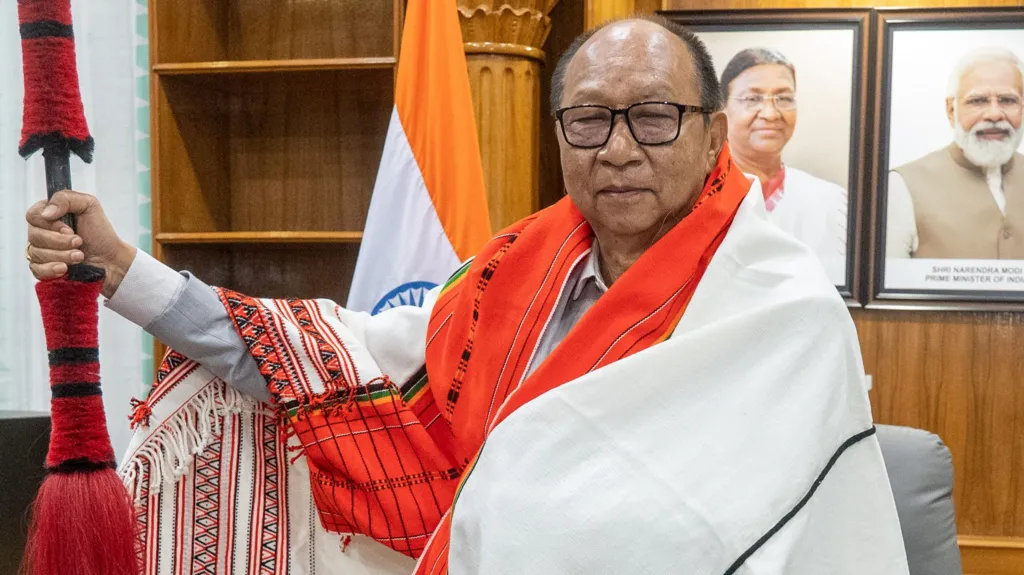
In the northeastern Indian state of Manipur, a senior politician and veteran taekwondo instructor has taken on the formidable task of steering one of the country’s most conflict‑affected regions toward stability. Yumnam Khemchand Singh, 62, was sworn in recently as chief minister after nearly a year under direct federal administration, inheriting a state still deeply scarred by inter‑ethnic violence and communal mistrust.

Singh’s background is unusual for a political leader in a state marked by prolonged unrest. A fifth‑dan black belt in the Korean martial art taekwondo, he spent decades teaching and popularising the discipline in Manipur and surrounding areas before deepening his involvement in public life. His martial arts career is intertwined with a reputation for discipline and structure in a region known both for athletic talent and political volatility.
Despite his sporting credentials, Singh is also a veteran legislator from the governing Bharatiya Janata Party (BJP). He entered electoral politics relatively late compared with some peers but has since held significant roles, including assembly speaker and ministerial portfolios covering education and rural development. The combination of political experience and personal discipline from martial arts training has framed public expectations about his leadership, with supporters hopeful he can apply lessons from both fields to healing divisions.
Manipur has been wracked by violent clashes since May 2023, primarily between the majority Meitei community and the minority Kuki‑Zo groups. The upheaval has led to more than 260 deaths, the displacement of thousands and deep communal segregation across the state’s valley and hill regions. Entire communities remain wary of one another, and periodic killings underscore how fragile peace remains despite periods of relative calm.
Singh’s elevation to state leadership followed the collapse of central rule imposed by New Delhi amid persistent unrest. His appointment has generated a mixed response. Some residents and political analysts see his leadership as an opportunity to restore local governance and begin the painstaking work of rebuilding trust across communities. His outreach efforts — including engagement with displaced groups and visits to relief camps — have been cited as positive signs of willingness to meet constituencies beyond partisan lines.
Yet skeptics caution that peace in Manipur will not be achieved simply through administrative authority or personal charisma. Critics argue that questions of political autonomy, justice for victims and enduring communal suspicions require far deeper dialogue and structural solutions. Some civil society groups insist that meaningful reconciliation must involve substantive concessions to address ethnic claims and security concerns rather than merely restoring law and order.
Protests erupted in parts of the state shortly after Singh assumed office, particularly in districts with strong Kuki‑Zo presence, highlighting the ongoing ambivalence toward the new government. Calls for separate administrative arrangements and continued fears over dominance by the Meitei majority illustrate the complex political landscape Singh must navigate.
Observers note that Singh’s challenges go well beyond managing security. Peacebuilding in Manipur will hinge on inclusive dialogue, economic development and the restoration of basic trust between communities that have lived through years of violence. Analysts emphasise that while security forces and administrative changes can contain immediate tensions, sustainable peace requires engagement at grassroots level and guarantees that all communities feel heard and protected.

The symbolic resonance of Singh’s taekwondo background also carries weight in a state with a strong sporting culture. Manipur has produced internationally recognised athletes, and martial arts are deeply embedded in local youth culture, often credited with offering discipline, focus and pathways out of economic hardship. Whether these cultural ties translate into political legitimacy and effective governance remains an open question for many observers.
Singh’s tenure will be closely watched not just within India but by international observers concerned with managing communal conflicts. His initial weeks in office are seen as a critical test of whether leadership rooted in discipline and cross‑community outreach can help usher in a period of reconciliation, or whether enduring fractures will continue to hamper the state’s progress toward peace.
Related News:
 After the Landslide: Can India Reset Ties with BNP Bangladesh?
 China Strikes at Japan’s Core — Will PM Takaichi Back Down?
 Japan Braces as Takaichi Begins New Term with Huge Mandate for Low‑Tax, Ultra‑Conservative Agenda
 South Korea’s Ex-President Faces Death Penalty in Insurrection Trial
 Kim Jong Un Reappointed as Ruling Party Chief
 Kinnock’s Rebuke Echoes Loudly as Corbyn Allies Launch Left-Wing Breakaway: “A Gift to Farage”
 UK and Norway Forge Stronger Ties Through Joint Sanctions and Enhanced Defence Cooperation
 Trump Administration Dismisses 17 Immigration Judges, Sparking Debate Over Judicial Independence
 Modi’s London Visit Seals Historic UK-India Trade Pact Amid Global Tensions
 UK Must Act with Courage and Clarity on Israel-Palestine Conflict, Says Foreign Affairs Committee Report
 Trump Threatens 100% Tariff on Nations Importing Russian Oil Amid India Standoff Over Ukraine War
 Netanyahu Announces Plan to Take Over Gaza City, Escalating Conflict Further
 Radioactive Leak at UK’s Nuclear Warhead Base Sparks Outcry Over Safety and Secrecy
 Mutual Inconvenience: Why Alaska Was Chosen for the Trump-Putin Summit on Ukraine
 Hong Kong Summons UK and Australian Envoys Following Asylum Grants to Democracy Activists
 Is the UK Ready to Put Boots on the Ground in Ukraine? Assessing Military Capacity and Challenges
 Protests Expected as Israeli Arms Firms Join Global Defence Trade Fair in London
 Trump Appears Sidelined as Israel’s Unprecedented Strikes Hit Qatar
 Conservative Influencer Charlie Kirk Fatally Shot During University Debate
 Thousands Gather in London to Protest Donald Trump’s Second UK State Visit
 Channel Crossings Surge: Over 1,000 People Arrive in the UK in Small Boats in a Single Day
 Widow of Charlie Kirk Forgives Killer at Emotional Memorial Service
 Denmark Investigates Professional Drone Incursions Across Multiple Airports, No Evidence of Russian Involvement
 UK Fighter Jet Purchase Could Breach Nuclear Treaty, Warns CND
 Yvette Cooper Signals Global Momentum Towards Gaza Peace Deal Amid Humanitarian Crisis
 A Third of EU Citizens in UK Report Discrimination by Public Bodies Post-Brexit
 Public Trust in SNP Hits Historic Low Amid NHS Concerns
 Johnson Suggests Mandelson Linked to China Spy Controversy
 Rachel Reeves signals welfare reform ahead of key budget
 Ireland Votes as Two Women Compete for Presidency
 Russia’s Latest Push to Win US Favors Shows Deep Desperation
 Experts Warn Russia’s Burevestnik Missile Could Destabilise Arms Control
 Johnson Approved China’s London ‘Super-Embassy’ in 2018
 BBC to Apologise Over Edited Trump Speech Amid Backlash
 Britain deploys RAF specialists to assist Belgium with drone threats
 Trump Urges Herzog to Grant Netanyahu Full Pardon
 US Justice Department Files Lawsuit Against California Over Partisan Voting Maps
 Indian authorities demolish Kashmir home linked to Red Fort blast
 Greene Pushes Epstein Files Amid Trump Fallout
 Trump Deploys DHS to Charlotte in Major Arrest Operation
 December Run-Off in Chile as Election Produces No Winner
 Canada Passes Carney’s First Budget in Tight Parliamentary Vote
 Shadow Fleet at Sea: Europe’s Battle Against Illicit Oil Shipping
 Pentagon Officials in Ukraine to Discuss War End
 India’s COP30 Delay Raises Global Climate Concerns
 Venezuela Threatens Nobel Winner Machado with Fugitive Status
 Georgians Defy Government Crackdown After Year of Protests
 EU plans $105bn Ukraine aid using frozen Russian assets
 Russia losses Ukraine war peace talks intensify amid rising deaths
 Albanese Opens Door to Bondi Royal Commission Amid Rising Pressure
 Trump Escalates Minnesota Immigration Surge Amid Rising Tensions
 Iran Protesters Defy Crackdown as Violent Clashes Intensify
 Trump Threatens Strong Action If Iran Executes Protesters
 Machado Trump medal gesture reshapes Venezuela power struggle
 EU weighs response amid Greenland tariff crisis with Trump
 ICE street raids expose a chilling future for public freedoms
 EU Says US Ties Have Suffered ‘Big Blow’ After Greenland Crisis
 Andrew Hastie Emerges as Leadership Rival to Ley
 Starmer China visit raises human rights pressure on Beijing
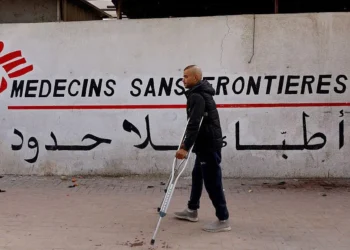 Israel Moves to Bar MSF From Gaza Operations
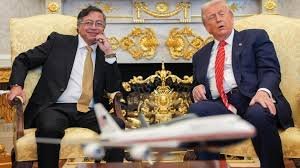 Trump Praises ‘Terrific’ Petro After White House Talks
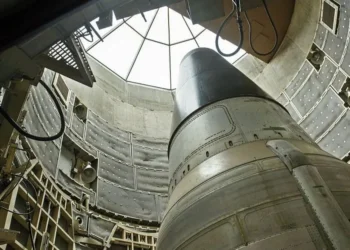 Fears of New Arms Race as US-Russia Nuclear Weapons Treaty Expires
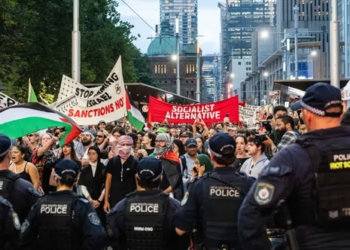 Sydney Protest Escalates and Elderly Woman Suffers Severe Injury
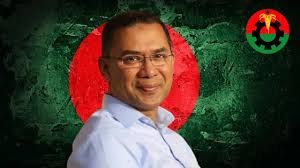 Tarique Rahman’s Rise Toward Bangladesh’s Top Job
 Australian Families Leave Syrian Camp for Home
 Starmer Weighs Fast-Tracking Defence Boost
 Macron Rebuked in Franco-German Defence Row
 Japan’s Lost “Tigers” Were Actually Lions, Study Reveals
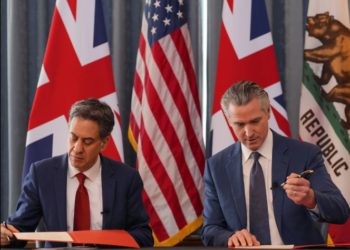 Trump Attacks UK-California Energy Pact
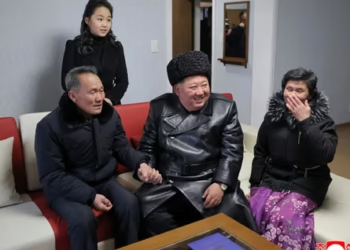 Kim Jong-un Unveils Housing for War Families
 Stephen Colbert Says CBS Spiked Interview With Democrat Over FCC Fears
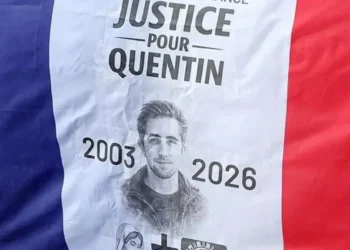 Nine Arrested in France Over Death of Far‑Right Student
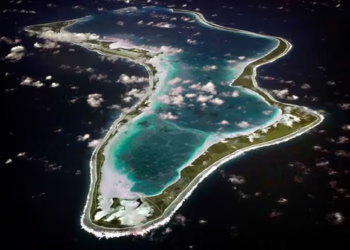 Trump and Chagos Deal Rift Over Iran Strikes
 Andrew Arrest Sparks Republic Debate in Australia
 Australian PM Says Former Prince Andrew Has Suffered ‘Extraordinary Fall’ but That Won’t Prompt Republic Referendum
 Global corruption crisis: Who Washington shields
 Musk Cuts Starlink Access for Russian Forces – Giving Ukraine an Edge at the Front
 Farage Chagos Islands Row Sparks Fury
 How South Korea’s Democracy Rebounded After Martial Law Attempt
 Ukraine Negotiator Reveals What It Feels Like Facing Russia