Published: 24 February 2026
The English Chronicle Desk
The English Chronicle Online
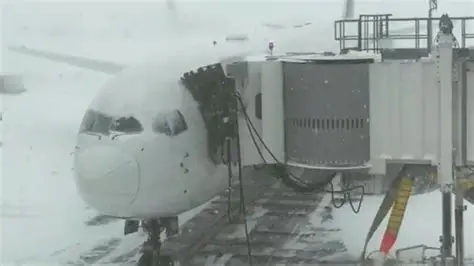
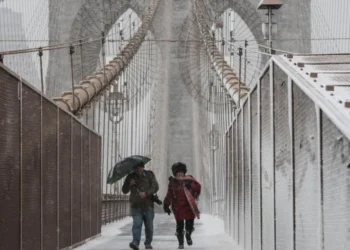
Travel disruption across the eastern United States has escalated after a historic snowstorm blanketed large sections of the region, forcing the cancellation of more than 5,000 flights at major hubs as airports struggle to clear runways and cope with hazardous conditions. Airlines and airport authorities described the scale of disruptions as among the worst in recent years, with the storm contributing to delays lasting several days and widespread frustration among passengers.

The most severe impacts were felt at some of the busiest air travel centres in the Northeast and mid‑Atlantic states, where airports reported heavy accumulation of snow and ice that exceeded operational capacity. At Newark Liberty International Airport in New Jersey, more than half of scheduled departures were called off as crews worked around the clock to de‑ice runways and taxiways. Similar scenes were reported at Philadelphia International and Boston Logan International, where flights were grounded and terminals congested with travellers awaiting updates on rescheduled services.
Passengers left stranded in terminals shared accounts of chaotic conditions as airlines struggled to rebook flights amid limited staff and continued snowfall. One traveller described “rows of chairs filled with people hoping for any word on departure times,” noting that food services and seating areas were stretched thin by the ongoing backlog. Many families and commuters faced extended waits as airlines contended with a backlog of cancellations and a rapidly changing weather forecast.
Airport officials said the cancellations followed consecutive waves of heavy snow that hit the region within a short period, hampering efforts to maintain clear runways. Snowploughs and de‑icing crews worked through the night, but persistent flurries and temperatures below freezing made progress slow. The Federal Aviation Administration (FAA) urged travellers to check flight statuses frequently if they were planning to travel in the coming days.
Airline customer service lines were overwhelmed, with many passengers reporting long hold times and delayed online updates. Several carriers arranged for hotel vouchers or meal reimbursements for affected travellers, though eligibility varied by airline and fare conditions. Some flights that initially departed on schedule were later diverted or returned to their origin due to deteriorating visibility and ice conditions at destinations.
The cancellations have ripple effects beyond immediate travel, with cargo and freight operations also disrupted. Supply chains that depend on air transport for time‑sensitive deliveries, including medical supplies and critical parts, have seen delays and rerouting as airlines prioritise passenger safety and limited runway availability. Local businesses reliant on timely shipments expressed concern about the economic knock‑on effects as the storm’s impact continues to unfold.
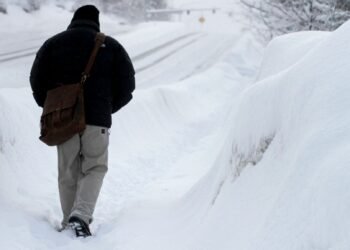
Weather services reported snow totals in many urban centres exceeding records for this time of year. Heavy accumulation in cities such as New York, Philadelphia and Boston strained municipal services, with authorities deploying additional ploughing and salt treatment resources to maintain roadways. The combination of deep snow and fluctuating temperatures also created hazardous driving conditions, prompting advisories against non‑essential travel.
Ground transportation was equally affected. Long‑distance buses and trains operated on reduced schedules or suspended services altogether on key routes, limiting alternatives for stranded flyers seeking to reach their destinations by land. Amtrak reported delays across much of its Northeast Corridor network, and intercity bus lines cancelled multiple departures as roads remained treacherous.
Airline industry analysts said the storm exposed weaknesses in winter contingency planning, particularly when faced with consecutive days of extreme weather across a broad geographical corridor. While airports and carriers maintain winter preparedness protocols, the intensity and duration of the storm outpaced many standard response measures, leading to exceptional levels of disruption rarely seen outside of major winter blizzards.
Despite the travel chaos, many travelers continued to comply with safety directives, with airport staff coordinating information booths and airline representatives announcing updated schedules as they became available. Transportation authorities stressed that prioritising safety over schedule adherence remained essential in conditions where visibility and runway traction were compromised by heavy snow and ice.
The storm’s timing — during a peak travel period for some winter vacationers — meant that airlines were already operating near capacity, further complicating rebooking efforts and resource allocation. Forecasts suggested that while snowfall was tapering off in some areas, residual snow cover and sub‑freezing temperatures would continue to challenge airport operations for at least another 48 hours.

As cities and airports dig out from record snow, officials urged patience and caution from the travelling public. With thousands of flights cancelled and a backlog of delayed services, recovery of normal operations is expected to be gradual, with priority given to first clearing primary runways and accommodating stranded passengers.
Related News:
 Storm Hernando: Edinburgh Airport Flights Cancelled in US Travel Chaos
 Storm Hernando: Edinburgh Airport Flights Cancelled in US Travel Chaos
 Storm Leonardo Triggers Election Delay Calls in Iberia
 Two Britons Among Three Dead in French Alps Avalanche
 Cuban Cigar Festival Cancelled Amid US-Linked Energy Crisis
 Snow and Rain Warnings as Cold Snap Continues in the UK
 Jet2 Hands Passengers Life Ban After Mid‑Air Brawl
 Dual Nationals Face Scramble for UK Passports as New Rules Come Into Force
 Shutting North Sea ‘Will Drive Up Carbon Emissions’
 Eight Skiers Found Dead After California Avalanche
 Inland Australia Town Turns Streets into a Beach for Volleyball Contest
 Break from Wintry Weather as UK Temperatures to Climb to 14 °C
 Bumper Ski Season but Avalanches Threaten Scotland’s Snowy Hills
 Powerful Winter Storm Slams US Northeast; NYC Travel Ban
Major 7.1 Earthquake Strikes Off Malaysian Tourist Coast
Powerful Winter Storm Slams US Northeast; NYC Travel Ban
Major 7.1 Earthquake Strikes Off Malaysian Tourist Coast
 Brit Killed in Horror Bus Crash as 18 Others Die and 25 Injured
 ‘Burned and Destroyed’: Locals and Tourists Describe Mexico Unrest
 Probe After Illness Kills 72 Tigers in Thailand
 Exciting’ or ‘Frustrating’? East Coast Reacts to Record Snow
 UK Must Act with Courage and Clarity on Israel-Palestine Conflict, Says Foreign Affairs Committee Report
 Northern Ireland Family of Three Shot Dead in Maguiresbridge Home Incident
 Tottenham Takes On Newcastle
 Gen Z Embraces the Big, Bold ‘Fake’ Indian Wedding Party Trend
 Radioactive Leak at UK’s Nuclear Warhead Base Sparks Outcry Over Safety and Secrecy
 Terence Stamp, ’60s British Film Legend and Star of Superman, Dies at 87
 Hong Kong Summons UK and Australian Envoys Following Asylum Grants to Democracy Activists
 Is the UK Ready to Put Boots on the Ground in Ukraine? Assessing Military Capacity and Challenges
 Channel Crossings Surge: Over 1,000 People Arrive in the UK in Small Boats in a Single Day
 Macron Phones Trump Over Traffic Jam in New York
 Comey Indictment Deepens Fears of Political Retribution Under Trump
 Yvette Cooper Signals Global Momentum Towards Gaza Peace Deal Amid Humanitarian Crisis
 “It Was Very Tough, But I Love Life”: Former Israeli Hostage Rebuilds Life After Family Killed by Hamas
 Chaos at Ibrox as Martin’s Rangers Era Comes to an End
 Trump Claims Modi Has Agreed to Halt Russian Oil Imports Amid Heightened US Pressure
 Russia’s Latest Push to Win US Favors Shows Deep Desperation
 I’m a Celebrity 2025 line-up revealed: Osbourne joins
 BBC to Apologise Over Edited Trump Speech Amid Backlash
 Britain deploys RAF specialists to assist Belgium with drone threats
 Palace May Restore Hyphen to Andrew Mountbatten-Windsor’s Name
 Trump Urges Herzog to Grant Netanyahu Full Pardon
 Indian authorities demolish Kashmir home linked to Red Fort blast
 Greene Pushes Epstein Files Amid Trump Fallout
 December Run-Off in Chile as Election Produces No Winner
 Zelenskyy Signs Fighter Jet Deal Amid Russian Drone Attacks
 Canada Passes Carney’s First Budget in Tight Parliamentary Vote
 Shadow Fleet at Sea: Europe’s Battle Against Illicit Oil Shipping
 Tiny Curacao Makes History as Smallest Nation to Reach World Cup
 Deadly Russian Strikes Hit Western Ukraine, 20 Killed in Ternopil
 Ukraine Peace Plan: Zelensky Ready for Dialogue
 India’s COP30 Delay Raises Global Climate Concerns
 Royal Navy Shadows Russian Warships Entering the Channel
 Trump EPA Moves to Roll Back Soot Pollution Limits
 US Suspends Afghan Immigration After White House Shooting
 Georgians Defy Government Crackdown After Year of Protests
 Tokyo court rules Japan’s same-sex marriage ban constitutional
 ‘Extinct’ Antelope Returns to Sahara, Bringing Hope
 American Mother Extradited From UK to U.S. on Murder Charges
 Facebook Slow to Remove Bondi Attack Praise, Anti-Hate Group Claims
 Albanese Opens Door to Bondi Royal Commission Amid Rising Pressure
 Trump Weighs Response to Iran Crackdown as Tehran Says Communication Open With US
 US Clears Nvidia AI Chip Sales to China in Policy Shift
 Gulf states warn Trump Iran strikes risk wider Middle East war
 EU weighs response amid Greenland tariff crisis with Trump
 Sydney Shark Attack Surge Shocks Australia Beaches
 EU Says US Ties Have Suffered ‘Big Blow’ After Greenland Crisis
 Videos reveal earlier clash before Alex Pretti shooting
 UK New Car Discounts Near £6,000 as Prices Are Slashed
 Israel Moves to Bar MSF From Gaza Operations
 South Africa’s Garden Route Gem Faces Looming Water Crisis
 Portugal Election Delivers Socialist Win as Far Right Surges
 Australian Families Leave Syrian Camp for Home
 Starmer Weighs Fast-Tracking Defence Boost
 ‘I Would Scream in My Sleep’: Alawite Women from Syria Tell of Kidnap and Rape
 Nine Arrested in France Over Death of Far‑Right Student
 Indian University Kicked Out of AI Summit for Claiming Chinese Robot Dog as Its Own Invention
 Epstein Eyed Record Label Investment to Access Women, Files Suggest
 How Do You Modernise Mango Farming? India’s Growers Urged to Innovate as Climate Change Hits
 Australian PM Says Former Prince Andrew Has Suffered ‘Extraordinary Fall’ but That Won’t Prompt Republic Referendum
 Farage Chagos Islands Row Sparks Fury
 Ukraine Negotiator Reveals What It Feels Like Facing Russia