Published: 24 February 2026. The English Chronicle Desk. The English Chronicle Online.
New Zealand has declared it would support efforts to remove Andrew Mountbatten‑Windsor from the royal line of succession if the UK government moves ahead with legislation. The prime minister’s office in Wellington said on Tuesday that if the United Kingdom proposes stripping Mountbatten‑Windsor of his place, New Zealand would back it, reinforcing a stance Australia first articulated just days earlier. This marks a rare moment in Commonwealth politics where realms subordinate their longstanding ties to the monarchy with a clear and public position on one of its most senior figures.
The word succession is likely to dominate discussions in London and across Commonwealth capitals in the coming weeks, as political leaders weigh the future of a member of the British royal family now facing intense scrutiny. New Zealand’s support comes on the heels of a letter from Australia’s prime minister to British Prime Minister Keir Starmer, in which Canberra confirmed it would agree to any proposal to bar Mountbatten‑Windsor from succession.

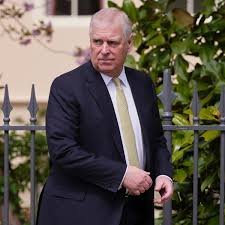
At the centre of this unfolding constitutional controversy is Andrew Mountbatten‑Windsor, once known as Prince Andrew, the brother of King Charles III and currently eighth in line to the throne. Despite his removal from royal duties and titles last year, he remains within the order of succession, a status that has drawn fierce criticism given the serious allegations surrounding his conduct. These allegations relate to his past role as a UK trade envoy and documents linked to the late US financier Jeffrey Epstein, and have revived longstanding calls for accountability from both political figures and the public alike.
Under the complex constitutional arrangements of the British monarchy, changing the line of succession is not a matter solely for Westminster. Any such change would require legislation passed by the UK parliament and the unanimous consent of all 14 other Commonwealth realms where King Charles remains head of state, including Canada, Australia and New Zealand. Wellington’s announcement that it would support such a law underscores the evolving nature of ties between the monarchy and its constituent realms.
In New Zealand, Prime Minister Christopher Luxon’s office said that discussion on the matter with their British counterparts had already taken place. “If the UK government proposes to remove Andrew Mountbatten‑Windsor from the order of succession, New Zealand would support it,” a spokesperson said, adding that the government has been in regular contact with London about the potential move. The statement underscored the principle that “no one is above the law,” echoing similar sentiments expressed by Australia.
The announcement in Wellington followed swiftly after Canberra’s more formalised backing. Australian Prime Minister Anthony Albanese wrote directly to Prime Minister Starmer confirming that his government would agree to any plan to remove Mountbatten‑Windsor from the royal line. Albanese described the allegations against the former royal as “grave” and said Australians take them seriously, while also affirming that the law must take its full course.
Both New Zealand and Australia thus stand as the first two Commonwealth realms to publicly endorse the possibility of such a constitutional shift. Their positions are significant not just for what they reflect about public sentiment toward the disgraced royal, but also for the political pressure they exert on other realm governments to clarify their own stances on the matter before any formal legislative process begins.
Mountbatten‑Windsor’s present status in the line of succession has been increasingly controversial since he was stripped of royal titles last October amid renewed scrutiny over his relationship with Epstein, the convicted sex offender whose network of associates included influential figures around the globe. Even before these most recent developments, there had been growing calls for accountability over his actions, especially given the severity of the allegations detailed in released documents.
His arrest by UK police on 19 February on suspicion of misconduct in public office was unprecedented in modern British royal history. The investigation, still underway, centres on his time as a trade envoy, with allegations including the sharing of sensitive information with Epstein, though no criminal charges have been filed yet. Mountbatten‑Windsor has consistently denied wrongdoing in relation to the released documents and other accusations.
The fallout from his arrest has extended beyond legal and political spheres into matters of public opinion and constitutional debate. Australia’s Albanese publicly acknowledged that many Australians feel a disconnect between their identity and having someone with such a controversial record remain eligible, however remote his chances are of ever ascending to the throne. At the same time, he ruled out any immediate moves toward republicanism, saying that Australia has no plans for a referendum on its own heads of state despite his personal republican leanings.

In New Zealand, reactions to the government’s announcement have been mixed. While Wellington’s position might be seen as aligning with broader Commonwealth opinion, some politicians, including Deputy Prime Minister David Seymour, suggested that for many citizens domestic priorities outweigh concerns about a distant constitutional figure. Seymour remarked light‑heartedly that issues such as housing and healthcare might take precedence over the succession debate for ordinary New Zealanders.
Still, legal and constitutional experts say that any change to the line of succession will be closely scrutinised for precedent and broader implications. Previously, changes to succession — such as ending male preference in heritage rights — were agreed upon by realm governments and took years of negotiation and legal amendments before implementation. Any move to exclude Mountbatten‑Windsor permanently would likely require similar care and consensus, even as public pressure mounts for decisive action.
King Charles himself has taken a measured approach to the situation. Buckingham Palace has said it would not stand in the way of a legislative change if proposed by the government, and the king has publicly reiterated that the law must take its course, indicating an avoidance of direct interference while upholding legal due process.
As the UK government signals its intention to consider specific laws to strip Mountbatten‑Windsor of his right to inherit the throne once the police inquiry concludes, the spotlight will increasingly fall on how Commonwealth realms respond to an issue that tests not only legal traditions but also the moral underpinnings of their shared constitutional monarchy. The coming weeks are expected to bring further statements from other realm governments, setting the stage for a rare moment of constitutional evolution across Commonwealth countries bound by centuries‑old ties to the British crown.
Related News:
 British Woman in Iran ‘Losing Hope’ Amid Ongoing Detention
 BBC Journalist Held and Interrogated in Vietnam
 UK University Suspends Human Rights Research Following Pressure from China
 UK University Faces Counter-Terror Probe Over China Pressure
 Abigail Spanberger Elected Virginia’s First Female Governor
China-critical UK academics face ‘extremely heavy’ pressure from Beijing
Abigail Spanberger Elected Virginia’s First Female Governor
China-critical UK academics face ‘extremely heavy’ pressure from Beijing
 British military receives first Ajax armoured vehicles – eight years late
 BBC to Apologise Over Edited Trump Speech Amid Backlash
 Britain deploys RAF specialists to assist Belgium with drone threats
 Ukraine-Russia war latest: Putin’s troops exploit bad weather to force Kyiv withdrawal from multiple towns
 Trump Claims Victory as Longest Shutdown Ends
 Hamas Fighters in Gaza Tunnels Stall Ceasefire Progress
 US Justice Department Files Lawsuit Against California Over Partisan Voting Maps
 Greene Pushes Epstein Files Amid Trump Fallout
 Trump Deploys DHS to Charlotte in Major Arrest Operation
 December Run-Off in Chile as Election Produces No Winner
 Canada Passes Carney’s First Budget in Tight Parliamentary Vote
 Why Russian Liberals Push Strongly Pro-Israel Narratives
 Shadow Fleet at Sea: Europe’s Battle Against Illicit Oil Shipping
 Rama Rebukes Mahmood for Targeting Albanian Families
 Russian Vessel Used Lasers on RAF Pilots, UK Claims
 Pentagon Officials in Ukraine to Discuss War End
 Venezuela Threatens Nobel Winner Machado with Fugitive Status
 Texas Governor Faces Lawsuit From CAIR
 Trump Envoy to Discuss Ukraine Peace at Kremlin
 Pope Leo XIV Begins Historic Trip to Turkey and Lebanon
 Georgians Defy Government Crackdown After Year of Protests
 India’s Labour Law Overhaul Sparks Fierce Debate
 Video shows Israeli troops kill Palestinians after surrender
 Chinese & Japanese Boats Clash Near Disputed Islands
 EU plans $105bn Ukraine aid using frozen Russian assets
 Global campaign launched to free Palestinian leader Barghouti
 UK Aid Cuts Could Undermine Global Influence, Experts Warn
 Thailand and Cambodia Agree Ceasefire After Weeks of Deadly Clashes
 Russia losses Ukraine war peace talks intensify amid rising deaths
 Zelenskyy Accuses Russia of Sabotaging Peace Talks
 Trump ‘Not Worried’ as China Conducts Massive Taiwan Wargame
 Khaleda Zia Laid to Rest with State Honour in Dhaka
 Maduro Faces Court in New York Over Drugs and Weapons Case
 Albanese Opens Door to Bondi Royal Commission Amid Rising Pressure
 Shock US Raid: Maduro Pleads Not Guilty in Manhattan Court
 Trump Escalates Minnesota Immigration Surge Amid Rising Tensions
 Iran Protesters Defy Crackdown as Violent Clashes Intensify
 Iran Leader Blames Protesters, Says They Serve Trump
 Trump Eyes Strong Military Options Amid Iran Protest Crackdown
 Trump Threatens Strong Action If Iran Executes Protesters
 Machado Trump medal gesture reshapes Venezuela power struggle
 Trump Receives Machado’s Nobel Medal in White House Meeting
 EU weighs response amid Greenland tariff crisis with Trump
 US Considers Asylum for British Jews Amid Rising Antisemitism
 ICE street raids expose a chilling future for public freedoms
 US Africa aid remarks spark anger after leaked State email
 Trump Launches “Board of Peace” Amid Global Diplomacy Push
 EU Says US Ties Have Suffered ‘Big Blow’ After Greenland Crisis
 Andrew Hastie Emerges as Leadership Rival to Ley
 Russia Strikes Kyiv and Kharkiv as Peace Talks Enter Day Two
 Pentagon Signals Reduced Role in Deterring North Korea
 Starmer China visit underscores clear-eyed national security stance
 Starmer China visit raises human rights pressure on Beijing
 Israel Moves to Bar MSF From Gaza Operations
 Mandelson resignation shakes Labour over Epstein row
 Cory Bernardi joins One Nation for SA election
 Saif al-Islam Gaddafi Reportedly Killed in Libya Shooting
 Trump Praises ‘Terrific’ Petro After White House Talks
 Sydney Protest Escalates and Elderly Woman Suffers Severe Injury
 Tarique Rahman’s Rise Toward Bangladesh’s Top Job
 Glass Cliff Debate After Ley’s Ouster
 Japan Seizes Chinese Boat Amid Rising Tensions
 Sydney Protest Clash Triggers Police Probe
 Australian Families Leave Syrian Camp for Home
 Trump Attacks UK-California Energy Pact
 Kim Jong-un Unveils Housing for War Families
 Trump Warns Over Chagos Islands Deal
 Trump and Chagos Deal Rift Over Iran Strikes
 Andrew Mountbatten-Windsor Arrest After FBI Radar
 Andrew Arrest Sparks Republic Debate in Australia
 Global corruption crisis: Who Washington shields
 Duterte ICC Hearing Begins Amid Defiance
 Farage Chagos Islands Row Sparks Fury
 Trump Tariffs Threat Spark UK and EU Alarm