Published: 25 February 2026 . The English Chronicle Desk. The English Chronicle Online
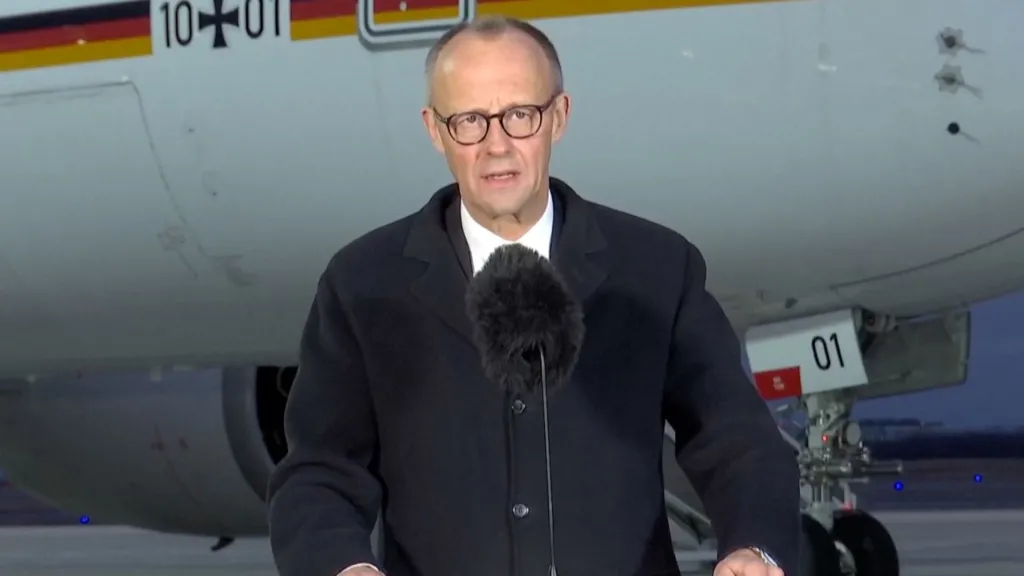
German Chancellor Friedrich Merz has arrived in Beijing to begin his first official visit to China since taking office, underscoring a shift in Berlin’s diplomatic and economic engagement with the Asian powerhouse. The two‑day trip, scheduled from 25 to 26 February, comes at a pivotal moment in global politics as European leaders seek to balance deep commercial ties with China against broader strategic concerns.

Merz landed in the Chinese capital on Wednesday, accompanied by a high‑level delegation that includes senior figures from German industry. He is scheduled to meet with Chinese President Xi Jinping and Premier Li Qiang, with discussions expected to cover a broad agenda encompassing bilateral trade, economic cooperation, global security and geopolitical issues.
The visit marks a concerted effort by Germany to recalibrate its relationship with China, which remains one of its most significant economic partners. Beijing has recently reclaimed its position as Germany’s largest single trading partner, with bilateral trade reaching substantial levels in 2025. German exporters and manufacturers have faced complex dynamics involving market access, competition from Chinese industries and wider supply chain dependencies. Merz’s itinerary includes meetings with Chinese counterparts on economic matters as well as engagements with business leaders to explore cooperation opportunities in advanced sectors.
Germany’s approach reflects a broader European strategy of pragmatic engagement, seeking to sustain cooperation on areas of mutual interest while addressing trade imbalances and pressing for more transparent and equitable conditions for German firms operating in China. Merz has also emphasised the importance of maintaining strong transatlantic ties and has signalled that economic relations with China should be pursued without compromising strategic autonomy.
Beijing has welcomed the visit, framing it as a continuation of long‑standing partnerships and asserting that cooperation between the two major economies benefits both peoples and contributes to global stability. Chinese officials have highlighted shared interests in multilateralism and pragmatic cooperation amid a shifting global landscape of competing economic models and geopolitical pressures.

The trip also reflects broader diplomatic trends, with several Western leaders engaging directly with Chinese counterparts in recent months to address global challenges, including trade policy, regional security and post‑pandemic economic recovery. Observers note that Merz’s visit could help set the tone for EU‑China relations in the year ahead, influencing policy discussions on trade, technology and global governance.
Related News:
 India Sentences Three Men to Death for Attack on Israeli Tourist and Hosts
 Shock US Raid: Maduro Pleads Not Guilty in Manhattan Court
 UK and France Agree Troop Deployment Plan for Ukraine
 EU Weakens as Trump Targets Venezuela and Greenland
 Israel Dossier Sparks Australian Political Interference Concern
 Venezuela Oil Deal Opens Tensions with US Control
 US Citizens Warned to Venezuela Flee Amid Paramilitary Threats
 Trump Says US Will Act on Greenland ‘Whether They Like It or Not’
 Gulf states warn Trump Iran strikes risk wider Middle East war
 Machado Trump medal gesture reshapes Venezuela power struggle
 Greenland defence seen as shared Nato duty amid troop arrivals
 Gulf states warn Trump Iran strikes risk wider Middle East war
 Trump Receives Machado’s Nobel Medal in White House Meeting
 Iran unrest slows under brutal crackdown and global tensions
 Syria President Declares Victory as Ceasefire Reached with SDF
 US Considers Asylum for British Jews Amid Rising Antisemitism
 Russia Strikes Kyiv and Kharkiv as Peace Talks Enter Day Two
 Emails Show Epstein Funded Mandelson’s Husband After Jail
 Thousands Protest ICE Operations in Nationwide US Day of Action
 Epstein Files Reveal Trump Officials’ Emails with Financier
 Thousands Protest ICE in New York Against Trump Deportation Campaign
 US Must Be Prudent When Supplying Arms to Taiwan, Xi Tells Trump
 Fears of New Arms Race as US-Russia Nuclear Weapons Treaty Expires
 US Military Says Two Killed in Strike on Alleged Drug Boat in Eastern Pacific
 Trump Endorses Japan’s Takaichi Ahead of Snap Election
 Is Bangladesh’s Youth Turning Against India? — A Deepening Debate
 Hong Kong Court Jails Pro-Democracy Media Tycoon Jimmy Lai for 20 Years
 Venezuela’s Opposition Says Party Leader Kidnapped Hours After Being Freed
 Christchurch Shooter Seeks to Overturn Guilty Plea in Appeals Court
 Sydney Protest Pepper Spray Clash During Herzog Visit
 Trump Bizarrely Claims China Will ‘Terminate All Ice Hockey in Canada’ in Threat to Block New Border Bridge
 Russia Rages “Now Is the Time to Strike” as UK Faces Fresh WW3 Nuclear Threats
 After the Landslide: Can India Reset Ties with BNP Bangladesh?
 China Strikes at Japan’s Core — Will PM Takaichi Back Down?
 Japan’s Lost “Tigers” Were Actually Lions, Study Reveals
 US Says It “Supports” UK Chagos Islands Deal
 Iran Says ‘Guiding Principles’ Agreed With US at Nuclear Talks
 Ukraine Peace Talks End in Acrimony After Two Hours
 Leave Chagos Now, Britain Tells Returning Islanders
 Britain’s Reliance on China Makes Us ‘Weak Link in the West’, Warn MPs
 Indian University Kicked Out of AI Summit for Claiming Chinese Robot Dog as Its Own Invention
 Japan Braces as Takaichi Begins New Term with Huge Mandate for Low‑Tax, Ultra‑Conservative Agenda
 As Trump Retreats from Climate Goals, China Is Becoming a Green Superpower
 South Korea’s Ex-President Faces Death Penalty in Insurrection Trial
 US and Indonesia Finalise Deal to Cut Tariffs to 19%
 Mystery Donor Gives Japanese City $3.6 Million in Gold Bars to Fix Water System
 UK Has Not Given US Permission to Use RAF Bases for Iran Strikes
 US Trade Deficit Hits Fresh High Despite Trump’s Tariffs
 Kim Jong Un Reappointed as Ruling Party Chief
Major 7.1 Earthquake Strikes Off Malaysian Tourist Coast
Kim Jong Un Reappointed as Ruling Party Chief
Major 7.1 Earthquake Strikes Off Malaysian Tourist Coast
 Brit Killed in Horror Bus Crash as 18 Others Die and 25 Injured
 The Taekwondo Teacher Tasked With Healing India’s Troubled State
 Drugs, Denial, Stigma: Fiji’s HIV Crisis Hits Children
 Ukraine war briefing: Russia exporting more oil now than before war despite sanctions – report
 Queen says speechless after meeting Gisèle Pelicot over powerful memoir
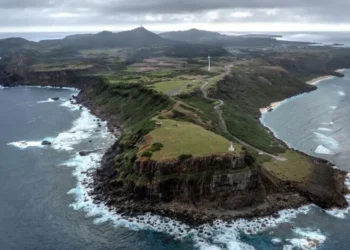 Japan to Deploy Missiles on Island Near Taiwan by 2031
 UK Must Act with Courage and Clarity on Israel-Palestine Conflict, Says Foreign Affairs Committee Report
 Yvette Cooper Signals Global Momentum Towards Gaza Peace Deal Amid Humanitarian Crisis
 Chaos at Ibrox as Martin’s Rangers Era Comes to an End
 Russia’s Latest Push to Win US Favors Shows Deep Desperation
 BBC to Apologise Over Edited Trump Speech Amid Backlash
 Greene Pushes Epstein Files Amid Trump Fallout
 Zelenskyy Signs Fighter Jet Deal Amid Russian Drone Attacks
 Shadow Fleet at Sea: Europe’s Battle Against Illicit Oil Shipping
 US Suspends Afghan Immigration After White House Shooting
 ‘Extinct’ Antelope Returns to Sahara, Bringing Hope
 Trump Weighs Response to Iran Crackdown as Tehran Says Communication Open With US
 US Clears Nvidia AI Chip Sales to China in Policy Shift
 US Senate rejects resolution limiting Trump military powers
 Sydney Shark Attack Surge Shocks Australia Beaches
 Shinzo Abe’s killer receives life sentence in Japan
 EU Says US Ties Have Suffered ‘Big Blow’ After Greenland Crisis
 China General Under Investigation Amid Leadership Purge
 UK New Car Discounts Near £6,000 as Prices Are Slashed
 Portugal Election Delivers Socialist Win as Far Right Surges
 Australian Families Leave Syrian Camp for Home
 ‘I Would Scream in My Sleep’: Alawite Women from Syria Tell of Kidnap and Rape
 Epstein Eyed Record Label Investment to Access Women, Files Suggest
 How Do You Modernise Mango Farming? India’s Growers Urged to Innovate as Climate Change Hits
 Ukraine Negotiator Reveals What It Feels Like Facing Russia