Published: 25 February 2026 . The English Chronicle Desk. The English Chronicle Online
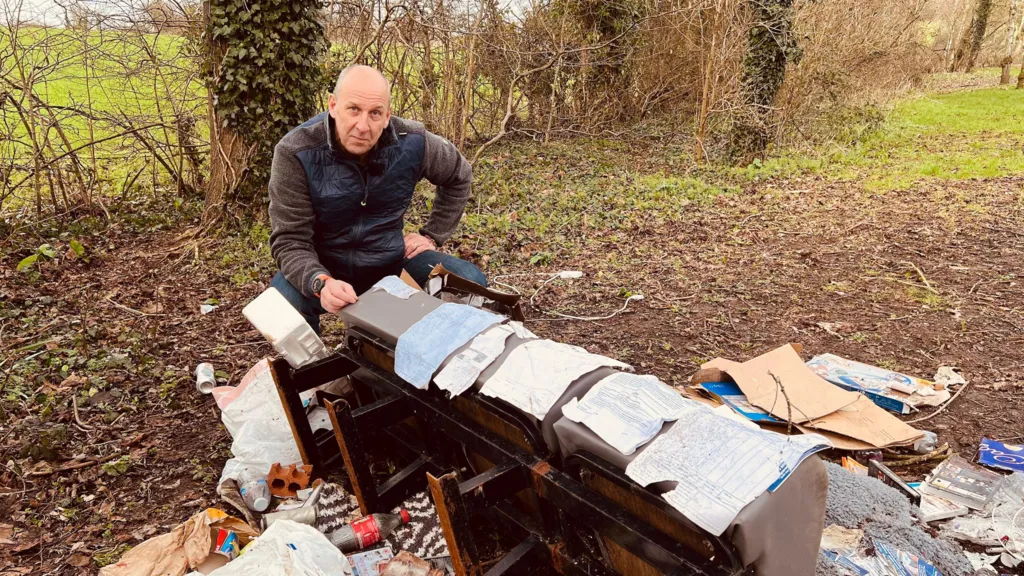
Environmental enforcement teams and local councils across England are intensifying efforts to tackle the persistent problem of fly‑tipping by combing through illegally dumped rubbish for evidence that could help identify offenders and bring them to justice. As millions of tonnes of waste continue to be dumped unlawfully across the country each year, authorities are treating fly‑tips not just as eyesores but as serious environmental crimes, and investigators are urging the public not to disturb sites so that clues can be preserved.

Illegally dumped waste — ranging from household items and garden rubbish to building materials — not only blights landscapes but can also pose health and safety risks and damage local ecosystems. Enforcement officers from councils, the Environment Agency and police forces are now following up reported fly‑tips by examining the contents and location of waste to find identifying information, such as paperwork, packaging or vehicle traces, that might link rubbish to those responsible for dumping it. Officials caution residents not to touch fly‑tipped waste, as disturbing debris could destroy evidence needed for prosecution.
In some recent cases, investigations into large fly‑tips have led to arrests and prosecutions, with some offenders fined for failing to cooperate with inquiries. For instance, a man in Andover was ordered to pay more than £1,400 after ignoring requests to attend interviews about rubbish dumped on Watery Lane. Councils stress that cooperation with investigations speeds up identification and enforcement action, helping bring waste criminals before the courts. ([turn0search22])
The government is also boosting enforcement resources and technology to support investigations. A new high‑tech “drones squad” equipped with laser mapping and surveillance tools will speed up the detection of illegal waste dumps and help gather actionable evidence, including mapping the scale and composition of sites that are hard to access from the ground. The Environment Agency has expanded its specialist waste crime unit to help tackle organised dumping networks, which officials estimate cost the UK economy around £1 billion annually.

Fly‑tipping remains a priority for environmental crime teams and local communities alike. Enforcement officers say systematic collection of evidence at dump sites — including photographic records, material analysis and investigation of haulage patterns — is crucial in identifying perpetrators and preventing future incidents. They continue to encourage residents to report dumps promptly and to provide as much location and detail information as possible to assist ongoing inquiries.
Related News:
 Fly-Tippers to Be Hunted by ‘Drone Squad’ in Crackdown from the Sky
 Tasers Introduced in UK Prisons to Combat Rising Violence and Protect Staff
 Targeted Attack in Bury Sparks Murder Investigation as Community Awaits Justice
 Man Remanded After Children Fall Ill at Leicestershire Summer Camp in Shocking Child Cruelty Case
 Mass Arrests in London as Protest Defies Ban on Palestine Action
 Alarming rise in abusive teen relationships in the UK sparks urgent warnings
 Mother of Olivia Pratt-Korbel Issues Powerful Gun Crime Plea
 Merseyside Police Helicopter Crew Cleared After Low-Altitude Pursuit of Suspect
 Akinwale Arobieke Found Dead at Liverpool Home
 Urgent Action Needed on Windrush Compensation as Survivors Speak of “Waiting to Die”
 UK Launches Major Crackdown on Networks Profiting from Online Child Sexual Abuse
 Prime Suspect in Madeleine McCann Case Declines Metropolitan Police Interview Ahead of German Prison Release
 Rivers in English and Welsh National Parks Suffer Sewage Pollution at Twice the National Rate
 Systemic Racism in Maternity Care Continues to Endanger Black Women in England, MPs Warn
 UK Doctors Guilty of Sexual Misconduct Continue Practising Amid Weak Sanctions, Research Finds
 Northern Ireland Faces Fears of Prolonged Race Riot “Permacrisis”
 Zarah Sultana Seeks Legal Action After Bitter Clash with Jeremy Corbyn Over Party Membership Funds
 Teenager in Critical Condition Following Shooting Outside Wembley Stadium
 No Evidence Found to Substantiate Alleged Rape in Oxfordshire Churchyard, Police Confirm
 Massive London Poundland Fire Engulfs High Street
 Cooper Unveils £4m Cyber Plan Against Russian Hackers
 Paedophile Singer Ian Watkins Dies After Prison Attack
 Ian Watkins Killed in Prison; Ex-Girlfriend Speaks Out
 DNA Test Confirms Alleged Stalker Is Not Madeleine McCann
 Kosovo agrees to host Britain’s refused asylum seekers
 Peterborough Mosques Tighten Security After Attack
 Ex-Army Sergeant Jailed for Assault on Soldier Who Later Died
 Mass Stabbing on Doncaster to London Train Leaves Ten Injured
 FBI Director Kash Patel Defends Girlfriend Amid Government Jet Claims
 French Taxi Driver Cleared in David Lammy Theft Case After Fare Dispute
 UK Bans Fake Numbers: Scammers Lose Their Trick
 Just Stop Oil Protesters Convicted Amid Climate Defence Row
 Jailed UK climate protesters face extremist-style restrictions
 How to get help when a child goes missing – call 999 urgently
 ‘Reckless’ cuts to victims’ services will cost more than they save
 Criminal Gangs Pose as Truckers to Hijack UK Supply Chains
 Mum Calls for New Licence Rules After Teen Road Death
 Mother Watches in Horror as Teen Daughter Dies on Tracks
 Serial Rapist and Former Cop Found Guilty Again
 Inside the Helpline Protecting Missing Children in the UK
 Most Tories Expect to Support a Farage-Led Government
 “Enough is Enough”: Local MP Vows to Fight Rainham Quarry Plans
 Online Child Sexual Abuse Soars 26% as Police Demand Tech Action
 Strangulation Charges Surge in England and Wales Amid Domestic Abuse Concerns
 Tory Councillor Faces Court Over Shocking Sexual Assault Allegations
 Family Tribute After Fatal Pub Assault in Leicestershire
 Local Fish Could Boost UK Health and Economy Significantly
 Storm Goretti leaves Cornwall homes without power
 New Documentary Examines Teen’s Zombie Knife Murder
 Woman Jailed for Life After Killing E-Bike Rider in Tragic Mistaken Identity Case
 Betfair Faces Pressure Over Funds Lost to Gambling Fraud
 Robo-Vaccination Could Transform Fight Against Bovine TB
 No Gas Boiler Ban as UK Warm Homes Plan Backs Heat Pumps
 Police response times face strict new national limits
 Devon hosts first high-density hydro power system
 Wigan Dump Crisis Sparks Health and Safety Alarm
 Appeal to B&B Owners Over Cash Point Ram-Raid
 What is Groundwater Flooding and Why Dorset is Seeing ‘Historical Highs’
 Teen Girl Chased in Broad Daylight in Ipswich
 ‘Daejaun Was Drawn Deeper Into Danger,’ Says Heartbroken Mother
 Dozens of Flood Warnings in England After Days of Non-Stop Rain
 Man Arrested After University of Lancashire Student Found Dead
 Cash Machines Ripped from Co-op in Cherry Picker Ram-Raid
 Children to Receive Early Support After Knife Incidents
 Wayne Couzens Still Eligible for £7k Pension
 Temperatures Dip Below Freezing as Arctic Air Sweeps Across the UK
 Disability and LGBT Hate Crimes Set to Become Aggravated Offences
 Flooding May Worsen Before It Improves as More Rain Forecast for the UK
 Teacher Who Lied About Cambridge Degree Banned From Profession
 Last‑ditch Call to Save Police Front Counters in London
 How Much Could Andrew’s Arrest Hurt the Royal Family?
 Dad Found in Bed with Daughter 16 Years After Abandoning Her as a Child
 ‘Don’t Make Us Security Guards,’ Says Teacher Stabbed by Pupil
 Mother of Nottingham Attacks Victim Calls for ‘Whole Truth’ as Inquiry Begins
 Bodies of Man and Boy Found in Burnt‑Out Car After Horror Crash in the Highlands
 Storm Hernando: Edinburgh Airport Flights Cancelled in US Travel Chaos
 Court Error Frees Rape Suspect Who Flees UK
 Sadistic Pair Jailed for Blowing Up Sheep
 Criminal Gangs Target UK Shops, Costing Retailers £400m
 Trial Date Set for Student Accused of Racial Hatred