Published: 26 February 2026. The English Chronicle Desk. The English Chronicle Online.
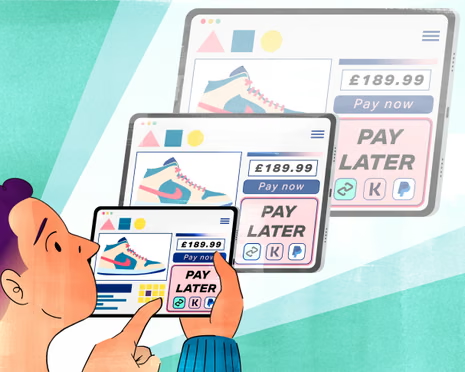
Buy now, pay later has become one of the most popular ways for people to spread the cost of purchases. It allows shoppers to buy items immediately while deferring payment into manageable instalments over weeks or months. Typically, the purchase cost is divided into three or four payments, and when followed responsibly, it remains interest-free and fee-free, which makes it attractive to millions of UK consumers. This flexible payment method has surged in popularity across both online and physical stores, often offered at the checkout by major retailers. Klarna, Clearpay, and PayPal dominate the UK market, with each providing slightly different repayment options and sometimes exclusive app-based deals to encourage usage.
Despite its appeal, financial experts warn that buy now, pay later can create difficulties if users treat it like free money rather than a short-term loan. At least eleven million people in the UK use BNPL, but regulators have highlighted risks including late fees, debt accumulation, and credit score damage. Sebrina McCullough, from Money Wellness, emphasises that missing even a single payment can lead to unnecessary stress and financial penalties. She advises treating BNPL as a serious commitment rather than an effortless purchase option, as failing to do so can quickly lead to spiralling debt problems that affect long-term financial health.

The regulatory environment for buy now, pay later is set to change significantly this year. The Financial Conduct Authority will begin overseeing BNPL products from 15 July, introducing stricter consumer protections. Lenders will be required to carry out affordability checks for every purchase, provide clear upfront information about repayments, and offer support to customers in financial difficulty. Consumers will also gain the ability to escalate complaints to the Financial Ombudsman Service if issues arise. For those who have not yet used BNPL, delaying its use until after these regulations come into effect may provide greater safety and support.
Buy now, pay later’s main benefit lies in its simplicity and cost-effectiveness when used responsibly. Unlike other credit options, it is often interest-free if payments are made on time, making it ideal for short-term budgeting. Nevertheless, comparison with other borrowing methods such as 0% credit cards or bank overdrafts remains worthwhile. Martin Lewis’s MoneySavingExpert.com website highlights that a 0% credit card can allow larger purchases over extended periods without interest, while some banks offer interest-free overdrafts of limited amounts. Individual circumstances, including income, spending habits, and future financial obligations, should guide the choice between BNPL and other credit options. Government-backed resources like MoneyHelper also offer tools to assist consumers in choosing the most suitable borrowing method for their needs.
Experts recommend careful consideration before using BNPL. Andy Webb, from Be Clever With Your Cash, suggests questioning the necessity of a purchase if funds are not immediately available. Saving and delaying purchases can often lead to a healthier bank balance and reduce financial stress. If a purchase is essential, planning repayments in advance is crucial to avoid late fees and credit issues. Using BNPL responsibly requires understanding the payment schedule and ensuring funds are available for each instalment, as failing to meet obligations can have significant consequences.
Understanding the terms of different BNPL providers is essential. Klarna’s Pay in 3 splits a purchase into three equal payments, with the first taken when the order is shipped and subsequent payments collected thirty and sixty days later. PayPal offers a similar Pay in 3 option, where payments are spread across three consecutive months. Clearpay, meanwhile, collects four payments over six weeks, with the initial payment due at order approval and the remaining three every two weeks. Customers should be aware that payments are typically collected automatically, making it crucial to maintain sufficient funds in linked accounts to avoid fees.
Late fees are one of the most significant risks associated with BNPL. Klarna charges a £5 fee after a seven-day grace period, capped at 25% of the order value with a maximum of two fees per order. Clearpay applies a £6 fee for missed payments and an additional £6 if it remains unpaid seven days later, with fees capped for both low- and high-value orders. PayPal does not levy late fees but warns that missed payments may damage credit records. Some providers, such as Clearpay, offer limited flexibility for delaying payments under specific conditions, which can be helpful for users facing temporary financial difficulty.

Planning repayments carefully is key to using buy now, pay later responsibly. James Daley from Fairer Finance notes that BNPL is most effective for cashflow management when users are confident that funds will be available for upcoming instalments. Setting up direct debit or using a debit card for repayments is recommended, as using a credit card to make BNPL payments may inadvertently create additional debt. Tracking expenses, noting payment due dates, and utilising provider apps for reminders can help maintain timely payments and prevent accidental fees. Borrowing to cover BNPL repayments should be strictly avoided, as this can escalate debt and complicate financial management.
Limiting the number of active BNPL arrangements is also essential. Multiple concurrent plans can create confusion and increase the likelihood of missed payments. Money Wellness reports that juggling several BNPL accounts alongside existing debts often leads to stress and missed deadlines. Niall Alexander from Fair4All Finance highlights that while many users manage BNPL responsibly, the ease of access can attract individuals already under financial pressure. Keeping purchases planned, affordable, and tracked helps maintain control and prevents the pitfalls associated with overusing BNPL options.
Ultimately, buy now, pay later can be a safe and convenient tool when treated with caution, planning, and discipline. Understanding the payment terms, keeping track of schedules, avoiding borrowing to cover payments, and limiting active arrangements can prevent debt problems. With upcoming regulatory changes, consumers can expect additional protection and support, making it even easier to use BNPL responsibly. Combining awareness of terms, financial discipline, and realistic assessment of personal budgets ensures that BNPL serves its intended purpose as a flexible, interest-free payment solution. By following these strategies, users can enjoy the benefits of buy now, pay later without encountering unnecessary stress or financial setbacks.
Related News:
 Peterborough Mosques Tighten Security After Attack
 Reeves Faces Setback as Labour May Miss Homes Target
 Hospice Cuts Raise Alarm Across England Amid Funding Crisis
 Kate Winslet to Narrate Film Highlighting King’s Environmental Mission
 Green Party Surges Past Labour in Latest UK Poll
 Trump’s UK Ambassador Urges North Sea Drilling to Strengthen US Ties
 Children to Learn Local History in Major Curriculum Overhaul
 French Taxi Driver Cleared in David Lammy Theft Case After Fare Dispute
 UK Bans Fake Numbers: Scammers Lose Their Trick
 Prince William Plants Trees with Brazil’s Nature Heroes
 M&S Profits More Than Halve After Cyber-Attack
 Kent village told to remove flags before Christmas lights go up
 Patients to Test Health at Home to Ease NHS Winter Pressure
 King Charles to Lead Nation in Remembrance Sunday Service
 Palace May Restore Hyphen to Andrew Mountbatten-Windsor’s Name
 Millionaires group urge Reeves to introduce wealth tax to ‘lift kids out of poverty’
 Starmer Faces Growing Dissent as Labour MPs Weigh Leadership Challenge
 Shouting Works Best to Deter Gulls, UK Study Finds
 Reeves rejects £1bn plea for NHS redundancy payouts
 Northern Lights may illuminate UK skies this week
 PM Condemns Leaks, Vows Loyalty to Ministers and Stability
 Son Reveals UK Couple in Iran Resort to Hunger Strike for Help
 Major Rent Reform Ends No-Fault Evictions in England
 Former Lion Heskey Warns of Shortage of England Strikers
 Criminal Gangs Pose as Truckers to Hijack UK Supply Chains
 Stroke Patient Mistaken for Drunk, Care Delayed
 Van Dwellers Face Eviction After Park Misuse Sparks Outcry
 ‘Traumatic Wait’: Northern Ireland Women Face Breast Cancer Delays
 Serial Rapist and Former Cop Found Guilty Again
 Royal Navy Shadows Russian Warships Entering the Channel
 Inside the Helpline Protecting Missing Children in the UK
 Most Tories Expect to Support a Farage-Led Government
 Boots Showstopper Beauty Bundle Outshines Many Advent Calendars This Holiday Season
 Labour’s ‘blinkered’ drive to build risks pushing wildlife to point of no return, nature experts warn
 PlayStation PS5 Deals Hit Lowest Prices Ahead of Black Friday
 Karen Carney Stuns on Blackpool Week, Deserves Strictly Final
 Five-Year-Old Dies After Rare Tonsil Surgery Complication
 Fibromyalgia Patients Struggle as NHS Fails to Provide Care
 Starmer Says Labour’s Economic Plan Needs Years to Deliver
 Virgin Media Fined £23.8m Over Telecare Safety Failures
 More Patients Now Contacting GPs Online, Data Shows
 UK unemployment rises to four-year high of 5.1% before budget
 Wiltshire Police Use Lasso to Catch Rampaging Village Goat
 Children to Receive Home Vaccines as England Acts
 Cambridge College Faces Backlash Over Private School Recruitment
 NHS Violence Crisis: Staff Face Daily Assaults
 Celebrity Campaign Highlights SMA Screening Failures
 Bereaved Fathers Gain New Paternity Leave Rights in UK
 Storm Goretti leaves Cornwall homes without power
 New Documentary Examines Teen’s Zombie Knife Murder
 Woman Jailed for Life After Killing E-Bike Rider in Tragic Mistaken Identity Case
 Right Must Unite After Jenrick Defection, Urges Rees-Mogg
 UK Ministers Drop Foreign Student Targets for Global Education Push
 No Gas Boiler Ban as UK Warm Homes Plan Backs Heat Pumps
 UK Glaucoma Rise Signals Looming Eye Health Crisis by 2060
 Shinzo Abe’s killer receives life sentence in Japan
 Police response times face strict new national limits
 Edinburgh, Glasgow Lead UK Nightlife Hotspots, Uber Data
 Labour policing overhaul sparks fears over growing central control
 Devon hosts first high-density hydro power system
 Pornhub blocks new UK users over age checks dispute
 Starmer warns of toxic division politics in Reform challenge
 UK New Car Discounts Near £6,000 as Prices Are Slashed
 Pneumonia Surge Pushes England Emergency Cases Higher
 Palantir contracts face UK halt calls over transparency
 Send spending gap leaves deprived areas behind
 Hidden Crisis: Domestic Abuse Suicide Toll in UK
 Farage to Name Jenrick as Reform Chancellor Pick
 UK MPs Demand Ban on Brazilian Butt Lifts
 Civil Service Pay: Union Urges Ministers to End ‘Barking Mad’ Limits
 Antonia Romeo appointment sparks criticism
 Farage Chagos Islands Row Sparks Fury
 UK Job Vacancies Hit Five-Year Pandemic Low
 UK Youth Unemployment Surges Amid Tax Changes
 Reform UK targets workers’ rights repeal
 Half of Britons Avoid GP When Ill, Survey Reveals Growing Concern
 Strong Rebound for UK Housing Market Sees 6% More Homes
 Russian Trade Routed Through British Islands Exposed
 Mandelson Arrest: Met Apologises to Hoyle
 Rolling Hills and Heritage: A Car-Free Break in Leicestershire