Published: 26 February 2026. The English Chronicle Desk. The English Chronicle Online.
The global community once believed Ukraine would fall within a few days of the invasion. This assumption ignored the profound resilience of the people and their military forces today. Vladimir Putin now faces a reality he likely never imagined four years ago. His original goals for a swift victory have vanished into a long struggle. The war has entered its fifth year with no clear resolution in sight. Russia holds a massive advantage in resources but cannot find a decisive win. Its population is three times larger than the neighbor it chose to attack. The Russian economy remains ten times the size of the Ukrainian domestic market. These numbers suggest a strength that has not appeared on the actual battlefield.
Ukraine continues to stand firm despite the immense pressure from the Kremlin’s forces. The will to fight remains the most significant factor in this ongoing war. Experts originally predicted a total collapse of the defending army within a week. US and British intelligence services accurately saw the buildup of Russian troops early. However, even those advanced agencies underestimated how hard the local soldiers would fight. Putin expected a quick capitulation and perhaps even a warm welcome for his men. Instead, he met a wall of fire and a unified national identity. The human cost of this conflict has been staggering for both nations involved. Ukraine has faced between five hundred thousand and six hundred thousand total military casualties.

These figures include over one hundred thousand brave soldiers who gave their lives. Russia has suffered even more significantly according to various international monitoring groups today. Verified records suggest over two hundred thousand Russian deaths since the invasion started. Total Russian casualties might exceed one million when including all the injured personnel. Roughly twenty-four thousand pieces of Russian military equipment have been destroyed or seized. No one expected such massive losses for a superpower like the Russian Federation. This level of destruction has forced the Kremlin to change its original plans. Putin must now explain these losses to a public facing rising economic costs.
Civilians in the targeted nation have shown incredible bravery during the coldest months. Russia repeatedly targeted the electricity grid during the winter of two thousand twenty-two. This tactic left millions of people without light or heat in freezing weather. This most recent winter has proven to be even more difficult for families. Thousands of drones and missiles have rained down on cities and power stations. The defense systems available are not enough to stop every single incoming strike. Yet the people maintain a simple and powerful reason for their continued resistance. They believe they have no choice but to fight to ensure survival. No Russian soldier feels their own home is under a similar existential threat.
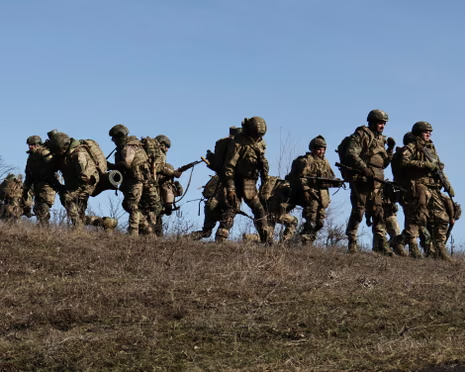
On the front lines, the use of drones has changed modern warfare forever. These small flying machines prevent traditional large-scale armored movements across open fields now. It is suicide to move tanks in a world where drones see everything. This technological shift has trapped the Russian army in a slow war of attrition. Neither side can easily gather enough forces for a massive and fast breakthrough. Russian commanders have tried to adapt by using smaller groups of infantry instead. They sometimes use motorbikes or even horses to move supplies to the front. This shows how desperate the logistics have become for the invading forces today. Ukraine maintains a qualitative edge in drone technology thanks to its tech-savvy citizens.
Domestic production of missiles has also allowed the defenders to strike back harder. New models like the Long Neptune and Flamingo are hitting very distant targets. These strikes focus on Russian command posts and large ammunition depots located deep. More than half of Russia’s major oil refineries have been hit recently. This has caused fuel shortages and price hikes within the Russian domestic market. Such actions disrupt the logistics needed to keep an invading army moving forward. The Black Sea fleet has also suffered major losses from sea-based drone attacks. After sinking the flagship Moskva, Ukraine forced the navy to move away. The Russian headquarters moved from Crimea to the eastern coast of the sea.
Russian forces have failed to use their numbers to take land quickly. Since the start of twenty-twenty-four, the pace of their advance has slowed significantly. In some key areas, the average daily gain is only seventy meters. This tiny progress comes at a cost of thirty-five thousand casualties every month. Taking a single small town now requires months of heavy and bloody fighting. To take the rest of the Donbas region, Russia must breach fortifications. Urban warfare is always a very slow and extremely violent process for everyone. Ukraine faces its own serious problems including a shortage of fresh military troops. Many young men are trying to avoid the draft as the war drags.
The Western media often suggests that Russia has an endless supply of men. This is not entirely true based on the latest recruitment data from Moscow. The Kremlin is now hiring foreign fighters from Africa and Central Asia today. They have even brought in thousands of soldiers from North Korea for help. These actions show that internal recruitment is becoming more difficult for the government. Moscow must pay very large bonuses to convince its own citizens to enlist. Despite these issues, the Russian economy has not collapsed under international trade sanctions. Putin still has plenty of firepower and many more shells than his opponent. He has recently proposed a new deal to end the fighting for now.
This proposal suggests that Putin is starting to realize his current military limits. He wants Ukraine to hand over territory his army has not yet taken. He claims his troops are advancing everywhere, but the maps show very little. His generals might be giving him reports that are not entirely based on fact. Many Western accounts of the war also rely on inaccurate or biased data. President Zelenskyy has rejected any deal that involves giving away his country’s sovereign land. Public opinion polls show that most citizens still support this very tough stance. They are tired of the war but unwilling to surrender their future freedom. The conflict remains a test of will between two very different national visions.

The international community continues to watch this struggle with a mix of awe. Support from allies remains a critical part of the defensive strategy for Kyiv. Without external aid, the situation would look much worse for the smaller nation. Putin seems to be betting that the West will lose interest eventually. He hopes that political changes in other countries will stop the flow of weapons. If he can outlast the patience of the world, he might still win. However, the resilience of the people he attacked has proven to be quite durable. They have built a new sense of identity through this shared national struggle. The war is far from over, but the original Russian plan failed.
The future of the region depends on which side can endure more pain. Putin has tied his entire political legacy to the outcome of this invasion. A clear defeat would be a disaster for his control over the country. This is why he continues to push forward despite the massive human costs. Ukraine is fighting for its right to exist as an independent state. This motivation is much stronger than anything driving the Russian soldiers on the ground. History shows that highly motivated defenders can often defeat much larger invading forces. The next year will be crucial for determining the final borders of Europe. The world must decide how much it values the principle of national sovereignty.
Related News:
 British Woman in Iran ‘Losing Hope’ Amid Ongoing Detention
 BBC Journalist Held and Interrogated in Vietnam
 UK University Suspends Human Rights Research Following Pressure from China
 UK University Faces Counter-Terror Probe Over China Pressure
 Abigail Spanberger Elected Virginia’s First Female Governor
China-critical UK academics face ‘extremely heavy’ pressure from Beijing
Abigail Spanberger Elected Virginia’s First Female Governor
China-critical UK academics face ‘extremely heavy’ pressure from Beijing
 BBC to Apologise Over Edited Trump Speech Amid Backlash
 Britain deploys RAF specialists to assist Belgium with drone threats
 Ukraine-Russia war latest: Putin’s troops exploit bad weather to force Kyiv withdrawal from multiple towns
 Trump Claims Victory as Longest Shutdown Ends
 Hamas Fighters in Gaza Tunnels Stall Ceasefire Progress
 US Justice Department Files Lawsuit Against California Over Partisan Voting Maps
 Greene Pushes Epstein Files Amid Trump Fallout
 Trump Deploys DHS to Charlotte in Major Arrest Operation
 December Run-Off in Chile as Election Produces No Winner
 Canada Passes Carney’s First Budget in Tight Parliamentary Vote
 Why Russian Liberals Push Strongly Pro-Israel Narratives
 Shadow Fleet at Sea: Europe’s Battle Against Illicit Oil Shipping
 Rama Rebukes Mahmood for Targeting Albanian Families
 Russian Vessel Used Lasers on RAF Pilots, UK Claims
 Pentagon Officials in Ukraine to Discuss War End
 Venezuela Threatens Nobel Winner Machado with Fugitive Status
 Texas Governor Faces Lawsuit From CAIR
 Trump Envoy to Discuss Ukraine Peace at Kremlin
 Pope Leo XIV Begins Historic Trip to Turkey and Lebanon
 Georgians Defy Government Crackdown After Year of Protests
 India’s Labour Law Overhaul Sparks Fierce Debate
 Video shows Israeli troops kill Palestinians after surrender
 Chinese & Japanese Boats Clash Near Disputed Islands
 EU plans $105bn Ukraine aid using frozen Russian assets
 Global campaign launched to free Palestinian leader Barghouti
 UK Aid Cuts Could Undermine Global Influence, Experts Warn
 Thailand and Cambodia Agree Ceasefire After Weeks of Deadly Clashes
 Russia losses Ukraine war peace talks intensify amid rising deaths
 Zelenskyy Accuses Russia of Sabotaging Peace Talks
 Trump ‘Not Worried’ as China Conducts Massive Taiwan Wargame
 Khaleda Zia Laid to Rest with State Honour in Dhaka
 Maduro Faces Court in New York Over Drugs and Weapons Case
 Albanese Opens Door to Bondi Royal Commission Amid Rising Pressure
 Trump Escalates Minnesota Immigration Surge Amid Rising Tensions
 Iran Protesters Defy Crackdown as Violent Clashes Intensify
 Iran Leader Blames Protesters, Says They Serve Trump
 Trump Eyes Strong Military Options Amid Iran Protest Crackdown
 Trump Threatens Strong Action If Iran Executes Protesters
 Machado Trump medal gesture reshapes Venezuela power struggle
 Trump Receives Machado’s Nobel Medal in White House Meeting
 EU weighs response amid Greenland tariff crisis with Trump
 US Considers Asylum for British Jews Amid Rising Antisemitism
 ICE street raids expose a chilling future for public freedoms
 US Africa aid remarks spark anger after leaked State email
 Trump Launches “Board of Peace” Amid Global Diplomacy Push
 EU Says US Ties Have Suffered ‘Big Blow’ After Greenland Crisis
 Andrew Hastie Emerges as Leadership Rival to Ley
 Russia Strikes Kyiv and Kharkiv as Peace Talks Enter Day Two
 Starmer China visit underscores clear-eyed national security stance
 Starmer China visit raises human rights pressure on Beijing
 Israel Moves to Bar MSF From Gaza Operations
 Mandelson resignation shakes Labour over Epstein row
 Cory Bernardi joins One Nation for SA election
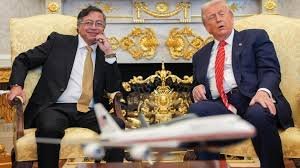 Trump Praises ‘Terrific’ Petro After White House Talks
 Sydney Protest Escalates and Elderly Woman Suffers Severe Injury
 Tarique Rahman’s Rise Toward Bangladesh’s Top Job
 Glass Cliff Debate After Ley’s Ouster
 Japan Seizes Chinese Boat Amid Rising Tensions
 Australian Families Leave Syrian Camp for Home
 Trump Attacks UK-California Energy Pact
 Kim Jong-un Unveils Housing for War Families
 Trump and Chagos Deal Rift Over Iran Strikes
 Andrew Mountbatten-Windsor Arrest After FBI Radar
 Andrew Arrest Sparks Republic Debate in Australia
 Global corruption crisis: Who Washington shields
 Duterte ICC Hearing Begins Amid Defiance
 Farage Chagos Islands Row Sparks Fury
 Trump Tariffs Threat Spark UK and EU Alarm
 Albanese on One Nation and Pocock Attack
 The Dangerous Rise of Remigration Across Modern Europe
 Trump’s Marathon Speech Fails to Mask a Growing National Disconnect
 Trump Speech Sparks Intense Debate Across Divided America
 Jacinda Ardern Moves To Australia Following Her US Fellowships
 US to offer passport services in West Bank settlements