Published: 28 February 2026. The English Chronicle Desk. The English Chronicle Online
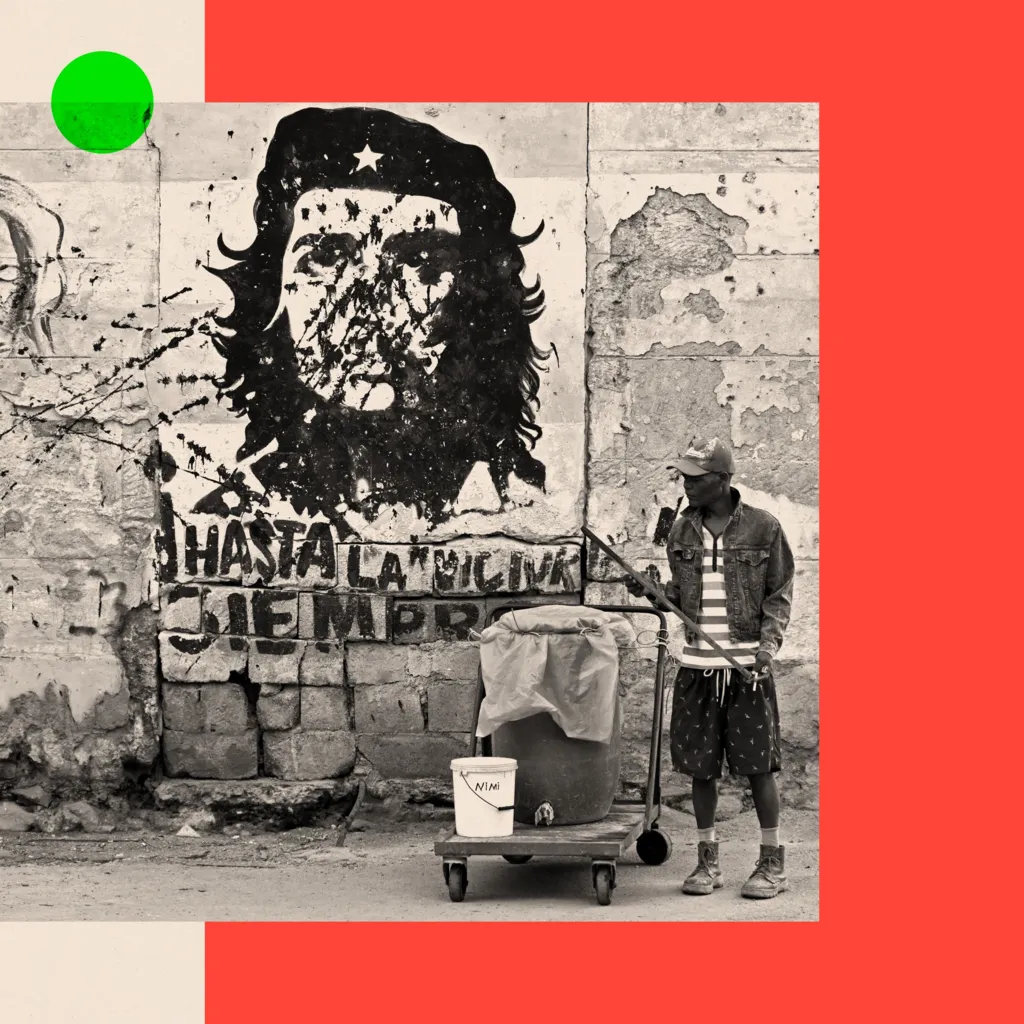
The Cuban Revolution — the century’s longest‑standing socialist project — is confronting one of the most profound challenges in its history as severe blackouts, fuel shortages and humanitarian strain converge with external pressure and internal hardship. A combination of tightened US sanctions, dwindling fuel supplies and strains on public services has transformed daily life for millions of Cubans and raised serious questions about the regime’s resilience.

At the centre of the crisis is a worsening energy emergency. Capital Havana and other major cities are experiencing blackouts that can extend 15 hours or more each day, leaving hospitals, schools and basic infrastructure without reliable power. The scarcity is tied to a deepening fuel deficit, with Cuba historically reliant on imports to feed its electrical grid and transport systems.
The lack of fuel has crippled public services, including transportation and garbage collection, and disrupted food distribution chains. Images of overflowing rubbish on streets and shuttered schools present a stark contrast to Cuba’s proud legacy of universal healthcare and education that has endured since the 1959 revolution.
International observers attribute much of the pressures to recent economic and geopolitical manoeuvres. The Trump administration’s policies have tightened an already longstanding US embargo, including measures to restrict oil supplies — historically imported from allies such as Venezuela — which were abruptly curtailed after the arrest of Nicolás Maduro. These actions have limited access to essential fuel, amplifying shortages, and emerging blackouts.
The humanitarian dimension has sparked international responses. Mexico has already dispatched substantial emergency aid — including powdered milk and hygiene supplies — and Canada is preparing an aid package to help mitigate critical shortages. However, officials warn that without sustained fuel flows, essential services will continue to strain, jeopardising health systems and basic life support mechanisms.
United Nations agencies have voiced alarm over the situation, warning that Cuba risks “humanitarian collapse” if fuel needs are not systematically met. Hospitals are operating under duress, emergency services are limited by lack of fuel, and water and food systems are stretched to breaking point.
The economic context compounds these pressures. Independent estimates suggest Cuba’s GDP has contracted significantly in recent years, inflation continues to erode purchasing power, and the failure of key sectors such as tourism has reduced foreign exchange inflows. These economic strains — coupled with high energy costs and limited industrial capacity — weaken the state’s ability to maintain comprehensive social programmes once hailed as fundamental achievements of the revolution.
Some analysts frame current policy as strategic pressure designed to weaken the revolutionary government from within, leaving ordinary citizens to bear the brunt of shortages and service breakdowns. Others argue that internal economic mismanagement, declining external support, and structural dependency on imports have made Cuba vulnerable even without external pressure.

For many ordinary Cubans, the question now is not whether the revolution will survive in theory, but how long it can maintain the social contract it has promised for decades amid rising hardship.
Related News:
 Shock US Raid: Maduro Pleads Not Guilty in Manhattan Court
 Israel Dossier Sparks Australian Political Interference Concern
 Trump Says US Will Act on Greenland ‘Whether They Like It or Not’
 Machado Trump medal gesture reshapes Venezuela power struggle
 Trump Receives Machado’s Nobel Medal in White House Meeting
 Iran unrest slows under brutal crackdown and global tensions
 US Considers Asylum for British Jews Amid Rising Antisemitism
 Russia Strikes Kyiv and Kharkiv as Peace Talks Enter Day Two
 Emails Show Epstein Funded Mandelson’s Husband After Jail
 Thousands Protest ICE Operations in Nationwide US Day of Action
 Epstein Files Reveal Trump Officials’ Emails with Financier
 Thousands Protest ICE in New York Against Trump Deportation Campaign
 US Must Be Prudent When Supplying Arms to Taiwan, Xi Tells Trump
 Fears of New Arms Race as US-Russia Nuclear Weapons Treaty Expires
 Britain’s Reliance on China Makes Us ‘Weak Link in the West’, Warn MPs
 UK Has Not Given US Permission to Use RAF Bases for Iran Strikes
 Kinnock’s Rebuke Echoes Loudly as Corbyn Allies Launch Left-Wing Breakaway: “A Gift to Farage”
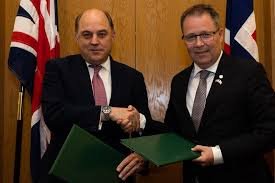 UK and Norway Forge Stronger Ties Through Joint Sanctions and Enhanced Defence Cooperation
 Trump Administration Dismisses 17 Immigration Judges, Sparking Debate Over Judicial Independence
 UK Must Act with Courage and Clarity on Israel-Palestine Conflict, Says Foreign Affairs Committee Report
 Trump Threatens 100% Tariff on Nations Importing Russian Oil Amid India Standoff Over Ukraine War
 Radioactive Leak at UK’s Nuclear Warhead Base Sparks Outcry Over Safety and Secrecy
 Mutual Inconvenience: Why Alaska Was Chosen for the Trump-Putin Summit on Ukraine
 Hong Kong Summons UK and Australian Envoys Following Asylum Grants to Democracy Activists
 Is the UK Ready to Put Boots on the Ground in Ukraine? Assessing Military Capacity and Challenges
 Conservative Influencer Charlie Kirk Fatally Shot During University Debate
 Thousands Gather in London to Protest Donald Trump’s Second UK State Visit
 Channel Crossings Surge: Over 1,000 People Arrive in the UK in Small Boats in a Single Day
 Widow of Charlie Kirk Forgives Killer at Emotional Memorial Service
 Yvette Cooper Signals Global Momentum Towards Gaza Peace Deal Amid Humanitarian Crisis
 Public Trust in SNP Hits Historic Low Amid NHS Concerns
 Johnson Suggests Mandelson Linked to China Spy Controversy
 Rachel Reeves signals welfare reform ahead of key budget
 Russia’s Latest Push to Win US Favors Shows Deep Desperation
 BBC to Apologise Over Edited Trump Speech Amid Backlash
 Britain deploys RAF specialists to assist Belgium with drone threats
 Trump Urges Herzog to Grant Netanyahu Full Pardon
 Indian authorities demolish Kashmir home linked to Red Fort blast
 Greene Pushes Epstein Files Amid Trump Fallout
 Trump Deploys DHS to Charlotte in Major Arrest Operation
 December Run-Off in Chile as Election Produces No Winner
 Canada Passes Carney’s First Budget in Tight Parliamentary Vote
 Shadow Fleet at Sea: Europe’s Battle Against Illicit Oil Shipping
 India’s COP30 Delay Raises Global Climate Concerns
 Georgians Defy Government Crackdown After Year of Protests
 Russia losses Ukraine war peace talks intensify amid rising deaths
 Albanese Opens Door to Bondi Royal Commission Amid Rising Pressure
 Trump Escalates Minnesota Immigration Surge Amid Rising Tensions
 Iran Protesters Defy Crackdown as Violent Clashes Intensify
 Trump Threatens Strong Action If Iran Executes Protesters
 US Senate rejects resolution limiting Trump military powers
 Gulf states warn Trump Iran strikes risk wider Middle East war
 EU weighs response amid Greenland tariff crisis with Trump
 Shinzo Abe’s killer receives life sentence in Japan
 American democracy faces crisis after Trump’s return
 EU Says US Ties Have Suffered ‘Big Blow’ After Greenland Crisis
 Andrew Hastie Emerges as Leadership Rival to Ley
 Cambridge Faces Scrutiny Over Arms Investment Transparency
 Israel Moves to Bar MSF From Gaza Operations
 After the Landslide: Can India Reset Ties with BNP Bangladesh?
 Australian Families Leave Syrian Camp for Home
 Starmer Weighs Fast-Tracking Defence Boost
 Macron Rebuked in Franco-German Defence Row
 Trump Attacks UK-California Energy Pact
 Iran Says ‘Guiding Principles’ Agreed With US at Nuclear Talks
 Nine Arrested in France Over Death of Far‑Right Student
 Indian University Kicked Out of AI Summit for Claiming Chinese Robot Dog as Its Own Invention
 Trump and Chagos Deal Rift Over Iran Strikes
 Andrew Arrest Sparks Republic Debate in Australia
 Australian PM Says Former Prince Andrew Has Suffered ‘Extraordinary Fall’ but That Won’t Prompt Republic Referendum
 Global corruption crisis: Who Washington shields
 Musk Cuts Starlink Access for Russian Forces – Giving Ukraine an Edge at the Front
 Farage Chagos Islands Row Sparks Fury
 How South Korea’s Democracy Rebounded After Martial Law Attempt
 Ukraine Negotiator Reveals What It Feels Like Facing Russia
 Chad Shuts Border With Sudan in Bid to Stop Conflict Spreading
 French Minister Moves to Block US Envoy Kushner from Government Access
 Drugs, Denial, Stigma: Fiji’s HIV Crisis Hits Children
 Has Europe truly learned from the failures of 2022?
 American Citizen Killed in Cuba Boat Shooting, U.S. Officials Say