Published: 27 February 2026. The English Chronicle Desk. The English Chronicle Online.
The solemn atmosphere of a windowless basement in central Berlin now serves a new and urgent purpose for European history. This former air-raid bunker was originally constructed to protect civilians during the height of the second world war in Germany. Today, it has been repurposed to host the globally significant Ukraine Museum which captures the harsh reality of modern conflict. Visitors who enter this historical space are immediately confronted with the terrifying technological nature of contemporary warfare. Before reaching the first exhibit room, a digital installation simulates the experience of being targeted by a drone. A screen displays the perspective of a Russian weapon operator as they prepare to fire a lethal shot. This jarring introduction is designed to bridge the distance between peaceful Berlin and the active front lines. The curators believe that showing the physical reality of the war is essential for maintaining public awareness. They argue that the international community cannot afford to ignore the ongoing struggle within the borders of Europe.
The opening of this Ukraine Museum coincides with the fourth anniversary of the full-scale invasion of sovereign Ukrainian territory. Much of the collection consists of authentic remnants gathered directly from the battlefields by dedicated volunteers and troops. The National Military History Museum in Kyiv provided significant logistical support to ensure the exhibition remained historically accurate. Frontline soldiers from the 7th Rapid Response Corps also contributed items recovered from recent engagements in the Pokrovsk region. This collaboration has resulted in a detailed chronicle that explores the historical origins of the current Russian aggression. Beyond military hardware, the exhibition prioritizes the personal stories of those whose lives have been irrevocably changed. It serves as a moving homage to the resilience and bravery of the Ukrainian people today. The curators want this to be a living exhibition that prevents the public from becoming indifferent. They hope the immersive nature of the bunker will jolt visitors out of any growing war fatigue.

As the only institution of its kind located outside of Ukraine, the museum operates through private funding. The founders have committed to keeping the doors open for as long as the current conflict persists. Every year the war continues is considered one year too many by those managing the daily operations. Curators Wieland Giebel and Enno Lenze are the visionaries behind this project and the broader Berlin Story Bunker. Their previous work involved documenting the complex history of the city during the turbulent middle of the twentieth century. The bunker itself was built in 1942 and remains a nearly indestructible part of the local urban landscape. Lenze and Giebel travel regularly to the front lines to deliver humanitarian aid and vital safety equipment. During these trips, they often bring back new objects to ensure the museum reflects the latest developments. These items range from shrapnel-damaged signs to personal belongings found in liberated villages across the eastern regions.
One of the most heart-breaking displays in the Ukraine Museum is a silver-grey Fiat Scudo van. The vehicle features a shattered windscreen and a large tear in the roof from a direct hit. Blood-spattered seats remain inside the cabin to testify to the violence inflicted upon those who were inside. This van once served as a social taxi used for evacuating elderly residents from the city of Kherson. It was also frequently used to transport sick or injured children to local hospitals for urgent care. Intelligence reports confirmed that a Russian drone deliberately targeted this civilian vehicle in April of the previous year. Footage recovered from a Russian social media channel shows the operator tracking the van before the fatal impact. The attack killed Oleg Salnyk, a young aid worker who was only twenty-eight years old at the time. His face was later used in enemy propaganda videos to falsely claim a successful strike on military targets.
While many died in such attacks, others survived to tell the story of the ongoing humanitarian crisis. Oleg Degusarov was also in the van during the strike but managed to survive the initial explosion. He still carries pieces of metal shrapnel lodged in his neck as a permanent reminder of the event. The museum also displays twenty different Russian drones that were collected with the help of the Ukrainian military. These aircraft hang from the ceiling to show the variety of threats currently filling the skies above Kyiv. Among them is the Molniya drone, which is famously inexpensive to produce using simple household items like tape. Despite its low cost, it is a deadly tool used to drop grenades on unsuspecting civilian populations. Seeing these machines in person helps the public understand the constant surveillance and danger faced by millions. The curators believe that physical proximity to these weapons changes how people perceive news reports from the east.
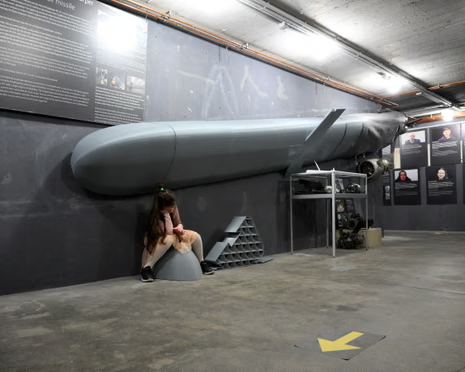
A massive cruise missile has also been reconstructed for the Ukraine Museum using advanced 3D printing technology. The curators were not allowed to import an original unexploded missile due to strict international transport laws. This replica allows visitors to grasp the sheer scale of the munitions being launched at residential apartment blocks. Next to the missile is a large photograph of a destroyed building in the heart of the capital. Roman Sukhan, a former television anchor who became a frontline reporter, helped curate this specific part of the gallery. He lost a close friend, a local doctor, when a missile struck that very building during a night raid. Sukhan emphasizes that the threat of this war is always very close to every European citizen. He hopes the exhibition will convince the German public of the broader danger posed by current leadership. By making the destruction feel tangible, the museum seeks to bolster support for continued international assistance.
Germany has become one of the most significant suppliers of military and diplomatic support for the Ukrainian government. The country currently hosts over one million refugees who fled the violence to seek safety in Western Europe. However, political debates regarding the cost of this support have become increasingly polarized in recent months. The curators of the Ukraine Museum openly admit that they are not neutral in this political discussion. They use the exhibition to warn against the rise of political parties that favor a Russian victory. The displays highlight various public figures who have been accused of downplaying the severity of the Russian threat. Harsh slogans on the walls challenge visitors to decide whether they will help or remain indifferent. This direct approach reflects the personalities of Lenze and Giebel, who are known for their bold statements. They previously gained international fame for placing a wrecked Russian tank directly in front of the Russian embassy.

The involvement of high-ranking former officials has added another layer of authority to the museum’s mission and message. Hanna Maliar, a former deputy defence minister, provided expert guidance during the final stages of the museum’s construction. She believes that documenting these events in real-time is crucial for future justice and historical record. Her advice to the people of Germany is to maintain their historical bunkers and remain vigilant. The museum serves as a reminder that peace is fragile and requires constant effort to preserve. By walking through the dark corridors of the bunker, visitors gain a new perspective on freedom. Each artifact tells a story of loss but also of an incredible will to survive. The founders hope that everyone who leaves the building feels a stronger connection to the people of Ukraine. They believe that education is the most powerful tool against the spread of misinformation and apathy.
As the sun sets over Berlin, the lights inside the bunker continue to illuminate the history of the present. The Ukraine Museum is not just a place for looking back, but a space for active reflection. It challenges the viewer to consider what role they play in the global community during times of crisis. With new items arriving from the front lines every month, the exhibition continues to evolve and grow. It stands as a testament to the fact that the human spirit cannot be easily broken by steel or fire. The curators invite everyone to witness the reality of the struggle for themselves in this unique setting. By preserving these remnants, they ensure that the sacrifices made on the battlefield are never forgotten by history. This museum remains a vital bridge between two nations during one of the darkest chapters of the century.
Related News:
 Top Christmas Books Reads: Classics to Cozy Romcoms
 Just Stop Oil Protesters Convicted Amid Climate Defence Row
 BBC to Apologise Over Edited Trump Speech Amid Backlash
 Britain deploys RAF specialists to assist Belgium with drone threats
 Palace May Restore Hyphen to Andrew Mountbatten-Windsor’s Name
 US Senate Passes Funding Bill to End Historic Shutdown
 US Justice Department Files Lawsuit Against California Over Partisan Voting Maps
 Greene Pushes Epstein Files Amid Trump Fallout
 Trump Deploys DHS to Charlotte in Major Arrest Operation
 December Run-Off in Chile as Election Produces No Winner
 Zelenskyy Signs Fighter Jet Deal Amid Russian Drone Attacks
 Orban Says Ukraine Has ‘No Chance’ as EU Support Continues
 Canada Passes Carney’s First Budget in Tight Parliamentary Vote
 Israeli Strike Kills 13 Near Palestinian Camp in Lebanon
 Shadow Fleet at Sea: Europe’s Battle Against Illicit Oil Shipping
 Tiny Curacao Makes History as Smallest Nation to Reach World Cup
 Haiti Qualifies for World Cup Despite Coach Never Visiting Country
 Deadly Russian Strikes Hit Western Ukraine, 20 Killed in Ternopil
 Pentagon Officials in Ukraine to Discuss War End
 Ukraine Peace Plan: Zelensky Ready for Dialogue
 Vietnam Battles Deadly Floods as Rains Continue
 Venezuela Threatens Nobel Winner Machado with Fugitive Status
 At Least Three Dead in Bangladesh Earthquake
 Royal Navy Shadows Russian Warships Entering the Channel
 Israel Confirms Hamas Returned Dror Or’s Body
 US Suspends Afghan Immigration After White House Shooting
 Two National Guard Soldiers Critically Injured Near White House
 Georgians Defy Government Crackdown After Year of Protests
 Southern Lebanon reels as Israeli strikes shatter communities
 Sri Lanka Floods Leave 56 Dead, Dozens Missing
 Tokyo court rules Japan’s same-sex marriage ban constitutional
 ‘Extinct’ Antelope Returns to Sahara, Bringing Hope
 EU plans $105bn Ukraine aid using frozen Russian assets
 American Mother Extradited From UK to U.S. on Murder Charges
 Russia losses Ukraine war peace talks intensify amid rising deaths
 Facebook Slow to Remove Bondi Attack Praise, Anti-Hate Group Claims
 Australian Cruise Ship Freed After Reef Grounding in Papua New Guinea
 US Cities Erupt in Protests Against Trump’s Venezuela Military Action
 Albanese Opens Door to Bondi Royal Commission Amid Rising Pressure
 Trump Escalates Minnesota Immigration Surge Amid Rising Tensions
 Iran Protesters Defy Crackdown as Violent Clashes Intensify
 US Clears Nvidia AI Chip Sales to China in Policy Shift
 Trump Threatens Strong Action If Iran Executes Protesters
 Gulf states warn Trump Iran strikes risk wider Middle East war
 Machado Trump medal gesture reshapes Venezuela power struggle
 EU weighs response amid Greenland tariff crisis with Trump
 Syria President Declares Victory as Ceasefire Reached with SDF
 Sydney Shark Attack Surge Shocks Australia Beaches
 ICE street raids expose a chilling future for public freedoms
 Thousands Flee Cambodia Scam Centres Amid Global Pressure
 EU Says US Ties Have Suffered ‘Big Blow’ After Greenland Crisis
 Andrew Hastie Emerges as Leadership Rival to Ley
 Starmer China visit raises human rights pressure on Beijing
 US Launches Multi-Day Air Drills Amid Rising Iran Tensions
 Videos reveal earlier clash before Alex Pretti shooting
 China Executes 11 Linked to Myanmar Scam Networks
 UK New Car Discounts Near £6,000 as Prices Are Slashed
 Israel Moves to Bar MSF From Gaza Operations
 Tragic Ski Lift Accident Claims Australian Snowboarder
 Thousands Left Without Heating in Ukraine Amid Russia Strikes
 Trump Praises ‘Terrific’ Petro After White House Talks
 Portugal Election Delivers Socialist Win as Far Right Surges
 Sydney Protest Escalates and Elderly Woman Suffers Severe Injury
 Tarique Rahman’s Rise Toward Bangladesh’s Top Job
 Australian Families Leave Syrian Camp for Home
 SA Police Intensify Search in Gus Lamont Case
 Trump Attacks UK-California Energy Pact
 Kim Jong-un Unveils Housing for War Families
 Trump and Chagos Deal Rift Over Iran Strikes
 Andrew Arrest Sparks Republic Debate in Australia
 Global corruption crisis: Who Washington shields
 El Mencho Killed as Mexico Faces Violence
 Farage Chagos Islands Row Sparks Fury
 Gold Rush in Gugulethu Leaves South Africans Desperate for Work and Hope
 Greenpeace $345m Ruling Sparks Appeal Battle
 Hilary Knight speaks out on Trump’s recent hockey remarks
 Trump Speech Sparks Intense Debate Across Divided America
 Jacinda Ardern Moves To Australia Following Her US Fellowships
 Has Europe truly learned from the failures of 2022?
 Social Media Trial: Woman Says Addiction Began at Six