Published: March 3, 2026 . The English Chronicle Desk . The English Chronicle Online
In a further indication of the ongoing political and military shake‑up in Beijing, China’s top political advisory body has formally voted to remove three retired military generals from its ranks, state media reported on Tuesday. The decision, taken by the Standing Committee of the Chinese People’s Political Consultative Conference (CPPCC), comes amid an intensifying internal campaign to reshape the People’s Liberation Army (PLA) leadership and consolidate political control ahead of the annual “Two Sessions” meetings.

According to official bulletins carried by Chinese state press, retired generals Han Weiguo, Liu Lei and Gao Jin were stripped of their membership of the CPPCC and their respective committee roles on March 2. The advisory body did not publicly specify reasons for the removals, but such expulsions traditionally reflect a combination of disciplinary investigations, political realignments or erosion of standing within the Communist Party of China’s (CPC) senior ranks.
Han Weiguo, once commander of the PLA Ground Forces and a prominent figure in Beijing’s military hierarchy, was among the leading names affected. His removal has drawn attention from international analysts because of the symbolic impact of sidelining a figure who previously held influence in strategic army planning. Liu Lei and Gao Jin, also retired senior officers, were similarly removed from advisory roles that carry political discretion far beyond formal legislative authority.
The CPPCC’s vote follows a series of high‑profile dismissals and expulsions across China’s military and political structures in recent months. Last week, China’s National People’s Congress (NPC), the country’s nominally legislative body, stripped nineteen of its deputies — including nine military officers — ahead of the opening of this year’s session in Beijing. These moves cut the representation of PLA personnel in formal state organs and underscored the strength of the ruling party’s anti‑corruption and loyalty enforcement efforts within its armed forces.
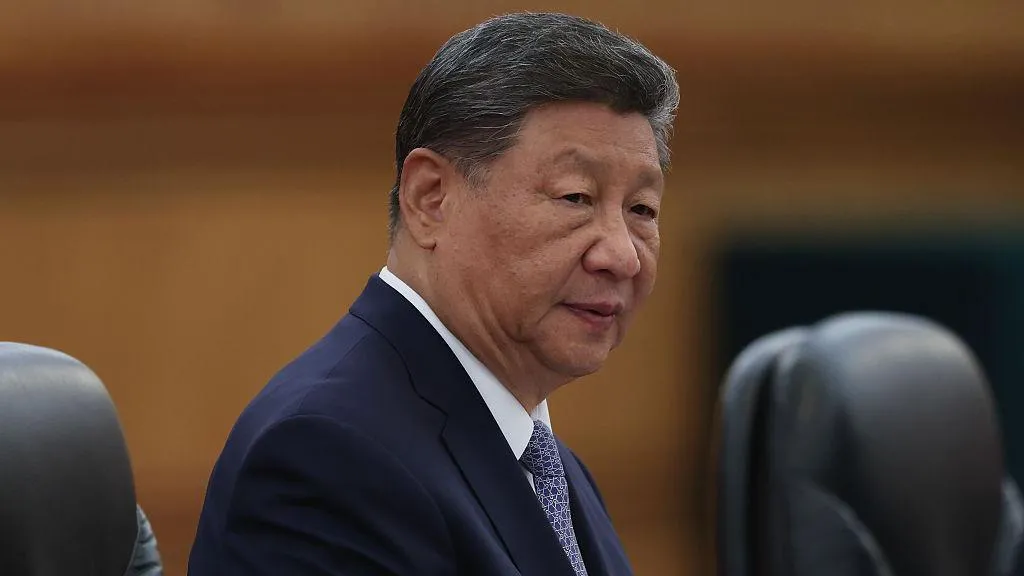
President Xi Jinping has overseen a sweeping campaign against corruption and perceived factionalism within the PLA since he assumed leadership of the CPC more than a decade ago. While China’s official statements emphasize graft eradication and integrity reinforcement, foreign analysts see the purge as also serving broader political objectives: curtailing internal dissent, tightening the party’s grip on the military, and positioning loyalists ahead of critical policy deliberations at the Two Sessions.
Beijing’s anti‑graft efforts within the armed forces have already impacted the very top of the military hierarchy. Earlier in 2026, state authorities confirmed corruption investigations into senior generals such as Zhang Youxia, vice chairman of the Central Military Commission (CMC), and Liu Zhenli, chief of staff of the CMC Joint Staff Department. These probes, and subsequent dismissals, represent some of the most significant disruptions in the PLA’s command structure since reforms initiated under Xi’s leadership.
Institutional observers note that the CPPCC’s advisory status does not confer direct executive or legislative power. It operates as a consultative organ within China’s unique political system, offering advice on policy and party direction rather than enforcing laws. Nonetheless, membership in the CPPCC has long served as a platform for retired military leaders to retain prestige, influence national discourse, and maintain networks within the party elite. The removal of three such figures signals not only a shift in the military’s post‑service role but also a narrower space for alternative voices within China’s unified political front.
Critics outside China question the opacity surrounding these disciplinary actions. Beijing routinely uses the language of “serious violations of discipline and law” when announcing expulsions or removals, a phrase that often blends allegations of corruption with broader political judgments. Because official accounts rarely provide granular detail, independent verification of specific charges or the substantive evidence against individual generals remains difficult.
Supporters of Xi’s campaign argue that tightening discipline within the military is essential to modernising the PLA, ensuring compliance with the party’s strategic direction, and maintaining stability at a time of complex external tensions. China’s defence strategy, including its growing capabilities and assertiveness in regional disputes, depends on a cohesive command structure aligned with Beijing’s political priorities.

Looking ahead, the unfolding personnel changes in China’s advisory and legislative bodies are expected to reverberate through the country’s political landscape as the Two Sessions convene. These annual meetings, which bring together thousands of delegates to set national policies and development goals, serve as a formal stage for unveiling economic, social and military strategies for the coming year. Analysts suggest that the purge’s timing — immediately ahead of the sessions — reflects the party’s intent to present a unified front and solidify Xi’s authority before deliberations commence.
Related News:
 After the Landslide: Can India Reset Ties with BNP Bangladesh?
 China Strikes at Japan’s Core — Will PM Takaichi Back Down?
 Japan’s Lost “Tigers” Were Actually Lions, Study Reveals
 India Sentences Three Men to Death for Attack on Israeli Tourist and Hosts
 Japan Braces as Takaichi Begins New Term with Huge Mandate for Low‑Tax, Ultra‑Conservative Agenda
 South Korea’s Ex-President Faces Death Penalty in Insurrection Trial
 US and Indonesia Finalise Deal to Cut Tariffs to 19%
 Mystery Donor Gives Japanese City $3.6 Million in Gold Bars to Fix Water System
 Kim Jong Un Reappointed as Ruling Party Chief
 Major 7.1 Earthquake Strikes Off Malaysian Tourist Coast
 Brit Killed in Horror Bus Crash as 18 Others Die and 25 Injured
 The Taekwondo Teacher Tasked With Healing India’s Troubled State
 Japan to Deploy Missiles on Island Near Taiwan by 2031
 German Chancellor Lands in Beijing for Inaugural China Trip
 Why Asian Firms Are Not Cheering Trump Tariff Ruling
 Why Asian Firms Are Not Cheering Trump Tariff Ruling
 Pakistan Strikes Afghanistan as PM Says Forces Ready to ‘Crush’ Taliban
 Nine Killed in Karachi Consulate Protest
 Could Kim’s Teen Daughter Become North Korea’s Next Leader?
 Rap Star May Beat Ex‑PM — What This Says About Nepal’s Gen Z
 UK Must Act with Courage and Clarity on Israel-Palestine Conflict, Says Foreign Affairs Committee Report
 Tottenham Takes On Newcastle
 Radioactive Leak at UK’s Nuclear Warhead Base Sparks Outcry Over Safety and Secrecy
 Terence Stamp, ’60s British Film Legend and Star of Superman, Dies at 87
 Hong Kong Summons UK and Australian Envoys Following Asylum Grants to Democracy Activists
 Is the UK Ready to Put Boots on the Ground in Ukraine? Assessing Military Capacity and Challenges
 Channel Crossings Surge: Over 1,000 People Arrive in the UK in Small Boats in a Single Day
 Macron Phones Trump Over Traffic Jam in New York
 Comey Indictment Deepens Fears of Political Retribution Under Trump
 Yvette Cooper Signals Global Momentum Towards Gaza Peace Deal Amid Humanitarian Crisis
 “It Was Very Tough, But I Love Life”: Former Israeli Hostage Rebuilds Life After Family Killed by Hamas
 Chaos at Ibrox as Martin’s Rangers Era Comes to an End
 Nobel Prize Honours Pioneers Behind Materials That Could Heal the Planet
 Trump Claims Modi Has Agreed to Halt Russian Oil Imports Amid Heightened US Pressure
 Russia’s Latest Push to Win US Favors Shows Deep Desperation
 BBC to Apologise Over Edited Trump Speech Amid Backlash
 Britain deploys RAF specialists to assist Belgium with drone threats
 Trump Urges Herzog to Grant Netanyahu Full Pardon
 Indian authorities demolish Kashmir home linked to Red Fort blast
 Greene Pushes Epstein Files Amid Trump Fallout
 December Run-Off in Chile as Election Produces No Winner
 Zelenskyy Signs Fighter Jet Deal Amid Russian Drone Attacks
 Shadow Fleet at Sea: Europe’s Battle Against Illicit Oil Shipping
 Tiny Curacao Makes History as Smallest Nation to Reach World Cup
 India’s COP30 Delay Raises Global Climate Concerns
 US Suspends Afghan Immigration After White House Shooting
 Georgians Defy Government Crackdown After Year of Protests
 ‘Extinct’ Antelope Returns to Sahara, Bringing Hope
 Facebook Slow to Remove Bondi Attack Praise, Anti-Hate Group Claims
 Trump Weighs Response to Iran Crackdown as Tehran Says Communication Open With US
 US Clears Nvidia AI Chip Sales to China in Policy Shift
 Gulf states warn Trump Iran strikes risk wider Middle East war
 Sydney Shark Attack Surge Shocks Australia Beaches
 EU Says US Ties Have Suffered ‘Big Blow’ After Greenland Crisis
 UK New Car Discounts Near £6,000 as Prices Are Slashed
 Portugal Election Delivers Socialist Win as Far Right Surges
 Australian Families Leave Syrian Camp for Home
 Starmer Weighs Fast-Tracking Defence Boost
 ‘I Would Scream in My Sleep’: Alawite Women from Syria Tell of Kidnap and Rape
 Snow and Rain Warnings as Cold Snap Continues in the UK
 Nine Arrested in France Over Death of Far‑Right Student
 Indian University Kicked Out of AI Summit for Claiming Chinese Robot Dog as Its Own Invention
 Epstein Eyed Record Label Investment to Access Women, Files Suggest
 How Do You Modernise Mango Farming? India’s Growers Urged to Innovate as Climate Change Hits
 Australian PM Says Former Prince Andrew Has Suffered ‘Extraordinary Fall’ but That Won’t Prompt Republic Referendum
 Farage Chagos Islands Row Sparks Fury
 Duterte Refuses to Attend ICC Pre-Trial Hearing Over ‘Drug War’ Case
Storm Hernando: Edinburgh Airport Flights Cancelled in US Travel Chaos
Duterte Refuses to Attend ICC Pre-Trial Hearing Over ‘Drug War’ Case
Storm Hernando: Edinburgh Airport Flights Cancelled in US Travel Chaos
 Ukraine Negotiator Reveals What It Feels Like Facing Russia
 Chad Shuts Border With Sudan in Bid to Stop Conflict Spreading
 Drugs, Denial, Stigma: Fiji’s HIV Crisis Hits Children
 ‘We’ve been paying for happy endings for Andrew for years’: inside the royal disgrace, biographer says
 Hilary Knight speaks out on Trump’s recent hockey remarks
 Has Europe truly learned from the failures of 2022?
 American Citizen Killed in Cuba Boat Shooting, U.S. Officials Say
 Iran’s Regime Still Intact — Coming Days Will Test Its Survival
 Kidnapping of Foreigners Soars in Africa’s Lawless Sahel Region
 In Maps: Strikes Across Iran and the Middle East
 The Third Day of the US‑Israeli War With Iran
 Brit ‘in Good Spirits’ Amid Dubai Missile Attacks, Stranded but Safe