Published: March 3, 2026 . The English Chronicle Desk . The English Chronicle Online
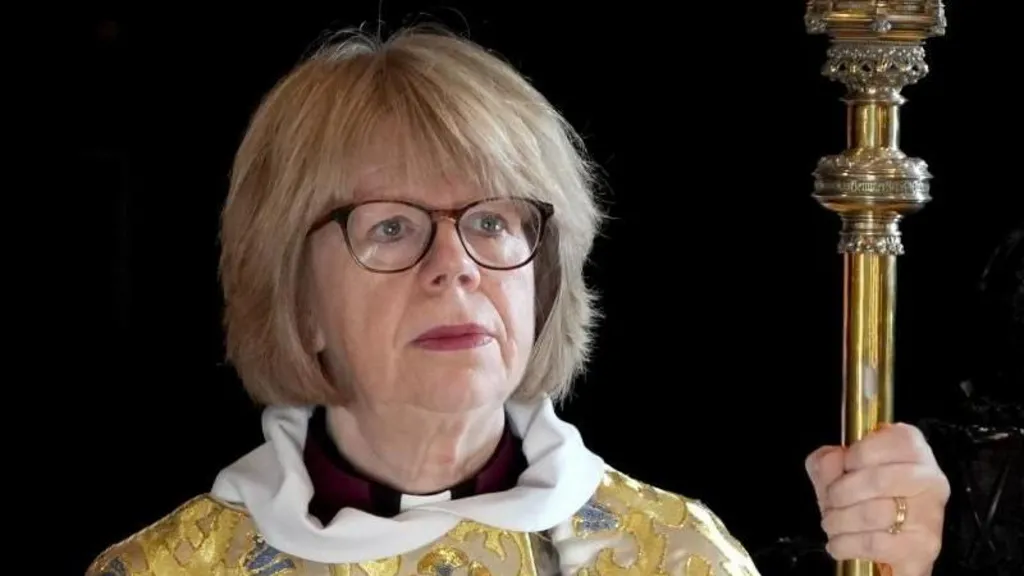
The historic appointment of a woman as leader of the global Anglican Communion has triggered a serious schism within one of the world’s oldest Christian institutions, as conservative clerics gathered in Nigeria to nominate a rival spiritual leader. The move highlights deepening fractures between traditionalist factions and the mainstream Anglican hierarchy over theology, gender roles and authority within the Communion.

In October 2025, Sarah Mullally was confirmed as the 106th Archbishop of Canterbury — and the first woman to hold that office in the 1,400‑year history of the Anglican Communion, a global family of autonomous churches. Her election was welcomed by many progressive clergy and congregants as a milestone for inclusion and reform within the church.
However, the traditionalist network known as the Global Fellowship of Confessing Anglicans (GAFCON) — a coalition of conservative provinces within the worldwide communion — has rejected her leadership and convened its own meeting of clerics in Abuja. There, they have begun the process of choosing a rival bishop to act as an alternative spiritual head, challenging Canterbury’s historic primacy and threatening a formal institutional break.
The discord stems from long‑standing theological disagreements. Conservative Anglicans oppose the ordination of women to senior ecclesiastical offices, arguing that such appointments depart from their interpretation of biblical teaching and traditional church practice. Despite significant portions of the Anglican Communion accepting women’s ordination — with about two‑thirds of provinces allowing women to serve as bishops, priests and deacons — dissenting factions argue that the elevation of a female leader undermines doctrinal unity.
The crisis intensified as GAFCON leaders stated that the current structures of the Anglican Communion no longer uphold what they consider scriptural orthodoxy. Their gathering aims to redefine authority by electing a leader aligned with conservative theological principles, effectively establishing a parallel ecclesiastical framework. Observers say this could lead to a formal schism if the two groups’ visions cannot be reconciled.
Supporters of Archbishop Mullally stress that the Anglican Communion has evolved significantly in recent decades, with many provinces embracing broader roles for women and engaging openly with contemporary social issues such as gender equality and sexual orientation. They argue that the Communion’s strength lies in its capacity to accommodate theological diversity without fracturing.
Clerics and lay members across the globe have voiced mixed reactions. Some affirm the need for reform and inclusivity, while others lament what they describe as a departure from traditional Christian teachings. Proponents of conservative reform contend that only those who adhere to historic interpretations of scripture can legitimately guide the Anglican mission.
The implications of this widening split could be profound, reshaping the ecclesiastical landscape of global Anglicanism. Analysts say that a formal division might echo earlier fractures over issues such as same‑sex marriage and church governance. If conservative provinces formally break away to form a rival communion under a newly selected leader, the Anglican Communion could see its structure permanently altered, reducing the influence of Canterbury and potentially creating enduring institutional rivalries.

Church leaders aligned with Canterbury have appealed for dialogue and unity, urging adherents not to abandon long‑standing bonds of mutual respect and shared heritage. Yet the intensity of the current dispute suggests that only sustained negotiation and compromise might avert a deeper schism. The coming months are likely to determine whether the Anglican Communion can reconcile its disparate theological paths or enter a new era of divided leadership.
Related News:
 Burning a Quran Is Disorderly, High Court Told
 UK Must Act with Courage and Clarity on Israel-Palestine Conflict, Says Foreign Affairs Committee Report
 Northern Ireland Family of Three Shot Dead in Maguiresbridge Home Incident
 Tottenham Takes On Newcastle
 Gen Z Embraces the Big, Bold ‘Fake’ Indian Wedding Party Trend
 Radioactive Leak at UK’s Nuclear Warhead Base Sparks Outcry Over Safety and Secrecy
 Mutual Inconvenience: Why Alaska Was Chosen for the Trump-Putin Summit on Ukraine
 China’s crackdown on civil servant perks sparks economic concerns
 Terence Stamp, ’60s British Film Legend and Star of Superman, Dies at 87
 Hong Kong Summons UK and Australian Envoys Following Asylum Grants to Democracy Activists
 Is the UK Ready to Put Boots on the Ground in Ukraine? Assessing Military Capacity and Challenges
 Channel Crossings Surge: Over 1,000 People Arrive in the UK in Small Boats in a Single Day
 Macron Phones Trump Over Traffic Jam in New York
 Comey Indictment Deepens Fears of Political Retribution Under Trump
 Yvette Cooper Signals Global Momentum Towards Gaza Peace Deal Amid Humanitarian Crisis
 “It Was Very Tough, But I Love Life”: Former Israeli Hostage Rebuilds Life After Family Killed by Hamas
 Chaos at Ibrox as Martin’s Rangers Era Comes to an End
 Nobel Prize Honours Pioneers Behind Materials That Could Heal the Planet
 Trump Claims Modi Has Agreed to Halt Russian Oil Imports Amid Heightened US Pressure
 Russia’s Latest Push to Win US Favors Shows Deep Desperation
 I’m a Celebrity 2025 line-up revealed: Osbourne joins
 BBC to Apologise Over Edited Trump Speech Amid Backlash
 Britain deploys RAF specialists to assist Belgium with drone threats
 Palace May Restore Hyphen to Andrew Mountbatten-Windsor’s Name
 Trump Urges Herzog to Grant Netanyahu Full Pardon
 Indian authorities demolish Kashmir home linked to Red Fort blast
 Greene Pushes Epstein Files Amid Trump Fallout
 December Run-Off in Chile as Election Produces No Winner
 Zelenskyy Signs Fighter Jet Deal Amid Russian Drone Attacks
 Canada Passes Carney’s First Budget in Tight Parliamentary Vote
 Shadow Fleet at Sea: Europe’s Battle Against Illicit Oil Shipping
 Tiny Curacao Makes History as Smallest Nation to Reach World Cup
 Deadly Russian Strikes Hit Western Ukraine, 20 Killed in Ternopil
 Ukraine Peace Plan: Zelensky Ready for Dialogue
 India’s COP30 Delay Raises Global Climate Concerns
 Royal Navy Shadows Russian Warships Entering the Channel
 Trump EPA Moves to Roll Back Soot Pollution Limits
 US Suspends Afghan Immigration After White House Shooting
 Georgians Defy Government Crackdown After Year of Protests
 Tokyo court rules Japan’s same-sex marriage ban constitutional
 ‘Extinct’ Antelope Returns to Sahara, Bringing Hope
 American Mother Extradited From UK to U.S. on Murder Charges
 Facebook Slow to Remove Bondi Attack Praise, Anti-Hate Group Claims
 Albanese Opens Door to Bondi Royal Commission Amid Rising Pressure
 Trump Weighs Response to Iran Crackdown as Tehran Says Communication Open With US
 US Clears Nvidia AI Chip Sales to China in Policy Shift
 Gulf states warn Trump Iran strikes risk wider Middle East war
 EU weighs response amid Greenland tariff crisis with Trump
 Sydney Shark Attack Surge Shocks Australia Beaches
 EU Says US Ties Have Suffered ‘Big Blow’ After Greenland Crisis
 Videos reveal earlier clash before Alex Pretti shooting
 UK New Car Discounts Near £6,000 as Prices Are Slashed
 Israel Moves to Bar MSF From Gaza Operations
 Portugal Election Delivers Socialist Win as Far Right Surges
 Australian Families Leave Syrian Camp for Home
 Starmer Weighs Fast-Tracking Defence Boost
 Japan’s Lost “Tigers” Were Actually Lions, Study Reveals
 ‘I Would Scream in My Sleep’: Alawite Women from Syria Tell of Kidnap and Rape
 Snow and Rain Warnings as Cold Snap Continues in the UK
 Nine Arrested in France Over Death of Far‑Right Student
 Indian University Kicked Out of AI Summit for Claiming Chinese Robot Dog as Its Own Invention
 Epstein Eyed Record Label Investment to Access Women, Files Suggest
 How Do You Modernise Mango Farming? India’s Growers Urged to Innovate as Climate Change Hits
 Australian PM Says Former Prince Andrew Has Suffered ‘Extraordinary Fall’ but That Won’t Prompt Republic Referendum
 Farage Chagos Islands Row Sparks Fury
 Storm Hernando: Edinburgh Airport Flights Cancelled in US Travel Chaos
 Ukraine Negotiator Reveals What It Feels Like Facing Russia
 Chad Shuts Border With Sudan in Bid to Stop Conflict Spreading
 Drugs, Denial, Stigma: Fiji’s HIV Crisis Hits Children
 ‘We’ve been paying for happy endings for Andrew for years’: inside the royal disgrace, biographer says
 Hilary Knight speaks out on Trump’s recent hockey remarks
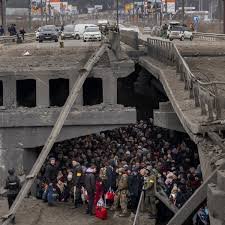 Has Europe truly learned from the failures of 2022?
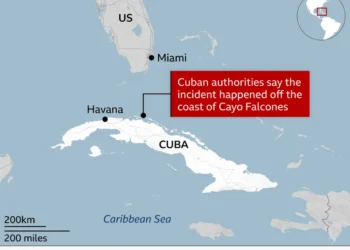 American Citizen Killed in Cuba Boat Shooting, U.S. Officials Say
 Iran’s Regime Still Intact — Coming Days Will Test Its Survival
 Kidnapping of Foreigners Soars in Africa’s Lawless Sahel Region
 Trump Faces Questions Over Iran Conflict Plan
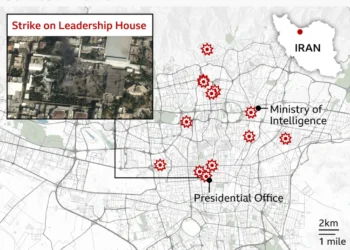 In Maps: Strikes Across Iran and the Middle East
 Iran Civilian Deaths Surge Past 200 Amid Fear
 The Third Day of the US‑Israeli War With Iran
 Brit ‘in Good Spirits’ Amid Dubai Missile Attacks, Stranded but Safe