Published: March 3, 2026 . The English Chronicle Desk . The English Chronicle Online
The Middle East conflict markedly expanded on Tuesday as Iran’s drone campaign directly struck the U.S. Embassy in Riyadh, Saudi Arabia, while Israeli ground forces crossed into southern Lebanon to confront Hezbollah fighters, signalling a broader and unpredictable phase of hostilities. The combined developments have heightened regional instability and sparked urgent diplomatic and security responses by multiple governments.

Saudi Arabia’s Defence Ministry confirmed that two unmanned aerial vehicles — widely assessed to be Iranian-made — impacted the U.S. diplomatic compound in Riyadh’s Diplomatic Quarter early on Tuesday morning. The drones caused a small fire and material damage to the building, though no injuries have been reported as the embassy was unoccupied at the time. Riyadh and Washington issued shelter-in-place advisories for Americans and foreign nationals in Riyadh and other major Saudi cities, urging caution while further assessments are conducted.
The attack on the embassy came amid a series of Iranian drone and missile strikes against U.S. and allied positions in the Gulf region — including reported targets in Kuwait and other host countries — part of an escalating retaliatory campaign after U.S. and Israeli forces launched extensive strikes against Iran’s nuclear and military infrastructure earlier in the week. Western officials have described the strikes as part of Iran’s effort to retaliate for offensive operations that killed high-ranking Iranian figures.
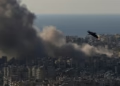
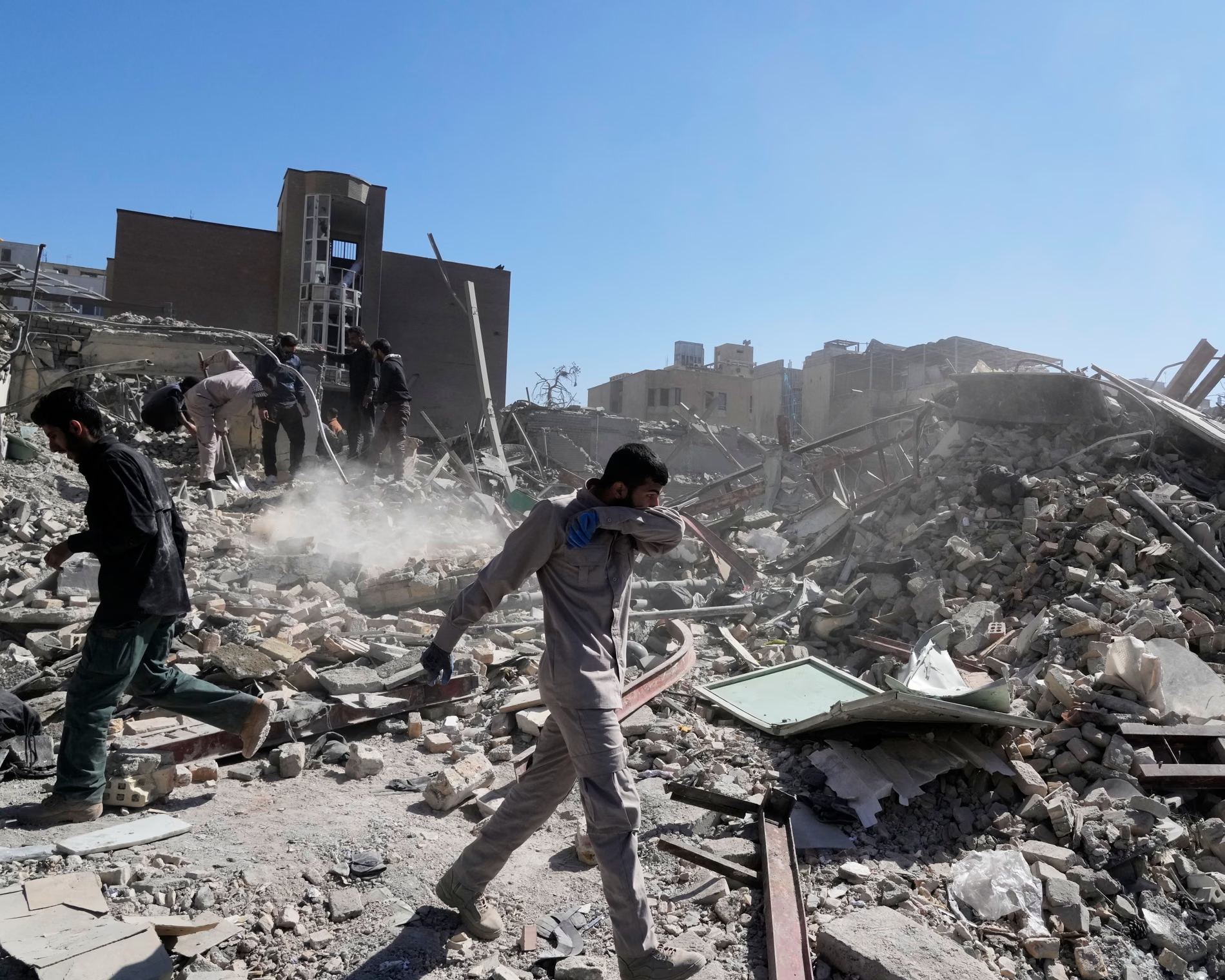
Simultaneously, Israeli Defence Forces (IDF) confirmed that troops have moved across Lebanon’s southern border toward forward positions held by Hezbollah. While Israeli officials have characterised these movements as limited tactical incursions rather than a full-scale invasion, the presence of ground troops represents a significant intensification of military operations beyond aerial bombardments. Lebanese sources reported that parts of the Lebanese Army withdrew from forward positions as clashes loomed, and that Israeli bombardments in the region have already caused civilian displacement.
Across Lebanon, Hezbollah has continued to fire rockets and drones toward northern Israel in response to strikes on its infrastructure and leadership, deepening fears of a protracted frontier war. Civilians in both southern Lebanon and northern Israel have been caught in the crossfire, with international agencies warning of rising casualties and urging protection of non-combatants.
The attack on the Riyadh embassy and Israeli troop movements in Lebanon have triggered broad regional alarm. Western nations have issued travel warnings, expanded evacuation advisories for citizens in the Middle East and begun reducing non-essential diplomatic staff in several capitals amid concerns about the conflict spreading beyond the Iran–Israel axis. Global energy markets also reacted sharply, with crude prices rising on fears of supply disruptions linked to the conflict’s proximity to key oil export routes in the Gulf.

These latest events reflect how rapidly the crisis — initially centred on U.S. and Israeli strikes against Iranian military targets — has metastasised into a multi-front confrontation involving state and non-state actors. Analysts caution that without de-escalatory measures, the intertwined pattern of attacks and counterattacks could embroil neighbouring states and further destabilise an already volatile region.
Related News:
 Israel and Hezbollah Exchange Fire as Conflict Worsens
 Iran’s Regime Still Intact — Coming Days Will Test Its Survival
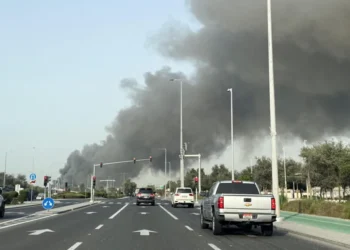 Allies of US in the Gulf Bear Brunt of Iran Attacks
 Hopes and Fears as US Iranians Take to Streets After Toppling of Supreme Leader
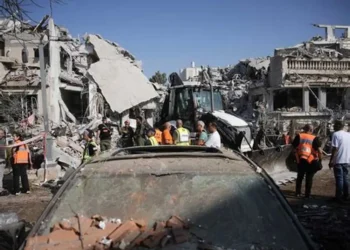 Retaliations Continue on Day Two of US-Israel Attacks on Iran
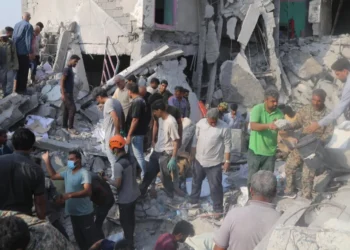 At Least 153 Dead After Reported Strike on School, Iran Says
 At Least 153 Dead After Reported Strike on School, Iran Says
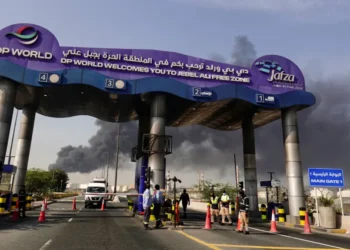 ‘It’s Eerie’ – Dubai on Edge as City Comes Under Attack
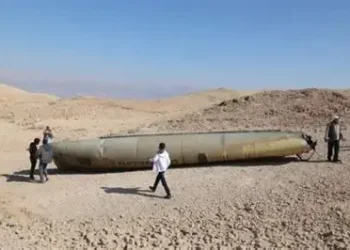 BBC Reports from Beit Shemesh After Deadly Iranian Missile Strike
 Iran, the US, and a World Cup That Starts in Three Months
 Cooper: Joining US Strikes on Iran ‘Not in Britain’s Interest’
 Trump’s Iran Endgame Unclear After Mixed Messaging on War Aims
 Rubio Responds to Reported Strike on Iranian School
 Scots Caught Up in Middle East Crisis ‘Just Waiting for the Next Explosion’
 Why the US and Israel attacked Iran
 Israel Launches Fresh Strikes on Tehran & Beirut; US Warns “Hardest Hits” Ahead
 Three Days In, This War’s End Is Still Unclear
 US Has ‘Enough Weapons for Forever War,’ Trump Says
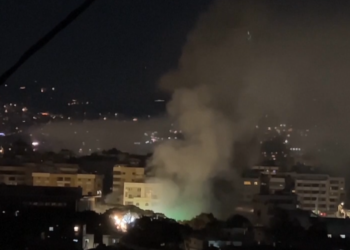 Israel Strikes Lebanon After Hezbollah Rocket Fire as Iran Conflict Widens
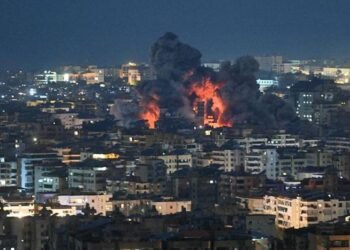 Israel’s New Airstrikes on Tehran & Beirut After US Embassy in Riyadh Is Hit
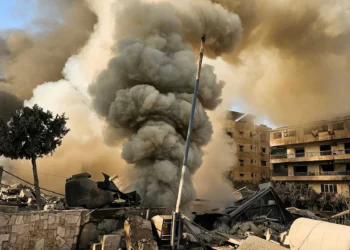 Israel Launches Ground Invasion of Lebanon Amid Widening Middle East War
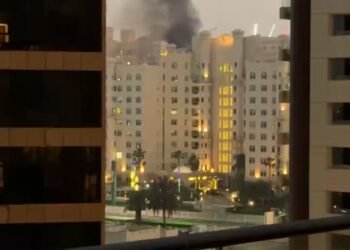 Iranian Rockets Are Testing the Resolve of Dubai’s Instagram Stars
 US Urges Iran to Make Deal as Military Presence Rises
 Trump’s Foreign Policy Dilemma Laid Bare by Iran Tensions
 Hamas Holds Vote to Choose New Interim Leader, Source Tells BBC
 Ukraine Negotiator Reveals What It Feels Like Facing Russia
 Mandelson Arrested Amid Political Turmoil as Ukraine Marks Four Years of Conflict
 US Partially Evacuates Beirut Embassy Amid Rising Iran Tensions
 ‘Anyone who runs is shot’: Russian soldiers describe killings of troops who refuse orders
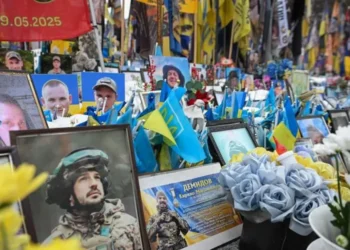 Ukraine remembers its dead as war enters a fifth year
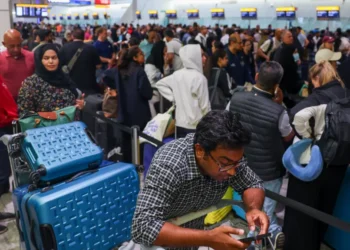 Middle East Flights Halted After Iran Strikes
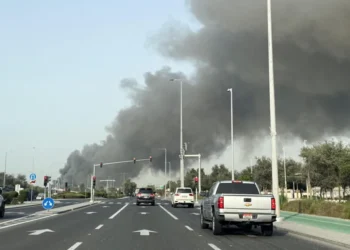 Allies of US in the Gulf Bear Brunt of Iran Attacks
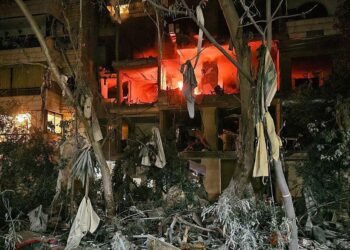 Israeli Attacks Kill 31 in Lebanon, Iran Strikes Across Region, US Warplanes Crash in Kuwait
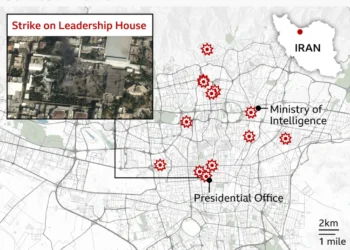 In Maps: Strikes Across Iran and the Middle East
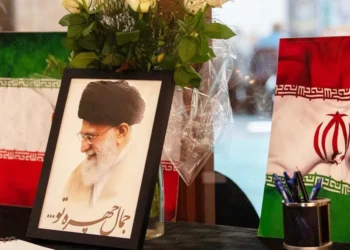 Months of Planning Behind US‑Israeli Mission to Target Iran’s Supreme Leader
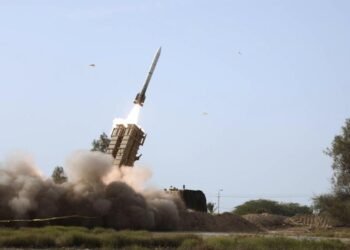 UK Will Allow US to Use Bases to Strike Iranian Missile Sites, PM Says
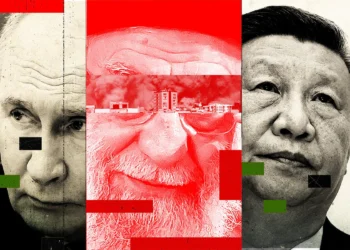 What Khamenei’s Death Means for Russia and China
 Tehran Makes New Threat to Gulf Shipping as US Says ‘Hardest Hits’ on Iran ‘Yet to Come’
 Did Trump Declare War and Did Congress Approve Iran Attacks? What to Know
 Melania Trump Chairs UN Security Council Meeting on Children in Conflict Amid Iran Strikes
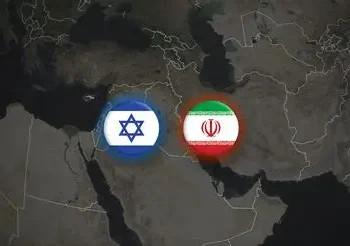 The Third Day of the US‑Israeli War With Iran
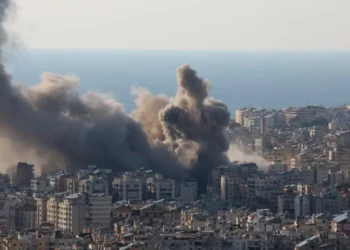 Latest on Middle East Conflict — In Maps: Strikes Across Iran and the Region
 ‘I saw missiles being intercepted’: Influencers recount shock as Iran hits Dubai landmarks
 Amazon Says Drones Damaged Three Facilities in UAE and Bahrain
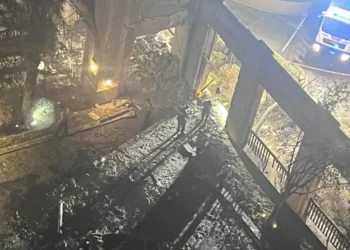 Man Recalls ‘Terrifying’ Dubai Missile Ordeal During Iran Strikes
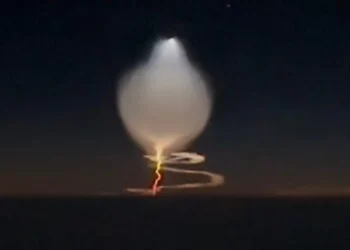 Airline Pilots Feared Iranian Missile Had Been Fired at Them
 UK Must Act with Courage and Clarity on Israel-Palestine Conflict, Says Foreign Affairs Committee Report
 Radioactive Leak at UK’s Nuclear Warhead Base Sparks Outcry Over Safety and Secrecy
 Mutual Inconvenience: Why Alaska Was Chosen for the Trump-Putin Summit on Ukraine
 Hong Kong Summons UK and Australian Envoys Following Asylum Grants to Democracy Activists
 Is the UK Ready to Put Boots on the Ground in Ukraine? Assessing Military Capacity and Challenges
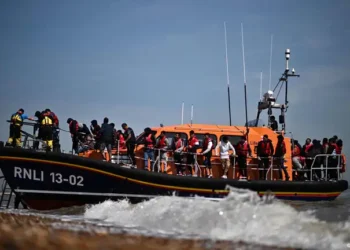 Channel Crossings Surge: Over 1,000 People Arrive in the UK in Small Boats in a Single Day
 Widow of Charlie Kirk Forgives Killer at Emotional Memorial Service
 Yvette Cooper Signals Global Momentum Towards Gaza Peace Deal Amid Humanitarian Crisis
 Russia’s Latest Push to Win US Favors Shows Deep Desperation
 BBC to Apologise Over Edited Trump Speech Amid Backlash
 Britain deploys RAF specialists to assist Belgium with drone threats
 Trump Urges Herzog to Grant Netanyahu Full Pardon
 Indian authorities demolish Kashmir home linked to Red Fort blast
 Greene Pushes Epstein Files Amid Trump Fallout
 December Run-Off in Chile as Election Produces No Winner
 Shadow Fleet at Sea: Europe’s Battle Against Illicit Oil Shipping
 India’s COP30 Delay Raises Global Climate Concerns
 Georgians Defy Government Crackdown After Year of Protests
 EU weighs response amid Greenland tariff crisis with Trump
 EU Says US Ties Have Suffered ‘Big Blow’ After Greenland Crisis
 Israel Moves to Bar MSF From Gaza Operations
 Australian Families Leave Syrian Camp for Home
 Starmer Weighs Fast-Tracking Defence Boost
 ‘I Would Scream in My Sleep’: Alawite Women from Syria Tell of Kidnap and Rape
 Nine Arrested in France Over Death of Far‑Right Student
 Andrew Arrest Sparks Republic Debate in Australia
 Australian PM Says Former Prince Andrew Has Suffered ‘Extraordinary Fall’ but That Won’t Prompt Republic Referendum
 Musk Cuts Starlink Access for Russian Forces – Giving Ukraine an Edge at the Front
 Farage Chagos Islands Row Sparks Fury
 Chad Shuts Border With Sudan in Bid to Stop Conflict Spreading
 French Minister Moves to Block US Envoy Kushner from Government Access
 Orbán Accuses Ukraine of Disrupting Oil Supplies to Hungary
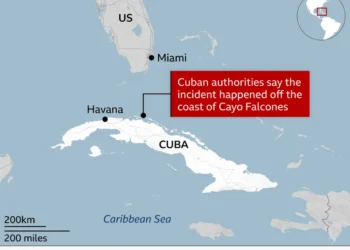 American Citizen Killed in Cuba Boat Shooting, U.S. Officials Say
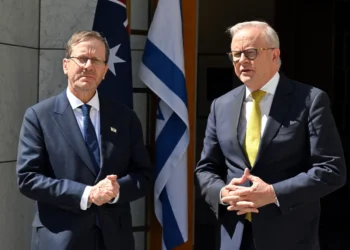 Herzog Asio meeting sparks security storm