Published: 04 March 2026. The English Chronicle Desk. The English Chronicle Online.
The geopolitical landscape of South America is shifting rapidly as a significant joint operation begins to unfold within the borders of Ecuador. This week marked the official commencement of a coordinated military effort between the United States Southern Command and the Ecuadorian armed forces. The primary objective is to dismantle the powerful drug trafficking networks that have increasingly used the nation as a global transit hub. This joint operation represents a critical escalation in the regional fight against organized crime and international narcotics distribution. While specific tactical details remain strictly confidential, the implications for regional security are profound and far-reaching for all involved.
The United States Southern Command released a brief but powerful statement regarding the recent military developments on Tuesday. They described the mission as a decisive action designed to cripple the infrastructure of illicit drug trafficking syndicates. This command oversees military activities across thirty-one countries throughout South America, Central America, and the Caribbean region. Their involvement signals a high level of commitment to stabilizing a country currently plagued by unprecedented violence. The Ecuadorian defense ministry has maintained a stance of total secrecy regarding the specific offensive maneuvers. They stated that all operational details are classified to ensure the safety of the personnel involved.
This announcement follows a series of high-level diplomatic meetings held in the capital city of Quito recently. President Daniel Noboa hosted senior American military officials to finalize the logistics of this ambitious joint operation. General Francis Donovan and Mark Schafer were present to discuss the integration of intelligence and resources. These discussions focused heavily on improving surveillance and security at major international airports and commercial seaports. The strategic goal is to choke off the primary maritime routes used by cocaine smuggling cartels. By sharing real-time information, both nations hope to intercept shipments before they reach the high seas.

Ecuador currently finds itself in a precarious geographic position between the two largest cocaine producers worldwide. Statistics show that roughly seventy percent of drugs from Colombia and Peru pass through Ecuadorian territory. This geographical reality has transformed a once peaceful nation into a central battleground for competing criminal factions. The resulting turf wars have led to a staggering increase in homicides and public security crises. Residents in port cities like Guayaquil and Manta have witnessed a dramatic decline in their daily safety. The current joint operation aims to restore order by dismantling the financial and physical assets of these groups.
President Daniel Noboa has emerged as a staunch advocate for increased military cooperation with the United States. Since taking office in late 2023, he has consistently prioritized security and law enforcement as his main goals. His administration views the current crisis as an existential threat to the democratic stability of the nation. Noboa recently described the current situation as a new phase in the ongoing global war on drugs. He believes that local forces require the advanced technological support that only a joint operation can provide. His alignment with Washington reflects a broader shift toward conservative security policies in the Andean region.
The history of foreign military presence in Ecuador is a sensitive and highly debated political topic locally. Last year, President Noboa attempted to facilitate the reopening of a previously closed American military base. However, a national referendum held in November showed that many citizens remain wary of foreign troops. The voters chose to uphold a constitutional ban on permanent foreign military installations within their sovereign borders. Despite this legal hurdle, the government has found alternative ways to collaborate with their international security partners. This joint operation utilizes temporary deployments and mobile units rather than establishing a permanent foreign military base.
In December, the United States announced a temporary deployment of air force personnel to the city of Manta. These units are stationed at a facility that previously served as a major American counter-narcotics hub. Their current role involves providing aerial surveillance and maritime patrol support to the Ecuadorian navy and police. This logistical framework provides the necessary backbone for the success of the current joint operation now underway. By using sophisticated radar and tracking technology, they can identify suspicious vessels in the vast Pacific Ocean. This capability is essential for stopping the flow of narcotics toward North America and European markets.
The social impact of the drug trade on Ecuadorian society has been devastating over the past few years. Criminal organizations have infiltrated various levels of the government and the judicial system through bribery and intimidation. The influx of drug money has distorted local economies and led to a rise in domestic addiction rates. Many young people find themselves drawn into the world of organized crime due to a lack of opportunities. The joint operation is intended to provide the breathing room necessary for social and economic reforms. Without basic security, the government struggles to implement programs that address the root causes of systemic poverty.

International observers are watching the progress of this military collaboration with a mixture of hope and caution. Success in Ecuador could serve as a blueprint for similar security partnerships across the Latin American region. However, critics often point out that military force alone cannot solve the complex issue of global drug demand. They argue that as long as the market for cocaine remains lucrative, new criminal groups will emerge. Nevertheless, the immediate priority for the Noboa administration is to stop the bloodshed occurring in the streets. This joint operation is seen as a necessary emergency measure to prevent the state from collapsing.
The relationship between President Noboa and the United States has strengthened significantly during his relatively short tenure. He is frequently characterized as a close ally of the current American administration and its strategic interests. This partnership extends beyond military cooperation into areas of trade, investment, and technological development for the country. The success of the joint operation is likely to further cement these bilateral ties for the foreseeable future. Both nations share a common interest in reducing the power of transnational criminal organizations that threaten stability. As the mission progresses, both capitals will be monitoring the results with intense and focused scrutiny.
Looking ahead, the next few months will be a defining period for the security landscape of South America. The effectiveness of the coordination between American intelligence and Ecuadorian ground troops will be tested in real-time. If the cartels are successfully disrupted, it could lead to a significant decrease in regional violence and crime. Residents are cautiously optimistic that the tide is finally turning against the powerful narcotics cartels. The commitment shown in this joint operation suggests that the era of looking the other way is over. For now, the world waits to see the tangible outcomes of this bold and risky endeavor.
Related News:
 British Woman in Iran ‘Losing Hope’ Amid Ongoing Detention
 BBC Journalist Held and Interrogated in Vietnam
 UK University Suspends Human Rights Research Following Pressure from China
 UK University Faces Counter-Terror Probe Over China Pressure
China-critical UK academics face ‘extremely heavy’ pressure from Beijing
UK University Faces Counter-Terror Probe Over China Pressure
China-critical UK academics face ‘extremely heavy’ pressure from Beijing
 BBC to Apologise Over Edited Trump Speech Amid Backlash
 Britain deploys RAF specialists to assist Belgium with drone threats
 Ukraine-Russia war latest: Putin’s troops exploit bad weather to force Kyiv withdrawal from multiple towns
 Hamas Fighters in Gaza Tunnels Stall Ceasefire Progress
 US Justice Department Files Lawsuit Against California Over Partisan Voting Maps
 Greene Pushes Epstein Files Amid Trump Fallout
 Trump Deploys DHS to Charlotte in Major Arrest Operation
 December Run-Off in Chile as Election Produces No Winner
 Canada Passes Carney’s First Budget in Tight Parliamentary Vote
 Shadow Fleet at Sea: Europe’s Battle Against Illicit Oil Shipping
 Rama Rebukes Mahmood for Targeting Albanian Families
 Russian Vessel Used Lasers on RAF Pilots, UK Claims
 Pentagon Officials in Ukraine to Discuss War End
 Venezuela Threatens Nobel Winner Machado with Fugitive Status
 Trump Envoy to Discuss Ukraine Peace at Kremlin
 Georgians Defy Government Crackdown After Year of Protests
 India’s Labour Law Overhaul Sparks Fierce Debate
 Video shows Israeli troops kill Palestinians after surrender
 Chinese & Japanese Boats Clash Near Disputed Islands
 EU plans $105bn Ukraine aid using frozen Russian assets
 Global campaign launched to free Palestinian leader Barghouti
 Russia losses Ukraine war peace talks intensify amid rising deaths
 Zelenskyy Accuses Russia of Sabotaging Peace Talks
 Trump ‘Not Worried’ as China Conducts Massive Taiwan Wargame
 Khaleda Zia Laid to Rest with State Honour in Dhaka
 Maduro Faces Court in New York Over Drugs and Weapons Case
 Albanese Opens Door to Bondi Royal Commission Amid Rising Pressure
 Trump Escalates Minnesota Immigration Surge Amid Rising Tensions
 Iran Protesters Defy Crackdown as Violent Clashes Intensify
 Trump Eyes Strong Military Options Amid Iran Protest Crackdown
 Trump Threatens Strong Action If Iran Executes Protesters
 Machado Trump medal gesture reshapes Venezuela power struggle
 Trump Receives Machado’s Nobel Medal in White House Meeting
 EU weighs response amid Greenland tariff crisis with Trump
 US Considers Asylum for British Jews Amid Rising Antisemitism
 ICE street raids expose a chilling future for public freedoms
 US Africa aid remarks spark anger after leaked State email
 Trump Launches “Board of Peace” Amid Global Diplomacy Push
 EU Says US Ties Have Suffered ‘Big Blow’ After Greenland Crisis
 Andrew Hastie Emerges as Leadership Rival to Ley
 Russia Strikes Kyiv and Kharkiv as Peace Talks Enter Day Two
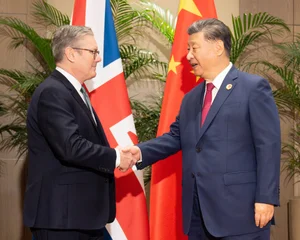 Starmer China visit underscores clear-eyed national security stance
 Starmer China visit raises human rights pressure on Beijing
 Israel Moves to Bar MSF From Gaza Operations
 Mandelson resignation shakes Labour over Epstein row
 Trump Praises ‘Terrific’ Petro After White House Talks
 Sydney Protest Escalates and Elderly Woman Suffers Severe Injury
 Tarique Rahman’s Rise Toward Bangladesh’s Top Job
 Glass Cliff Debate After Ley’s Ouster
 Japan Seizes Chinese Boat Amid Rising Tensions
 Australian Families Leave Syrian Camp for Home
 Trump Attacks UK-California Energy Pact
 Kim Jong-un Unveils Housing for War Families
 Trump and Chagos Deal Rift Over Iran Strikes
 Andrew Mountbatten-Windsor Arrest After FBI Radar
 Andrew Arrest Sparks Republic Debate in Australia
 Global corruption crisis: Who Washington shields
 Duterte ICC Hearing Begins Amid Defiance
 Farage Chagos Islands Row Sparks Fury
 Trump Tariffs Threat Spark UK and EU Alarm
 Albanese on One Nation and Pocock Attack
 The Dangerous Rise of Remigration Across Modern Europe
 Trump’s Marathon Speech Fails to Mask a Growing National Disconnect
 Trump Speech Sparks Intense Debate Across Divided America
 Jacinda Ardern Moves To Australia Following Her US Fellowships
 US to offer passport services in West Bank settlements
 Has Europe truly learned from the failures of 2022?
 Health Funding Row Rocks US‑Africa Relations
 Middle East Flights Halted After Iran Strikes
 Iran Confirms Khamenei Killed in Air Strikes
 Trump Faces Questions Over Iran Conflict Plan
 Nick Greiner Warns Over Election Review Fallout
 Herzog Asio meeting sparks security storm
 Trump Rebukes Starmer Over Iran Strikes Row
 Trump Iran Strikes Row Sparks Washington Storm