Published: March 5, 2026
The English Chronicle Desk
The English Chronicle Online
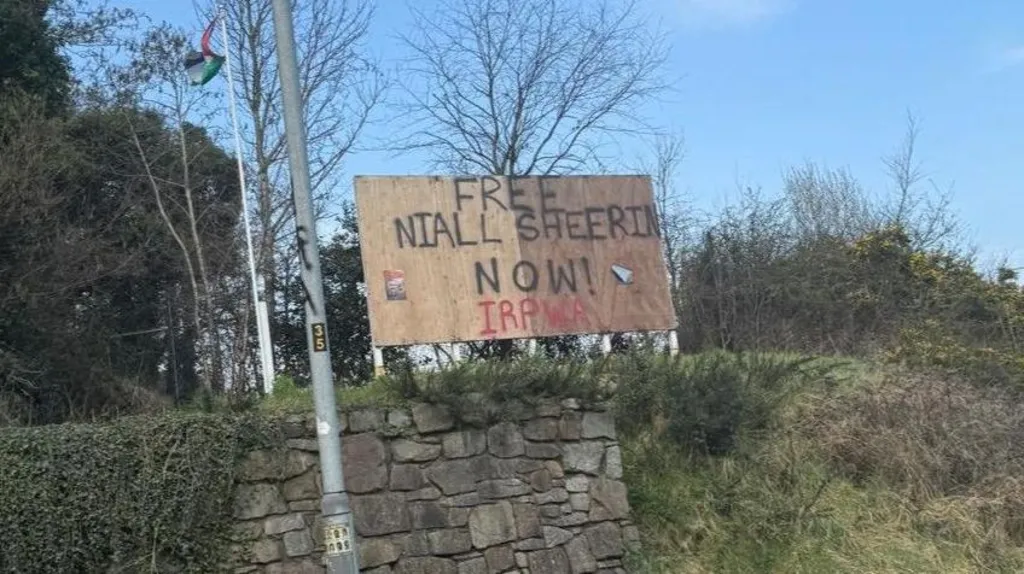
Authorities and community members in Belfast are facing renewed pressure to remove a controversial billboard after it was defaced with graffiti referencing Lyra McKee, the journalist tragically killed in 2019. The mural, which had already been the subject of public debate, became a flashpoint this week after images of the graffiti circulated widely on social media, sparking fresh calls for action from both local officials and civil society groups.

The graffiti, scrawled in dark paint, included phrases and imagery linking the billboard to McKee’s legacy as an investigative reporter and human rights advocate. While some observers framed the act as a form of political expression, others described it as disrespectful and inflammatory, emphasizing that it risks reigniting tensions in a city still sensitive to sectarian issues.
Community leaders and representatives of journalists’ organizations condemned the defacement. They stressed that public spaces should not be used for acts that could be perceived as glorifying or exploiting past violence. “Lyra McKee’s memory should be honoured through constructive dialogue and education, not vandalism,” said a spokesperson for the Northern Ireland Press Association.
The billboard in question, located on a major thoroughfare in west Belfast, had previously drawn criticism for its provocative imagery. Local councillors had debated its removal multiple times, citing concerns that it contributed to community division. The recent graffiti incident has intensified those discussions, with calls for immediate action growing louder.
Police confirmed that they are investigating the incident as criminal damage, examining CCTV footage in the area, and appealing for information from the public. Investigators have not yet identified any suspects, but they emphasized the seriousness of defacing public property in a politically sensitive context.
Some residents, however, caution that the removal of the billboard should be carefully considered. They argue that unilateral action could be seen as censorship and might provoke further unrest in the area. Community dialogue forums have been suggested as a way to address the broader concerns surrounding murals, billboards, and graffiti in Belfast.
Lyra McKee, a 29-year-old journalist and author, was killed in Derry in 2019 while reporting on a paramilitary-related disturbance. Her death was widely mourned across Northern Ireland and internationally, and she is remembered as a passionate advocate for justice and social change. Her legacy has influenced debates about media freedom, peacebuilding, and the management of politically charged public spaces.
The Northern Ireland Executive has been urged to engage with Belfast City Council to find a solution that both respects McKee’s memory and addresses public safety and community cohesion. Advocates say that action should include not only the removal or modification of contentious billboards but also educational initiatives to foster understanding about McKee’s work and the broader history of conflict in Northern Ireland.
The graffiti incident has once again highlighted the enduring sensitivity around public representations of the Troubles, especially for younger generations who continue to grapple with the legacy of sectarian violence. Local NGOs working on reconciliation and community development are emphasizing dialogue as the most effective tool to prevent further incidents while honouring the memory of those affected by past conflicts.

Police and council officials have not yet provided a timeline for any potential removal or alteration of the billboard. Meanwhile, community members continue to discuss the broader implications of public displays in politically and historically sensitive areas. The incident underscores the challenges in balancing freedom of expression, public safety, and respect for the memory of victims like Lyra McKee.
Related News:
 UP IN FLAMES: Huge Blaze Rips Through Odeon Cinema, Students Evacuated
 Stop Releasing Phone Thieves Who Reoffend, Met Police Chief Urges Courts
 Disability and LGBT Hate Crimes Set to Become Aggravated Offences
 Teacher Who Lied About Cambridge Degree Banned From Profession
 Illegal Skin Lightening Cream Being Sold in UK Butchers, Watchdog Warns
 Man Who Threw Kittens Into River Thames Sentenced
 Last‑ditch Call to Save Police Front Counters in London
 Deaf Woman Killed After Night Out With Strangers, Court Hears
 Two Teens Found Dead at East Yorkshire Holiday Park
 Porthcawl Body Find: Man Charged After Woman in 80s Found Dead in Freezer
 Dad Found in Bed with Daughter 16 Years After Abandoning Her as a Child
 I Confronted a Mugger with an 18-Inch Machete in London – No Wonder Tom Cruise is Leaving
 He Told Police His XL Bullies Were Friendly – Days Later His Mother-in-Law Was Mauled to Death
 ‘The Arrogance of XL Bully Owner Killed Our Mum’
 ‘Don’t Make Us Security Guards,’ Says Teacher Stabbed by Pupil
 ‘We’ve Been Left Homeless After Our Builder Went Bust’
 Sadistic Pair Jailed for Blowing Up Sheep
 Grave of Murdered Toddler James Bulger Vandalised
 Outsiders Disrupted Search for Missing Teen Noah Donohoe
 My Sub‑Postmaster Dad Carried a Weight of Shame
 Police Brothel Raids Target Organisers, Not Sex Workers
 Targeted Attack in Bury Sparks Murder Investigation as Community Awaits Justice
 Man Remanded After Children Fall Ill at Leicestershire Summer Camp in Shocking Child Cruelty Case
 Mass Arrests in London as Protest Defies Ban on Palestine Action
 Alarming rise in abusive teen relationships in the UK sparks urgent warnings
 Merseyside Police Helicopter Crew Cleared After Low-Altitude Pursuit of Suspect
 Urgent Action Needed on Windrush Compensation as Survivors Speak of “Waiting to Die”
 UK Launches Major Crackdown on Networks Profiting from Online Child Sexual Abuse
 Prime Suspect in Madeleine McCann Case Declines Metropolitan Police Interview Ahead of German Prison Release
 Systemic Racism in Maternity Care Continues to Endanger Black Women in England, MPs Warn
 UK Doctors Guilty of Sexual Misconduct Continue Practising Amid Weak Sanctions, Research Finds
 Northern Ireland Faces Fears of Prolonged Race Riot “Permacrisis”
 Zarah Sultana Seeks Legal Action After Bitter Clash with Jeremy Corbyn Over Party Membership Funds
 No Evidence Found to Substantiate Alleged Rape in Oxfordshire Churchyard, Police Confirm
 Massive London Poundland Fire Engulfs High Street
 Paedophile Singer Ian Watkins Dies After Prison Attack
 Ian Watkins Killed in Prison; Ex-Girlfriend Speaks Out
 DNA Test Confirms Alleged Stalker Is Not Madeleine McCann
 Peterborough Mosques Tighten Security After Attack
 Mass Stabbing on Doncaster to London Train Leaves Ten Injured
 FBI Director Kash Patel Defends Girlfriend Amid Government Jet Claims
 French Taxi Driver Cleared in David Lammy Theft Case After Fare Dispute
 UK Bans Fake Numbers: Scammers Lose Their Trick
 Just Stop Oil Protesters Convicted Amid Climate Defence Row
 How to get help when a child goes missing – call 999 urgently
 Criminal Gangs Pose as Truckers to Hijack UK Supply Chains
 Mum Calls for New Licence Rules After Teen Road Death
 Mother Watches in Horror as Teen Daughter Dies on Tracks
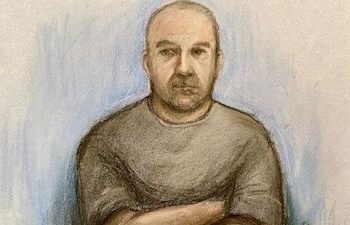 Serial Rapist and Former Cop Found Guilty Again
 Inside the Helpline Protecting Missing Children in the UK
 Most Tories Expect to Support a Farage-Led Government
 Online Child Sexual Abuse Soars 26% as Police Demand Tech Action
 Strangulation Charges Surge in England and Wales Amid Domestic Abuse Concerns
 Family Tribute After Fatal Pub Assault in Leicestershire
 New Documentary Examines Teen’s Zombie Knife Murder
 Woman Jailed for Life After Killing E-Bike Rider in Tragic Mistaken Identity Case
 Police response times face strict new national limits
 Labour Utterly Humiliated by Straight-Talking Mum Who Cut Through Keir Starmer’s Insanity
 Teen Girl Chased in Broad Daylight in Ipswich
 ‘Daejaun Was Drawn Deeper Into Danger,’ Says Heartbroken Mother
 Cash Machines Ripped from Co-op in Cherry Picker Ram-Raid
 Renters Furious as Decent Homes Standard Delayed Until 2035
 Motorists Could Face ‘Mandatory’ Driving Ban for Road Offences Under Tougher Laws
 Snow and Rain Warnings as Cold Snap Continues in the UK
 Flooding May Worsen Before It Improves as More Rain Forecast for the UK
 Epstein Eyed Record Label Investment to Access Women, Files Suggest
 Fly-Tippers to Be Hunted by ‘Drone Squad’ in Crackdown from the Sky
 Mother of Nottingham Attacks Victim Calls for ‘Whole Truth’ as Inquiry Begins
 Bodies of Man and Boy Found in Burnt‑Out Car After Horror Crash in the Highlands
 Court Error Frees Rape Suspect Who Flees UK
 Will the New SEND Reforms in England Work? You Have Your Say
 BBC Edited a Second Racial Slur Out of BAFTA Ceremony
 Rape Accused Had Fight With Man in Alley, Court Told
 Ian Huntley Seriously Injured in Prison Attack
 Mother Says ‘I Hugged My Daughter’s Killer’ as They Cried Together in Prison
 Suspects in Lisa Dorrian Case Released on Bail
 ‘I Almost Died After a Touch‑and‑Go C‑Section’
 Driver Jailed Over Fatal Water Treatment Tank Crash
 Insulin Evidence in Letby Trial Under Scrutiny After Expert’s GMC Probe Emerges
 Stranger ‘On Drugs’ Stabbed Saudi Student to Death in Cambridge