Published: March 5, 2026
The English Chronicle Desk
The English Chronicle Online
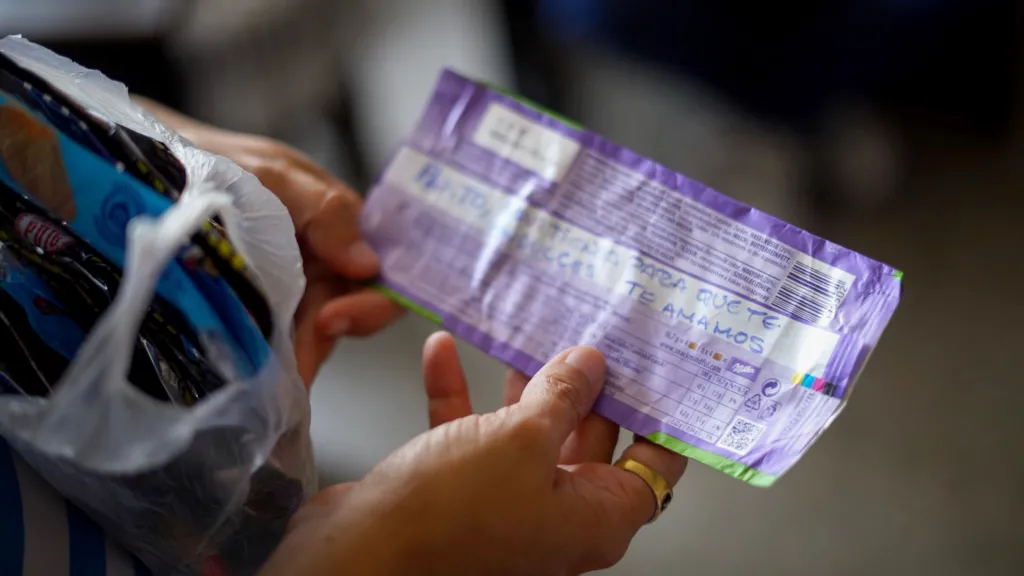
In Venezuela, political prisoners held in notorious jails such as El Helicoide developed inventive ways to maintain contact with their families amid brutal conditions and enforced isolation, authorities and former inmates say. Detainees and their loved ones describe a system of smuggling handwritten notes hidden inside chocolate bar wrappers and on everyday items of clothing, an improvised communication network that helped sustain bonds despite extreme repression.

El Helicoide, a concrete complex in Caracas once intended as a shopping centre but repurposed by state security forces, became a symbol of imprisonment and repression under President Nicolás Maduro’s government. Hundreds of political detainees have been held there for years, often without clear charges, adequate legal representation or regular contact with family, according to interviews with recently released prisoners.
Former political prisoner Ángel Godoy told the BBC that the most painful aspect of detention was the loss of connection with his family. After his arrest, he spent long periods without any contact with loved ones, a tactic detainees say was used to break spirits and isolate individuals from external support. When visits were eventually allowed, they were limited and strictly controlled.
To overcome these barriers, families developed covert methods of passing messages. Godoy’s wife, Adriana Briceño, hid notes to her husband in the wrappers of chocolate bars and other small items sent into the jail, writing loving and encouraging messages to sustain his morale. Godoy responded by inscribing messages on soiled laundry — old T‑shirts and garments — that were taken out of the facility during permitted exchanges. These handwritten words carried personal sentiments, such as encouragement for their son and expressions of love, and became cherished tokens of contact.
Other detainees, including rights activist Javier Tarazona, described harsh punishment cells infested with vermin and prolonged isolation designed to disorient prisoners by depriving them of daylight and routine. Tarazona said that authorities also tried to pressure family members behind the scenes, at times with threats to detain relatives if prisoners did not comply with demands to cooperate with statements against other activists.
Human rights groups such as Foro Penal have documented systemic abuses in Venezuela’s detention system, including arbitrary arrests, lack of due process and restricted access to legal counsel for political detainees. Although more than 600 prisoners have been released since January, according to rights advocates, many remain behind bars and families continue to seek information about their fate.

The improvised messages on chocolate wrappers and dirty laundry became, for many prisoners and relatives, more than simple notes — they were symbols of resistance, human connection and defiance against a system that sought to sever personal ties. Former inmates and their families describe the exchange of these hidden notes as a rare lifeline in an environment where official communication was virtually nonexistent.
Related News:
 Sexually Explicit Letters Target Hong Kong Exiles in UK, Australia
 Britain Demands Israel Reverse Ban on Aid Groups
 Grief, Fear and Fury: Mothers Unite to End Israeli-Palestinian Violence
 Iran Leader Blames Protesters, Says They Serve Trump
 Emails Show Epstein Funded Mandelson’s Husband After Jail
 Thousands Protest ICE in New York Against Trump Deportation Campaign
 The Martin Luther King Protégé Who Helped Reshape America
 ‘I Would Scream in My Sleep’: Alawite Women from Syria Tell of Kidnap and Rape
 Leave Chagos Now, Britain Tells Returning Islanders
 Bill Gates Pulls Out of India’s AI Summit Over Epstein Files Controversy
 Zuckerberg Defends Meta in Landmark Social Media Addiction Trial
Billionaire Les Wexner Tells US Lawmakers He Was ‘Naive’ and ‘Conned’ by Epstein
Zuckerberg Defends Meta in Landmark Social Media Addiction Trial
Billionaire Les Wexner Tells US Lawmakers He Was ‘Naive’ and ‘Conned’ by Epstein
 Asos Co-Founder Dies After Thailand Balcony Fall
 Epstein Files Reveal High‑Profile Names in New US Government Release
 Russian Troops Executed by Commanders, Soldiers Tell BBC
 Inside Kyiv’s resolve as conflict nears five‑year mark
 Australian Women in Syrian Camp Offer Separation Deal
 ‘Anyone who runs is shot’: Russian soldiers describe killings of troops who refuse orders
 Two Arrested After Death of ‘British Lip King’
 Epstein Tried to Buy a Palace in Morocco Days Before His 2019 Arrest
 Tribunal Rules Burgertory Founder’s Chant Incited Hatred
 Search Intensifies for Savannah Guthrie’s Mother
 Nepal Holds First General Election Since Gen Z Protests Toppled Government
 UK Government’s First Repatriation Flight to Leave Middle East, More Planned
 Passengers on Dubai‑Dublin Flight ‘Never So Happy to Be Home’
 Why Aren’t Our Dirtiest Roads Getting Cleaned?
 Global Order Is ‘Breaking Down’, Carney Tells Australian Parliament
 US Submarine Sinks Iranian Warship in Indian Ocean, Hegseth Says
 Spain’s Sánchez Hits Back at Trump Threat to Sever Trade, Says ‘No to War’
 Satellite Images Show Iranian Navy and Nuclear Sites Hit by US‑Israeli Strikes
 Iran Postpones Khamenei Funeral as US‑Israeli Bombardment Continues
 The Devastating Conflict Where Both Sides Have Reasons to Keep Fighting
 Protesters Rally in San Francisco Against OpenAI Deal With Pentagon
 Watershed Moment as Russia’s Sporting Exile Ends
 UK Must Act with Courage and Clarity on Israel-Palestine Conflict, Says Foreign Affairs Committee Report
 Tottenham Takes On Newcastle
 Radioactive Leak at UK’s Nuclear Warhead Base Sparks Outcry Over Safety and Secrecy
 Terence Stamp, ’60s British Film Legend and Star of Superman, Dies at 87
 Hong Kong Summons UK and Australian Envoys Following Asylum Grants to Democracy Activists
 Is the UK Ready to Put Boots on the Ground in Ukraine? Assessing Military Capacity and Challenges
 Yvette Cooper Signals Global Momentum Towards Gaza Peace Deal Amid Humanitarian Crisis
 Chaos at Ibrox as Martin’s Rangers Era Comes to an End
 Trump Claims Modi Has Agreed to Halt Russian Oil Imports Amid Heightened US Pressure
 Russia’s Latest Push to Win US Favors Shows Deep Desperation
 BBC to Apologise Over Edited Trump Speech Amid Backlash
 Britain deploys RAF specialists to assist Belgium with drone threats
 Trump Urges Herzog to Grant Netanyahu Full Pardon
 Indian authorities demolish Kashmir home linked to Red Fort blast
 Greene Pushes Epstein Files Amid Trump Fallout
 December Run-Off in Chile as Election Produces No Winner
 Zelenskyy Signs Fighter Jet Deal Amid Russian Drone Attacks
 Shadow Fleet at Sea: Europe’s Battle Against Illicit Oil Shipping
 Tiny Curacao Makes History as Smallest Nation to Reach World Cup
 India’s COP30 Delay Raises Global Climate Concerns
 US Suspends Afghan Immigration After White House Shooting
 Georgians Defy Government Crackdown After Year of Protests
 ‘Extinct’ Antelope Returns to Sahara, Bringing Hope
 Facebook Slow to Remove Bondi Attack Praise, Anti-Hate Group Claims
 Trump Weighs Response to Iran Crackdown as Tehran Says Communication Open With US
 US Clears Nvidia AI Chip Sales to China in Policy Shift
 Gulf states warn Trump Iran strikes risk wider Middle East war
 Sydney Shark Attack Surge Shocks Australia Beaches
 EU Says US Ties Have Suffered ‘Big Blow’ After Greenland Crisis
 UK New Car Discounts Near £6,000 as Prices Are Slashed
 Portugal Election Delivers Socialist Win as Far Right Surges
 Australian Families Leave Syrian Camp for Home
 Starmer Weighs Fast-Tracking Defence Boost
 Epstein Eyed Record Label Investment to Access Women, Files Suggest
 How Do You Modernise Mango Farming? India’s Growers Urged to Innovate as Climate Change Hits
 Ukraine Negotiator Reveals What It Feels Like Facing Russia
 Drugs, Denial, Stigma: Fiji’s HIV Crisis Hits Children
 Hilary Knight speaks out on Trump’s recent hockey remarks
 American Citizen Killed in Cuba Boat Shooting, U.S. Officials Say
 Iran’s Regime Still Intact — Coming Days Will Test Its Survival
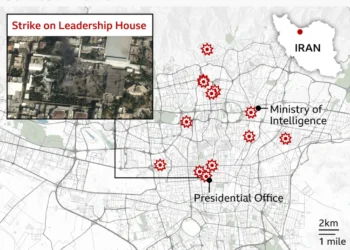 In Maps: Strikes Across Iran and the Middle East
 The Third Day of the US‑Israeli War With Iran
 Brit ‘in Good Spirits’ Amid Dubai Missile Attacks, Stranded but Safe
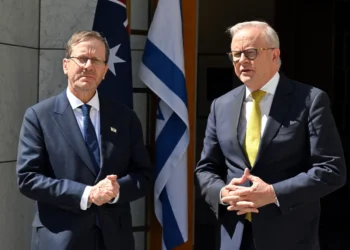 Herzog Asio meeting sparks security storm
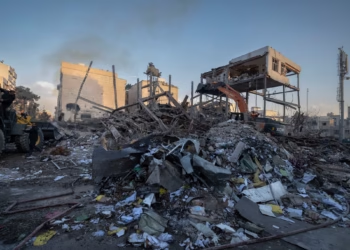 Civilian Deaths in Iran Pass 700 Amid Fear of Bombs and Regime Clampdown
 Calls Grow to Remove Billboard Following Lyra McKee Graffiti