Published: March 5, 2026
The English Chronicle Desk
The English Chronicle Online
A secondary school in Yorkshire has issued an urgent warning to parents after a disturbing social media trend encouraging pupils to organise fights with students from rival schools began circulating online. The warning reflects growing concern among educators and police across the UK that viral posts on platforms such as TikTok and Snapchat could escalate into real-world violence among young people.

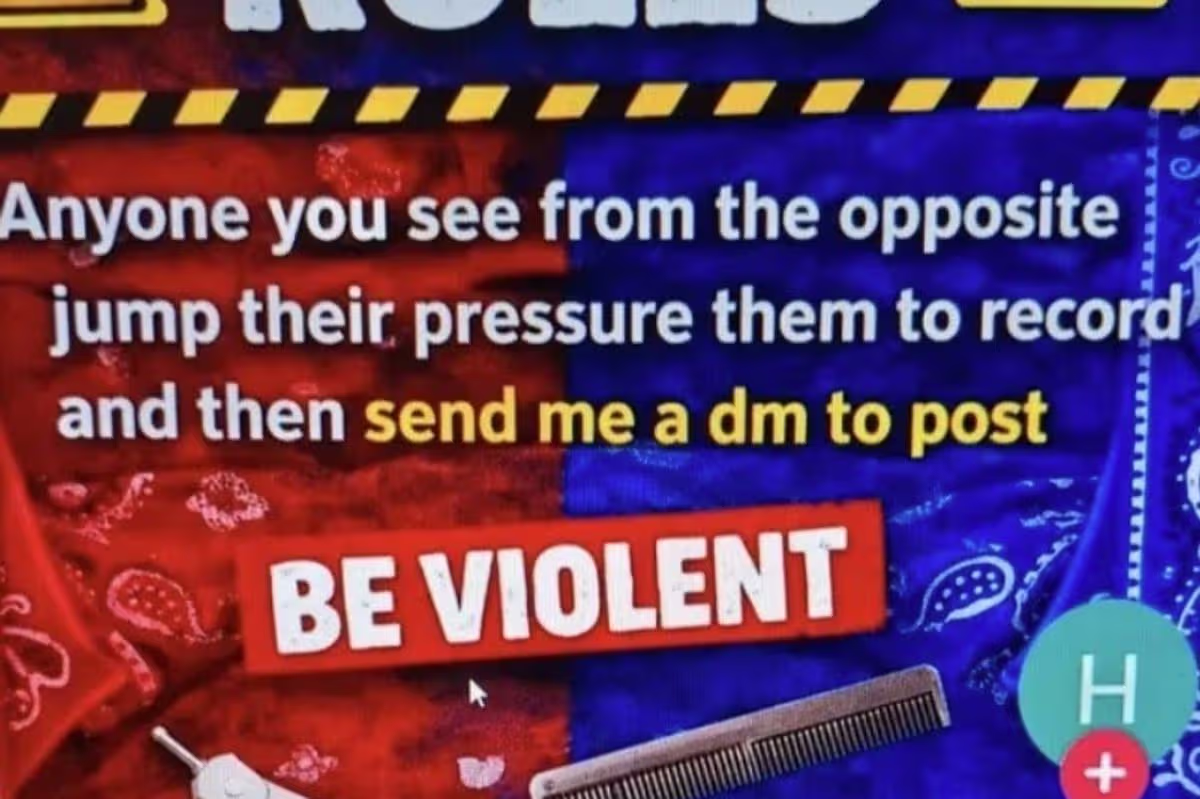
School leaders alerted families after becoming aware of posts linked to a trend commonly referred to as “school wars”, in which pupils are encouraged to divide themselves into opposing groups and challenge students from other schools to physical confrontations. According to educators monitoring the trend, the content often uses graphics and slogans to promote organised clashes, with some posts even suggesting a points system for violent acts filmed and shared online.
The trend first gained attention in parts of London, where police and teachers reported online messages encouraging pupils aged between 11 and 16 to take part in fights against students from neighbouring schools. Some of the posts circulated widely across social media, prompting authorities to work with technology companies to remove accounts and monitor threats.
Officials say the online posts can spread quickly because they are designed to appeal to teenagers through humour, rivalry and viral imagery. However, school leaders fear the consequences could be serious if pupils interpret the messages literally or attempt to stage real confrontations. In some cases, images accompanying the posts have referenced everyday school items such as rulers or scissors being used as weapons, a development that has heightened anxiety among teachers and parents.
In response, the Yorkshire school contacted parents to emphasise that the trend appears to deliberately target school communities and could lead to dangerous situations if pupils become involved. Families were urged to speak with their children about the risks of engaging with or sharing such content and to report any posts that appear to encourage violence.
Police forces around the country have also stepped up monitoring of the phenomenon. In several regions officers have increased patrols near school gates and coordinated with local authorities to ensure that any potential gatherings linked to the trend are identified early. Law enforcement agencies have warned that participating in organised fights or promoting violence online could lead to criminal charges.
Education experts note that social media trends affecting young people can spread rapidly and often change faster than schools can respond. Because many pupils access multiple platforms and messaging services, harmful content can circulate widely before adults become aware of it. Teachers therefore rely heavily on cooperation from parents and students themselves to identify emerging online risks.
Researchers studying youth behaviour online say exposure to violent or aggressive content is common among teenagers. Surveys have found that a significant proportion of young people report seeing real-world violence or confrontational videos on social media platforms, raising concerns that repeated exposure could normalise such behaviour.
Despite the alarming tone of some posts, authorities stress that many of the messages circulating online may be created as hoaxes or attempts to provoke panic rather than genuine plans for violence. Nevertheless, schools say they must treat the issue seriously because even a small number of pupils acting on such messages could put others at risk.
Headteachers across several regions have therefore begun reminding pupils about school behaviour policies and the legal consequences of assault or harassment. Some schools have also scheduled assemblies and classroom discussions focused on digital responsibility, online safety and the importance of reporting threatening material.
The Yorkshire school that issued the warning said safeguarding pupils remains its top priority and that it is working closely with local authorities and police to monitor developments. Parents were encouraged to check their children’s social media activity and reinforce messages about respectful behaviour both online and offline.

While many students may view viral trends as jokes or internet challenges, education leaders say the potential for real-world harm means schools cannot ignore them. The incident serves as a reminder that the boundary between online culture and everyday life in schools has become increasingly blurred, with social media capable of influencing behaviour far beyond the digital world.
Related News:
 Teacher Who Lied About Cambridge Degree Banned From Profession
 ‘Don’t Make Us Security Guards,’ Says Teacher Stabbed by Pupil
 Sadistic Pair Jailed for Blowing Up Sheep
 Tragedy in Cambridge: Two Arrested Over Fatal Assault of International Student
 Kingsbury stabbing probe led by counter-terror police
 UP IN FLAMES: Huge Blaze Rips Through Odeon Cinema, Students Evacuated
 Stop Releasing Phone Thieves Who Reoffend, Met Police Chief Urges Courts
 Disability and LGBT Hate Crimes Set to Become Aggravated Offences
 Illegal Skin Lightening Cream Being Sold in UK Butchers, Watchdog Warns
 Man Who Threw Kittens Into River Thames Sentenced
 Last‑ditch Call to Save Police Front Counters in London
 Deaf Woman Killed After Night Out With Strangers, Court Hears
 Britain’s Special Needs Spending Crisis Will Be Labour’s Ruin
 Two Teens Found Dead at East Yorkshire Holiday Park
 Porthcawl Body Find: Man Charged After Woman in 80s Found Dead in Freezer
 Dad Found in Bed with Daughter 16 Years After Abandoning Her as a Child
 I Confronted a Mugger with an 18-Inch Machete in London – No Wonder Tom Cruise is Leaving
 He Told Police His XL Bullies Were Friendly – Days Later His Mother-in-Law Was Mauled to Death
 ‘The Arrogance of XL Bully Owner Killed Our Mum’
 Schools in England to Get Budget for Children with Special Needs as Part of SEND Overhaul
 Only 10% of Boys Aged 14–16 Read Daily for Pleasure, National Literacy Trust Finds
 Will the New SEND Reforms in England Work? You Have Your Say
 Grave of Murdered Toddler James Bulger Vandalised
 Outsiders Disrupted Search for Missing Teen Noah Donohoe
 My Sub‑Postmaster Dad Carried a Weight of Shame
 Police Brothel Raids Target Organisers, Not Sex Workers
 Calls Grow to Remove Billboard Following Lyra McKee Graffiti
 Allergy Training to Become Compulsory in Schools in England
 Woman Says She Was Threatened With Rape After Locksmith Scam
 Murdered Student ‘Algasim’ Was ‘the Most Special Person’, Friends Say
 Sisters Who Could Not Swim Drowned While Paddling in Snowdonia, Inquest Hears
 Targeted Attack in Bury Sparks Murder Investigation as Community Awaits Justice
 Man Remanded After Children Fall Ill at Leicestershire Summer Camp in Shocking Child Cruelty Case
 Princess of Wales Launches Animated Video Series to Support Early Childhood Development
 Merseyside Police Helicopter Crew Cleared After Low-Altitude Pursuit of Suspect
 Education Leaders Call for End to Compulsory GCSE Resits in English and Maths
 Thousands of New School Nursery Places to Be Rolled Out Across England
 Urgent Action Needed on Windrush Compensation as Survivors Speak of “Waiting to Die”
 Systemic Racism in Maternity Care Continues to Endanger Black Women in England, MPs Warn
 Northern Ireland Faces Fears of Prolonged Race Riot “Permacrisis”
 White Low-Income Pupils in England Show Lowest Levels of School Engagement, Study Finds
 No Evidence Found to Substantiate Alleged Rape in Oxfordshire Churchyard, Police Confirm
 Massive London Poundland Fire Engulfs High Street
 Paedophile Singer Ian Watkins Dies After Prison Attack
 DNA Test Confirms Alleged Stalker Is Not Madeleine McCann
 New V-Level qualification to transform post-16 education
 Peterborough Mosques Tighten Security After Attack
 Children to Learn Local History in Major Curriculum Overhaul
 French Taxi Driver Cleared in David Lammy Theft Case After Fare Dispute
 UK Bans Fake Numbers: Scammers Lose Their Trick
 Criminal Gangs Pose as Truckers to Hijack UK Supply Chains
 Serial Rapist and Former Cop Found Guilty Again
 Inside the Helpline Protecting Missing Children in the UK
 Most Tories Expect to Support a Farage-Led Government
 Christmas Code-Crackers: GCHQ Unveils Annual Festive Puzzle Card
 Strangulation Charges Surge in England and Wales Amid Domestic Abuse Concerns
 Cambridge College Faces Backlash Over Private School Recruitment
 New Documentary Examines Teen’s Zombie Knife Murder
 Woman Jailed for Life After Killing E-Bike Rider in Tragic Mistaken Identity Case
 UK Ministers Drop Foreign Student Targets for Global Education Push
 Police response times face strict new national limits
 Labour Utterly Humiliated by Straight-Talking Mum Who Cut Through Keir Starmer’s Insanity
 Teen Girl Chased in Broad Daylight in Ipswich
 ‘Daejaun Was Drawn Deeper Into Danger,’ Says Heartbroken Mother
 Send spending gap leaves deprived areas behind
 Renters Furious as Decent Homes Standard Delayed Until 2035
 Motorists Could Face ‘Mandatory’ Driving Ban for Road Offences Under Tougher Laws
 Students Begin Covid Compensation Claim Against 36 More Universities
 Snow and Rain Warnings as Cold Snap Continues in the UK
 With Scottish Freebies Under Threat, University Tuition Is on the ‘Hit List’
 Epstein Eyed Record Label Investment to Access Women, Files Suggest
 Fly-Tippers to Be Hunted by ‘Drone Squad’ in Crackdown from the Sky
 Mother of Nottingham Attacks Victim Calls for ‘Whole Truth’ as Inquiry Begins
 Rape Accused Had Fight With Man in Alley, Court Told
 Ian Huntley Seriously Injured in Prison Attack
 Mother Says ‘I Hugged My Daughter’s Killer’ as They Cried Together in Prison
 Suspects in Lisa Dorrian Case Released on Bail
 Driver Jailed Over Fatal Water Treatment Tank Crash
 Insulin Evidence in Letby Trial Under Scrutiny After Expert’s GMC Probe Emerges
 Labour MP’s Partner Arrested on Suspicion of Spying for China