Published: March 6, 2026
The English Chronicle Desk
The English Chronicle Online — delivering comprehensive, up‑to‑date global reporting.
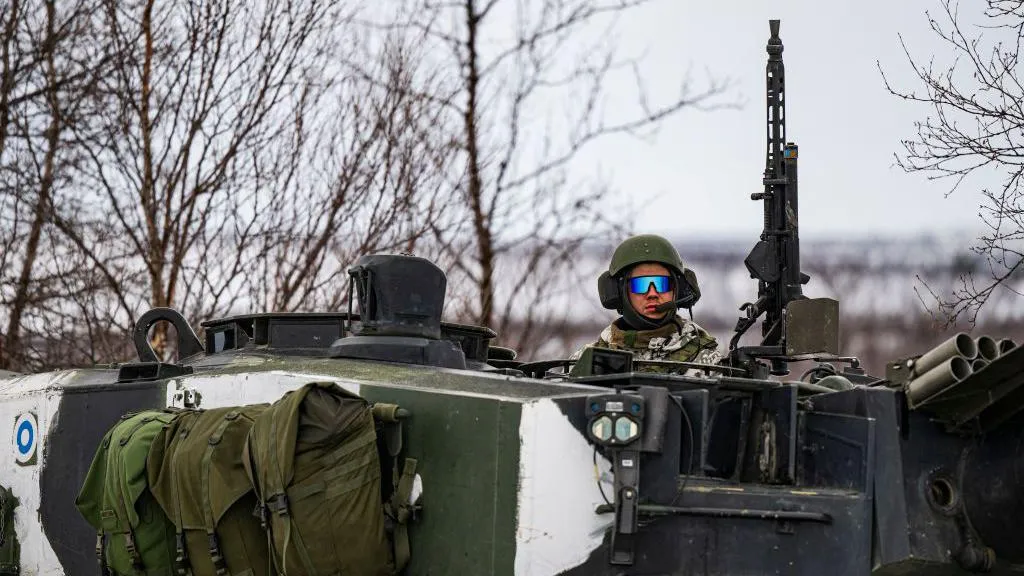
Finland has announced plans to repeal its long‑standing prohibition on hosting nuclear weapons, a move officials say reflects shifting security realities in Europe and serves as a response to heightened regional tensions following Russia’s invasion of Ukraine in 2022.
For nearly half a century, Finland maintained a legal ban on allowing foreign nuclear weapons on its territory. The prohibition was part of Helsinki’s post–Cold War policy aimed at preserving stability and avoiding direct involvement in nuclear deterrence strategies. This policy, once widely accepted as a pillar of Finland’s security identity, is now under revision as Finnish leaders contend with evolving threats on the continent.

According to Finnish government sources, the planned legal change would create a framework in domestic law permitting the stationing of nuclear weapons by allied states, if necessary for national defence. Officials emphasise that the intent is not to immediately host nuclear weapons but rather to retain the option as part of broader defence cooperation, particularly with NATO partners. Finland joined the NATO alliance in 2023, shifting its traditional neutrality stance and integrating more closely with collective defence planning.
Defence Minister Antti Häkkänen said the review of the ban reflects a reassessment of Finland’s strategic environment, noting that the proliferation of sophisticated missile systems and Russia’s military posture near Finnish borders underscore the need for robust deterrence. “We must adapt our defence policy to the realities of today’s Europe,” he said. “Maintaining options, including those that may involve nuclear capabilities under alliance auspices, strengthens our security and that of NATO as a whole.”
The move signals a significant evolution in Finnish strategic doctrine. For decades, Finland eschewed any role in nuclear deployment as part of efforts to balance security interests with relations with Russia. The shift comes as several NATO members reassess their own defence postures amid growing concerns about regional stability and the credibility of collective deterrence.
Political analysts say the decision is likely to have broad implications for NATO’s northern flank. Finland’s geographic proximity to Russia — sharing an 830‑mile border — and its integration into alliance planning make it a strategically crucial partner. The possibility of Finland hosting nuclear capabilities, even on a temporary or contingent basis, could alter deterrence calculations in the region.
Opposition parties within Finland have expressed mixed reactions. Some lawmakers argue that lifting the ban could provoke escalatory responses from Moscow, potentially increasing the likelihood of confrontation along Finland’s eastern border. Others contend that the legal change is necessary to ensure that Helsinki retains influence within NATO decision‑making and contributes meaningfully to collective defence.
Critics of the proposal warn that reopening the nuclear debate could undermine regional confidence and revive historical anxieties about nuclear proliferation in Europe. They point to the delicate security balance that has persisted since the end of the Cold War, when nuclear weapons on European soil were widely viewed as destabilising. Proponents, however, argue that the security landscape has fundamentally changed, and that deterrence — including nuclear deterrence — remains essential to prevent aggression.
International reactions have been cautious. NATO officials have reaffirmed their commitment to collective security but have not publicly endorsed specific decisions about basing nuclear assets. Diplomats stress that any deployment would require consensus among alliance members and alignment with NATO’s broader strategic objectives.
Russia’s government has denounced the policy shift as provocative and dangerous. In a statement carried by state media, the Kremlin warned that altering Finland’s nuclear stance would degrade trust and “force us to reassess our own military posture.” Moscow’s response echoes longstanding concerns about NATO enlargement and military integration along its borders.
The debate in Helsinki also raises questions about the future of European arms control frameworks. Treaties and agreements that once limited nuclear deployments and encouraged disarmament have been strained by geopolitical competition and security dilemmas.
Finland’s decision to contemplate lifting the ban — even without immediate plans to host weapons — illustrates the tension between historical non‑nuclear stances and present‑day defence imperatives. Finnish strategists emphasise that the proposed legal change simply preserves strategic flexibility rather than signalling operational deployment.
As the Finnish parliament prepares to debate the legislation, defence experts say the outcome will shape security policy in the Nordic region for years to come. The discussion is likely to include assessments of NATO defence planning, crisis deterrence, and public attitudes toward nuclear strategy.
Public opinion in Finland remains divided. Some citizens support the move as a necessary adaptation to rising threats, while others fear it could draw Finland more directly into great‑power confrontations. The debate underscores broader global questions about nuclear policy, alliance obligations, and how nations define their security interests in an uncertain era.

The shift also highlights the evolving nature of NATO’s posture in northern Europe, where collective defence commitments increasingly intersect with strategic calculations involving nuclear deterrence.
Whatever the parliamentary outcome, Finland’s announcement marks a pivotal moment in the nation’s defence policy history — a departure from longstanding traditions toward a framework shaped by contemporary geopolitical pressures and alliance responsibilities.
Related News:
 EU weighs response amid Greenland tariff crisis with Trump
 EU Says US Ties Have Suffered ‘Big Blow’ After Greenland Crisis
 Macron Rebuked in Franco-German Defence Row
 Zelensky Says Putin Has Started WW3, Must Be Stopped
 New Russia Sanctions on Hold as Hungary Blocks EU Package Ahead of Fourth Ukraine War Anniversary
 Rob Jetten becomes Netherlands’ youngest ever prime minister
 Ukraine remembers its dead as war enters a fifth year
 Spain Declassifies Files on 1981 Attempted Coup in Effort to Dispel Conspiracy Theories
 Macron Finds ‘Freedom Fries’ Redemption in Iran Crisis
 Ukraine Accuses Hungary of Taking Seven Bank Workers Hostage in Budapest
 Kinnock’s Rebuke Echoes Loudly as Corbyn Allies Launch Left-Wing Breakaway: “A Gift to Farage”
 UK and Norway Forge Stronger Ties Through Joint Sanctions and Enhanced Defence Cooperation
 Trump Administration Dismisses 17 Immigration Judges, Sparking Debate Over Judicial Independence
 UK Must Act with Courage and Clarity on Israel-Palestine Conflict, Says Foreign Affairs Committee Report
 Trump Threatens 100% Tariff on Nations Importing Russian Oil Amid India Standoff Over Ukraine War
 Radioactive Leak at UK’s Nuclear Warhead Base Sparks Outcry Over Safety and Secrecy
 Mutual Inconvenience: Why Alaska Was Chosen for the Trump-Putin Summit on Ukraine
 Hong Kong Summons UK and Australian Envoys Following Asylum Grants to Democracy Activists
 Is the UK Ready to Put Boots on the Ground in Ukraine? Assessing Military Capacity and Challenges
 Conservative Influencer Charlie Kirk Fatally Shot During University Debate
 Thousands Gather in London to Protest Donald Trump’s Second UK State Visit
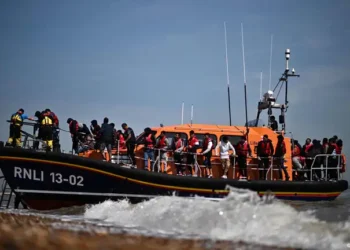 Channel Crossings Surge: Over 1,000 People Arrive in the UK in Small Boats in a Single Day
 Widow of Charlie Kirk Forgives Killer at Emotional Memorial Service
 Yvette Cooper Signals Global Momentum Towards Gaza Peace Deal Amid Humanitarian Crisis
 A Third of EU Citizens in UK Report Discrimination by Public Bodies Post-Brexit
 Public Trust in SNP Hits Historic Low Amid NHS Concerns
 Johnson Suggests Mandelson Linked to China Spy Controversy
 Rachel Reeves signals welfare reform ahead of key budget
 Ireland Votes as Two Women Compete for Presidency
 Russia’s Latest Push to Win US Favors Shows Deep Desperation
 Experts Warn Russia’s Burevestnik Missile Could Destabilise Arms Control
 BBC to Apologise Over Edited Trump Speech Amid Backlash
 Britain deploys RAF specialists to assist Belgium with drone threats
 Trump Urges Herzog to Grant Netanyahu Full Pardon
 Indian authorities demolish Kashmir home linked to Red Fort blast
 Greene Pushes Epstein Files Amid Trump Fallout
 Trump Deploys DHS to Charlotte in Major Arrest Operation
 December Run-Off in Chile as Election Produces No Winner
 Canada Passes Carney’s First Budget in Tight Parliamentary Vote
 Shadow Fleet at Sea: Europe’s Battle Against Illicit Oil Shipping
 Pentagon Officials in Ukraine to Discuss War End
 India’s COP30 Delay Raises Global Climate Concerns
 Venezuela Threatens Nobel Winner Machado with Fugitive Status
 Georgians Defy Government Crackdown After Year of Protests
 EU plans $105bn Ukraine aid using frozen Russian assets
 Russia losses Ukraine war peace talks intensify amid rising deaths
 Albanese Opens Door to Bondi Royal Commission Amid Rising Pressure
 Trump Escalates Minnesota Immigration Surge Amid Rising Tensions
 Iran Protesters Defy Crackdown as Violent Clashes Intensify
 Trump Threatens Strong Action If Iran Executes Protesters
 Machado Trump medal gesture reshapes Venezuela power struggle
 Andrew Hastie Emerges as Leadership Rival to Ley
 Israel Moves to Bar MSF From Gaza Operations
 Portugal Election Delivers Socialist Win as Far Right Surges
 After the Landslide: Can India Reset Ties with BNP Bangladesh?
 Australian Families Leave Syrian Camp for Home
 Starmer Weighs Fast-Tracking Defence Boost
 Trump Attacks UK-California Energy Pact
 Nine Arrested in France Over Death of Far‑Right Student
 Andrew Arrest Sparks Republic Debate in Australia
 Australian PM Says Former Prince Andrew Has Suffered ‘Extraordinary Fall’ but That Won’t Prompt Republic Referendum
 Global corruption crisis: Who Washington shields
 Musk Cuts Starlink Access for Russian Forces – Giving Ukraine an Edge at the Front
 Farage Chagos Islands Row Sparks Fury
 How South Korea’s Democracy Rebounded After Martial Law Attempt
 Ukraine Negotiator Reveals What It Feels Like Facing Russia
 Chad Shuts Border With Sudan in Bid to Stop Conflict Spreading
 French Minister Moves to Block US Envoy Kushner from Government Access
 Louvre Museum Director Resigns Months After High‑Profile Heist
 Orbán Accuses Ukraine of Disrupting Oil Supplies to Hungary
 Trump Speech Sparks Intense Debate Across Divided America
 Has Europe truly learned from the failures of 2022?
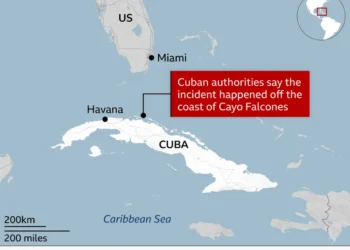 American Citizen Killed in Cuba Boat Shooting, U.S. Officials Say
 Iran’s Regime Still Intact — Coming Days Will Test Its Survival
 Allies of US in the Gulf Bear Brunt of Iran Attacks
 Trump Faces Questions Over Iran Conflict Plan
 Israel Launches Ground Invasion of Lebanon Amid Widening Middle East War
 Herzog Asio meeting sparks security storm
 Nepal Holds First General Election Since Gen Z Protests Toppled Government
 How Depleted Weapons Stockpiles Could Affect the Iran Conflict