Published: March 6, 2026
The English Chronicle Desk
The English Chronicle Online — delivering comprehensive, up‑to‑date global reporting.
The intensifying conflict around Iran and the US‑Israel military offensive is no distant geopolitical issue for India — it is already rippling through its economy and everyday life by pushing up fuel costs, pressuring the currency and threatening remittance flows vital to many households nationwide.

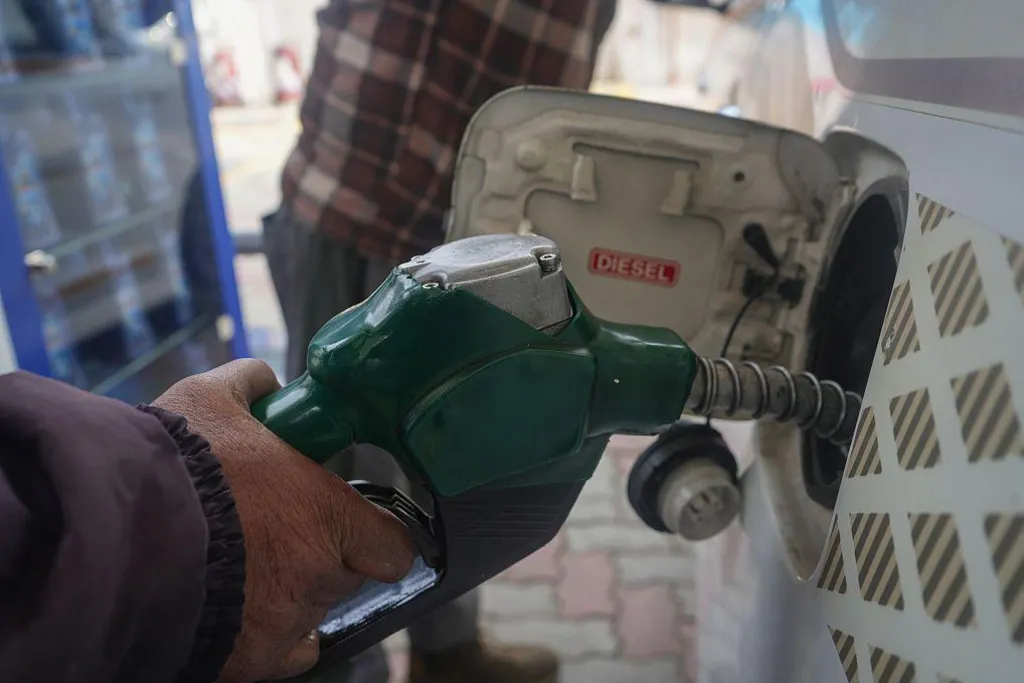
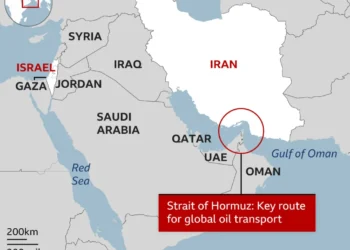
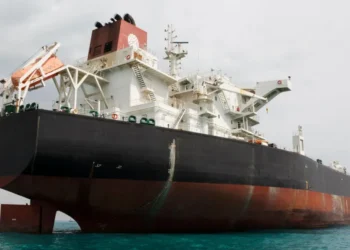
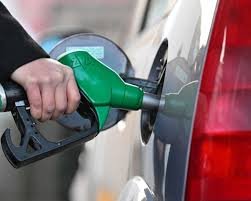
Central to India’s vulnerability is its heavy reliance on imported energy. Roughly 90 per cent of India’s crude oil needs are met through imports, and a significant share of those shipments typically pass through the Strait of Hormuz, a narrow Gulf chokepoint now effectively closed by conflict‑induced disruption. With Brent crude prices already up sharply, domestic fuel and energy costs risk rising further, fuelling inflation in petrol, diesel and cooking gas and increasing transportation costs across the economy. The Reserve Bank of India has intervened in foreign exchange markets with billions of dollars to support the rupee as currency weakness and surging global markets add pressure.
Beyond crude, liquefied petroleum gas (LPG) and liquefied natural gas (LNG) imports — critical for household cooking and industrial use — are also exposed to Gulf supply disruptions. Unlike crude, India holds minimal strategic LPG reserves, leaving domestic stocks vulnerable if imports stall for even a short period. Higher global fuel and shipping costs are straining both households and businesses, while airlines and logistics firms may pass these increased costs on to consumers.
The conflict’s implications extend into India’s labour market and household incomes. Nearly 10 million Indian nationals live and work in the Gulf region, sending record remittances home that underpin domestic consumption and help finance India’s external accounts. These remittances — which in recent years totalled over $135 billion — support millions of families and contribute to stabilising the current account deficit. A prolonged crisis in the Middle East could disrupt employment for expatriates and slow remittance flows, with potentially significant social and economic effects in states heavily dependent on these funds, such as Kerala.
India’s broader economic ties with the Middle East — including 17 per cent of exports directed to the region and deep institutional and investment connections — further heighten the stakes. Trade in key sectors, such as gems and jewellery, which relies on Gulf hubs like Dubai for logistics and markets, has already been disrupted by airspace closures and shipment delays, contributing to losses in exports and production.

Government responses have so far focused on monitoring developments and cushioning domestic markets, including urging refiners to maximise LPG output to prevent shortages. But the situation underscores how shifts in distant geopolitical fault lines can swiftly translate into local price shocks, weakened currency performance, slowed growth, and heightened uncertainty for millions of Indian households closely tied to global energy and labour markets.
Related News:
 German Chancellor Lands in Beijing for Inaugural China Trip
 ‘Extinct’ Antelope Returns to Sahara, Bringing Hope
 Guterres Warns Global Cooperation Under Threat at UN’s 80th Year
 Japan Prepares for Kashiwazaki Restart After Fukushima Legacy
 Half the World’s Largest Cities Face Rising Water Stress
 The Sound of Mayhem’: Terror and Loss at Mount Maunganui
 Reindeer Deaths Rise as Finnish Herders Blame Border Wolves
 After the Landslide: Can India Reset Ties with BNP Bangladesh?
 China Strikes at Japan’s Core — Will PM Takaichi Back Down?
 Japan’s Lost “Tigers” Were Actually Lions, Study Reveals
 Moment Officers Rescue Injured Bald Eagle From Icy Hudson River
 Shutting North Sea ‘Will Drive Up Carbon Emissions’
 India Sentences Three Men to Death for Attack on Israeli Tourist and Hosts
 Japan Braces as Takaichi Begins New Term with Huge Mandate for Low‑Tax, Ultra‑Conservative Agenda
 As Trump Retreats from Climate Goals, China Is Becoming a Green Superpower
 South Korea’s Ex-President Faces Death Penalty in Insurrection Trial
 US and Indonesia Finalise Deal to Cut Tariffs to 19%
 Mystery Donor Gives Japanese City $3.6 Million in Gold Bars to Fix Water System
 US Trade Deficit Hits Fresh High Despite Trump’s Tariffs
 Kim Jong Un Reappointed as Ruling Party Chief
 Major 7.1 Earthquake Strikes Off Malaysian Tourist Coast
 Brit Killed in Horror Bus Crash as 18 Others Die and 25 Injured
 Storm Hernando: Edinburgh Airport Flights Cancelled in US Travel Chaos
Storm Hernando: Edinburgh Airport Flights Cancelled in US Travel Chaos
Storm Hernando: Edinburgh Airport Flights Cancelled in US Travel Chaos
 The Taekwondo Teacher Tasked With Healing India’s Troubled State
 Ukraine war briefing: Russia exporting more oil now than before war despite sanctions – report
 Japan to Deploy Missiles on Island Near Taiwan by 2031
 Canada Says U.S. Unlikely to Lift Tariffs Amid Ongoing Trade Tensions
 Greenpeace $345m Ruling Sparks Appeal Battle
 Why Asian Firms Are Not Cheering Trump Tariff Ruling
 Why Asian Firms Are Not Cheering Trump Tariff Ruling
 Pakistan Strikes Afghanistan as PM Says Forces Ready to ‘Crush’ Taliban
 Nine Killed in Karachi Consulate Protest
 Could Kim’s Teen Daughter Become North Korea’s Next Leader?
 Rap Star May Beat Ex‑PM — What This Says About Nepal’s Gen Z
 The Sad, Strange Story of the World’s Most Radioactive Paradise
 Why Meloni Quietly Flooded Italy With Migrants
 China Removes Three Retired Generals From National Advisory Body
 The Little Town Making Nearly All of China’s Lanterns
 Strait of Hormuz: What Happens if Iran Shuts Global Oil Corridor?
 Nepal Leaders Call on Voters to Ensure Success of ‘Historic’ Election
 China Sets Lowest Economic Growth Target Since 1991
 Nepal Holds First General Election Since Gen Z Protests Toppled Government
 Stock Markets and Oil Prices Still Volatile Over Fears Iran War May Drag On
 Petrol Prices Soar as Retailers Accused of Gouging Amid Global Tension
 Nepal Election 2026: When Will We Get the Results?
 Iran Drones Hit Azerbaijan Airport as War Widens
 ‘Holiday From Hell’ Leaves UK Couple Stranded in Thailand
 UK Must Act with Courage and Clarity on Israel-Palestine Conflict, Says Foreign Affairs Committee Report
 Terence Stamp, ’60s British Film Legend and Star of Superman, Dies at 87
 Hong Kong Summons UK and Australian Envoys Following Asylum Grants to Democracy Activists
 Yvette Cooper Signals Global Momentum Towards Gaza Peace Deal Amid Humanitarian Crisis
 Chaos at Ibrox as Martin’s Rangers Era Comes to an End
 Russia’s Latest Push to Win US Favors Shows Deep Desperation
 BBC to Apologise Over Edited Trump Speech Amid Backlash
 Greene Pushes Epstein Files Amid Trump Fallout
 Zelenskyy Signs Fighter Jet Deal Amid Russian Drone Attacks
 Shadow Fleet at Sea: Europe’s Battle Against Illicit Oil Shipping
 US Suspends Afghan Immigration After White House Shooting
 Conservatives Pledge to Scrap 2030 Petrol and Diesel Car Ban
 UK Weather: End of Cold Spell in Sight as Temperatures Rise
 Sydney Shark Attack Surge Shocks Australia Beaches
 No Gas Boiler Ban as UK Warm Homes Plan Backs Heat Pumps
 Devon hosts first high-density hydro power system
 Portugal Election Delivers Socialist Win as Far Right Surges
 Australian Families Leave Syrian Camp for Home
 ‘I Would Scream in My Sleep’: Alawite Women from Syria Tell of Kidnap and Rape
 Epstein Eyed Record Label Investment to Access Women, Files Suggest
 How Do You Modernise Mango Farming? India’s Growers Urged to Innovate as Climate Change Hits
 Ukraine Negotiator Reveals What It Feels Like Facing Russia
 Drugs, Denial, Stigma: Fiji’s HIV Crisis Hits Children
 Hilary Knight speaks out on Trump’s recent hockey remarks
 American Citizen Killed in Cuba Boat Shooting, U.S. Officials Say
 Iran’s Regime Still Intact — Coming Days Will Test Its Survival
 In Maps: Strikes Across Iran and the Middle East
 Brit ‘in Good Spirits’ Amid Dubai Missile Attacks, Stranded but Safe
 Civilian Deaths in Iran Pass 700 Amid Fear of Bombs and Regime Clampdown
 ‘Every Day Feels Like a Month’: Iranians Describe Life Under ‘Constant’ US‑Israeli Strikes
 Penny Wong silent on Australian crew in sub strike
 Finland Plans to Lift Decades‑Old Ban on Hosting Nuclear Weapons