Published: 08 March 2026. The English Chronicle Desk. The English Chronicle Online.
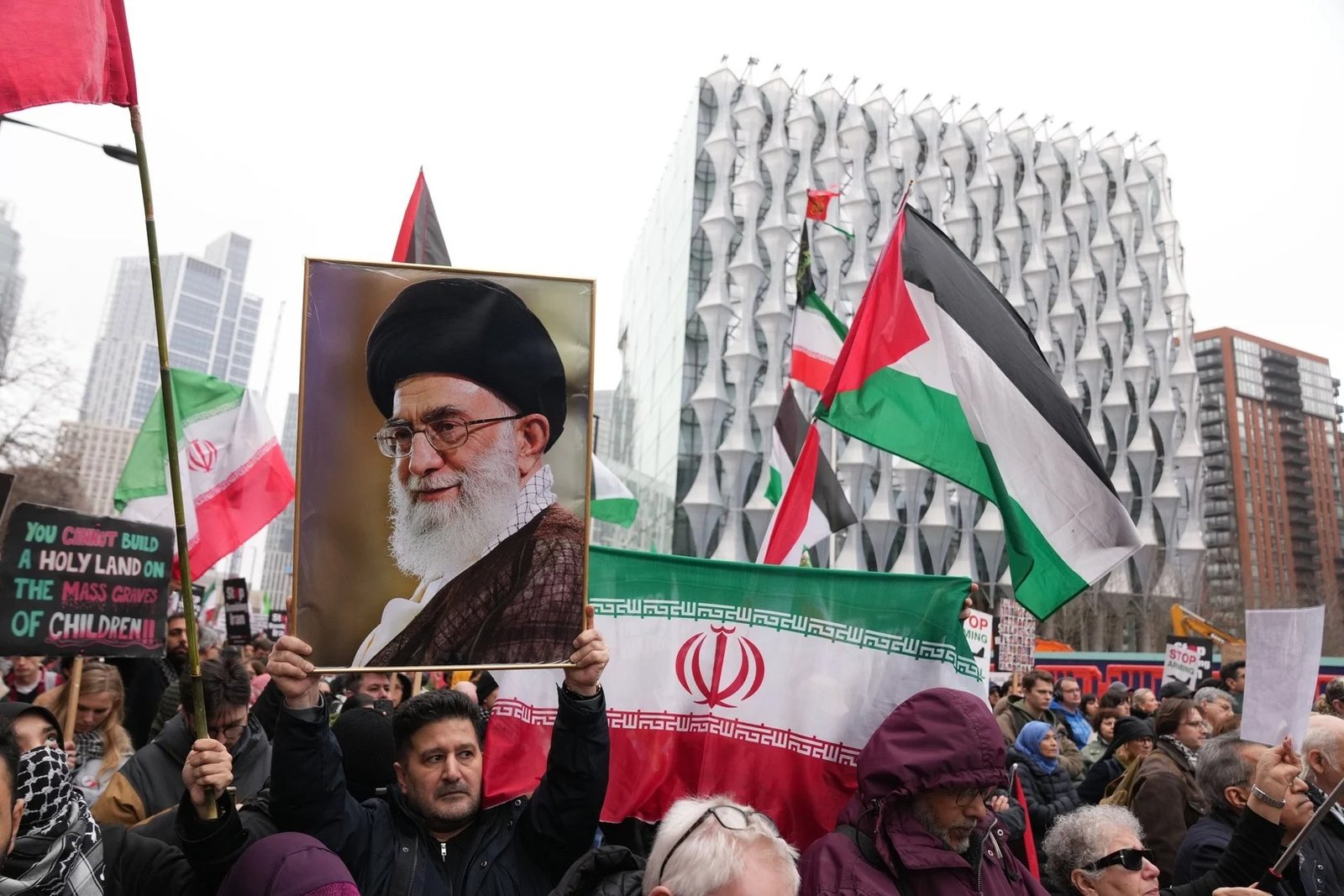
Thousands of protesters gathered in central London on Saturday demanding an immediate end to military strikes against Iran. The demonstration followed rising global tensions after coordinated attacks by the United States and Israel. Activists, campaigners, and community groups marched toward the United States Embassy carrying flags, banners, and placards. The protest reflected growing public concern about the escalating conflict and its wider humanitarian consequences. Participants called on Western governments to halt military operations and prioritise diplomatic solutions immediately.
Organisers confirmed the protest march began on Millbank near Westminster during the early afternoon. Large crowds assembled peacefully before moving together toward the American embassy in Vauxhall. Demonstrators included activists from several well-known political and humanitarian organisations across Britain. Among them were Campaign for Nuclear Disarmament, Stop The War, and the Palestine Solidarity Campaign. Other participating groups included the Muslim Association of Britain and the Palestinian Forum in Britain. Friends of Al-Aqsa also joined the coalition calling for immediate de-escalation in the Middle East conflict.

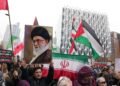
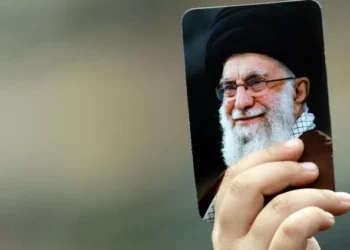
Many protesters carried Iranian and Palestinian flags as they walked through the streets of London. Some also held portraits of Iran’s former supreme leader Ayatollah Ali Khamenei. Khamenei reportedly died during the opening phase of the conflict last Saturday. His death has intensified political tensions throughout the region and beyond. Participants said their presence represented solidarity with civilians affected by the ongoing violence. Others said they wanted to highlight concerns about further regional instability.
Placards and banners displayed messages criticising the current military campaign and demanding an immediate ceasefire. Several signs carried slogans reading “Stop Trump’s Wars” and “Stop the War on Iran”. Other banners called for governments to end arms supplies to Israel. Demonstrators also raised concerns about international law and civilian safety during the conflict. The tone of the march remained vocal yet largely peaceful throughout the afternoon. Police officers accompanied the demonstration to ensure the route remained safe and orderly.
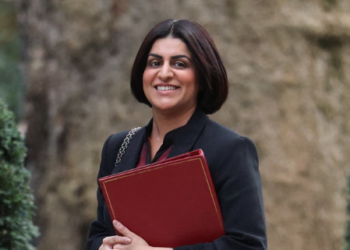
Outside the United States Embassy, political figures addressed the crowd gathered near the entrance gates. Independent Member of Parliament Zarah Sultana delivered one of the most prominent speeches. She told demonstrators their voices must not be ignored during this crucial moment. Sultana reminded the crowd of past protests against international military interventions. Her speech referenced the 2003 invasion of Iraq led by American and British forces.
She said many people were once told that Iraq possessed weapons of mass destruction. According to her remarks, that claim later proved false after years of devastating conflict. Sultana argued similar narratives often appear before large-scale military operations. She warned that repeating such mistakes could bring further suffering across the Middle East. The MP urged governments to learn from history and avoid another prolonged war.
Addressing the crowd, she reflected on the earlier anti-war demonstrations held two decades ago. Many protesters who marched against the Iraq invasion believed their warnings were ignored. Sultana said those events must guide present political decisions about new conflicts. She insisted today’s protesters are determined not to repeat that silence. The crowd responded with loud chants calling for peace and justice.
Another message read to demonstrators came from former Labour leader Jeremy Corbyn. Corbyn could not attend the protest but sent a statement supporting the march. His message recalled the massive anti-war protests that took place in Britain during 2003. At that time hundreds of thousands opposed the invasion of Iraq before military action began. According to Corbyn’s statement, those voices were ultimately ignored by political leaders.
In his written message he warned against drawing Britain into another military conflict. Corbyn said the country must not become involved in what he described as an illegal war. He also criticised the long-standing pattern of Western intervention in several international conflicts. According to his statement, Britain should pursue a foreign policy based on cooperation and respect for sovereignty. His remarks were greeted with applause from many protesters gathered outside the embassy building.
Corbyn’s message further emphasised the human cost of prolonged warfare across different regions. He argued that endless conflicts create lasting humanitarian consequences for ordinary civilians. Families, children, and communities often suffer the greatest harm during military escalation. The former Labour leader therefore urged governments to pursue diplomacy rather than continued bombing campaigns. Protest organisers later said such messages captured the central purpose of the demonstration.
Police estimated that between five thousand and six thousand protesters joined the march. Officers accompanied the crowd along the designated route between Millbank and the embassy. The Metropolitan Police had prepared carefully for the event due to its political sensitivity. Authorities imposed conditions requiring protesters to remain on a planned path through the city. Organisers were also instructed to conclude the rally by five o’clock in the evening.
Despite the largely peaceful atmosphere, several arrests occurred during the afternoon demonstration. Police confirmed that one woman in her sixties was detained during the rally. Officers said she was arrested on suspicion of inciting racial hatred connected to a protest placard. Later updates from the Metropolitan Police confirmed three additional arrests during the event. One individual was detained for possession of an offensive weapon.
Another person faced arrest for racially aggravated public order offences linked to chanting. Police also arrested a man in his thirties suspected of involvement in violent disorder. Authorities said that incident reportedly occurred earlier in Maida Vale. Officers continued monitoring the situation closely while ensuring the demonstration ended safely. Police later confirmed that the “Hands Off Iran” rally concluded without further major disturbances.
During the march, several smaller groups carrying Israeli flags stood along sections of Millbank. These groups appeared to oppose the protesters marching toward the American embassy. As the crowd passed, some demonstrators shouted critical remarks toward the opposing group. Witnesses reported chants of “shame on you” and “murderers” directed toward those holding Israeli flags. In response, some counter-protesters replied with statements defending Israel’s actions.
Despite those heated exchanges, the march continued along its planned route toward Vauxhall. Organisers repeatedly urged participants to remain peaceful and disciplined throughout the protest. Loudspeakers at the front of the march led chants calling for an end to bombing. One chant repeated by many protesters declared that people would not remain silent. Demonstrators demanded immediate action to halt the airstrikes and begin diplomatic negotiations.
Among those attending the protest was Daniela Costa, a Brazilian student living in London. She said she joined the march to express solidarity with several nations facing political pressure. Costa explained she wanted to stand with Iran and Palestine during the current conflict. She also mentioned support for Cuba and Venezuela during international disputes. According to her comments, global solidarity remains essential during moments of international crisis.
Costa added that ordinary people cannot continue daily life while serious conflicts unfold worldwide. She said demonstrations can help governments understand public opinion regarding war and peace. The student hoped the protest would send a clear message to British leaders. According to her view, many citizens do not support involvement in military operations against Iran. She urged the government to avoid supplying weapons or strategic support.

Another protester, Martin Perry from Northampton, also explained his reasons for attending. The fifty-eight-year-old said he believed recent military actions against Iran violated international law. Perry argued that repeated interventions by powerful nations undermine global legal frameworks. He said such actions risk weakening respect for international institutions designed to maintain peace. For him, the protest represented a call for accountability and lawful diplomacy.
Perry also wanted to send a message directly to Prime Minister Keir Starmer. He said many citizens oppose British participation in another overseas military campaign. According to his remarks, public opinion strongly favours diplomatic engagement rather than armed intervention. The protest therefore aimed to demonstrate visible resistance to deeper British involvement. Similar sentiments were echoed by many people interviewed during the demonstration.
Organisers concluded the rally by thanking participants for maintaining a largely peaceful atmosphere. They emphasised that the movement would continue advocating diplomatic solutions to the crisis. Campaign groups also announced plans for additional demonstrations later this month in London. One upcoming march will focus on opposing far-right movements and defending democratic values. Activists believe continued public engagement remains essential during periods of international tension.
As evening approached, crowds gradually dispersed around the Vauxhall area under police supervision. The embassy returned to normal security operations after the final speeches ended. While the protest concluded peacefully, its message echoed widely across political debates. Many participants hope the demonstration will influence policymakers considering Britain’s role in the conflict. For now, the voices calling for peace continue to grow louder across the United Kingdom.
Related News:
 California Democrats Vow Trump Reckoning
 Hopes and Fears as US Iranians Take to Streets After Toppling of Supreme Leader
 Iran, the US, and a World Cup That Starts in Three Months
 Cooper: Joining US Strikes on Iran ‘Not in Britain’s Interest’
 Trump’s Iran Endgame Unclear After Mixed Messaging on War Aims
 Rubio Responds to Reported Strike on Iranian School
 Scots Caught Up in Middle East Crisis ‘Just Waiting for the Next Explosion’
 US Senate Backs Trump War Powers Amid Iran Missile Barrage
 Green Party Surges Past Labour in Latest UK Poll
 Celebrities and Charities Demand UK Government Act on Child Poverty
 Trump’s UK Ambassador Urges North Sea Drilling to Strengthen US Ties
 FBI Director Kash Patel Defends Girlfriend Amid Government Jet Claims
 French Taxi Driver Cleared in David Lammy Theft Case After Fare Dispute
 ‘Reckless’ cuts to victims’ services will cost more than they save
 Millionaires group urge Reeves to introduce wealth tax to ‘lift kids out of poverty’
 Starmer Faces Growing Dissent as Labour MPs Weigh Leadership Challenge
 Reeves rejects £1bn plea for NHS redundancy payouts
 Politics latest: Starmer ‘will fight any leadership coup’ as Streeting denies attempt to oust Labour PM
 PM Condemns Leaks, Vows Loyalty to Ministers and Stability
 Major Rent Reform Ends No-Fault Evictions in England
 Peers Flood Assisted Dying Bill with 942 Amendments
 England’s Special Needs Support Faces Breaking Point
 MoD warned over Excel risks before Afghan data breach
 Most Tories Expect to Support a Farage-Led Government
 Labour MP claims devolution bill is ‘blatant discrimination’ against Cornwall
 Millions Face Higher Taxes Under Reeves New Budget
 US National Guard Member Killed in DC Shooting
 Starmer Says Labour’s Economic Plan Needs Years to Deliver
 Culture secretary to review Telegraph takeover by Daily Mail owner
 Russia losses Ukraine war peace talks intensify amid rising deaths
 Trump Escalates Minnesota Immigration Surge Amid Rising Tensions
 Homeland security agents deployed amid Minneapolis protests
 Plans to Limit Jury Trials Face Retreat After Mounting Opposition
 Trump Threatens Strong Action If Iran Executes Protesters
 Right Must Unite After Jenrick Defection, Urges Rees-Mogg
 UK Ministers Drop Foreign Student Targets for Global Education Push
 MPs warn AI financial risks threaten UK stability
 MPs warn AI financial risks threaten UK stability
 No Gas Boiler Ban as UK Warm Homes Plan Backs Heat Pumps
 Hugh Grant Joins Call for Under-16 Social Media Ban in UK
 Shinzo Abe’s killer receives life sentence in Japan
 Lords Vote Piles Pressure on Starmer Over Social Media Ban
 EU Says US Ties Have Suffered ‘Big Blow’ After Greenland Crisis
 Reform UK Health Plan ‘Would Cost £1.7bn’, Streeting Says
 Police response times face strict new national limits
 Labour policing overhaul sparks fears over growing central control
 Tories criticised after Braverman defection sparks mental health row
 Starmer warns of toxic division politics in Reform challenge
 Starmer China visit raises human rights pressure on Beijing
 Trump Praises ‘Terrific’ Petro After White House Talks
 Palantir contracts face UK halt calls over transparency
 Nurses’ families fear breakup under UK immigration crackdown
 Labour Lord Doyle Apologises Over Paedophile Ties in Political Storm
 Cabinet Secretary Shake-Up Triggers Due Diligence Warning
 Starmer Faces Inquiry Calls Over Thinktank Probe
 Royal Mail Delivery Crisis Deepens Amid Weather Chaos
 Farage to Name Jenrick as Reform Chancellor Pick
 Civil Service Pay: Union Urges Ministers to End ‘Barking Mad’ Limits
 Antonia Romeo appointment sparks criticism
 Trump and Chagos Deal Rift Over Iran Strikes
 Farage Chagos Islands Row Sparks Fury
 Trump Tariffs Threat Spark UK and EU Alarm
 Gasfield Deal Sparks Debate Over Fracking in Lincolnshire
 Reform UK targets workers’ rights repeal
 Mandelson Denounces Arrest Over ‘Baseless’ Fleeing Claims
 Russian Trade Routed Through British Islands Exposed
 Mandelson Arrest: Met Apologises to Hoyle
 Palestine Action ban appeal moves forward
 Reeves Must Back Defence Plan or Face Dismissal, Says Unite Chief
 Green Party Stuns Labour in Gorton and Denton Byelection
 Iran’s Regime Still Intact — Coming Days Will Test Its Survival
 Allies of US in the Gulf Bear Brunt of Iran Attacks
 Refugee Status Overhaul Sparks UK Debate
 Trump Faces Questions Over Iran Conflict Plan
 Why the US and Israel attacked Iran
 Israel Launches Ground Invasion of Lebanon Amid Widening Middle East War
 Texas Senate seat fight heads to runoff as votes split
 Cooper and Whatley Win Primaries for North Carolina Senate
 BBC Charter Reform Sparks Independence Battle
 Asylum Seekers to Work After Year-Long Wait