Monday, March 9, 2026
  • About Us
  • Advertise
  • Privacy & Policy
  • Team
  • Contact
The English Chronicle
Advertisement
  • Home
  • Business & Economy
  • Politics
  • Entertainment
  • Sports
  • Science & Technology
  • UK News
  • World News
  • Health
No Result
View All Result
  • Home
  • Business & Economy
  • Politics
  • Entertainment
  • Sports
  • Science & Technology
  • UK News
  • World News
  • Health
No Result
View All Result
The English Chronicle
No Result
View All Result

UK Prepares Aircraft Carrier for Middle East Crisis

20 hours ago
in Defence And Military, Latest, Middle East, Politics, UK News, US News, War and Conflict, World News
UK Prepares Aircraft Carrier for Middle East Crisis
0
SHARES
15
VIEWS
Share on FacebookShare on Twitter

Published: 08 March 2026. The English Chronicle Desk. The English Chronicle Online.

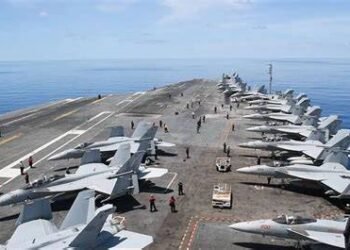
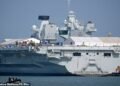
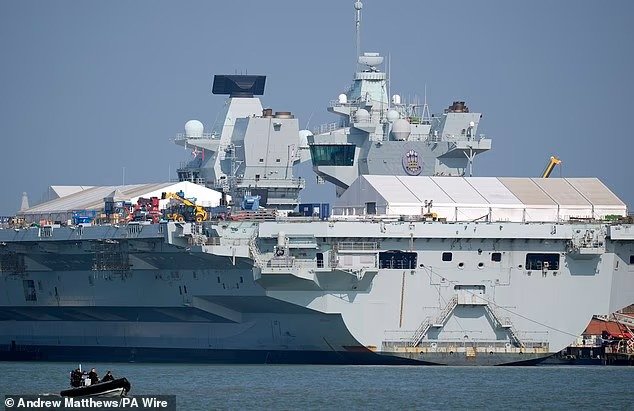
Britain is preparing one of its most powerful naval assets for possible deployment to the Middle East. The move comes as regional tensions continue rising following recent military strikes and retaliatory attacks. Defence officials confirmed that preparations are underway for the Royal Navy aircraft carrier HMS Prince of Wales. The vessel is currently based in Portsmouth and serves as the flagship of the Royal Navy fleet. Although no final deployment order has been issued, preparations indicate heightened military readiness.

Officials at the Ministry of Defence said the carrier’s readiness level has been increased significantly. Engineers, technicians, and naval crews have begun intensive preparations at the Portsmouth naval base. These activities aim to reduce the time needed for the ship to leave port if necessary. Defence sources emphasised that the process reflects precautionary planning rather than a confirmed military deployment. However, the steps underline the seriousness of the ongoing crisis across the Middle East region.

New review urges UK to repatriate Shamima Begum, others from Syria

According to defence officials, HMS Prince of Wales has always maintained high operational readiness. The current preparations simply ensure the vessel could depart quickly if required by government decision. Military planners have shortened the carrier’s notice-to-move period from ten days to five days. This change allows commanders to respond faster should the security situation deteriorate further. Crews aboard the vessel have already been informed about the possibility of deployment.

If deployment eventually occurs, the aircraft carrier would not travel alone into the region. Such large warships normally operate as part of a coordinated naval strike group. That group would likely include several escort vessels, support ships, and at least one submarine. Together these forces would provide protection against aerial, surface, and underwater threats. The presence of such a group could significantly strengthen allied military capabilities in the Middle East.

The possible deployment follows a sudden escalation in regional conflict after recent airstrikes. Joint military operations by the United States and Israel targeted Iranian military infrastructure earlier this month. During the opening phase of those attacks, Iran’s supreme leader Ayatollah Ali Khamenei was reportedly killed. Several senior Iranian military leaders also died during the initial strikes. The incident dramatically increased tensions and triggered retaliatory missile and drone attacks by Iran.

These retaliatory strikes have targeted several locations across the wider Middle East region. Allied governments remain concerned about the safety of civilians, diplomatic missions, and military personnel. British officials have therefore taken steps to strengthen defensive capabilities across regional bases. Military planners say the presence of an aircraft carrier could provide additional security flexibility if required. However, officials continue emphasising that diplomatic solutions remain the preferred path.

The Ministry of Defence also confirmed ongoing air operations conducted by the Royal Air Force. British fighter jets continue flying missions over Jordan, Qatar, and Cyprus. These operations aim to monitor airspace and defend British interests across the region. Aircraft involved in these missions include Typhoon and F-35 fighter jets equipped with advanced surveillance systems. Military officials say these patrols remain vital during periods of heightened regional instability.

At the same time, the United States has begun using British military facilities for certain defensive operations. Strategic aircraft recently arrived at RAF Fairford in Gloucestershire to support these activities. Several American B-1 Lancer bombers landed there during the weekend following government approval. Defence officials described their mission as preventing Iranian missile launches threatening allied forces. The deployment highlights the close military cooperation between Britain and the United States.

A Ministry of Defence spokesperson explained that Britain has gradually increased its military presence in the Middle East. Reinforcements began arriving earlier this year as tensions within the region slowly intensified. Additional aircraft, personnel, and defensive systems have been deployed to protect British nationals. These measures also support allied governments facing potential threats from missile and drone attacks. According to officials, protecting citizens and allies remains the government’s primary responsibility.

Since January, Britain has deployed advanced fighter aircraft and defensive systems to key locations. Air defence technology has been positioned to intercept missiles and unmanned aerial vehicles. Approximately four hundred additional British military personnel have also arrived in Cyprus. These reinforcements support surveillance missions, intelligence gathering, and regional security operations. Defence planners say such preparations ensure rapid response capability if threats escalate further.

During the recent conflict, British aircraft have already engaged hostile aerial targets. Defence officials confirmed that British jets intercepted several drones in regional airspace. These interceptions helped prevent potential attacks against allied installations and civilian areas. Military commanders emphasise that such actions remain purely defensive and protective. However, they demonstrate the level of operational activity currently occurring across the region.

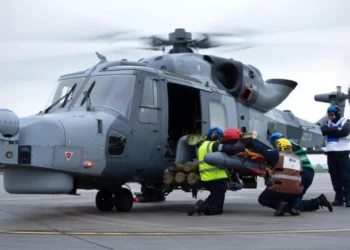
Further military equipment has also been sent to strengthen defensive operations in the Middle East. Additional Typhoon fighter jets recently deployed to reinforce air patrol capabilities. Wildcat helicopters equipped with specialised missile systems have also arrived in Cyprus. These aircraft are designed specifically to intercept and destroy unmanned aerial vehicles. Their presence reflects the growing importance of counter-drone technology in modern conflicts.

Another surveillance aircraft, the Merlin helicopter, is also heading toward the region. The helicopter will assist with maritime surveillance and intelligence collection activities. Equipped with sophisticated radar and detection systems, it can track threats across large areas. Defence planners believe these capabilities will enhance situational awareness for allied commanders. Such intelligence gathering remains crucial for preventing surprise attacks during volatile situations.

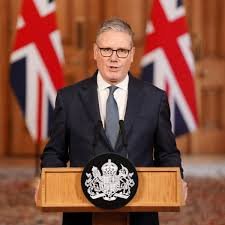
Political debate within Britain has intensified as military preparations expand. Prime Minister Keir Starmer has faced criticism from opposition politicians regarding the pace of deployment decisions. Some Conservative leaders argue the government responded too slowly to the emerging conflict. They claim stronger and earlier military support for allies could have been provided. The criticism reflects wider disagreements about Britain’s role in international security crises.

Earlier this week, Starmer announced plans to send additional fighter aircraft toward the region. The prime minister defended the decision as a balanced response to a rapidly changing situation. According to his office, Britain must act responsibly while avoiding unnecessary escalation. Government officials say careful consideration remains essential before deploying large naval forces. They insist that any decision regarding HMS Prince of Wales will prioritise national interests.

Meanwhile, evacuation operations for British citizens have continued alongside military preparations. Hundreds of civilians living across the Middle East have returned to Britain in recent days. Government-chartered flights have transported citizens away from areas affected by the conflict. One of the latest flights arrived at Gatwick Airport shortly after midnight on Saturday. The aircraft carried passengers who had been waiting for safe travel arrangements.

These evacuation efforts form part of a broader government response to the regional crisis. Thousands of British citizens had previously been living or working across Gulf states. Many sought assistance from British authorities once the conflict escalated dramatically. Officials have worked continuously to organise safe travel routes and emergency support. The government says protecting citizens abroad remains a priority during international emergencies.

According to official figures, more than six thousand five hundred Britons have returned from the United Arab Emirates. The returns occurred after widespread instability disrupted normal travel conditions across the region. British diplomats and consular officials assisted many of those citizens with documentation and flights. Their work continues as additional people request assistance leaving the region. Authorities say the situation remains fluid and may change rapidly.

The Foreign Office has also reported a large number of British nationals currently present across the Middle East. More than one hundred sixty thousand people have registered their presence through official travel monitoring systems. These registrations help authorities maintain contact during emergencies or evacuation situations. Officials regularly update travel advice based on the latest security assessments. Citizens are encouraged to remain alert and follow official guidance.

As tensions continue rising, military planners and diplomats remain focused on preventing further escalation. The preparation of HMS Prince of Wales illustrates Britain’s readiness to respond if required. At the same time, government leaders continue supporting diplomatic efforts to reduce hostilities. Many international observers believe careful strategy will be essential in the coming weeks. For now, Britain’s armed forces remain prepared for multiple possible scenarios.

The coming days may determine whether military deployments expand further or diplomatic talks gain momentum. Regional stability remains uncertain as all sides monitor each other’s actions closely. Britain’s preparation of its flagship carrier reflects the seriousness of the situation. Yet officials continue stressing that readiness does not necessarily mean imminent war. Instead, it represents a precaution during one of the most tense international crises in recent years.

Related News:

UK stance US Iran strikesCooper: Joining US Strikes on Iran ‘Not in Britain’s Interest’ Trump Iran war aims mixed messagingTrump’s Iran Endgame Unclear After Mixed Messaging on War Aims Thousands Protest Iran Strikes Outside US Embassy LondonThousands Protest Iran Strikes Outside US Embassy London US Bombers Arrive at RAF Base Amid Rising Iran Tensions Published: 08 March 2026. The English Chronicle Desk. The English Chronicle Online. Four United States strategic bombers have arrived at a Royal Air Force base in Britain as tensions with Iran escalate across the Middle East. The deployment signals growing military coordination between Washington and London during a rapidly developing regional conflict. British defence officials confirmed the aircraft will conduct defensive missions aimed at preventing Iranian missile attacks across the region. The move follows warnings from American leaders that military strikes against Iranian targets may intensify significantly in the coming days. The aircraft involved in the deployment are B-1 Lancer bombers, large supersonic aircraft designed for long-range strike missions. Each bomber measures approximately forty-five metres in length and can carry up to twenty-four cruise missiles. Their arrival at RAF Fairford in Gloucestershire occurred over two days during the weekend. One aircraft landed on Friday evening while three additional bombers arrived on Saturday morning. British officials confirmed that the deployment followed approval from Prime Minister Keir Starmer earlier this week. According to the Ministry of Defence, the aircraft will carry out what officials describe as specific defensive operations. These missions are intended to prevent Iran from launching missiles toward allied countries across the Middle East. Defence officials emphasised that the operations focus on protection rather than expanded offensive campaigns. However, the arrival of such powerful aircraft demonstrates the seriousness of the current security situation. Military planners expect the bombers to remain ready for action as tensions continue rising throughout the region. The deployment also reflects growing warnings from Washington about an escalation of military activity. American defence leaders recently announced that operations against Iranian targets could increase rapidly. Officials in the United States said additional aircraft, fighter squadrons, and defensive capabilities would soon be deployed. These preparations suggest that military pressure on Iran may intensify within a short period. The arrival of bombers in Britain forms part of that broader strategic preparation. Britain’s Chief of the Defence Staff, Admiral Sir Richard Knighton, confirmed that operational missions may begin soon. Speaking about the situation, Knighton said the United States could launch missions from RAF Fairford within days. Military personnel at the base have already begun preparing logistical support and operational planning. Aircraft crews are expected to coordinate closely with American and British defence authorities. Such preparations highlight the strategic role Britain plays within wider allied security operations. The decision to permit American operations from British bases followed intense discussions inside the British government. Prime Minister Starmer authorised defensive military action from RAF Fairford and the Diego Garcia base. Diego Garcia lies in the Indian Ocean and remains one of the most strategically important military facilities. Both locations provide critical support for long-range aircraft operating across the Middle East. Their use allows allied forces to respond quickly to developing threats within the region. On Saturday afternoon, the Ministry of Defence released a formal update outlining the current military activity. The statement confirmed that American forces had already begun limited operations using British facilities. Officials stressed that the missions focus on preventing Iranian missile launches threatening regional security. According to defence leaders, these operations are designed to protect British personnel and allied civilians living nearby. The statement emphasised that Britain remains committed to safeguarding its national security interests abroad. In addition to the bomber deployment, Britain has dispatched further military resources toward the Middle East. Defence officials confirmed that a Merlin helicopter is travelling toward the region to assist operations. The aircraft is widely known for its anti-submarine capabilities and advanced surveillance technology. Military planners say it will help monitor potential maritime threats and gather intelligence. Such surveillance missions play an important role in maintaining early warning systems during regional conflicts. The arrival of the bombers occurred shortly after comments from United States Defence Secretary Pete Hegseth. Earlier in the week, Hegseth warned that American military strikes could soon increase dramatically. He said the Pentagon was preparing more fighter squadrons, stronger defensive capabilities, and additional bomber missions. His remarks reflected Washington’s determination to respond strongly to Iranian military actions. Analysts believe the expanding deployments aim to deter further escalation from Tehran. Meanwhile, the political atmosphere surrounding the conflict remains tense both internationally and within Britain itself. On Friday, United States President Donald Trump demanded Iran’s unconditional surrender. His statement followed reports that Israeli warplanes carried out bombing raids against targets in Tehran and Beirut. At the same time, Iran reportedly launched a new wave of retaliatory missile strikes toward Israel and several Gulf states. These developments have intensified fears of a broader regional confrontation. Prime Minister Starmer has faced political pressure regarding his cautious approach to the conflict. Earlier in the crisis he blocked proposals allowing immediate offensive strikes from British territory. Instead, he approved only defensive operations intended to prevent missile launches. The decision aimed to balance security cooperation with caution about deeper military involvement. Nevertheless, the policy has sparked criticism from both domestic opponents and international observers. Donald Trump publicly criticised Starmer’s hesitation earlier this week during comments shared online. The American president compared the British leader unfavourably with wartime prime minister Winston Churchill. Trump suggested that Britain had delayed offering meaningful support during the conflict’s early stages. Despite that criticism, British officials insist the alliance between both nations remains strong. Defence cooperation continues through intelligence sharing, logistics support, and joint military planning. Reports have also emerged about discussions held during a confidential meeting of the National Security Council. According to several media outlets, some cabinet ministers initially questioned the decision to allow American operations. Figures including Yvette Cooper, Shabana Mahmood, Ed Miliband, and Rachel Reeves were reportedly cautious about the proposal. These concerns reflected wider political anxiety about becoming involved in another Middle Eastern conflict. Government sources later insisted that all ministers ultimately supported the agreed national position. Starmer rejected claims that divisions existed inside his cabinet over the policy decision. He said every minister involved in the National Security Council backed the final strategy. According to the prime minister, careful consideration of all options was necessary before making such a significant choice. He also emphasised that Britain’s primary goal remains protecting its citizens and allies. The government continues monitoring developments closely as the crisis evolves. London’s mayor, Sadiq Khan, also commented publicly on the growing tensions in the Middle East. Khan supported the prime minister’s decision to resist pressure for immediate offensive action. He warned that military interventions lacking international consensus could produce dangerous consequences. According to Khan, lasting peace requires diplomatic strategy rather than unilateral military escalation. His remarks reflected the cautious tone adopted by several political leaders within Britain. Diplomatic activity has also continued alongside the military preparations. Prime Minister Starmer recently held a conversation with Saudi Arabia’s Crown Prince Mohammed bin Salman. During that discussion, Starmer emphasised Britain’s willingness to support regional allies if necessary. The United Kingdom also remains committed to protecting British citizens living in the Gulf region. Such diplomatic contacts aim to reassure partners while avoiding further escalation. Recent developments have also highlighted concerns about regional security vulnerabilities. Earlier this week a drone evaded detection and struck RAF Akrotiri in Cyprus. The incident raised questions about air defence capabilities protecting key military installations. Some Gulf governments criticised Britain for failing to respond more rapidly to regional threats. These criticisms added further pressure on the British government during an already tense diplomatic period. Military planners are also preparing to deploy additional naval forces toward the eastern Mediterranean. The air defence destroyer HMS Dragon is expected to sail within the coming week. Defence officials say preparations require time because the ship may remain deployed for several months. Equipping the vessel for extended operations ensures greater operational readiness once it reaches the region. Allied countries including France and Greece have already dispatched military resources to defend Cyprus. Political debate within Britain has intensified as opposition parties challenge the government’s approach. Conservative leader Kemi Badenoch criticised Starmer during her party’s spring conference in Harrogate. She argued the government appeared hesitant during a moment of international crisis. Badenoch claimed Britain is already involved in the conflict whether ministers acknowledge that reality or not. Her remarks reflected growing pressure on the government from opposition politicians. Badenoch also suggested that the prime minister seemed reluctant to support allies decisively. She argued that hesitation could weaken Britain’s influence in global security partnerships. The Conservative leader insisted that strong leadership requires clear decisions during international crises. Her comments sparked heated debate among political commentators and defence analysts. Government ministers strongly rejected the accusations during subsequent interviews. Defence Secretary John Healey criticised Badenoch’s earlier remarks about British military readiness. She had suggested that British aircraft had been waiting without taking necessary action. Healey described the comment as disrespectful toward members of the armed forces. According to the defence secretary, British personnel work continuously to protect national and allied security interests. He urged political leaders to recognise the professionalism of military service members. Former Conservative foreign policy figures have defended Badenoch’s criticism of the government. Andrew Mitchell argued she raised legitimate concerns about slow decision-making during crises. He said the debate highlights broader questions about Britain’s role in global security. These political disagreements demonstrate how the Middle East conflict continues influencing domestic debate. Analysts believe such discussions will intensify if the conflict expands further. Meanwhile, efforts continue to assist British citizens affected by the growing regional instability. A second government-chartered evacuation flight arrived at Gatwick Airport on Saturday evening. The aircraft carried Britons who had been stranded in Oman as tensions escalated. Officials say evacuation operations will continue while conditions remain uncertain. Authorities remain focused on ensuring the safety of citizens living across the wider Gulf region. Those returning on the latest flight joined thousands of Britons who already left the region. Approximately six thousand five hundred people have returned from the United Arab Emirates since fighting intensified. The government continues monitoring travel conditions and advising citizens about potential risks. Diplomatic missions across the region remain prepared to assist additional evacuations if necessary. Such efforts underline the growing international impact of the conflict. As the crisis continues unfolding, military deployments and diplomatic discussions remain closely connected. The arrival of American bombers in Britain illustrates the strategic cooperation between both nations. At the same time, political debates reveal the complexity of balancing alliance commitments with caution. For now, defence leaders continue preparing for possible escalation while urging restraint. The coming days may prove critical for determining whether tensions rise further or begin to ease.US Bombers Arrive at RAF Base Amid Rising Iran Tensions US Iranian diaspora reactions Iran supreme leader topplingHopes and Fears as US Iranians Take to Streets After Toppling of Supreme Leader Iran World Cup participation 2026 uncertaintyIran, the US, and a World Cup That Starts in Three Months UK allow US use bases IranUK Will Allow US to Use Bases to Strike Iranian Missile Sites, PM Says Rubio Iranian school strike responseRubio Responds to Reported Strike on Iranian School Scots Middle East crisis experiencesScots Caught Up in Middle East Crisis ‘Just Waiting for the Next Explosion’ US Senate backs Trump war powers Iran missile barrageUS Senate Backs Trump War Powers Amid Iran Missile Barrage British Woman in Iran ‘Losing Hope’ Amid Ongoing DetentionBritish Woman in Iran ‘Losing Hope’ Amid Ongoing Detention BBC Journalist Held and Interrogated in VietnamBBC Journalist Held and Interrogated in Vietnam Zohran Mamdani names all-female transition team for NYC mayoraltyZohran Mamdani becomes New York City’s first Muslim mayor Zohran Mamdani names all-female transition team for NYC mayoraltyZohran Mamdani names all-female transition team for NYC mayoralty Second world war veterans honoured as King leads Remembrance SundaySecond world war veterans honoured as King leads Remembrance Sunday BBC director-general and news chief resign amid bias rowBBC director-general and news chief resign amid bias row Rama Rebukes Mahmood for Targeting Albanian FamiliesRama Rebukes Mahmood for Targeting Albanian Families Russian Vessel Used Lasers on RAF Pilots, UK ClaimsRussian Vessel Used Lasers on RAF Pilots, UK Claims Putin escalates demands as US peace talks near in MoscowPutin Intensifies Territorial Demands Before US Talks Trump green card reviewTrump to Recheck Green Cards from 19 Nations After DC Attack Ireland Boosts Ukraine Aid as Zelensky Visits DublinIreland Boosts Ukraine Aid as Zelensky Visits Dublin Russia losses Ukraine war peace talksRussia losses Ukraine war peace talks intensify amid rising deaths immigration surgeTrump Escalates Minnesota Immigration Surge Amid Rising Tensions Greenland Faces Pivotal Summit Over Arctic Power StruggleGreenland Faces Pivotal Summit Over Arctic Power Struggle Trump Iran protesters executionTrump Threatens Strong Action If Iran Executes Protesters Machado NobelTrump Receives Machado’s Nobel Medal in White House Meeting US Africa aidUS Africa aid remarks spark anger after leaked State email Trump Pulls Canada from His Controversial ‘Board of Peace’ PlanTrump Pulls Canada from His Controversial ‘Board of Peace’ Plan EU Says US Ties Have Suffered ‘Big Blow’ After Greenland CrisisEU Says US Ties Have Suffered ‘Big Blow’ After Greenland Crisis Starmer China visitStarmer China visit raises human rights pressure on Beijing UK and EU Signal Fresh Push for Defence Cooperation TalksUK and EU Signal Fresh Push for Defence Cooperation Talks Thousands Protest ICE Operations in Nationwide US Day of ActionThousands Protest ICE Operations in Nationwide US Day of Action Epstein Files Reveal Trump Officials’ Emails with FinancierEpstein Files Reveal Trump Officials’ Emails with Financier Thousands Protest ICE in New York Against Trump Deportation CampaignThousands Protest ICE in New York Against Trump Deportation Campaign Cory Bernardi One NationCory Bernardi joins One Nation for SA election Russian attacks Ukraine energy StarmerStarmer Condemns ‘Depraved’ Russian Strikes on Ukraine Trump Petro White House talksTrump Praises ‘Terrific’ Petro After White House Talks Starmer Weighs Fast-Tracking Defence Boost White House Iran deal warning military presenceUS Urges Iran to Make Deal as Military Presence Rises Chagos IslandsTrump Warns Over Chagos Islands Deal Chagos dealTrump and Chagos Deal Rift Over Iran Strikes Andrew Mountbatten-WindsorAndrew Mountbatten-Windsor Arrest After FBI Radar US build-up of warships and fighter jets near IranUS Build-Up of Warships and Fighter Jets Tracked Near Iran Trump foreign policy Iran tensionsTrump’s Foreign Policy Dilemma Laid Bare by Iran Tensions Farage Chagos IslandsFarage Chagos Islands Row Sparks Fury Trump reckoningCalifornia Democrats Vow Trump Reckoning Trump tariffsTrump Tariffs Threat Spark UK and EU Alarm US Beirut embassy evacuation Iran tensionsUS Partially Evacuates Beirut Embassy Amid Rising Iran Tensions Trump Iran airstrikes Kushner WitkoffTrump’s Iran airstrikes decision to be guided by Kushner and Witkoff’s advice Clinton testimonyClinton Testimony Erupts in Fiery Exchange Middle East Flights HaltedMiddle East Flights Halted After Iran Strikes Iran tensionsUK Allows US Base Use Amid Iran Tensions Israel Hezbollah exchange fire Lebanon conflictIsrael and Hezbollah Exchange Fire as Conflict Worsens Iran regime survival after Khamenei deathIran’s Regime Still Intact — Coming Days Will Test Its Survival Iran attacks Gulf US alliesAllies of US in the Gulf Bear Brunt of Iran Attacks US-Israel attacks on Iran retaliation day twoRetaliations Continue on Day Two of US-Israel Attacks on Iran Iran school strike reported deathsAt Least 153 Dead After Reported Strike on School, Iran Says Iran school strike reported deathsAt Least 153 Dead After Reported Strike on School, Iran Says Dubai under attack Iran strikes‘It’s Eerie’ – Dubai on Edge as City Comes Under Attack BBC Beit Shemesh Iran missile strike reportBBC Reports from Beit Shemesh After Deadly Iranian Missile Strike UK stance and Trump vows Iran conflictBritain’s Position and Trump Vows to Press On in Iran Conflict Iran conflictTrump Faces Questions Over Iran Conflict Plan Trump Iran war powers CongressDid Trump Declare War and Did Congress Approve Iran Attacks? What to Know US Israel attack IranWhy the US and Israel attacked Iran Israel attack Tehran Beirut IranIsrael Launches Fresh Strikes on Tehran & Beirut; US Warns “Hardest Hits” Ahead Iran US Israel war unknown directionThree Days In, This War’s End Is Still Unclear US weapons stockpiles Iran warUS Has ‘Enough Weapons for Forever War,’ Trump Says Israel strikes Lebanon Hezbollah Iran conflictIsrael Strikes Lebanon After Hezbollah Rocket Fire as Iran Conflict Widens Israel Tehran Beirut Riyadh dronesIsrael’s New Airstrikes on Tehran & Beirut After US Embassy in Riyadh Is Hit Israel Lebanon ground invasion Middle East warIsrael Launches Ground Invasion of Lebanon Amid Widening Middle East War Iranian rockets Dubai Instagram starsIranian Rockets Are Testing the Resolve of Dubai’s Instagram Stars US embassy Riyadh Iranian drones Lebanese conflictUS Embassy in Riyadh Hit by Iranian Drones as Israeli Troops Enter Southern Lebanon US strikes Iran triggered Israel plan RubioUS Strikes on Iran Triggered by Israel’s Plan to Launch Attack, Rubio Says Sixth US service member killed Iran operationSixth American Service Member Killed in Iran Operation as Conflict Intensifies Trump rebukes Starmer UK refusal Iran strikesTrump Rebukes Starmer Over UK Refusal to Back Strikes on Iran Iran strikes rowTrump Rebukes Starmer Over Iran Strikes Row take out Iranian drones UKMinister Meets Crews Who Will ‘Take Out’ Iranian Drones Ukraine negotiator Russia talksUkraine Negotiator Reveals What It Feels Like Facing Russia Russian tradeRussian Trade Routed Through British Islands Exposed Cuba boat shooting American killedAmerican Citizen Killed in Cuba Boat Shooting, U.S. Officials Say
STAY CONNECTED

  • 1000 Fans
  • 450 Followers
  • 600 Subscribers

MOST POPULAR

US Bombers Arrive at RAF Base Amid Rising Iran Tensions Published: 08 March 2026. The English Chronicle Desk. The English Chronicle Online. Four United States strategic bombers have arrived at a Royal Air Force base in Britain as tensions with Iran escalate across the Middle East. The deployment signals growing military coordination between Washington and London during a rapidly developing regional conflict. British defence officials confirmed the aircraft will conduct defensive missions aimed at preventing Iranian missile attacks across the region. The move follows warnings from American leaders that military strikes against Iranian targets may intensify significantly in the coming days. The aircraft involved in the deployment are B-1 Lancer bombers, large supersonic aircraft designed for long-range strike missions. Each bomber measures approximately forty-five metres in length and can carry up to twenty-four cruise missiles. Their arrival at RAF Fairford in Gloucestershire occurred over two days during the weekend. One aircraft landed on Friday evening while three additional bombers arrived on Saturday morning. British officials confirmed that the deployment followed approval from Prime Minister Keir Starmer earlier this week. According to the Ministry of Defence, the aircraft will carry out what officials describe as specific defensive operations. These missions are intended to prevent Iran from launching missiles toward allied countries across the Middle East. Defence officials emphasised that the operations focus on protection rather than expanded offensive campaigns. However, the arrival of such powerful aircraft demonstrates the seriousness of the current security situation. Military planners expect the bombers to remain ready for action as tensions continue rising throughout the region. The deployment also reflects growing warnings from Washington about an escalation of military activity. American defence leaders recently announced that operations against Iranian targets could increase rapidly. Officials in the United States said additional aircraft, fighter squadrons, and defensive capabilities would soon be deployed. These preparations suggest that military pressure on Iran may intensify within a short period. The arrival of bombers in Britain forms part of that broader strategic preparation. Britain’s Chief of the Defence Staff, Admiral Sir Richard Knighton, confirmed that operational missions may begin soon. Speaking about the situation, Knighton said the United States could launch missions from RAF Fairford within days. Military personnel at the base have already begun preparing logistical support and operational planning. Aircraft crews are expected to coordinate closely with American and British defence authorities. Such preparations highlight the strategic role Britain plays within wider allied security operations. The decision to permit American operations from British bases followed intense discussions inside the British government. Prime Minister Starmer authorised defensive military action from RAF Fairford and the Diego Garcia base. Diego Garcia lies in the Indian Ocean and remains one of the most strategically important military facilities. Both locations provide critical support for long-range aircraft operating across the Middle East. Their use allows allied forces to respond quickly to developing threats within the region. On Saturday afternoon, the Ministry of Defence released a formal update outlining the current military activity. The statement confirmed that American forces had already begun limited operations using British facilities. Officials stressed that the missions focus on preventing Iranian missile launches threatening regional security. According to defence leaders, these operations are designed to protect British personnel and allied civilians living nearby. The statement emphasised that Britain remains committed to safeguarding its national security interests abroad. In addition to the bomber deployment, Britain has dispatched further military resources toward the Middle East. Defence officials confirmed that a Merlin helicopter is travelling toward the region to assist operations. The aircraft is widely known for its anti-submarine capabilities and advanced surveillance technology. Military planners say it will help monitor potential maritime threats and gather intelligence. Such surveillance missions play an important role in maintaining early warning systems during regional conflicts. The arrival of the bombers occurred shortly after comments from United States Defence Secretary Pete Hegseth. Earlier in the week, Hegseth warned that American military strikes could soon increase dramatically. He said the Pentagon was preparing more fighter squadrons, stronger defensive capabilities, and additional bomber missions. His remarks reflected Washington’s determination to respond strongly to Iranian military actions. Analysts believe the expanding deployments aim to deter further escalation from Tehran. Meanwhile, the political atmosphere surrounding the conflict remains tense both internationally and within Britain itself. On Friday, United States President Donald Trump demanded Iran’s unconditional surrender. His statement followed reports that Israeli warplanes carried out bombing raids against targets in Tehran and Beirut. At the same time, Iran reportedly launched a new wave of retaliatory missile strikes toward Israel and several Gulf states. These developments have intensified fears of a broader regional confrontation. Prime Minister Starmer has faced political pressure regarding his cautious approach to the conflict. Earlier in the crisis he blocked proposals allowing immediate offensive strikes from British territory. Instead, he approved only defensive operations intended to prevent missile launches. The decision aimed to balance security cooperation with caution about deeper military involvement. Nevertheless, the policy has sparked criticism from both domestic opponents and international observers. Donald Trump publicly criticised Starmer’s hesitation earlier this week during comments shared online. The American president compared the British leader unfavourably with wartime prime minister Winston Churchill. Trump suggested that Britain had delayed offering meaningful support during the conflict’s early stages. Despite that criticism, British officials insist the alliance between both nations remains strong. Defence cooperation continues through intelligence sharing, logistics support, and joint military planning. Reports have also emerged about discussions held during a confidential meeting of the National Security Council. According to several media outlets, some cabinet ministers initially questioned the decision to allow American operations. Figures including Yvette Cooper, Shabana Mahmood, Ed Miliband, and Rachel Reeves were reportedly cautious about the proposal. These concerns reflected wider political anxiety about becoming involved in another Middle Eastern conflict. Government sources later insisted that all ministers ultimately supported the agreed national position. Starmer rejected claims that divisions existed inside his cabinet over the policy decision. He said every minister involved in the National Security Council backed the final strategy. According to the prime minister, careful consideration of all options was necessary before making such a significant choice. He also emphasised that Britain’s primary goal remains protecting its citizens and allies. The government continues monitoring developments closely as the crisis evolves. London’s mayor, Sadiq Khan, also commented publicly on the growing tensions in the Middle East. Khan supported the prime minister’s decision to resist pressure for immediate offensive action. He warned that military interventions lacking international consensus could produce dangerous consequences. According to Khan, lasting peace requires diplomatic strategy rather than unilateral military escalation. His remarks reflected the cautious tone adopted by several political leaders within Britain. Diplomatic activity has also continued alongside the military preparations. Prime Minister Starmer recently held a conversation with Saudi Arabia’s Crown Prince Mohammed bin Salman. During that discussion, Starmer emphasised Britain’s willingness to support regional allies if necessary. The United Kingdom also remains committed to protecting British citizens living in the Gulf region. Such diplomatic contacts aim to reassure partners while avoiding further escalation. Recent developments have also highlighted concerns about regional security vulnerabilities. Earlier this week a drone evaded detection and struck RAF Akrotiri in Cyprus. The incident raised questions about air defence capabilities protecting key military installations. Some Gulf governments criticised Britain for failing to respond more rapidly to regional threats. These criticisms added further pressure on the British government during an already tense diplomatic period. Military planners are also preparing to deploy additional naval forces toward the eastern Mediterranean. The air defence destroyer HMS Dragon is expected to sail within the coming week. Defence officials say preparations require time because the ship may remain deployed for several months. Equipping the vessel for extended operations ensures greater operational readiness once it reaches the region. Allied countries including France and Greece have already dispatched military resources to defend Cyprus. Political debate within Britain has intensified as opposition parties challenge the government’s approach. Conservative leader Kemi Badenoch criticised Starmer during her party’s spring conference in Harrogate. She argued the government appeared hesitant during a moment of international crisis. Badenoch claimed Britain is already involved in the conflict whether ministers acknowledge that reality or not. Her remarks reflected growing pressure on the government from opposition politicians. Badenoch also suggested that the prime minister seemed reluctant to support allies decisively. She argued that hesitation could weaken Britain’s influence in global security partnerships. The Conservative leader insisted that strong leadership requires clear decisions during international crises. Her comments sparked heated debate among political commentators and defence analysts. Government ministers strongly rejected the accusations during subsequent interviews. Defence Secretary John Healey criticised Badenoch’s earlier remarks about British military readiness. She had suggested that British aircraft had been waiting without taking necessary action. Healey described the comment as disrespectful toward members of the armed forces. According to the defence secretary, British personnel work continuously to protect national and allied security interests. He urged political leaders to recognise the professionalism of military service members. Former Conservative foreign policy figures have defended Badenoch’s criticism of the government. Andrew Mitchell argued she raised legitimate concerns about slow decision-making during crises. He said the debate highlights broader questions about Britain’s role in global security. These political disagreements demonstrate how the Middle East conflict continues influencing domestic debate. Analysts believe such discussions will intensify if the conflict expands further. Meanwhile, efforts continue to assist British citizens affected by the growing regional instability. A second government-chartered evacuation flight arrived at Gatwick Airport on Saturday evening. The aircraft carried Britons who had been stranded in Oman as tensions escalated. Officials say evacuation operations will continue while conditions remain uncertain. Authorities remain focused on ensuring the safety of citizens living across the wider Gulf region. Those returning on the latest flight joined thousands of Britons who already left the region. Approximately six thousand five hundred people have returned from the United Arab Emirates since fighting intensified. The government continues monitoring travel conditions and advising citizens about potential risks. Diplomatic missions across the region remain prepared to assist additional evacuations if necessary. Such efforts underline the growing international impact of the conflict. As the crisis continues unfolding, military deployments and diplomatic discussions remain closely connected. The arrival of American bombers in Britain illustrates the strategic cooperation between both nations. At the same time, political debates reveal the complexity of balancing alliance commitments with caution. For now, defence leaders continue preparing for possible escalation while urging restraint. The coming days may prove critical for determining whether tensions rise further or begin to ease.

US Bombers Arrive at RAF Base Amid Rising Iran Tensions

20 hours ago
Princess Eugenie steps down as Anti-Slavery International patron amid Epstein files release, maintains ongoing human rights work.

Princess Eugenie steps down as patron of anti-slavery charity

19 hours ago
Undercover officer deceived women with ‘grotesque and cruel’ lies, spycops inquiry told

Undercover officer deceived women with ‘grotesque and cruel’ lies, spycops inquiry told

19 hours ago
UK Prepares Aircraft Carrier for Middle East Crisis

UK Prepares Aircraft Carrier for Middle East Crisis

20 hours ago
Thousands Protest Iran Strikes Outside US Embassy London

Thousands Protest Iran Strikes Outside US Embassy London
20 hours ago
Ukraine war briefing: Zelenskyy offers help to Saudi Crown prince on combatting Iranian drones

Ukraine war briefing: Zelenskyy offers help to Saudi Crown prince on combatting Iranian drones

19 hours ago
Load More

About Us

The English Chronicle

The English Chronicle is your trusted source for accurate, timely, and unbiased news. Based in the heart of the digital age, our mission is to deliver well-researched journalism that informs, engages, and empowers readers across the globe.

Address:-
UK Address: Harbour House, Cold Harbour Lane, Rainham, London Borough of Havering, United Kingdom. RM13 9YB

Browse by Category

  • Africa
  • Agriculture
  • Ai and Innovation
  • Animal Rights
  • Arts And Culture
  • Asia Pacific
  • Australia News
  • Business & Economy
  • Canada News
  • Child Health
  • Climate Change
  • Cricket
  • Crime
  • Defence And Military
  • Economics
  • Education
  • Energy
  • Entertainment
  • Environment
  • Europe
  • Fashion
  • Finance
  • Food
  • Health
  • History
  • Hobbies
  • Human Rights
  • innovation
  • International
  • Investigative Stories
  • Latest
  • Law
  • Life & Society
  • Market
  • Medical Innovation
  • Middle East
  • Natural Disaster
  • Politics
  • Premier League
  • Public Safety
  • Religion
  • Retail
  • Retail
  • Road Safety
  • Royal Family
  • Rural Economy
  • Science & Technology
  • Scotland and Highlands
  • Showbiz
  • Sports
  • Tech News
  • Tourism and Economy
  • Trade
  • Transport
  • Travel
  • UK News
  • US News
  • Violence
  • Wales News
  • War and Conflict
  • Weather
  • World News
Pete Hegseth Iran war

Pete Hegseth Iran War Remarks Spark Alarm

4 minutes ago
Oil prices

Oil Prices Surge Above $100 Amid Iran War

1 hour ago
Tehran oil depot strikes

Tehran Oil Depot Strikes Darken City With Toxic Smoke

1 hour ago
Mojtaba Khamenei

Mojtaba Khamenei Chosen as Iran’s New Supreme Leader

1 hour ago
  • About Us
  • Advertise
  • Privacy & Policy
  • Team
  • Contact

© 2025 The English Chronicle.

No Result
View All Result
  • Home
  • Business & Economy
  • Politics
  • Entertainment
  • Sports
  • Science & Technology

© 2025 The English Chronicle.