Published: 08 March 2026. The English Chronicle Desk. The English Chronicle Online.
An undercover police officer has admitted telling “grotesque and cruel” lies while emotionally manipulating two women during his deployment, the public spycops inquiry heard. Carlo Soracchi infiltrated leftwing and anti-fascist groups between 2000 and 2006, deceiving women into long-term sexual relationships while concealing his true identity as an undercover officer. The inquiry revealed that he fabricated stories about his family and personal history, falsely claiming that his father had died and that his sister had suffered abuse, all to gain empathy and maintain control over one of his victims, Donna McLean.
During the inquiry, it emerged that Soracchi asked McLean to marry him and told her he wanted to have a child with her, even though he was secretly married and had a child of his own. Friends and family reportedly believed that the engagement and wedding plans were real, and McLean herself made detailed arrangements, including seating plans and menu choices, based on the false proposals. Soracchi admitted to lying about his personal life to manipulate McLean’s emotions and maintain the relationship, acknowledging that his behaviour was “grotesque and calculating.”

The inquiry also explored the misuse of taxpayer funds by Soracchi, who submitted £477 for a trip to Italy, claiming it was part of official police duties. He admitted the expense was actually used to celebrate Valentine’s Day with McLean, while claiming the visit was related to meeting Italian socialists as part of his undercover operation. Soracchi admitted misleading his managers, describing the expenditure as purely personal, and justified his actions as part of the undercover role. The inquiry highlighted how the officer’s conduct blurred the lines between official duties and personal manipulation, raising questions about accountability and oversight within the police force.
McLean told the inquiry that she felt emotionally exploited and betrayed, describing the experience as cruel, unnecessary, and inhumane. She said that Soracchi’s lies had a deep and ongoing impact on her life, causing lasting trauma. Soracchi acknowledged that his actions were designed to solicit empathy and admitted that he deliberately used the woman’s previous experiences of abuse to manipulate her. The inquiry noted that the emotional harm caused by undercover officers could have long-term consequences for victims, emphasizing the importance of ethical conduct in covert operations.
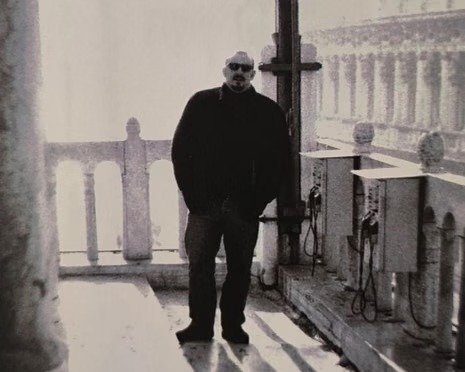
Soracchi also deceived a second woman, known as Lindsey, into a year-long relationship. Evidence showed that he used taxpayer money to pay for a romantic trip to Venice in 2001. The inquiry explored the extent to which undercover officers were able to exploit their position of authority and access to public resources for personal gain, noting that the systematic deception of women under official cover was both unethical and deeply harmful. Both cases have prompted a wider examination of the moral and legal obligations of police officers engaged in covert operations.
The inquiry revealed additional discrepancies regarding rent payments. Soracchi reportedly paid £685 per month for a flat in Maida Vale, London, while the actual cost was only £320. He gave a portion to McLean, yet the inquiry heard claims that he might have profited from the arrangement. Soracchi denied any financial wrongdoing but admitted that the complexity of expenses and claims made during undercover operations could be easily misused, highlighting weaknesses in monitoring and financial oversight within the police.
The public inquiry is examining the conduct of approximately 139 undercover officers who infiltrated political groups over more than four decades. The investigation focuses not only on the personal impact on victims but also on systemic failings in police procedures, accountability, and supervision of covert operations. Witness testimony illustrated a pattern of manipulation, deceit, and emotional abuse, raising concerns about how officers were trained and monitored during undercover deployments.
Former colleagues and supervisors testified that Soracchi’s behaviour, while unethical, was not entirely unusual in undercover work. Officers were often expected to build relationships to maintain cover, but the inquiry questioned where the boundaries of acceptable conduct should lie. Legal experts highlighted that consent obtained under false pretenses is inherently compromised, and the relationships formed under such deception can never be fully voluntary.
The inquiry also heard from survivors and campaigners advocating for stronger protections and accountability measures for those affected by undercover operations. Victims described feeling powerless and unable to seek justice while officers continued to operate with minimal oversight. The inquiry is expected to make recommendations aimed at preventing future abuses and ensuring transparency and ethical responsibility in undercover policing.

Soracchi admitted to deceiving his managers and manipulating two women over several years, acknowledging that his actions were cruel, manipulative, and had long-lasting consequences. The inquiry continues to explore the full scale of harm caused by undercover operations, including psychological and financial impacts. Testimonies have emphasized the need for reforms in police procedures and oversight mechanisms to prevent similar abuses from recurring.
The investigation underscores the complex ethical dilemmas inherent in undercover policing, where officers must balance operational objectives with personal integrity. Experts have called for clear guidance, enhanced monitoring, and stricter accountability measures to protect both officers and civilians from exploitation. The inquiry will likely influence future policies regarding undercover work, potentially redefining the boundaries of acceptable behaviour in covert operations.
As the inquiry progresses, the experiences of McLean, Lindsey, and other victims continue to shed light on the personal cost of undercover deception. Advocates have urged the police to implement reforms and provide compensation and support for victims affected by manipulative practices. The inquiry’s findings are expected to shape public debate about ethics, accountability, and human rights in law enforcement, ensuring that future operations prioritize both justice and the protection of individuals.
Related News:
 It’s time to come clean on the China spy case
 Five More Prisoners Freed by Mistake in Essex Week
 Nearly 48,000 Zombie Knives Removed from UK Streets in a Year
 Afghan man charged with murder after west London knife attack
 Man Charged Over Cambridgeshire Train Stabbing
 Pregnant UK Teen to Be Freed from Georgian Jail
 French Taxi Driver Cleared in David Lammy Theft Case After Fare Dispute
 Just Stop Oil Protesters Convicted Amid Climate Defence Row
 Lammy ‘misinformed’ over Wandsworth prisoner releases
 Met Police Culture Makes Racial Harm ‘Inevitable’
 British Grandmother to Return Home After Death Sentence in Bali
 Remaining rebel Labour MPs have whip restored
 Bar Council urges legal aid for all domestic abuse family cases
 Judges to Decide Fate of Chief Constable Guilty of Contempt
 ‘Fake Admiral’ Sparks Outrage at Remembrance Event
 Paralegal Fired After Exposé on Illegal Worker Scam
 Dan Wootton Rejects Catfishing Allegation in Court
 Serial Rapist and Former Cop Found Guilty Again
 Gardener Guilty of Brutal Attack on Teacher Partner
 Man Arrested Over Manchester Synagogue Terror Attack
 Twelve Prisoners Released in Error, Two Still Missing
 Woman Jailed for Life After Killing E-Bike Rider in Tragic Mistaken Identity Case
 Stop Releasing Phone Thieves Who Reoffend, Met Police Chief Urges Courts
 Disability and LGBT Hate Crimes Set to Become Aggravated Offences
 Last‑ditch Call to Save Police Front Counters in London
 ‘We’ve Been Left Homeless After Our Builder Went Bust’
 Sadistic Pair Jailed for Blowing Up Sheep
 Grave of Murdered Toddler James Bulger Vandalised
 Outsiders Disrupted Search for Missing Teen Noah Donohoe
 Police Brothel Raids Target Organisers, Not Sex Workers
 Calls Grow to Remove Billboard Following Lyra McKee Graffiti
 Man on Trial for Rape That Led to Andrew Malkinson’s Wrongful Jailing
 Murdered Student ‘Algasim’ Was ‘the Most Special Person’, Friends Say
 Sisters Who Could Not Swim Drowned While Paddling in Snowdonia, Inquest Hears
 Family of Girl Groomed by Ian Huntley Beg Medics to Save His Life
 Sarah Everard’s Killer Wayne Couzens ‘Petrified’ After Ian Huntley Prison Attack
 Targeted Attack in Bury Sparks Murder Investigation as Community Awaits Justice
 Man Remanded After Children Fall Ill at Leicestershire Summer Camp in Shocking Child Cruelty Case
 Merseyside Police Helicopter Crew Cleared After Low-Altitude Pursuit of Suspect
 UK Launches Major Crackdown on Networks Profiting from Online Child Sexual Abuse
 No Evidence Found to Substantiate Alleged Rape in Oxfordshire Churchyard, Police Confirm
 Peterborough Mosques Tighten Security After Attack
 Badenoch Warns Farage’s Grooming Gangs Plan Could Backfire
 UK Bans Fake Numbers: Scammers Lose Their Trick
 King Charles to Lead Nation in Remembrance Sunday Service
 How to get help when a child goes missing – call 999 urgently
 Major Rent Reform Ends No-Fault Evictions in England
 Peers Flood Assisted Dying Bill with 942 Amendments
 Criminal Gangs Pose as Truckers to Hijack UK Supply Chains
 Mum Calls for New Licence Rules After Teen Road Death
 Mother Watches in Horror as Teen Daughter Dies on Tracks
 Charlotte Raids: 130 Arrested in Major Immigration Sweep
 Man Denies Stealing Bronze Age Gold from Museum
 Inside the Helpline Protecting Missing Children in the UK
 Most Tories Expect to Support a Farage-Led Government
 Runaway Driver Caught by DNA Evidence
 Virgin Media Fined £23.8m Over Telecare Safety Failures
 Plans to Limit Jury Trials Face Retreat After Mounting Opposition
 New Documentary Examines Teen’s Zombie Knife Murder
 Police response times face strict new national limits
 Police Doubt Fugitive Dezi Freeman Survived Bushland
 Teen Girl Chased in Broad Daylight in Ipswich
 Motorists Could Face ‘Mandatory’ Driving Ban for Road Offences Under Tougher Laws
 How Dark Web Agent Spotted Bedroom Wall Clue to Rescue Girl from Years of Harm
 Civil Service Pay: Union Urges Ministers to End ‘Barking Mad’ Limits
 Epstein Eyed Record Label Investment to Access Women, Files Suggest
 Fly-Tippers to Be Hunted by ‘Drone Squad’ in Crackdown from the Sky
 Dad Found in Bed with Daughter 16 Years After Abandoning Her as a Child
 ‘Don’t Make Us Security Guards,’ Says Teacher Stabbed by Pupil
 Court Error Frees Rape Suspect Who Flees UK
 Rape Accused Had Fight With Man in Alley, Court Told
 Mother Says ‘I Hugged My Daughter’s Killer’ as They Cried Together in Prison
 Suspects in Lisa Dorrian Case Released on Bail
 Driver Jailed Over Fatal Water Treatment Tank Crash
 Insulin Evidence in Letby Trial Under Scrutiny After Expert’s GMC Probe Emerges
 Labour MP’s Partner Arrested on Suspicion of Spying for China
 Police Scotland Pays £8m Compensation to Staff
 Woman, 29, ‘Chucked’ Into Care Home 100 Miles Away
 Armed police incident closes major road
 Pedestrian critically hurt after being hit by car