Monday, March 9, 2026
  • About Us
  • Advertise
  • Privacy & Policy
  • Team
  • Contact
The English Chronicle
Advertisement
  • Home
  • Business & Economy
  • Politics
  • Entertainment
  • Sports
  • Science & Technology
  • UK News
  • World News
  • Health
No Result
View All Result
  • Home
  • Business & Economy
  • Politics
  • Entertainment
  • Sports
  • Science & Technology
  • UK News
  • World News
  • Health
No Result
View All Result
The English Chronicle
No Result
View All Result

Labour in ‘Deep Trouble’ With Black Voters, Operation Black Vote Warns

2 hours ago
in Latest, Politics, UK News
Labour Black voters
0
SHARES
4
VIEWS
Share on FacebookShare on Twitter

Published: 09 March 2026. The English Chronicle Desk. The English Chronicle Online.

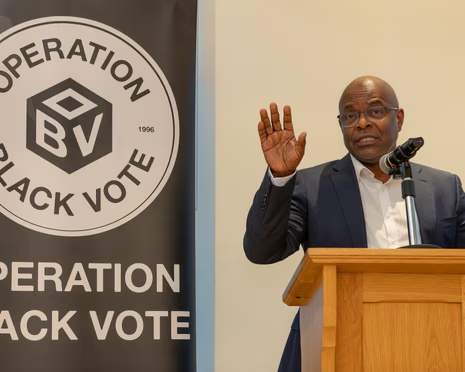
Labour is facing serious challenges with Black voters, a leading political adviser has warned. David Weaver, chair of Operation Black Vote (OBV), cautioned that the party risks being perceived as accepting the normalisation of racism, which could significantly damage voter confidence. Weaver stressed that Labour’s current approach to justice reform and racial equality leaves many Black communities questioning the party’s values and commitments. He said, “We don’t know what Labour stands for any more,” reflecting widespread frustration across communities that had historically supported the party.

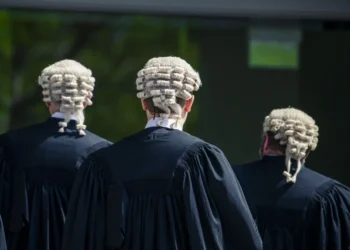
The warning comes amid ongoing debates over plans to restrict jury trials in England and Wales. Weaver argued that such measures would heighten racial disproportionality, noting that Black citizens are already overrepresented in arrests, charges, and custodial sentences. “Only 1% of judges are Black,” he explained, “so replacing juries with judge-only trials will overwhelmingly produce white-dominated outcomes, undermining public oversight of state power.”

Labour leader Keir Starmer pledged in November to “stand up to racism,” yet Weaver said progress has been slow, with public sentiment remaining low. He pointed to the moral panic surrounding migration, the sluggish response to racial pay gaps, and the legacy of the Windrush scandal as factors contributing to disappointment among Black voters. Weaver added, “Even those who try to reason with Labour acknowledge that when they are close to power, they often revert to type.”

Black voters historically provided significant support to Labour, particularly in the 2024 general election, yet Weaver highlighted the risk of losing this critical base. He emphasized that communities feel the party is passively accepting systemic racism rather than actively confronting it. “There’s a lack of urgency on the equality bill, which is supposed to tackle pay gaps through mandatory salary data publication for companies with over 250 staff,” he said, highlighting policy inaction.

OBV has campaigned since 1996 to increase Black representation and political participation, collaborating with prominent civil rights leaders, including the late Rev Jesse Jackson. Weaver himself attended Jackson’s funeral this month, reflecting OBV’s long-standing connections with international movements for racial justice. In the United States, he noted, Black activism has shifted from mass protests to community-led initiatives, education, and enterprise, a model that UK communities are increasingly embracing.

In Britain, Weaver said, Black voters are focusing on “meaningful grassroots activism,” driven by disillusionment with Labour and a perceived lack of inspiration from other parties. This shift requires parliamentarians to work harder to engage these communities, fostering long-term trust and accountability. He added that the organisation has adopted a regional strategy, encouraging young people to pursue local leadership and council positions rather than focusing solely on parliamentary influence.

The move to nurture local leadership reflects a wider strategy to counteract political marginalisation. Weaver explained that in the past, OBV could mobilise voters quickly during national elections, but today’s environment demands sustained engagement and capacity-building. “Our new approach prioritises regional development, leadership pipelines, and youth participation,” he said, underscoring a long-term vision for community empowerment.

Weaver also criticised symbolic representation that lacks substantive equity or ethical leadership. He described a trend of “Black-adding,” where superficial diversity initiatives provide legitimacy to institutionalised racism. According to Weaver, representation without structural change is insufficient to address systemic inequities, and communities are increasingly recognising the need for accountability. “Representation without equity and ethical leadership is futile,” he said, emphasising the importance of genuine reform.

The OBV chair stressed that Black voters are reassessing their political engagement, thinking about practical changes at local levels rather than relying solely on national party promises. He warned that Labour risks losing its historic advantage in marginal constituencies if it fails to act decisively. Weaver concluded that the party’s approach to justice, race equality, and grassroots mobilisation will determine whether it can regain credibility among Black communities.

As the UK approaches future elections, Labour faces mounting pressure to demonstrate authenticity, integrity, and meaningful engagement with communities it once counted on. Weaver’s warning highlights a broader challenge: parties must address systemic inequalities and ensure Black voters feel represented, empowered, and heard. The stakes are high, with voter sentiment increasingly tied to tangible action rather than rhetoric. In a climate of political scepticism, Labour’s ability to reconnect with Black communities may prove pivotal in shaping the party’s electoral fortunes.

The shift in focus from national-level campaigning to local leadership development represents a critical adaptation in modern political strategy. Weaver’s observations underline that Black voters are seeking both structural justice and ethical political leadership, rather than symbolic gestures. The party’s response to these demands will likely define its future relevance and success in building inclusive governance.

Labour’s challenges are therefore not merely political but moral and strategic. The party must reconcile policy ambitions with the lived experiences of Black citizens, ensuring that reforms on pay gaps, jury representation, and anti-racism initiatives translate into meaningful societal impact. As Weaver’s comments make clear, the clock is ticking for Labour to regain trust and credibility before upcoming electoral contests, with grassroots activism playing an increasingly decisive role in shaping political outcomes.

Check our latest news

Related News:

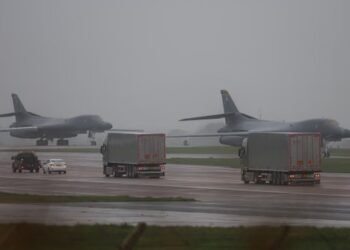
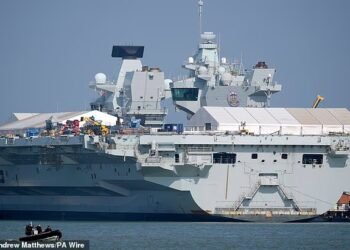
British Woman in Iran ‘Losing Hope’ Amid Ongoing DetentionBritish Woman in Iran ‘Losing Hope’ Amid Ongoing Detention BBC Journalist Held and Interrogated in VietnamBBC Journalist Held and Interrogated in Vietnam Green Party Surges Past Labour in Latest UK PollGreen Party Surges Past Labour in Latest UK Poll Celebrities and Charities Demand UK Government Act on Child PovertyCelebrities and Charities Demand UK Government Act on Child Poverty Trump Rebukes Starmer Over Iran Strike SupportTrump’s UK Ambassador Urges North Sea Drilling to Strengthen US Ties FBI Director Kash Patel Defends Girlfriend Amid Government Jet ClaimsFBI Director Kash Patel Defends Girlfriend Amid Government Jet Claims French Taxi Driver Cleared in David Lammy Theft Case After Fare DisputeFrench Taxi Driver Cleared in David Lammy Theft Case After Fare Dispute ‘Reckless’ cuts to victims’ services will cost more than they save‘Reckless’ cuts to victims’ services will cost more than they save Millionaires group urge Reeves to introduce wealth tax to ‘lift kids of out poverty’Millionaires group urge Reeves to introduce wealth tax to ‘lift kids out of poverty’ Starmer will fight attempts to replace him, allies sayStarmer Faces Growing Dissent as Labour MPs Weigh Leadership Challenge Reeves rejects £1bn plea for NHS redundancy payoutsReeves rejects £1bn plea for NHS redundancy payouts Politics latest: Starmer ‘will fight any leadership coup’ as Streeting denies attempt to oust Labour PMPolitics latest: Starmer ‘will fight any leadership coup’ as Streeting denies attempt to oust Labour PM PM Condemns Leaks, Vows Loyalty to Ministers and StabilityPM Condemns Leaks, Vows Loyalty to Ministers and Stability Major Rent Reform Ends No-Fault Evictions in EnglandMajor Rent Reform Ends No-Fault Evictions in England Peers Flood Assisted Dying Bill with 942 AmendmentsPeers Flood Assisted Dying Bill with 942 Amendments England’s Special Needs Support Faces Breaking PointEngland’s Special Needs Support Faces Breaking Point MoD warned over Excel risks before Afghan data breachMoD warned over Excel risks before Afghan data breach UK Asylum Overhaul Sparks Debate Over Human Rights and DeportationsUK Asylum Overhaul Sparks Debate Over Human Rights and Deportations UK Warns China After MI5 Issues Espionage AlertUK Warns China After MI5 Issues Espionage Alert Labour Faces Historic Decline in WalesLabour Faces Historic Decline in Wales PM Highlights UK Business at G20 in South AfricaPM Highlights UK Business at G20 in South Africa Kate Forbes: Motherhood Harder Than PoliticsKate Forbes: Motherhood Harder Than Politics Most Tories Expect to Support a Farage-Led GovernmentMost Tories Expect to Support a Farage-Led Government Labour MP claims devolution bill is ‘blatant discrimination’ against CornwallLabour MP claims devolution bill is ‘blatant discrimination’ against Cornwall Millions Face Higher Taxes Under Reeves’ New BudgetMillions Face Higher Taxes Under Reeves New Budget Peers Get Extra Time to Debate Assisted Dying BillPeers Get Extra Time to Debate Assisted Dying Bill Starmer Says Labour’s Economic Plan Needs Years to DeliverStarmer Says Labour’s Economic Plan Needs Years to Deliver Culture secretary to review Telegraph takeover by Daily Mail ownerCulture secretary to review Telegraph takeover by Daily Mail owner Andy Burnham Apologises for Past LGBTQ+ Police DiscriminationAndy Burnham Apologises for Past LGBTQ+ Police Discrimination jury trial reformPlans to Limit Jury Trials Face Retreat After Mounting Opposition Jenrick Reform defectionJenrick Reform defection deepens Tory civil war Right Must Unite After Jenrick Defection, Urges Rees-MoggRight Must Unite After Jenrick Defection, Urges Rees-Mogg AI financial risksUK Ministers Drop Foreign Student Targets for Global Education Push Default ThumbnailMPs warn AI financial risks threaten UK stability AI financial risksMPs warn AI financial risks threaten UK stability warm homes planNo Gas Boiler Ban as UK Warm Homes Plan Backs Heat Pumps under-16 social media banHugh Grant Joins Call for Under-16 Social Media Ban in UK political violenceShinzo Abe’s killer receives life sentence in Japan social media banLords Vote Piles Pressure on Starmer Over Social Media Ban Planned Troubles Board Game Sparks Outrage in Northern IrelandPlanned Troubles Board Game Sparks Outrage in Northern Ireland Reform UK Health Plan ‘Would Cost £1.7bn’, Streeting SaysReform UK Health Plan ‘Would Cost £1.7bn’, Streeting Says police response timesPolice response times face strict new national limits policing overhaulLabour policing overhaul sparks fears over growing central control Braverman defectionTories criticised after Braverman defection sparks mental health row Burnham Westminster returnBurnham Westminster return hopes fade amid Labour rift toxic division politicsStarmer warns of toxic division politics in Reform challenge Starmer China visitStarmer China visit raises human rights pressure on Beijing high streetsLabour Must Revive High Streets to Avoid Election Collapse royal apologyCalls Grow for King Charles to Apologise for Crown’s Role in Slavery Palantir contractsPalantir contracts face UK halt calls over transparency Labour thinktankLabour Thinktank Row Deepens Over Journalist Probe Claims Doyle peerage controversyLabour Lord Doyle Apologises Over Paedophile Ties in Political Storm cabinet secretaryCabinet Secretary Shake-Up Triggers Due Diligence Warning Thinktank probeStarmer Faces Inquiry Calls Over Thinktank Probe RoyalMail delaysRoyal Mail Delivery Crisis Deepens Amid Weather Chaos Labour Together probeLabour Together probe scandal sparks fresh Cabinet Office investigation Reform ChancellorFarage to Name Jenrick as Reform Chancellor Pick NHS negligence rulingNHS Negligence Ruling Raises Payout Costs civil service payCivil Service Pay: Union Urges Ministers to End ‘Barking Mad’ Limits Antonia Romeo appointmentAntonia Romeo appointment sparks criticism Chagos dealTrump and Chagos Deal Rift Over Iran Strikes Farage Chagos IslandsFarage Chagos Islands Row Sparks Fury Trump tariffsTrump Tariffs Threat Spark UK and EU Alarm FrackingGasfield Deal Sparks Debate Over Fracking in Lincolnshire Reform UK repealReform UK targets workers’ rights repeal crypto donationsMinisters Urged to Ban Crypto Political Donations MandelsonMandelson Denounces Arrest Over ‘Baseless’ Fleeing Claims Russian tradeRussian Trade Routed Through British Islands Exposed Mandelson arrestMandelson Arrest: Met Apologises to Hoyle Palestine Action banPalestine Action ban appeal moves forward defenceReeves Must Back Defence Plan or Face Dismissal, Says Unite Chief cover-upNHS Maternity Units Cover Up Harmful Childbirth Errors Green party wins Gorton and Denton byelection, pushing Labour to third place in blow to Keir StarmerGreen Party Stuns Labour in Gorton and Denton Byelection refugee status overhaulRefugee Status Overhaul Sparks UK Debate Iran strikes rowTrump Rebukes Starmer Over Iran Strikes Row BBC charter reformBBC Charter Reform Sparks Independence Battle asylum seekersAsylum Seekers to Work After Year-Long Wait Thousands Protest Iran Strikes Outside US Embassy LondonThousands Protest Iran Strikes Outside US Embassy London US Bombers Arrive at RAF Base Amid Rising Iran Tensions Published: 08 March 2026. The English Chronicle Desk. The English Chronicle Online. Four United States strategic bombers have arrived at a Royal Air Force base in Britain as tensions with Iran escalate across the Middle East. The deployment signals growing military coordination between Washington and London during a rapidly developing regional conflict. British defence officials confirmed the aircraft will conduct defensive missions aimed at preventing Iranian missile attacks across the region. The move follows warnings from American leaders that military strikes against Iranian targets may intensify significantly in the coming days. The aircraft involved in the deployment are B-1 Lancer bombers, large supersonic aircraft designed for long-range strike missions. Each bomber measures approximately forty-five metres in length and can carry up to twenty-four cruise missiles. Their arrival at RAF Fairford in Gloucestershire occurred over two days during the weekend. One aircraft landed on Friday evening while three additional bombers arrived on Saturday morning. British officials confirmed that the deployment followed approval from Prime Minister Keir Starmer earlier this week. According to the Ministry of Defence, the aircraft will carry out what officials describe as specific defensive operations. These missions are intended to prevent Iran from launching missiles toward allied countries across the Middle East. Defence officials emphasised that the operations focus on protection rather than expanded offensive campaigns. However, the arrival of such powerful aircraft demonstrates the seriousness of the current security situation. Military planners expect the bombers to remain ready for action as tensions continue rising throughout the region. The deployment also reflects growing warnings from Washington about an escalation of military activity. American defence leaders recently announced that operations against Iranian targets could increase rapidly. Officials in the United States said additional aircraft, fighter squadrons, and defensive capabilities would soon be deployed. These preparations suggest that military pressure on Iran may intensify within a short period. The arrival of bombers in Britain forms part of that broader strategic preparation. Britain’s Chief of the Defence Staff, Admiral Sir Richard Knighton, confirmed that operational missions may begin soon. Speaking about the situation, Knighton said the United States could launch missions from RAF Fairford within days. Military personnel at the base have already begun preparing logistical support and operational planning. Aircraft crews are expected to coordinate closely with American and British defence authorities. Such preparations highlight the strategic role Britain plays within wider allied security operations. The decision to permit American operations from British bases followed intense discussions inside the British government. Prime Minister Starmer authorised defensive military action from RAF Fairford and the Diego Garcia base. Diego Garcia lies in the Indian Ocean and remains one of the most strategically important military facilities. Both locations provide critical support for long-range aircraft operating across the Middle East. Their use allows allied forces to respond quickly to developing threats within the region. On Saturday afternoon, the Ministry of Defence released a formal update outlining the current military activity. The statement confirmed that American forces had already begun limited operations using British facilities. Officials stressed that the missions focus on preventing Iranian missile launches threatening regional security. According to defence leaders, these operations are designed to protect British personnel and allied civilians living nearby. The statement emphasised that Britain remains committed to safeguarding its national security interests abroad. In addition to the bomber deployment, Britain has dispatched further military resources toward the Middle East. Defence officials confirmed that a Merlin helicopter is travelling toward the region to assist operations. The aircraft is widely known for its anti-submarine capabilities and advanced surveillance technology. Military planners say it will help monitor potential maritime threats and gather intelligence. Such surveillance missions play an important role in maintaining early warning systems during regional conflicts. The arrival of the bombers occurred shortly after comments from United States Defence Secretary Pete Hegseth. Earlier in the week, Hegseth warned that American military strikes could soon increase dramatically. He said the Pentagon was preparing more fighter squadrons, stronger defensive capabilities, and additional bomber missions. His remarks reflected Washington’s determination to respond strongly to Iranian military actions. Analysts believe the expanding deployments aim to deter further escalation from Tehran. Meanwhile, the political atmosphere surrounding the conflict remains tense both internationally and within Britain itself. On Friday, United States President Donald Trump demanded Iran’s unconditional surrender. His statement followed reports that Israeli warplanes carried out bombing raids against targets in Tehran and Beirut. At the same time, Iran reportedly launched a new wave of retaliatory missile strikes toward Israel and several Gulf states. These developments have intensified fears of a broader regional confrontation. Prime Minister Starmer has faced political pressure regarding his cautious approach to the conflict. Earlier in the crisis he blocked proposals allowing immediate offensive strikes from British territory. Instead, he approved only defensive operations intended to prevent missile launches. The decision aimed to balance security cooperation with caution about deeper military involvement. Nevertheless, the policy has sparked criticism from both domestic opponents and international observers. Donald Trump publicly criticised Starmer’s hesitation earlier this week during comments shared online. The American president compared the British leader unfavourably with wartime prime minister Winston Churchill. Trump suggested that Britain had delayed offering meaningful support during the conflict’s early stages. Despite that criticism, British officials insist the alliance between both nations remains strong. Defence cooperation continues through intelligence sharing, logistics support, and joint military planning. Reports have also emerged about discussions held during a confidential meeting of the National Security Council. According to several media outlets, some cabinet ministers initially questioned the decision to allow American operations. Figures including Yvette Cooper, Shabana Mahmood, Ed Miliband, and Rachel Reeves were reportedly cautious about the proposal. These concerns reflected wider political anxiety about becoming involved in another Middle Eastern conflict. Government sources later insisted that all ministers ultimately supported the agreed national position. Starmer rejected claims that divisions existed inside his cabinet over the policy decision. He said every minister involved in the National Security Council backed the final strategy. According to the prime minister, careful consideration of all options was necessary before making such a significant choice. He also emphasised that Britain’s primary goal remains protecting its citizens and allies. The government continues monitoring developments closely as the crisis evolves. London’s mayor, Sadiq Khan, also commented publicly on the growing tensions in the Middle East. Khan supported the prime minister’s decision to resist pressure for immediate offensive action. He warned that military interventions lacking international consensus could produce dangerous consequences. According to Khan, lasting peace requires diplomatic strategy rather than unilateral military escalation. His remarks reflected the cautious tone adopted by several political leaders within Britain. Diplomatic activity has also continued alongside the military preparations. Prime Minister Starmer recently held a conversation with Saudi Arabia’s Crown Prince Mohammed bin Salman. During that discussion, Starmer emphasised Britain’s willingness to support regional allies if necessary. The United Kingdom also remains committed to protecting British citizens living in the Gulf region. Such diplomatic contacts aim to reassure partners while avoiding further escalation. Recent developments have also highlighted concerns about regional security vulnerabilities. Earlier this week a drone evaded detection and struck RAF Akrotiri in Cyprus. The incident raised questions about air defence capabilities protecting key military installations. Some Gulf governments criticised Britain for failing to respond more rapidly to regional threats. These criticisms added further pressure on the British government during an already tense diplomatic period. Military planners are also preparing to deploy additional naval forces toward the eastern Mediterranean. The air defence destroyer HMS Dragon is expected to sail within the coming week. Defence officials say preparations require time because the ship may remain deployed for several months. Equipping the vessel for extended operations ensures greater operational readiness once it reaches the region. Allied countries including France and Greece have already dispatched military resources to defend Cyprus. Political debate within Britain has intensified as opposition parties challenge the government’s approach. Conservative leader Kemi Badenoch criticised Starmer during her party’s spring conference in Harrogate. She argued the government appeared hesitant during a moment of international crisis. Badenoch claimed Britain is already involved in the conflict whether ministers acknowledge that reality or not. Her remarks reflected growing pressure on the government from opposition politicians. Badenoch also suggested that the prime minister seemed reluctant to support allies decisively. She argued that hesitation could weaken Britain’s influence in global security partnerships. The Conservative leader insisted that strong leadership requires clear decisions during international crises. Her comments sparked heated debate among political commentators and defence analysts. Government ministers strongly rejected the accusations during subsequent interviews. Defence Secretary John Healey criticised Badenoch’s earlier remarks about British military readiness. She had suggested that British aircraft had been waiting without taking necessary action. Healey described the comment as disrespectful toward members of the armed forces. According to the defence secretary, British personnel work continuously to protect national and allied security interests. He urged political leaders to recognise the professionalism of military service members. Former Conservative foreign policy figures have defended Badenoch’s criticism of the government. Andrew Mitchell argued she raised legitimate concerns about slow decision-making during crises. He said the debate highlights broader questions about Britain’s role in global security. These political disagreements demonstrate how the Middle East conflict continues influencing domestic debate. Analysts believe such discussions will intensify if the conflict expands further. Meanwhile, efforts continue to assist British citizens affected by the growing regional instability. A second government-chartered evacuation flight arrived at Gatwick Airport on Saturday evening. The aircraft carried Britons who had been stranded in Oman as tensions escalated. Officials say evacuation operations will continue while conditions remain uncertain. Authorities remain focused on ensuring the safety of citizens living across the wider Gulf region. Those returning on the latest flight joined thousands of Britons who already left the region. Approximately six thousand five hundred people have returned from the United Arab Emirates since fighting intensified. The government continues monitoring travel conditions and advising citizens about potential risks. Diplomatic missions across the region remain prepared to assist additional evacuations if necessary. Such efforts underline the growing international impact of the conflict. As the crisis continues unfolding, military deployments and diplomatic discussions remain closely connected. The arrival of American bombers in Britain illustrates the strategic cooperation between both nations. At the same time, political debates reveal the complexity of balancing alliance commitments with caution. For now, defence leaders continue preparing for possible escalation while urging restraint. The coming days may prove critical for determining whether tensions rise further or begin to ease.US Bombers Arrive at RAF Base Amid Rising Iran Tensions UK Prepares Aircraft Carrier for Middle East CrisisUK Prepares Aircraft Carrier for Middle East Crisis



































STAY CONNECTED

  • 1000 Fans
  • 450 Followers
  • 600 Subscribers

MOST POPULAR

Princess Eugenie steps down as Anti-Slavery International patron amid Epstein files release, maintains ongoing human rights work.

Princess Eugenie steps down as patron of anti-slavery charity

23 hours ago
Undercover officer deceived women with ‘grotesque and cruel’ lies, spycops inquiry told

Undercover officer deceived women with ‘grotesque and cruel’ lies, spycops inquiry told

23 hours ago
Ukraine war briefing: Zelenskyy offers help to Saudi Crown prince on combatting Iranian drones

Ukraine war briefing: Zelenskyy offers help to Saudi Crown prince on combatting Iranian drones

23 hours ago
Benefits Cut for Mother and Baby Home Survivors

Benefits Cut for Mother and Baby Home Survivors

1 day ago
UK Prepares Aircraft Carrier for Middle East Crisis

UK Prepares Aircraft Carrier for Middle East Crisis

1 day ago
US Bombers Arrive at RAF Base Amid Rising Iran Tensions Published: 08 March 2026. The English Chronicle Desk. The English Chronicle Online. Four United States strategic bombers have arrived at a Royal Air Force base in Britain as tensions with Iran escalate across the Middle East. The deployment signals growing military coordination between Washington and London during a rapidly developing regional conflict. British defence officials confirmed the aircraft will conduct defensive missions aimed at preventing Iranian missile attacks across the region. The move follows warnings from American leaders that military strikes against Iranian targets may intensify significantly in the coming days. The aircraft involved in the deployment are B-1 Lancer bombers, large supersonic aircraft designed for long-range strike missions. Each bomber measures approximately forty-five metres in length and can carry up to twenty-four cruise missiles. Their arrival at RAF Fairford in Gloucestershire occurred over two days during the weekend. One aircraft landed on Friday evening while three additional bombers arrived on Saturday morning. British officials confirmed that the deployment followed approval from Prime Minister Keir Starmer earlier this week. According to the Ministry of Defence, the aircraft will carry out what officials describe as specific defensive operations. These missions are intended to prevent Iran from launching missiles toward allied countries across the Middle East. Defence officials emphasised that the operations focus on protection rather than expanded offensive campaigns. However, the arrival of such powerful aircraft demonstrates the seriousness of the current security situation. Military planners expect the bombers to remain ready for action as tensions continue rising throughout the region. The deployment also reflects growing warnings from Washington about an escalation of military activity. American defence leaders recently announced that operations against Iranian targets could increase rapidly. Officials in the United States said additional aircraft, fighter squadrons, and defensive capabilities would soon be deployed. These preparations suggest that military pressure on Iran may intensify within a short period. The arrival of bombers in Britain forms part of that broader strategic preparation. Britain’s Chief of the Defence Staff, Admiral Sir Richard Knighton, confirmed that operational missions may begin soon. Speaking about the situation, Knighton said the United States could launch missions from RAF Fairford within days. Military personnel at the base have already begun preparing logistical support and operational planning. Aircraft crews are expected to coordinate closely with American and British defence authorities. Such preparations highlight the strategic role Britain plays within wider allied security operations. The decision to permit American operations from British bases followed intense discussions inside the British government. Prime Minister Starmer authorised defensive military action from RAF Fairford and the Diego Garcia base. Diego Garcia lies in the Indian Ocean and remains one of the most strategically important military facilities. Both locations provide critical support for long-range aircraft operating across the Middle East. Their use allows allied forces to respond quickly to developing threats within the region. On Saturday afternoon, the Ministry of Defence released a formal update outlining the current military activity. The statement confirmed that American forces had already begun limited operations using British facilities. Officials stressed that the missions focus on preventing Iranian missile launches threatening regional security. According to defence leaders, these operations are designed to protect British personnel and allied civilians living nearby. The statement emphasised that Britain remains committed to safeguarding its national security interests abroad. In addition to the bomber deployment, Britain has dispatched further military resources toward the Middle East. Defence officials confirmed that a Merlin helicopter is travelling toward the region to assist operations. The aircraft is widely known for its anti-submarine capabilities and advanced surveillance technology. Military planners say it will help monitor potential maritime threats and gather intelligence. Such surveillance missions play an important role in maintaining early warning systems during regional conflicts. The arrival of the bombers occurred shortly after comments from United States Defence Secretary Pete Hegseth. Earlier in the week, Hegseth warned that American military strikes could soon increase dramatically. He said the Pentagon was preparing more fighter squadrons, stronger defensive capabilities, and additional bomber missions. His remarks reflected Washington’s determination to respond strongly to Iranian military actions. Analysts believe the expanding deployments aim to deter further escalation from Tehran. Meanwhile, the political atmosphere surrounding the conflict remains tense both internationally and within Britain itself. On Friday, United States President Donald Trump demanded Iran’s unconditional surrender. His statement followed reports that Israeli warplanes carried out bombing raids against targets in Tehran and Beirut. At the same time, Iran reportedly launched a new wave of retaliatory missile strikes toward Israel and several Gulf states. These developments have intensified fears of a broader regional confrontation. Prime Minister Starmer has faced political pressure regarding his cautious approach to the conflict. Earlier in the crisis he blocked proposals allowing immediate offensive strikes from British territory. Instead, he approved only defensive operations intended to prevent missile launches. The decision aimed to balance security cooperation with caution about deeper military involvement. Nevertheless, the policy has sparked criticism from both domestic opponents and international observers. Donald Trump publicly criticised Starmer’s hesitation earlier this week during comments shared online. The American president compared the British leader unfavourably with wartime prime minister Winston Churchill. Trump suggested that Britain had delayed offering meaningful support during the conflict’s early stages. Despite that criticism, British officials insist the alliance between both nations remains strong. Defence cooperation continues through intelligence sharing, logistics support, and joint military planning. Reports have also emerged about discussions held during a confidential meeting of the National Security Council. According to several media outlets, some cabinet ministers initially questioned the decision to allow American operations. Figures including Yvette Cooper, Shabana Mahmood, Ed Miliband, and Rachel Reeves were reportedly cautious about the proposal. These concerns reflected wider political anxiety about becoming involved in another Middle Eastern conflict. Government sources later insisted that all ministers ultimately supported the agreed national position. Starmer rejected claims that divisions existed inside his cabinet over the policy decision. He said every minister involved in the National Security Council backed the final strategy. According to the prime minister, careful consideration of all options was necessary before making such a significant choice. He also emphasised that Britain’s primary goal remains protecting its citizens and allies. The government continues monitoring developments closely as the crisis evolves. London’s mayor, Sadiq Khan, also commented publicly on the growing tensions in the Middle East. Khan supported the prime minister’s decision to resist pressure for immediate offensive action. He warned that military interventions lacking international consensus could produce dangerous consequences. According to Khan, lasting peace requires diplomatic strategy rather than unilateral military escalation. His remarks reflected the cautious tone adopted by several political leaders within Britain. Diplomatic activity has also continued alongside the military preparations. Prime Minister Starmer recently held a conversation with Saudi Arabia’s Crown Prince Mohammed bin Salman. During that discussion, Starmer emphasised Britain’s willingness to support regional allies if necessary. The United Kingdom also remains committed to protecting British citizens living in the Gulf region. Such diplomatic contacts aim to reassure partners while avoiding further escalation. Recent developments have also highlighted concerns about regional security vulnerabilities. Earlier this week a drone evaded detection and struck RAF Akrotiri in Cyprus. The incident raised questions about air defence capabilities protecting key military installations. Some Gulf governments criticised Britain for failing to respond more rapidly to regional threats. These criticisms added further pressure on the British government during an already tense diplomatic period. Military planners are also preparing to deploy additional naval forces toward the eastern Mediterranean. The air defence destroyer HMS Dragon is expected to sail within the coming week. Defence officials say preparations require time because the ship may remain deployed for several months. Equipping the vessel for extended operations ensures greater operational readiness once it reaches the region. Allied countries including France and Greece have already dispatched military resources to defend Cyprus. Political debate within Britain has intensified as opposition parties challenge the government’s approach. Conservative leader Kemi Badenoch criticised Starmer during her party’s spring conference in Harrogate. She argued the government appeared hesitant during a moment of international crisis. Badenoch claimed Britain is already involved in the conflict whether ministers acknowledge that reality or not. Her remarks reflected growing pressure on the government from opposition politicians. Badenoch also suggested that the prime minister seemed reluctant to support allies decisively. She argued that hesitation could weaken Britain’s influence in global security partnerships. The Conservative leader insisted that strong leadership requires clear decisions during international crises. Her comments sparked heated debate among political commentators and defence analysts. Government ministers strongly rejected the accusations during subsequent interviews. Defence Secretary John Healey criticised Badenoch’s earlier remarks about British military readiness. She had suggested that British aircraft had been waiting without taking necessary action. Healey described the comment as disrespectful toward members of the armed forces. According to the defence secretary, British personnel work continuously to protect national and allied security interests. He urged political leaders to recognise the professionalism of military service members. Former Conservative foreign policy figures have defended Badenoch’s criticism of the government. Andrew Mitchell argued she raised legitimate concerns about slow decision-making during crises. He said the debate highlights broader questions about Britain’s role in global security. These political disagreements demonstrate how the Middle East conflict continues influencing domestic debate. Analysts believe such discussions will intensify if the conflict expands further. Meanwhile, efforts continue to assist British citizens affected by the growing regional instability. A second government-chartered evacuation flight arrived at Gatwick Airport on Saturday evening. The aircraft carried Britons who had been stranded in Oman as tensions escalated. Officials say evacuation operations will continue while conditions remain uncertain. Authorities remain focused on ensuring the safety of citizens living across the wider Gulf region. Those returning on the latest flight joined thousands of Britons who already left the region. Approximately six thousand five hundred people have returned from the United Arab Emirates since fighting intensified. The government continues monitoring travel conditions and advising citizens about potential risks. Diplomatic missions across the region remain prepared to assist additional evacuations if necessary. Such efforts underline the growing international impact of the conflict. As the crisis continues unfolding, military deployments and diplomatic discussions remain closely connected. The arrival of American bombers in Britain illustrates the strategic cooperation between both nations. At the same time, political debates reveal the complexity of balancing alliance commitments with caution. For now, defence leaders continue preparing for possible escalation while urging restraint. The coming days may prove critical for determining whether tensions rise further or begin to ease.

US Bombers Arrive at RAF Base Amid Rising Iran Tensions

1 day ago
Load More

About Us

The English Chronicle

The English Chronicle is your trusted source for accurate, timely, and unbiased news. Based in the heart of the digital age, our mission is to deliver well-researched journalism that informs, engages, and empowers readers across the globe.

Address:-
UK Address: Harbour House, Cold Harbour Lane, Rainham, London Borough of Havering, United Kingdom. RM13 9YB

Browse by Category

  • Africa
  • Agriculture
  • Ai and Innovation
  • Animal Rights
  • Arts And Culture
  • Asia Pacific
  • Australia News
  • Business & Economy
  • Canada News
  • Child Health
  • Climate Change
  • Cricket
  • Crime
  • Defence And Military
  • Economics
  • Education
  • Energy
  • Entertainment
  • Environment
  • Europe
  • Fashion
  • Finance
  • Food
  • Health
  • History
  • Hobbies
  • Human Rights
  • innovation
  • International
  • Investigative Stories
  • Latest
  • Law
  • Life & Society
  • Market
  • Medical Innovation
  • Middle East
  • Natural Disaster
  • Politics
  • Premier League
  • Public Safety
  • Religion
  • Retail
  • Retail
  • Road Safety
  • Royal Family
  • Rural Economy
  • Science & Technology
  • Scotland and Highlands
  • Showbiz
  • Sports
  • Tech News
  • Tourism and Economy
  • Trade
  • Transport
  • Travel
  • UK News
  • US News
  • Violence
  • Wales News
  • War and Conflict
  • Weather
  • World News
T20 World Cup 2026 top run‑scorers and wicket‑takers

T20 World Cup 2026: Top Run‑Scorers and Wicket‑Takers Revealed

4 minutes ago
NHS dental crisis

Private Dentistry Surge Amid NHS Dental Crisis

4 minutes ago
T20 World Cup 2026 fixtures and results

T20 World Cup 2026: Full Fixtures and Results Recap

7 minutes ago
Glasgow Central fire

Glasgow Central Fire Shuts Station After Building Collapse

10 minutes ago
  • About Us
  • Advertise
  • Privacy & Policy
  • Team
  • Contact

© 2025 The English Chronicle.

No Result
View All Result
  • Home
  • Business & Economy
  • Politics
  • Entertainment
  • Sports
  • Science & Technology

© 2025 The English Chronicle.