Monday, March 9, 2026
  • About Us
  • Advertise
  • Privacy & Policy
  • Team
  • Contact
The English Chronicle
Advertisement
  • Home
  • Business & Economy
  • Politics
  • Entertainment
  • Sports
  • Science & Technology
  • UK News
  • World News
  • Health
No Result
View All Result
  • Home
  • Business & Economy
  • Politics
  • Entertainment
  • Sports
  • Science & Technology
  • UK News
  • World News
  • Health
No Result
View All Result
The English Chronicle
No Result
View All Result

UK–US Tensions Ease as Starmer and Trump Hold First Call Since Iran Row

2 hours ago
in Defence And Military, Politics, UK News, World News
Starmer and Trump Iran criticism
0
SHARES
2
VIEWS
Share on FacebookShare on Twitter

Published: 9 March 2026

The English Chronicle Desk

The English Chronicle Online — UK News

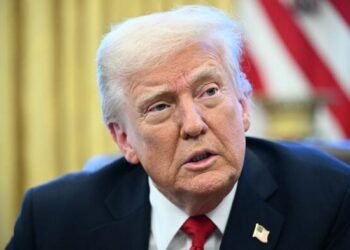
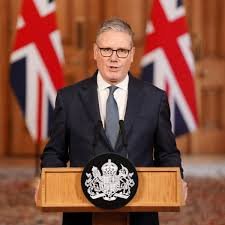
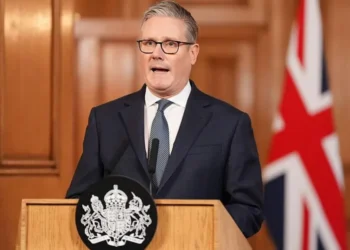
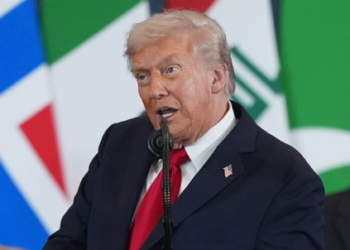
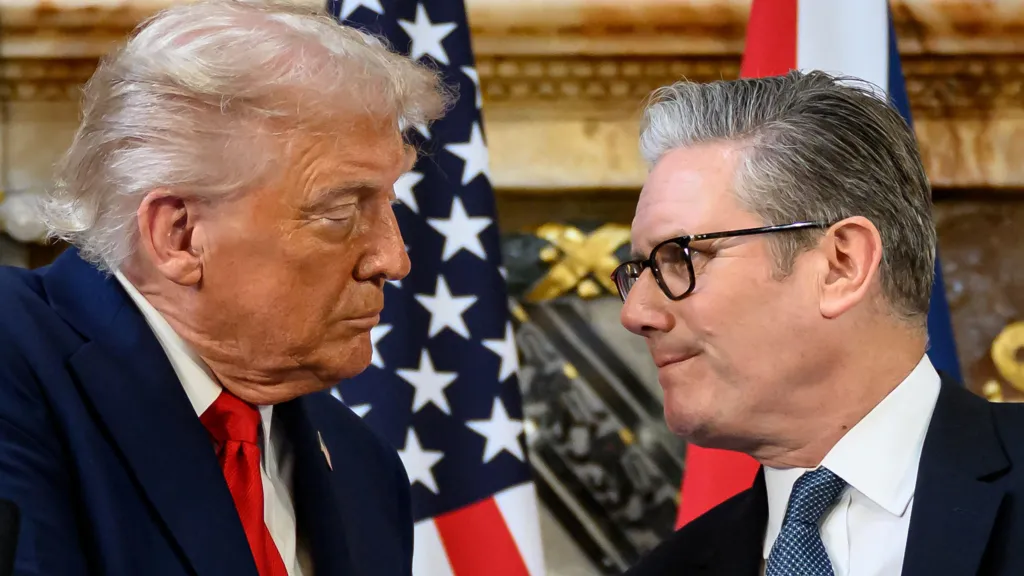
In a significant diplomatic moment following days of escalating rhetoric, Prime Minister Sir Keir Starmer and US President Donald Trump have spoken for the first time since the American leader sharply criticised the UK’s stance on the Iran conflict. The call, confirmed by Downing Street on Sunday, marks a tentative step toward stabilising relations between the two long‑standing allies after a week of unusually public tension.

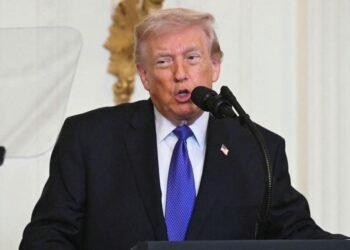
No 10 offered only limited details about the conversation, but said the two leaders discussed the rapidly evolving situation in the Middle East and ongoing military cooperation between the UK and the United States. The exchange comes after President Trump accused Britain of hesitating in its support for US‑led military action against Iran, even labelling the UK “our once great ally” in a social‑media post that drew widespread attention.

The president’s frustration stemmed from the UK’s refusal to allow American forces to use British bases for the initial wave of offensive strikes against Iranian missile sites. Sir Keir Starmer has consistently maintained that the UK would not participate in offensive operations, though he later authorised the use of RAF bases for defensive US actions aimed at intercepting Iranian missiles.

Trump’s criticism intensified over the weekend when he dismissed the idea of Britain sending aircraft carriers to the Middle East, writing that the US did not need “people that join wars after we’ve already won.” He also took a personal swipe at the prime minister, saying Sir Keir was “no Winston Churchill,” a remark that drew both domestic and international scrutiny.

Despite the heated rhetoric, Downing Street’s readout of the call struck a conciliatory tone. According to the statement, the prime minister expressed his condolences for the deaths of six US soldiers in recent days and reaffirmed the UK’s commitment to supporting collective self‑defence efforts in the region. The leaders “looked forward to speaking again soon,” the statement concluded, suggesting a desire on both sides to prevent further deterioration in relations.

Foreign Secretary Yvette Cooper defended the government’s approach during an appearance on the BBC’s Sunday with Laura Kuenssberg, insisting that Sir Keir was “right to stand up for Britain’s interests” and that the UK would not simply “outsource our foreign policy to other countries.” Cooper emphasised that while the UK values its alliance with the United States, it must make decisions based on its own national priorities.

“It’s for the US president to decide what he thinks is in the US national interest,” she said. “But it is our job as the UK government to decide what is in the UK national interest, and that doesn’t mean simply agreeing with other countries.”

The foreign secretary also reiterated that the UK would continue to provide defensive support in the region, particularly when British citizens are at risk. RAF jets have already been deployed to intercept Iranian missiles and drones targeting UK partners, and additional personnel have been stationed in the region to bolster security.

However, questions remain about the UK’s broader military readiness. Conservative shadow home secretary Chris Philp accused the government of a “dereliction of duty” for failing to move warships closer to Cyprus or the Middle East ahead of the conflict. He argued that the government had ample warning of US plans and should have acted sooner to position naval assets.

“The problem is, those ships as we speak are nowhere near Cyprus. They’re tied up at the docks in Portsmouth,” Philp said. “Keir Starmer and the Labour government showed no foresight whatsoever.”

The Ministry of Defence confirmed that HMS Dragon, a destroyer with advanced air‑defence capabilities, is being sent to the Mediterranean to reinforce security around RAF Akrotiri in Cyprus, where a small drone strike earlier in the week caused minor damage to the runway. Meanwhile, the aircraft carrier HMS Prince of Wales has been placed on advanced readiness, with its crew instructed to be prepared to depart within five days. Cooper declined to say whether the carrier would ultimately be deployed to the region.

Former prime minister Sir Tony Blair also weighed in on the debate, telling a private event that the UK should have supported the initial US strikes. Blair, who led Britain into the Iraq War in 2003, described the United States as an “indispensable cornerstone” of UK security and argued that allies must “show up” regardless of who occupies the White House. His comments reignited long‑standing divisions within British politics over military intervention and the legacy of the Iraq conflict.

Cooper, who served as a junior minister during Blair’s premiership, acknowledged the need to “learn lessons” from Iraq, stressing that decisions must be grounded in what is best for British citizens. She rejected the notion that the UK should automatically align with the US or, conversely, oppose American actions on principle. “Neither approach is right,” she said.

The diplomatic landscape grew even more complex when Iran’s ambassador to London, Seyed Ali Mousavi, warned the UK to be “very careful” about deepening its involvement in the conflict. He said that any facilities or bases used against Iran would be considered “legitimate targets,” a statement that underscores the risks facing British personnel in the region.

Reform UK’s Robert Jenrick offered a different critique, arguing that while Britain should not participate in offensive bombing raids, the government should have allowed the US to use UK bases “from the outset.” He claimed that the prime minister’s hesitation had “damaged relations with the US significantly.”

Amid the political fallout, Liberal Democrat leader Sir Ed Davey called for King Charles to cancel his upcoming state visit to the United States, arguing that such a trip would be inappropriate while President Trump is engaged in what Davey described as an “illegal war” that is destabilising the Middle East and driving up energy costs for British households.

“A state visit from our King would be seen as yet another huge diplomatic coup for President Trump,” Davey said. “It should not be given to someone who repeatedly insults and damages our country.”

Despite the competing political narratives, the government insists it has acted decisively. Cooper highlighted the pre‑deployment of fighter jets and the dispatch of additional personnel, as well as the rapid deployment of Typhoon jets and Wildcat helicopters since the conflict began. She maintained that the UK’s actions have been measured, proportionate, and focused on protecting British lives.

As the Middle East crisis continues to evolve, the call between Starmer and Trump may mark the beginning of a more stable phase in UK–US relations — or merely a pause in a diplomatic dispute that reflects deeper tensions over military strategy, national sovereignty, and the future of Western alliances.

Read More At>>

Related News:

Starmer Weighs Fast-Tracking Defence Boost UK allow US use bases IranUK Will Allow US to Use Bases to Strike Iranian Missile Sites, PM Says UK stance US Iran strikesCooper: Joining US Strikes on Iran ‘Not in Britain’s Interest’ take out Iranian drones UKMinister Meets Crews Who Will ‘Take Out’ Iranian Drones UK Prepares Aircraft Carrier for Middle East CrisisUK Prepares Aircraft Carrier for Middle East Crisis UK Must Act with Courage and Clarity on Israel-Palestine Conflict, Says Foreign Affairs Committee Report Starmer and Trump to Meet in Scotland Amid Growing Gaza Ceasefire PressureStarmer and Trump to Meet in Scotland Amid Growing Gaza Ceasefire Pressure MPs Call on UK Government to Delay Biometric Visa Checks for Gaza Students Amid Humanitarian CrisisMPs Call on UK Government to Delay Biometric Visa Checks for Gaza Students Amid Humanitarian Crisis Radioactive Leak at UK’s Nuclear Warhead Base Sparks Outcry Over Safety and SecrecyRadioactive Leak at UK’s Nuclear Warhead Base Sparks Outcry Over Safety and Secrecy Tulip Siddiq Raises Concerns Over Alleged ‘Fake’ Documents in Bangladesh Corruption Trial‘I’m collateral damage’: ex-minister Tulip Siddiq on her Bangladesh corruption trial Mutual Inconvenience: Why Alaska Was Chosen for the Trump-Putin Summit on UkraineMutual Inconvenience: Why Alaska Was Chosen for the Trump-Putin Summit on Ukraine “I Don’t Expect to Live a Normal Life”: How a Leeds Teenager Became the Target of a Chinese Bounty“I Don’t Expect to Live a Normal Life”: How a Leeds Teenager Became the Target of a Chinese Bounty Ministers Accused of Defamation Over Palestine Action Ban and Mass ArrestsMinisters Accused of Defamation Over Palestine Action Ban and Mass Arrests Is the UK Ready to Put Boots on the Ground in Ukraine? Assessing Military Capacity and ChallengesIs the UK Ready to Put Boots on the Ground in Ukraine? Assessing Military Capacity and Challenges Protests Expected as Israeli Arms Firms Join Global Defence Trade Fair in LondonProtests Expected as Israeli Arms Firms Join Global Defence Trade Fair in London Channel Crossings Surge: Over 1,000 People Arrive in the UK in Small Boats in a Single Day Published: 21 September '2025. the English Chronicle Desk. English Chronicle Online More than 1,000 people made the perilous journey across the English Channel in small boats on Friday, marking a dramatic resumption in migrant crossings after a week-long pause. According to official Home Office figures, 13 separate vessels carried a total of 1,072 individuals to the UK, averaging more than 80 people per boat. This figure is the third time this year that daily arrivals have exceeded the 1,000 mark and contributes to an unprecedented annual total of 32,103 migrants reaching the country via the Channel. The surge comes after eight consecutive days with no recorded arrivals in Dover, Kent, largely due to adverse weather and turbulent sea conditions that had temporarily slowed the flow of migrants. Experts note that the lull had raised hopes that stricter border measures and improved deterrent strategies might be having an effect, but Friday’s numbers underscore the enduring challenges faced by UK authorities in controlling maritime migration. The Channel crossing, which spans roughly 21 miles at its narrowest point, has become a major flashpoint in UK immigration policy. Each boat carries individuals fleeing conflict, economic hardship, or persecution, many of whom take extraordinary risks in often unseaworthy vessels. In recent years, crossings have escalated as traffickers exploit both the demand for asylum and the limitations of coastal patrol capabilities. Friday’s arrivals, the largest single-day total since early September, serve as a stark reminder of the ongoing humanitarian and security dilemmas confronting the government. In response, the UK government has sought to implement a “one in, one out” plan in collaboration with France, designed to deter would-be asylum seekers by ensuring that those arriving illegally may be swiftly returned to the continent. Under the scheme, individuals who cross the Channel without authorization can be detained immediately and, within approximately two weeks, arrangements can be made with French authorities for their return. For every person returned to France, the plan allows for one individual with a credible asylum claim in the UK to enter, establishing a controlled exchange system. Home Office sources confirmed that three people have already been removed from the UK under this new protocol. On Friday alone, an Iranian national was deported following the removal of an Eritrean man who had lost a High Court appeal seeking to block his removal. Earlier, on Thursday, an Indian national was sent back to France under the same arrangement. Officials say these initial removals represent a testing phase of the pilot program, with additional flights planned in the coming week to expand the scheme. Deputy Prime Minister David Lammy praised the initiative, stating that the returns provide an “immediate deterrent” to those considering the dangerous Channel crossing. According to government assessments, quick repatriation of migrants is intended to signal that illegal maritime entries will not guarantee asylum in the UK and that risks—both legal and physical—are significant. “We are making it clear that while those with legitimate claims will be assessed fairly, illegal crossings carry serious consequences,” a Home Office spokesperson said. However, critics have raised questions about the effectiveness and fairness of the policy. Conservative shadow home secretary Chris Philp argued that the current returns had “no deterrent effect whatsoever” and described the number of individuals deported so far as “pathetic” compared to the scale of arrivals. Opposition figures and human rights advocates warn that the approach risks focusing on punitive measures rather than addressing the root causes of migration, including ongoing conflict, poverty, and human rights violations in the countries of origin. They also caution that overcrowded small boats and rushed deportations could exacerbate humanitarian risks, particularly for vulnerable groups such as children and families. The Channel crossing has long been emblematic of the complex intersection of humanitarian responsibility, border security, and international cooperation. Each arrival highlights not only the determination of migrants seeking safety or economic opportunity but also the ongoing logistical, legal, and diplomatic challenges faced by the UK. For authorities, monitoring and managing such a high volume of arrivals in a short span requires coordination among the Coast Guard, local law enforcement, border agencies, and international partners, particularly France. French authorities have played a central role in the “one in, one out” initiative, agreeing to accept returned migrants in exchange for UK recognition of individuals with verified claims. While this cooperation has been described as a step toward managing irregular migration more systematically, logistical hurdles remain. Authorities must ensure that returned migrants are processed humanely and that legitimate asylum claims are respected. For many observers, the key to long-term success lies in balancing deterrence with a fair, transparent, and humanitarian approach to asylum. The humanitarian aspect of the crossings cannot be understated. Many of the individuals arriving in small boats have endured harrowing journeys through multiple countries before reaching the Channel. They often face smuggling networks, exploitative intermediaries, and life-threatening conditions at sea. According to maritime safety organizations, even with relatively calm weather, overcrowded boats are susceptible to capsizing, hypothermia, and other medical emergencies. Local rescue teams frequently respond to distress calls, pulling hundreds of individuals from the water each month, highlighting the ongoing dangers involved in these crossings. On Friday, despite calmer seas that allowed for more successful crossings, emergency responders remained on high alert. Multiple reports from Kent-based authorities indicate that border patrols and search-and-rescue teams worked in coordination with French maritime units to manage the arrivals efficiently. Nevertheless, the scale of the crossings continues to stretch resources, particularly in Dover and surrounding coastal towns, which are increasingly seen as frontline points of entry. The spike in arrivals has reignited debate in Parliament over immigration policy and the UK’s obligations under international law. Proponents of stricter border controls argue that the Channel crossings demonstrate the need for stronger deterrence and more rapid removals, while opponents highlight the ethical and legal imperatives to protect asylum seekers and address the conditions driving migration. Legal experts have noted that the “one in, one out” scheme raises questions regarding due process, particularly when migrants are returned in absentia or before receiving full hearings on their claims. Looking forward, officials anticipate that the volume of crossings may fluctuate with weather conditions and enforcement measures. Historically, numbers have risen sharply during periods of calm seas and favorable weather, while storms and rough waters temporarily reduce arrivals. The Home Office continues to emphasize the dual focus on securing the border and ensuring safety at sea, with ministers asserting that the pilot program in partnership with France will expand in the coming months to address the unprecedented levels of migration. The events of Friday underscore the ongoing tension between policy, enforcement, and humanitarian responsibility. With over 1,000 people risking life and limb to cross the Channel in a single day, the UK faces a complex challenge: ensuring border security while simultaneously upholding international obligations to protect vulnerable populations. As ministers, local authorities, and international partners grapple with these issues, the Channel crossings remain a vivid illustration of the human stories behind immigration statistics—stories marked by resilience, desperation, and hope. In conclusion, the record number of arrivals on Friday serves as a sobering reminder of both the determination of those seeking a new life and the scale of the challenge facing UK authorities. The “one in, one out” plan represents a bold attempt at managing the crisis, but its ultimate efficacy, fairness, and humanitarian impact will continue to be scrutinized as the situation evolves. The coming weeks and months are likely to reveal whether the strategy can effectively deter dangerous crossings, uphold the rights of asylum seekers, and maintain the delicate balance between security and compassion.UK Home Office to Launch French Beach Signage to Warn Asylum Seekers of Risks UK Immigration Figures: Separating Facts from PerceptionsUK Immigration Figures: Separating Facts from Perceptions Far-Right Rally in London Draws Record Crowds Amid Clashes with PoliceFar-Right Rally in London Draws Record Crowds Amid Clashes with Police Thousands Gather in London to Protest Donald Trump’s Second UK State VisitThousands Gather in London to Protest Donald Trump’s Second UK State Visit Trump’s UN Speech Criticises London and UK Policies, Draws Far-Right AttentionTrump Urges UK to “Call Out the Military” to Secure Borders Amid State Visit UK Recognises State of Palestine in Push to Preserve Hope for PeaceUK Recognises State of Palestine in Push to Preserve Hope for Peace Trump’s UN Speech Criticises London and UK Policies, Draws Far-Right AttentionTrump’s UN Speech Criticises London and UK Policies, Draws Far-Right Attention NATO Intercepts Russian Jets Over Estonia Amid Rising TensionsUK Fighter Jet Purchase Could Breach Nuclear Treaty, Warns CND A Third of EU Citizens in UK Report Discrimination by Public Bodies Post-BrexitA Third of EU Citizens in UK Report Discrimination by Public Bodies Post-Brexit Jailed Georgian Opposition Leaders Warn UK of Iranian Links to Ruling PartyJailed Georgian Opposition Leaders Warn UK of Iranian Links to Ruling Party Russia repeatedly targets UK military satellites, warns Space Command chiefRussia repeatedly targets UK military satellites, warns Space Command chief Pro-Palestine March to Proceed in London Despite Calls to Cancel After Manchester AttackPro-Palestine March to Proceed in London Despite Calls to Cancel After Manchester Attack Starmer Considers Stricter Measures on Pro-Palestinian Protest ChantsUK Universities Warn Students Ahead of 7 October Pro-Palestine Protests Starmer Considers Stricter Measures on Pro-Palestinian Protest ChantsStarmer Considers Stricter Measures on Pro-Palestinian Protest Chants Swinney cites 2011 precedent to push for indyref2Public Trust in SNP Hits Historic Low Amid NHS Concerns Tony Blair Met Jeffrey Epstein at Downing Street in 2002Tony Blair Met Jeffrey Epstein at Downing Street in 2002 Johnson Suggests Mandelson Linked to China Spy Controversy Witness statements reveal the CPS China spy row collapse in the UKWitness statements reveal the CPS China spy row collapse in the UK UK spy case collapse sparks political row over China espionage claims and government handling of national security.Large scale Chinese spying in UK sparks political storm Nigel Farage Calls Vladimir Putin ‘A Very Bad Dude’Nigel Farage Calls Vladimir Putin ‘A Very Bad Dude’ Rachel Reeves Faces Pressure to Break Tax Pledge in BudgetRachel Reeves signals welfare reform ahead of key budget Prince Andrew met alleged Chinese spies during Pitch@Palace China tripsPrince Andrew met alleged Chinese spies during Pitch@Palace China trips Kosovo agrees to host Britain’s refused asylum seekersKosovo agrees to host Britain’s refused asylum seekers Plaid Cymru Triumphs in Caerphilly, Ending Labour Century-Long HoldPlaid Cymru Triumphs in Caerphilly, Ending Labour Century-Long Hold Reeves Rejects £1bn NHS Payout Plea from StreetingRachel Reeves to lead UK trade push in Saudi Arabia amid rights debate British Woman in Iran ‘Losing Hope’ Amid Ongoing DetentionBritish Woman in Iran ‘Losing Hope’ Amid Ongoing Detention Boris Johnson accused of undermining BBC leadershipJohnson Approved China’s London ‘Super-Embassy’ in 2018 BBC Journalist Held and Interrogated in VietnamBBC Journalist Held and Interrogated in Vietnam BBC director-general and news chief resign amid bias rowBBC director-general and news chief resign amid bias row New review urges UK to repatriate Shamima Begum, others from SyriaNew review urges UK to repatriate Shamima Begum, others from Syria Rama Rebukes Mahmood for Targeting Albanian FamiliesRama Rebukes Mahmood for Targeting Albanian Families Russian Vessel Used Lasers on RAF Pilots, UK ClaimsRussian Vessel Used Lasers on RAF Pilots, UK Claims Britain demands Israel reverse ban on aid groupsBritain Demands Israel Reverse Ban on Aid Groups US Africa aidUS Africa aid remarks spark anger after leaked State email Trump Pulls Canada from His Controversial ‘Board of Peace’ PlanTrump Pulls Canada from His Controversial ‘Board of Peace’ Plan Starmer China visitStarmer China visit raises human rights pressure on Beijing Emails Show Epstein Funded Mandelson’s Husband After JailEmails Show Epstein Funded Mandelson’s Husband After Jail Cory Bernardi One NationCory Bernardi joins One Nation for SA election Russian attacks Ukraine energy StarmerStarmer Condemns ‘Depraved’ Russian Strikes on Ukraine Russia trolls savage ‘finished’ Keir Starmer after Mandelson scandal explodesRussia Trolls Savage ‘Finished’ Keir Starmer After Mandelson Scandal Explodes Macron rebuked over defence spendingMacron Rebuked in Franco-German Defence Row Britain reliance on China weak linkBritain’s Reliance on China Makes Us ‘Weak Link in the West’, Warn MPs Takaichi low‑tax conservative agenda JapanJapan Braces as Takaichi Begins New Term with Huge Mandate for Low‑Tax, Ultra‑Conservative Agenda Chagos IslandsTrump Warns Over Chagos Islands Deal Chagos dealTrump and Chagos Deal Rift Over Iran Strikes Andrew arrest hurt Royal FamilyHow Much Could Andrew’s Arrest Hurt the Royal Family? Andrew Mountbatten-WindsorAndrew Mountbatten-Windsor Arrest After FBI Radar UK not given US permission use RAF bases Iran strikesUK Has Not Given US Permission to Use RAF Bases for Iran Strikes Albanese on Prince Andrew arrest republic referendumAustralian PM Says Former Prince Andrew Has Suffered ‘Extraordinary Fall’ but That Won’t Prompt Republic Referendum Musk Starlink cut Russia UkraineMusk Cuts Starlink Access for Russian Forces – Giving Ukraine an Edge at the Front Farage Chagos IslandsFarage Chagos Islands Row Sparks Fury Trump tariffsTrump Tariffs Threat Spark UK and EU Alarm Town vigil four years Ukraine conflictTown Vigil Marks Four Years of Ukraine War New Zealand backs removing Andrew from royal successionNew Zealand Backs Removing Andrew From Royal Line of Succession Green Party Gorton and Denton by‑electionGreen Party Triumphs in Gorton and Denton By‑Election Iran tensionsUK Allows US Base Use Amid Iran Tensions RAF Cyprus suspected drone strikeRAF Responding to Suspected Drone Strike at UK Cyprus Base UK stance and Trump vows Iran conflictBritain’s Position and Trump Vows to Press On in Iran Conflict Starmer Trump Middle East defensive operationStarmer Speaks to Trump After UK Joins Defensive Operation Trump Iran war aims mixed messagingTrump’s Iran Endgame Unclear After Mixed Messaging on War Aims Anas Sarwar rejects father tribute Iran leaderSarwar Rejects Father’s Tribute to Iran’s Supreme Leader Muslim group wants mosques polling stations UKMuslim Group Wants Mosques to Be Used as Polling Stations Ahead of UK Elections Iran strikes rowTrump Rebukes Starmer Over Iran Strikes Row Manchester students mourn AyatollahManchester Students Mourn Ayatollah Amid Protest £1bn Leonardo dealMinister Visits Leonardo After £1bn Deal Secured

STAY CONNECTED

  • 1000 Fans
  • 450 Followers
  • 600 Subscribers

MOST POPULAR

Undercover officer deceived women with ‘grotesque and cruel’ lies, spycops inquiry told

Undercover officer deceived women with ‘grotesque and cruel’ lies, spycops inquiry told

1 day ago
Princess Eugenie steps down as Anti-Slavery International patron amid Epstein files release, maintains ongoing human rights work.

Princess Eugenie steps down as patron of anti-slavery charity

1 day ago
UK Prepares Aircraft Carrier for Middle East Crisis

UK Prepares Aircraft Carrier for Middle East Crisis

1 day ago
US Bombers Arrive at RAF Base Amid Rising Iran Tensions Published: 08 March 2026. The English Chronicle Desk. The English Chronicle Online. Four United States strategic bombers have arrived at a Royal Air Force base in Britain as tensions with Iran escalate across the Middle East. The deployment signals growing military coordination between Washington and London during a rapidly developing regional conflict. British defence officials confirmed the aircraft will conduct defensive missions aimed at preventing Iranian missile attacks across the region. The move follows warnings from American leaders that military strikes against Iranian targets may intensify significantly in the coming days. The aircraft involved in the deployment are B-1 Lancer bombers, large supersonic aircraft designed for long-range strike missions. Each bomber measures approximately forty-five metres in length and can carry up to twenty-four cruise missiles. Their arrival at RAF Fairford in Gloucestershire occurred over two days during the weekend. One aircraft landed on Friday evening while three additional bombers arrived on Saturday morning. British officials confirmed that the deployment followed approval from Prime Minister Keir Starmer earlier this week. According to the Ministry of Defence, the aircraft will carry out what officials describe as specific defensive operations. These missions are intended to prevent Iran from launching missiles toward allied countries across the Middle East. Defence officials emphasised that the operations focus on protection rather than expanded offensive campaigns. However, the arrival of such powerful aircraft demonstrates the seriousness of the current security situation. Military planners expect the bombers to remain ready for action as tensions continue rising throughout the region. The deployment also reflects growing warnings from Washington about an escalation of military activity. American defence leaders recently announced that operations against Iranian targets could increase rapidly. Officials in the United States said additional aircraft, fighter squadrons, and defensive capabilities would soon be deployed. These preparations suggest that military pressure on Iran may intensify within a short period. The arrival of bombers in Britain forms part of that broader strategic preparation. Britain’s Chief of the Defence Staff, Admiral Sir Richard Knighton, confirmed that operational missions may begin soon. Speaking about the situation, Knighton said the United States could launch missions from RAF Fairford within days. Military personnel at the base have already begun preparing logistical support and operational planning. Aircraft crews are expected to coordinate closely with American and British defence authorities. Such preparations highlight the strategic role Britain plays within wider allied security operations. The decision to permit American operations from British bases followed intense discussions inside the British government. Prime Minister Starmer authorised defensive military action from RAF Fairford and the Diego Garcia base. Diego Garcia lies in the Indian Ocean and remains one of the most strategically important military facilities. Both locations provide critical support for long-range aircraft operating across the Middle East. Their use allows allied forces to respond quickly to developing threats within the region. On Saturday afternoon, the Ministry of Defence released a formal update outlining the current military activity. The statement confirmed that American forces had already begun limited operations using British facilities. Officials stressed that the missions focus on preventing Iranian missile launches threatening regional security. According to defence leaders, these operations are designed to protect British personnel and allied civilians living nearby. The statement emphasised that Britain remains committed to safeguarding its national security interests abroad. In addition to the bomber deployment, Britain has dispatched further military resources toward the Middle East. Defence officials confirmed that a Merlin helicopter is travelling toward the region to assist operations. The aircraft is widely known for its anti-submarine capabilities and advanced surveillance technology. Military planners say it will help monitor potential maritime threats and gather intelligence. Such surveillance missions play an important role in maintaining early warning systems during regional conflicts. The arrival of the bombers occurred shortly after comments from United States Defence Secretary Pete Hegseth. Earlier in the week, Hegseth warned that American military strikes could soon increase dramatically. He said the Pentagon was preparing more fighter squadrons, stronger defensive capabilities, and additional bomber missions. His remarks reflected Washington’s determination to respond strongly to Iranian military actions. Analysts believe the expanding deployments aim to deter further escalation from Tehran. Meanwhile, the political atmosphere surrounding the conflict remains tense both internationally and within Britain itself. On Friday, United States President Donald Trump demanded Iran’s unconditional surrender. His statement followed reports that Israeli warplanes carried out bombing raids against targets in Tehran and Beirut. At the same time, Iran reportedly launched a new wave of retaliatory missile strikes toward Israel and several Gulf states. These developments have intensified fears of a broader regional confrontation. Prime Minister Starmer has faced political pressure regarding his cautious approach to the conflict. Earlier in the crisis he blocked proposals allowing immediate offensive strikes from British territory. Instead, he approved only defensive operations intended to prevent missile launches. The decision aimed to balance security cooperation with caution about deeper military involvement. Nevertheless, the policy has sparked criticism from both domestic opponents and international observers. Donald Trump publicly criticised Starmer’s hesitation earlier this week during comments shared online. The American president compared the British leader unfavourably with wartime prime minister Winston Churchill. Trump suggested that Britain had delayed offering meaningful support during the conflict’s early stages. Despite that criticism, British officials insist the alliance between both nations remains strong. Defence cooperation continues through intelligence sharing, logistics support, and joint military planning. Reports have also emerged about discussions held during a confidential meeting of the National Security Council. According to several media outlets, some cabinet ministers initially questioned the decision to allow American operations. Figures including Yvette Cooper, Shabana Mahmood, Ed Miliband, and Rachel Reeves were reportedly cautious about the proposal. These concerns reflected wider political anxiety about becoming involved in another Middle Eastern conflict. Government sources later insisted that all ministers ultimately supported the agreed national position. Starmer rejected claims that divisions existed inside his cabinet over the policy decision. He said every minister involved in the National Security Council backed the final strategy. According to the prime minister, careful consideration of all options was necessary before making such a significant choice. He also emphasised that Britain’s primary goal remains protecting its citizens and allies. The government continues monitoring developments closely as the crisis evolves. London’s mayor, Sadiq Khan, also commented publicly on the growing tensions in the Middle East. Khan supported the prime minister’s decision to resist pressure for immediate offensive action. He warned that military interventions lacking international consensus could produce dangerous consequences. According to Khan, lasting peace requires diplomatic strategy rather than unilateral military escalation. His remarks reflected the cautious tone adopted by several political leaders within Britain. Diplomatic activity has also continued alongside the military preparations. Prime Minister Starmer recently held a conversation with Saudi Arabia’s Crown Prince Mohammed bin Salman. During that discussion, Starmer emphasised Britain’s willingness to support regional allies if necessary. The United Kingdom also remains committed to protecting British citizens living in the Gulf region. Such diplomatic contacts aim to reassure partners while avoiding further escalation. Recent developments have also highlighted concerns about regional security vulnerabilities. Earlier this week a drone evaded detection and struck RAF Akrotiri in Cyprus. The incident raised questions about air defence capabilities protecting key military installations. Some Gulf governments criticised Britain for failing to respond more rapidly to regional threats. These criticisms added further pressure on the British government during an already tense diplomatic period. Military planners are also preparing to deploy additional naval forces toward the eastern Mediterranean. The air defence destroyer HMS Dragon is expected to sail within the coming week. Defence officials say preparations require time because the ship may remain deployed for several months. Equipping the vessel for extended operations ensures greater operational readiness once it reaches the region. Allied countries including France and Greece have already dispatched military resources to defend Cyprus. Political debate within Britain has intensified as opposition parties challenge the government’s approach. Conservative leader Kemi Badenoch criticised Starmer during her party’s spring conference in Harrogate. She argued the government appeared hesitant during a moment of international crisis. Badenoch claimed Britain is already involved in the conflict whether ministers acknowledge that reality or not. Her remarks reflected growing pressure on the government from opposition politicians. Badenoch also suggested that the prime minister seemed reluctant to support allies decisively. She argued that hesitation could weaken Britain’s influence in global security partnerships. The Conservative leader insisted that strong leadership requires clear decisions during international crises. Her comments sparked heated debate among political commentators and defence analysts. Government ministers strongly rejected the accusations during subsequent interviews. Defence Secretary John Healey criticised Badenoch’s earlier remarks about British military readiness. She had suggested that British aircraft had been waiting without taking necessary action. Healey described the comment as disrespectful toward members of the armed forces. According to the defence secretary, British personnel work continuously to protect national and allied security interests. He urged political leaders to recognise the professionalism of military service members. Former Conservative foreign policy figures have defended Badenoch’s criticism of the government. Andrew Mitchell argued she raised legitimate concerns about slow decision-making during crises. He said the debate highlights broader questions about Britain’s role in global security. These political disagreements demonstrate how the Middle East conflict continues influencing domestic debate. Analysts believe such discussions will intensify if the conflict expands further. Meanwhile, efforts continue to assist British citizens affected by the growing regional instability. A second government-chartered evacuation flight arrived at Gatwick Airport on Saturday evening. The aircraft carried Britons who had been stranded in Oman as tensions escalated. Officials say evacuation operations will continue while conditions remain uncertain. Authorities remain focused on ensuring the safety of citizens living across the wider Gulf region. Those returning on the latest flight joined thousands of Britons who already left the region. Approximately six thousand five hundred people have returned from the United Arab Emirates since fighting intensified. The government continues monitoring travel conditions and advising citizens about potential risks. Diplomatic missions across the region remain prepared to assist additional evacuations if necessary. Such efforts underline the growing international impact of the conflict. As the crisis continues unfolding, military deployments and diplomatic discussions remain closely connected. The arrival of American bombers in Britain illustrates the strategic cooperation between both nations. At the same time, political debates reveal the complexity of balancing alliance commitments with caution. For now, defence leaders continue preparing for possible escalation while urging restraint. The coming days may prove critical for determining whether tensions rise further or begin to ease.

US Bombers Arrive at RAF Base Amid Rising Iran Tensions

1 day ago
Benefits Cut for Mother and Baby Home Survivors

Benefits Cut for Mother and Baby Home Survivors

1 day ago
Ukraine war briefing: Zelenskyy offers help to Saudi Crown prince on combatting Iranian drones

Ukraine war briefing: Zelenskyy offers help to Saudi Crown prince on combatting Iranian drones

1 day ago
Load More

About Us

The English Chronicle

The English Chronicle is your trusted source for accurate, timely, and unbiased news. Based in the heart of the digital age, our mission is to deliver well-researched journalism that informs, engages, and empowers readers across the globe.

Address:-
UK Address: Harbour House, Cold Harbour Lane, Rainham, London Borough of Havering, United Kingdom. RM13 9YB

Browse by Category

  • Africa
  • Agriculture
  • Ai and Innovation
  • Animal Rights
  • Arts And Culture
  • Asia Pacific
  • Australia News
  • Business & Economy
  • Canada News
  • Child Health
  • Climate Change
  • Cricket
  • Crime
  • Defence And Military
  • Economics
  • Education
  • Energy
  • Entertainment
  • Environment
  • Europe
  • Fashion
  • Finance
  • Food
  • Health
  • History
  • Hobbies
  • Human Rights
  • innovation
  • International
  • Investigative Stories
  • Latest
  • Law
  • Life & Society
  • Market
  • Medical Innovation
  • Middle East
  • Natural Disaster
  • Politics
  • Premier League
  • Public Safety
  • Religion
  • Retail
  • Retail
  • Road Safety
  • Royal Family
  • Rural Economy
  • Science & Technology
  • Scotland and Highlands
  • Showbiz
  • Sports
  • Tech News
  • Tourism and Economy
  • Trade
  • Transport
  • Travel
  • UK News
  • US News
  • Violence
  • Wales News
  • War and Conflict
  • Weather
  • World News
Glasgow vape shop blaze enormous damage

Swinney: ‘Enormous’ Damage After Blaze Near Glasgow Central

4 minutes ago
Katie Price husband Tinder Swindler allegations

Katie Price’s Husband Hit by ‘Tinder Swindler’ Claims

8 minutes ago
cocoa farmers chocolate market slumps

Cocoa Farmers Suffer as Chocolate Market Collapses

12 minutes ago
UK couple jettisoned leave UAE

Stranded in Dubai: UK Couple Say They Feel ‘Jettisoned’ Amid Chaos

17 minutes ago
  • About Us
  • Advertise
  • Privacy & Policy
  • Team
  • Contact

© 2025 The English Chronicle.

No Result
View All Result
  • Home
  • Business & Economy
  • Politics
  • Entertainment
  • Sports
  • Science & Technology

© 2025 The English Chronicle.