Published: 9 March 2026
The English Chronicle Desk
The English Chronicle Online — World
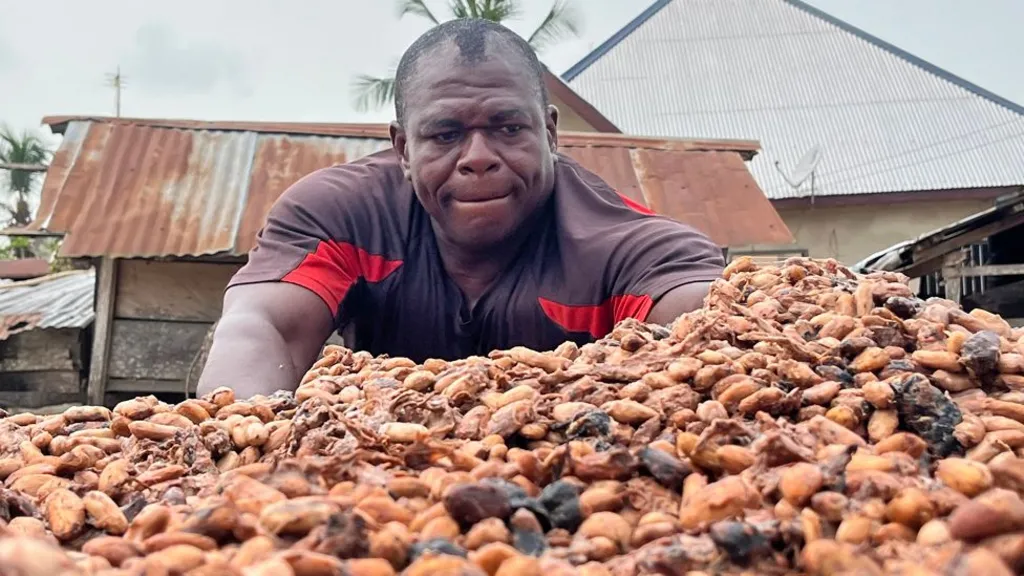
For millions of cocoa farmers across West Africa, the global chocolate industry has long been both a lifeline and a trap — a sector worth billions, yet one that leaves those at the bottom of the chain struggling to survive. Today, as the international cocoa market slumps, the crisis has deepened into a humanitarian emergency. Farmers in Ghana and Ivory Coast — who together produce more than 60% of the world’s cocoa — say they are facing the worst conditions in decades, with many going unpaid for months despite soaring retail chocolate prices.
The collapse has been swift and brutal. After cocoa prices surged in 2024 due to supply shortages, the market has since crashed, leaving warehouses full of unsold beans and farmers unable to access the income they depend on. In Ghana, 52‑year‑old farmer Akosua Frimpong told the BBC that she lost her husband because she could not afford hospital treatment. “My husband fell sick, and I couldn’t get money to take him to the hospital. So he died at home,” she said. Her story is echoed across cocoa‑growing communities, where families are now skipping meals, selling livestock, and pulling children out of school to cope with the financial strain.

The crisis is rooted in the structure of the cocoa market itself. In both Ghana and Ivory Coast, state regulators set the price paid to farmers a year in advance. This system is meant to protect farmers from volatility, but when global prices fall sharply — as they have in recent months — the fixed farmgate price becomes far higher than what international buyers are willing to pay. As a result, cocoa boards in both countries have been unable to sell their stockpiles, leaving farmers without payment for their harvests.
In Ivory Coast, the world’s largest cocoa producer, the government has slashed the farmgate price by nearly 60%, citing a dramatic slowdown in sales. Agriculture Minister Bruno Koné announced that the price would drop to 1,200 CFA francs per kilogram, a devastating blow for farmers already struggling to cover basic costs. “The price of cocoa on the international market is forcing us to make an adjustment,” he said. The decision has sparked anger and despair among rural communities, many of whom rely entirely on cocoa for their livelihoods.
Ghana faces a similar crisis. The Ghana Cocoa Board (Cocobod) set prices nearly a year ago, but those rates are now around 40% higher than what traders are willing to pay on the global market. As a result, farmers have not been paid for months, and the country’s cocoa sector — already burdened by debt — is under immense pressure. Modern Ghana reports growing agitation among farmers, who say they have been abandoned by a system that promised stability but delivered hardship.
The consequences are visible across the region. In Ghana, Associated Press reporters found warehouses filled with rotting cocoa beans — a stark symbol of a market in freefall. With no buyers, some farmers have resorted to desperate measures. One farmer, Manu Yaw Fofie, told PBS that he had given part of his land to illegal sand miners just to earn enough money to survive. The mining destroys the soil, making it infertile for future cocoa production, but Fofie said he had no choice. “The land bequeathed to me has become more of a burden than a blessing,” he said.
The crisis is not limited to Ghana and Ivory Coast. Tanzania, another cocoa‑producing nation, has seen prices collapse from Sh32,000–36,000 per kilogram in recent years to just Sh5,540 at the latest auction. The government has announced emergency measures to stabilise the sector, but farmers say the damage is already severe. Authorities blame global market dynamics, but the impact on rural communities has been immediate and painful.
Meanwhile, global chocolate companies continue to raise retail prices, citing supply chain pressures and production costs. Consumers in Europe and North America have seen chocolate bars become more expensive, even as the farmers who grow the cocoa receive less than ever. WutsHot reports that many farmers in Ghana and Ivory Coast have not been paid for months, despite the rising cost of chocolate on supermarket shelves. The disconnect between consumer prices and farmer income has reignited debates about fairness and exploitation in the global chocolate industry.
The crisis has also exposed the vulnerability of economies heavily dependent on a single commodity. In both Ghana and Ivory Coast, cocoa accounts for a significant share of export earnings and rural employment. When prices collapse, the ripple effects spread far beyond individual farms — affecting schools, healthcare, local businesses, and national budgets.

Experts warn that without urgent intervention, the long‑term consequences could be catastrophic. Farmers may abandon cocoa altogether, turning to illegal mining, logging, or migration in search of income. This would not only devastate rural communities but also threaten global cocoa supply, potentially leading to future shortages and even higher chocolate prices.
Governments in the region are scrambling to respond. Ivory Coast has announced emergency support measures, though details remain unclear. Ghana is reportedly seeking financial assistance to stabilise Cocobod and resume payments to farmers. Tanzania has convened meetings with stakeholders to explore new strategies for reviving its cocoa sector.
But many farmers say they have heard such promises before. What they want is not temporary relief but structural change — a system that ensures they receive a fair share of the profits generated by the global chocolate industry.
For now, the future remains uncertain. As the market continues to slump, cocoa farmers across West Africa face bitter times indeed. Their crops may fuel a global appetite for chocolate, but their own lives are marked by hardship, instability, and a growing sense of abandonment.
Until the world confronts the inequities built into the cocoa supply chain, the people who grow one of its most beloved commodities will continue to bear the heaviest burden.
Related News:
 Lunar New Year 2026: Celebrations Around the World
 The Two Farms in Senegal That Supply Many of the UK’s Vegetables
 How Do You Modernise Mango Farming? India’s Growers Urged to Innovate as Climate Change Hits
 Chad Shuts Border With Sudan in Bid to Stop Conflict Spreading
 Farmers on Edge as Record Rainfall Dampens Slurry Season
 Burning Carcasses and Smoke for Miles — The Outbreak That Killed Millions of Animals
 Kidnapping of Foreigners Soars in Africa’s Lawless Sahel Region
 At Least 169 Killed in South Sudan ‘Surprise’ Attack
 South African TV Personality Who Planned to Take His Life Dies Aged 61
 UK Must Act with Courage and Clarity on Israel-Palestine Conflict, Says Foreign Affairs Committee Report
 Northern Ireland Family of Three Shot Dead in Maguiresbridge Home Incident
 Tottenham Takes On Newcastle
 Gen Z Embraces the Big, Bold ‘Fake’ Indian Wedding Party Trend
 Radioactive Leak at UK’s Nuclear Warhead Base Sparks Outcry Over Safety and Secrecy
 Mutual Inconvenience: Why Alaska Was Chosen for the Trump-Putin Summit on Ukraine
 China’s crackdown on civil servant perks sparks economic concerns
 Terence Stamp, ’60s British Film Legend and Star of Superman, Dies at 87
 Hong Kong Summons UK and Australian Envoys Following Asylum Grants to Democracy Activists
 Is the UK Ready to Put Boots on the Ground in Ukraine? Assessing Military Capacity and Challenges
 Channel Crossings Surge: Over 1,000 People Arrive in the UK in Small Boats in a Single Day
 Macron Phones Trump Over Traffic Jam in New York
 Comey Indictment Deepens Fears of Political Retribution Under Trump
 Yvette Cooper Signals Global Momentum Towards Gaza Peace Deal Amid Humanitarian Crisis
 “It Was Very Tough, But I Love Life”: Former Israeli Hostage Rebuilds Life After Family Killed by Hamas
 Chaos at Ibrox as Martin’s Rangers Era Comes to an End
 Trump Claims Modi Has Agreed to Halt Russian Oil Imports Amid Heightened US Pressure
 Russia’s Latest Push to Win US Favors Shows Deep Desperation
 BBC to Apologise Over Edited Trump Speech Amid Backlash
 Britain deploys RAF specialists to assist Belgium with drone threats
 Trump Urges Herzog to Grant Netanyahu Full Pardon
 Indian authorities demolish Kashmir home linked to Red Fort blast
 Greene Pushes Epstein Files Amid Trump Fallout
 December Run-Off in Chile as Election Produces No Winner
 Zelenskyy Signs Fighter Jet Deal Amid Russian Drone Attacks
 Shadow Fleet at Sea: Europe’s Battle Against Illicit Oil Shipping
 Tiny Curacao Makes History as Smallest Nation to Reach World Cup
 India’s COP30 Delay Raises Global Climate Concerns
 US Suspends Afghan Immigration After White House Shooting
 Georgians Defy Government Crackdown After Year of Protests
 ‘Extinct’ Antelope Returns to Sahara, Bringing Hope
 Facebook Slow to Remove Bondi Attack Praise, Anti-Hate Group Claims
 Trump Weighs Response to Iran Crackdown as Tehran Says Communication Open With US
 US Clears Nvidia AI Chip Sales to China in Policy Shift
 Gulf states warn Trump Iran strikes risk wider Middle East war
 EU weighs response amid Greenland tariff crisis with Trump
 Sydney Shark Attack Surge Shocks Australia Beaches
 EU Says US Ties Have Suffered ‘Big Blow’ After Greenland Crisis
 Videos reveal earlier clash before Alex Pretti shooting
 UK New Car Discounts Near £6,000 as Prices Are Slashed
 Israel Moves to Bar MSF From Gaza Operations
 South Africa’s Garden Route Gem Faces Looming Water Crisis
 Portugal Election Delivers Socialist Win as Far Right Surges
 Australian Families Leave Syrian Camp for Home
 Starmer Weighs Fast-Tracking Defence Boost
 ‘I Would Scream in My Sleep’: Alawite Women from Syria Tell of Kidnap and Rape
 Snow and Rain Warnings as Cold Snap Continues in the UK
 Nine Arrested in France Over Death of Far‑Right Student
 Indian University Kicked Out of AI Summit for Claiming Chinese Robot Dog as Its Own Invention
 Epstein Eyed Record Label Investment to Access Women, Files Suggest
 Australian PM Says Former Prince Andrew Has Suffered ‘Extraordinary Fall’ but That Won’t Prompt Republic Referendum
 Farage Chagos Islands Row Sparks Fury
 Storm Hernando: Edinburgh Airport Flights Cancelled in US Travel Chaos
 Ukraine Negotiator Reveals What It Feels Like Facing Russia
 Drugs, Denial, Stigma: Fiji’s HIV Crisis Hits Children
 ‘We’ve been paying for happy endings for Andrew for years’: inside the royal disgrace, biographer says
 Hilary Knight speaks out on Trump’s recent hockey remarks
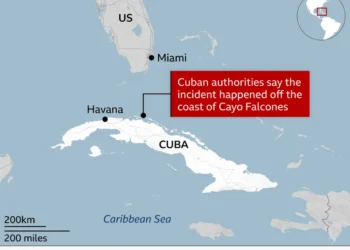 American Citizen Killed in Cuba Boat Shooting, U.S. Officials Say
 Iran’s Regime Still Intact — Coming Days Will Test Its Survival
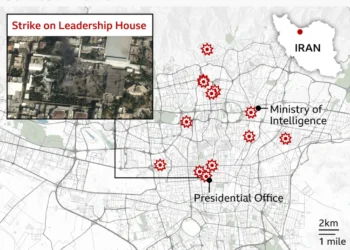 In Maps: Strikes Across Iran and the Middle East
 The Third Day of the US‑Israeli War With Iran
 Brit ‘in Good Spirits’ Amid Dubai Missile Attacks, Stranded but Safe
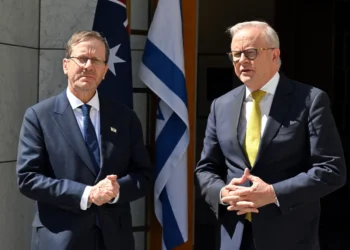 Herzog Asio meeting sparks security storm
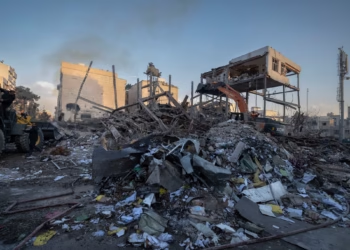 Civilian Deaths in Iran Pass 700 Amid Fear of Bombs and Regime Clampdown
 ‘Every Day Feels Like a Month’: Iranians Describe Life Under ‘Constant’ US‑Israeli Strikes
 Petrol Prices Soar as Retailers Accused of Gouging Amid Global Tension
 Penny Wong silent on Australian crew in sub strike
 Finland Plans to Lift Decades‑Old Ban on Hosting Nuclear Weapons
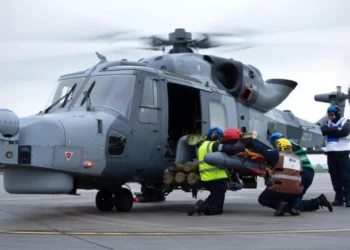 Minister Meets Crews Who Will ‘Take Out’ Iranian Drones
 Oil Prices Surge Above $100 Amid Iran War
 Nine Days of Strikes Reshape the Middle East