Published: 10 March 2026. The English Chronicle Desk. The English Chronicle Online.
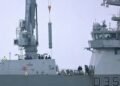
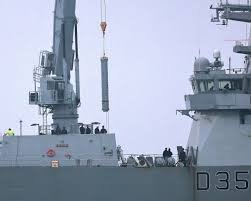
HMS Dragon will set sail for Cyprus in the next couple of days, the defence secretary confirmed, amid mounting concerns over British interests in the eastern Mediterranean. The announcement comes after a drone strike targeted RAF Akrotiri, raising urgent questions about the region’s security and the pace of British naval responses. John Healey told MPs that navy crews were working tirelessly, 22 hours a day, to prepare the destroyer for deployment as the situation continued to unfold. The Labour minister noted that proposals to deploy HMS Dragon were first discussed six days ago, receiving approval roughly 36 hours after the drone strike occurred.
The attack on Akrotiri coincided with the fourth day of a joint US-Israel offensive against Iran, itself preceded by a highly visible six-week buildup of American forces across the Middle East. In retaliation, Iran struck ten countries within a single 24-hour period, further heightening tensions and raising concerns about potential escalation. Despite the urgency, the Royal Navy destroyer’s preparation time means it may not arrive off the coast of Cyprus until after the weekend, given the five to seven days estimated sailing time from Portsmouth.
France has already moved decisively, deploying the Charles de Gaulle aircraft carrier into the eastern Mediterranean. French President Emmanuel Macron met with Cyprus’s president, Nikos Christodoulides, and Greece’s prime minister, Kyriakos Mitsotakis, on Monday to coordinate regional security measures. Britain has faced criticism from Cyprus for not acting quickly enough to secure the island, which hosts two UK military bases, following the drone attack. Evacuations were ordered in nearby villages, and non-essential personnel were relocated while additional incoming drones were intercepted.

Shadow defence spokesperson James Cartlidge emphasised that France, Greece, and Spain had already sent warships to Cyprus, criticising Britain for perceived delays. “Labour’s failure to deploy the Royal Navy to the eastern Mediterranean has completely undermined our international standing,” he stated. In response, Healey accused previous Conservative governments of underfunding British forces, pointing out cuts of £12 billion to defence budgets and reductions in frigates and destroyers from 23 to 17. He insisted these reductions had limited the government’s immediate options despite readiness of some Type 45 destroyers.
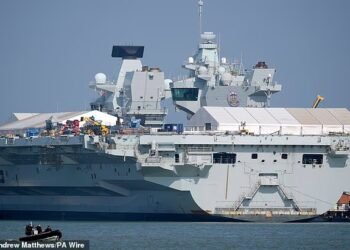
Three of the six Type 45 destroyers, equipped with counter-drone systems, were theoretically available for deployment last week, but HMS Dragon was undergoing dry dock maintenance. Downing Street earlier downplayed suggestions that the Prince of Wales aircraft carrier could be sent to the Middle East, noting its readiness had been reduced to five days, with officials hinting the vessel might instead patrol the northern Atlantic under NATO commitments.
Healey detailed the nature of the Akrotiri drone strike, explaining that the small drone likely originated from Lebanon or Iraq, with its precise origin still unconfirmed by UK intelligence. Cypriot sources had previously suggested the device had been operated from territory controlled by Iran-backed Hezbollah. The defence secretary added that fragments of the drone, initially identified as an Iranian Shahed type, were undergoing analysis for foreign military hardware. He cautioned that the UK could not yet confirm social media claims suggesting Russian components were present.
RAF Typhoon pilots have successfully intercepted two additional drones, one heading toward Bahrain and another destroyed over Jordan, while ongoing RAF missions continue to protect the United Arab Emirates. Healey stressed that Iran had supplied over 60,000 drones to Russia for use against Ukraine, highlighting the regime as a persistent threat. Since the outbreak of the conflict, Iran had launched more than 500 ballistic missiles and over 2,000 drones at Israel and other Middle Eastern countries, aiming to retaliate broadly against Western interests.
Ahead of Healey’s Commons statement, Chancellor Rachel Reeves assured Parliament that the Treasury’s strategic reserve was available to fund military operations in the Middle East. She clarified that financial resources were not the reason for the delay in deploying HMS Dragon, reiterating that operational readiness remained the priority. As the destroyer prepares to depart, officials emphasised that crews were working at maximum capacity to ensure full operational capability upon arrival.
The broader context of the deployment reflects rising regional tensions and the UK’s need to protect its strategic assets. RAF Akrotiri serves as a key logistics hub and airbase for British and allied forces, making rapid response measures critical. Analysts note that delays in deploying HMS Dragon could affect perceptions of British commitment to allied security, especially as France, Greece, and Spain have already demonstrated swift naval support. The Labour government has defended its actions by citing ongoing maintenance requirements, personnel readiness, and the logistical challenges inherent in deploying a complex warship under heightened security conditions.
Britain’s response has sparked political debate within Westminster, highlighting the intersection of defence policy, parliamentary oversight, and international diplomacy. Critics argue that swift military deployment is essential to signal strength, deter further attacks, and reassure allies in a region experiencing volatile conflict. Supporters of the government emphasise that strategic planning and proper preparation are crucial to avoid mishaps and ensure the destroyer arrives fully capable of carrying out its mission.
Beyond immediate deployment, the situation underscores the broader threat posed by Iranian drone capabilities and the proliferation of unmanned aerial systems in conflict zones. The UK, alongside its NATO allies, continues to invest in counter-drone technologies and surveillance systems to mitigate potential attacks on personnel and strategic assets. Analysts suggest that a combination of diplomacy, defence readiness, and technological investment will define the region’s stability in the coming months, particularly as the Middle East navigates complex rivalries and external interventions.

The Ministry of Defence confirmed that HMS Dragon’s mission will include monitoring air and sea activity around Cyprus, coordinating with allied forces, and providing rapid response options if further drone threats emerge. Military planners have also emphasised close coordination with US forces in the eastern Mediterranean, reflecting ongoing joint operational frameworks designed to respond to Iran-related escalations. The mission highlights the importance of flexible naval strategy, with destroyers like HMS Dragon serving both defensive and deterrent roles while supporting allied security initiatives.
In addition to direct military objectives, the deployment carries significant diplomatic weight. Cyprus’s strategic location in the eastern Mediterranean and its hosting of UK bases require a careful balance between showing presence and avoiding unnecessary provocation. British officials stress that HMS Dragon’s deployment signals commitment to allies while adhering to international law and operational protocols. Defence sources also noted that lessons from past deployments, including counter-drone exercises, have been integrated to enhance crew readiness and operational effectiveness.
While the timing of HMS Dragon’s arrival remains uncertain, the broader narrative reflects the complexity of modern military operations. Effective response requires coordination between defence ministries, parliamentary oversight, allied forces, and technological readiness. Observers note that the situation underscores the challenges faced by the Royal Navy in maintaining strategic flexibility while balancing domestic scrutiny and international expectations.
As tensions remain high across the region, the UK’s naval movements will be closely monitored by both allies and adversaries. Analysts suggest that proactive but measured responses, such as the deployment of HMS Dragon, can play a critical role in shaping regional security dynamics and maintaining the credibility of British commitments. The coming days are likely to define not only the operational effectiveness of HMS Dragon but also the perception of the UK as a reliable ally in a rapidly evolving geopolitical landscape.
Related News:
 UK Presses On With Chagos Handover Despite Trump Criticism
 Shinzo Abe’s killer receives life sentence in Japan
 British Woman in Iran ‘Losing Hope’ Amid Ongoing Detention
 Green Party Surges Past Labour in Latest UK Poll
 Celebrities and Charities Demand UK Government Act on Child Poverty
 Trump’s UK Ambassador Urges North Sea Drilling to Strengthen US Ties
 FBI Director Kash Patel Defends Girlfriend Amid Government Jet Claims
 French Taxi Driver Cleared in David Lammy Theft Case After Fare Dispute
 ‘Reckless’ cuts to victims’ services will cost more than they save
 Millionaires group urge Reeves to introduce wealth tax to ‘lift kids out of poverty’
 Starmer Faces Growing Dissent as Labour MPs Weigh Leadership Challenge
 Reeves rejects £1bn plea for NHS redundancy payouts
 Politics latest: Starmer ‘will fight any leadership coup’ as Streeting denies attempt to oust Labour PM
 PM Condemns Leaks, Vows Loyalty to Ministers and Stability
 Major Rent Reform Ends No-Fault Evictions in England
 Peers Flood Assisted Dying Bill with 942 Amendments
 England’s Special Needs Support Faces Breaking Point
 MoD warned over Excel risks before Afghan data breach
 Labour Faces Historic Decline in Wales
 PM Highlights UK Business at G20 in South Africa
 Most Tories Expect to Support a Farage-Led Government
 Labour MP claims devolution bill is ‘blatant discrimination’ against Cornwall
 Millions Face Higher Taxes Under Reeves New Budget
 Peers Get Extra Time to Debate Assisted Dying Bill
 Starmer Says Labour’s Economic Plan Needs Years to Deliver
 Culture secretary to review Telegraph takeover by Daily Mail owner
 Plans to Limit Jury Trials Face Retreat After Mounting Opposition
 Rudd successor: Defence chief and former ministers considered
 US Senate rejects resolution limiting Trump military powers
 Machado Trump medal gesture reshapes Venezuela power struggle
 Trump Receives Machado’s Nobel Medal in White House Meeting
 Right Must Unite After Jenrick Defection, Urges Rees-Mogg
 US Considers Asylum for British Jews Amid Rising Antisemitism
 UK Ministers Drop Foreign Student Targets for Global Education Push
 MPs warn AI financial risks threaten UK stability
 MPs warn AI financial risks threaten UK stability
 Trump slams UK ‘stupidity’ over Chagos Islands, eyes Greenland takeover
 No Gas Boiler Ban as UK Warm Homes Plan Backs Heat Pumps
 Hugh Grant Joins Call for Under-16 Social Media Ban in UK
 Lords Vote Piles Pressure on Starmer Over Social Media Ban
 Reform UK Health Plan ‘Would Cost £1.7bn’, Streeting Says
 Police response times face strict new national limits
 Labour policing overhaul sparks fears over growing central control
 Tories criticised after Braverman defection sparks mental health row
 Burnham Westminster return hopes fade amid Labour rift
 Starmer warns of toxic division politics in Reform challenge
 Starmer China visit raises human rights pressure on Beijing
 Cambridge Faces Scrutiny Over Arms Investment Transparency
 Palantir contracts face UK halt calls over transparency
 Epstein UAE Emails Shake British Royal Andrew’s Legacy
 Labour Thinktank Row Deepens Over Journalist Probe Claims
 Labour Lord Doyle Apologises Over Paedophile Ties in Political Storm
 Cabinet Secretary Shake-Up Triggers Due Diligence Warning
 Starmer Faces Inquiry Calls Over Thinktank Probe
 Royal Mail Delivery Crisis Deepens Amid Weather Chaos
 Farage to Name Jenrick as Reform Chancellor Pick
 NHS Negligence Ruling Raises Payout Costs
 Civil Service Pay: Union Urges Ministers to End ‘Barking Mad’ Limits
 Antonia Romeo appointment sparks criticism
 Trump and Chagos Deal Rift Over Iran Strikes
 Farage Chagos Islands Row Sparks Fury
 Trump Tariffs Threat Spark UK and EU Alarm
 Gasfield Deal Sparks Debate Over Fracking in Lincolnshire
 Reform UK targets workers’ rights repeal
 Mandelson Denounces Arrest Over ‘Baseless’ Fleeing Claims
 Russian Trade Routed Through British Islands Exposed
 Mandelson Arrest: Met Apologises to Hoyle
 Palestine Action ban appeal moves forward
 Reeves Must Back Defence Plan or Face Dismissal, Says Unite Chief
 NHS Maternity Units Cover Up Harmful Childbirth Errors
 Green Party Stuns Labour in Gorton and Denton Byelection
 Refugee Status Overhaul Sparks UK Debate
 BBC Charter Reform Sparks Independence Battle
 Asylum Seekers to Work After Year-Long Wait
 Thousands Protest Iran Strikes Outside US Embassy London
 US Bombers Arrive at RAF Base Amid Rising Iran Tensions
 UK Prepares Aircraft Carrier for Middle East Crisis
 UK Oil and Gas Supplies Reassured Amid Middle East Concerns
 Proposed Law Leaves Gap for Children of Convicted Paedophiles
 Ministers Urged to Act Faster on Deepfakes Threat