Published: 10 March 2026 The English Chronicle Desk The English Chronicle Online — World News
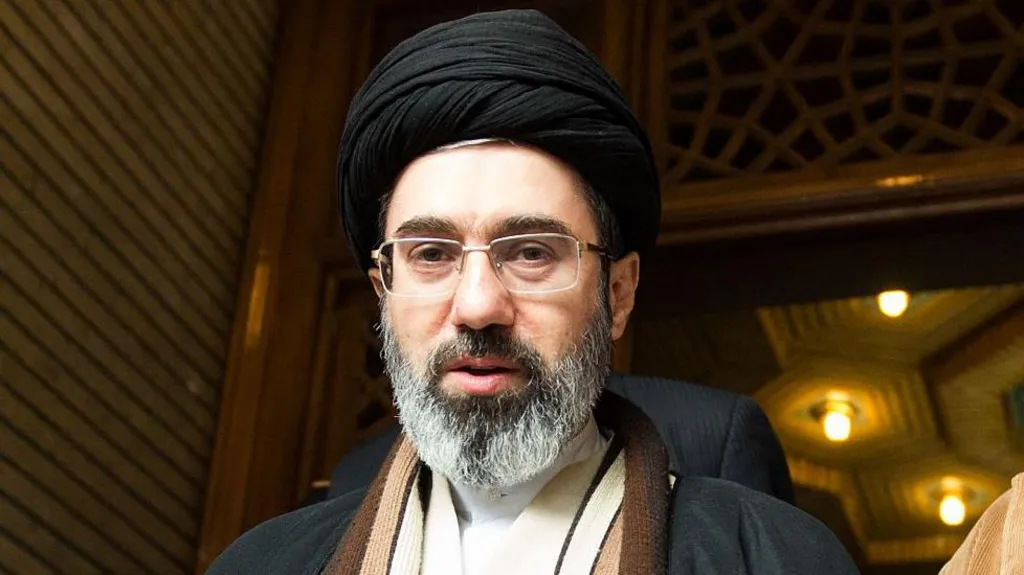
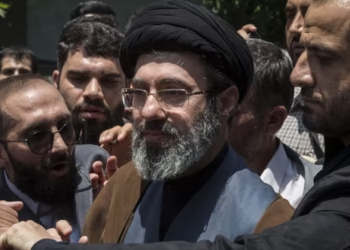
Iran’s new supreme leader, Mojtaba Khamenei, has taken power at the most perilous moment in the Islamic Republic’s history. At 56, the son of the late Ayatollah Ali Khamenei — assassinated in the opening salvos of US‑Israeli strikes — inherits a nation at war, deeply divided at home, and facing what analysts describe as an existential battle.

Unlike his father, Mojtaba has never held formal government office, rarely appeared in public, and has no record of speeches. His ascent was confirmed by the Assembly of Experts, but many Iranians remain sceptical. Protesters who once denounced his father as a dictator have already taken to the streets shouting “Death to Mojtaba.”
Mojtaba’s strongest backing comes from the Islamic Revolutionary Guard Corps (IRGC), which dominates Iran’s security apparatus and economy. He joined the IRGC as a teenager and has long been seen as their candidate. His rise signals a hardline consolidation, with commanders now “calling the shots” in both military and political arenas.
The new leader’s family was killed in the Israeli strike that claimed his father’s life, including his mother, wife, and son. This personal tragedy has made the conflict intensely personal, with state TV broadcasting missiles fired in his name bearing the inscription: “At your service, Seyyed Mojtaba.”
US President Donald Trump has already declared Mojtaba “unacceptable” and warned he “won’t last long.” Israel’s Defence Minister has called him “an unequivocal target.” These threats underscore the precariousness of his position, as Iran’s enemies openly vow to remove him.
Domestically, Mojtaba’s rise has pushed reformists further to the margins. Figures like Hassan Khomeini, grandson of the republic’s founder, have been sidelined. Current President Masoud Pezeshkian, a moderate, now faces diminished influence as hardliners consolidate control.

Some allies portray Mojtaba as potentially “progressive,” likening him to Saudi Crown Prince Mohammed bin Salman in terms of social reform. But with war raging and the IRGC entrenched, there is little sign of liberalisation. Instead, Iran appears locked into a harsher, more repressive trajectory.
Related News:
 US Urges Iran to Make Deal as Military Presence Rises
 Trump’s Foreign Policy Dilemma Laid Bare by Iran Tensions
 Hamas Holds Vote to Choose New Interim Leader, Source Tells BBC
 US Partially Evacuates Beirut Embassy Amid Rising Iran Tensions
 Middle East Flights Halted After Iran Strikes
 Israel and Hezbollah Exchange Fire as Conflict Worsens
 Iran’s Regime Still Intact — Coming Days Will Test Its Survival
 Allies of US in the Gulf Bear Brunt of Iran Attacks
 Hopes and Fears as US Iranians Take to Streets After Toppling of Supreme Leader
 Retaliations Continue on Day Two of US-Israel Attacks on Iran
 At Least 153 Dead After Reported Strike on School, Iran Says
 At Least 153 Dead After Reported Strike on School, Iran Says
 ‘It’s Eerie’ – Dubai on Edge as City Comes Under Attack
 BBC Reports from Beit Shemesh After Deadly Iranian Missile Strike
 Iran, the US, and a World Cup That Starts in Three Months
 Cooper: Joining US Strikes on Iran ‘Not in Britain’s Interest’
 Trump’s Iran Endgame Unclear After Mixed Messaging on War Aims
 Melania Trump Chairs UN Security Council Meeting on Children in Conflict Amid Iran Strikes
 Rubio Responds to Reported Strike on Iranian School
 Scots Caught Up in Middle East Crisis ‘Just Waiting for the Next Explosion’
 Why the US and Israel attacked Iran
 Israel Launches Fresh Strikes on Tehran & Beirut; US Warns “Hardest Hits” Ahead
 Three Days In, This War’s End Is Still Unclear
 US Has ‘Enough Weapons for Forever War,’ Trump Says
 Israel Strikes Lebanon After Hezbollah Rocket Fire as Iran Conflict Widens
 Israel’s New Airstrikes on Tehran & Beirut After US Embassy in Riyadh Is Hit
 Israel Launches Ground Invasion of Lebanon Amid Widening Middle East War
 Iranian Rockets Are Testing the Resolve of Dubai’s Instagram Stars
 US Embassy in Riyadh Hit by Iranian Drones as Israeli Troops Enter Southern Lebanon
 US Senate Backs Trump War Powers Amid Iran Missile Barrage
 Macron Finds ‘Freedom Fries’ Redemption in Iran Crisis
 UK Prepares Aircraft Carrier for Middle East Crisis
 Mojtaba Khamenei Chosen as Iran’s New Supreme Leader
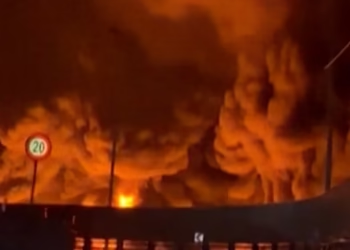 Tehran Oil Depot Strikes Darken City With Toxic Smoke
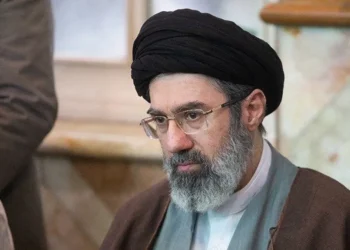 Who Is Mojtaba Khamenei, Iran’s New Supreme Leader?
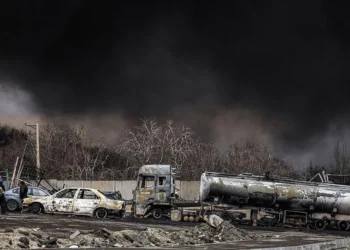 Nine Days of Strikes Reshape the Middle East
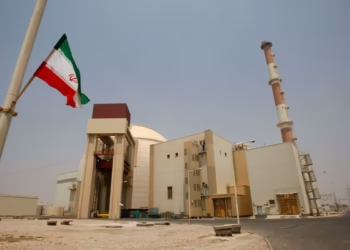 Putin Orders Evacuation at Iran Nuclear Plant Amid ‘Catastrophe’ Fears
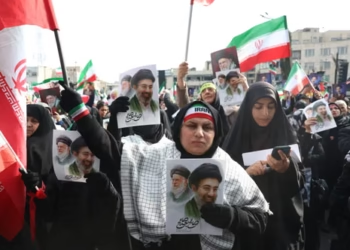 Mojtaba Khamenei Supporters Rally as Iranians Fear Repression
 UK Must Act with Courage and Clarity on Israel-Palestine Conflict, Says Foreign Affairs Committee Report
 Radioactive Leak at UK’s Nuclear Warhead Base Sparks Outcry Over Safety and Secrecy
 Mutual Inconvenience: Why Alaska Was Chosen for the Trump-Putin Summit on Ukraine
 Hong Kong Summons UK and Australian Envoys Following Asylum Grants to Democracy Activists
 Is the UK Ready to Put Boots on the Ground in Ukraine? Assessing Military Capacity and Challenges
 Channel Crossings Surge: Over 1,000 People Arrive in the UK in Small Boats in a Single Day
 Widow of Charlie Kirk Forgives Killer at Emotional Memorial Service
 Yvette Cooper Signals Global Momentum Towards Gaza Peace Deal Amid Humanitarian Crisis
 Russia’s Latest Push to Win US Favors Shows Deep Desperation
 BBC to Apologise Over Edited Trump Speech Amid Backlash
 Britain deploys RAF specialists to assist Belgium with drone threats
 Trump Urges Herzog to Grant Netanyahu Full Pardon
 Indian authorities demolish Kashmir home linked to Red Fort blast
 Greene Pushes Epstein Files Amid Trump Fallout
 December Run-Off in Chile as Election Produces No Winner
 Shadow Fleet at Sea: Europe’s Battle Against Illicit Oil Shipping
 India’s COP30 Delay Raises Global Climate Concerns
 Georgians Defy Government Crackdown After Year of Protests
 Albanese Opens Door to Bondi Royal Commission Amid Rising Pressure
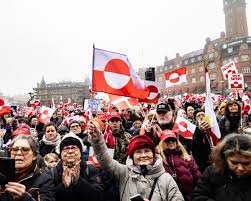 EU weighs response amid Greenland tariff crisis with Trump
 EU Says US Ties Have Suffered ‘Big Blow’ After Greenland Crisis
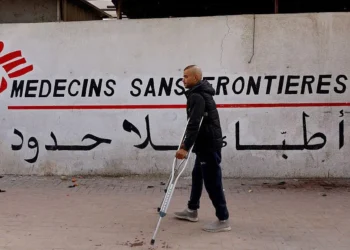 Israel Moves to Bar MSF From Gaza Operations
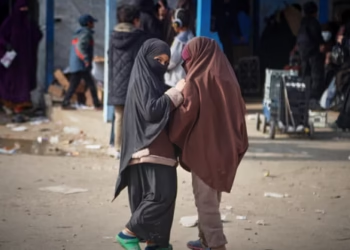 Australian Families Leave Syrian Camp for Home
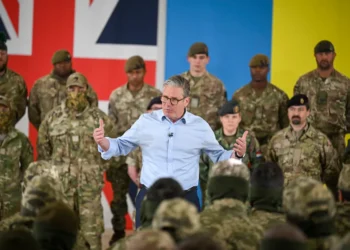 Starmer Weighs Fast-Tracking Defence Boost
 ‘I Would Scream in My Sleep’: Alawite Women from Syria Tell of Kidnap and Rape
 Nine Arrested in France Over Death of Far‑Right Student
 Andrew Arrest Sparks Republic Debate in Australia
 Australian PM Says Former Prince Andrew Has Suffered ‘Extraordinary Fall’ but That Won’t Prompt Republic Referendum
 Musk Cuts Starlink Access for Russian Forces – Giving Ukraine an Edge at the Front
 Farage Chagos Islands Row Sparks Fury
 Ukraine Negotiator Reveals What It Feels Like Facing Russia
 Chad Shuts Border With Sudan in Bid to Stop Conflict Spreading
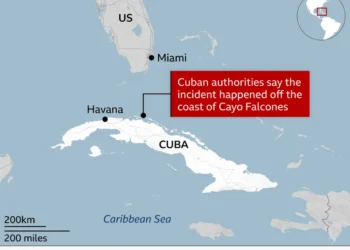 American Citizen Killed in Cuba Boat Shooting, U.S. Officials Say
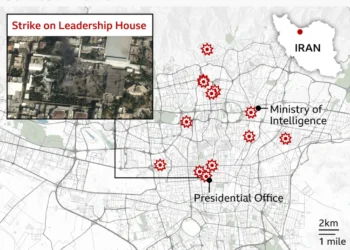 In Maps: Strikes Across Iran and the Middle East
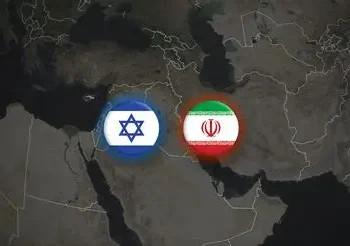 The Third Day of the US‑Israeli War With Iran
 Herzog Asio meeting sparks security storm
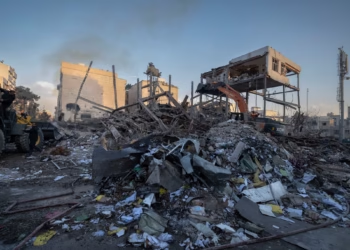 Civilian Deaths in Iran Pass 700 Amid Fear of Bombs and Regime Clampdown
 Finland Plans to Lift Decades‑Old Ban on Hosting Nuclear Weapons
 Minister Meets Crews Who Will ‘Take Out’ Iranian Drones
 Thousands Protest Iran Strikes Outside US Embassy London
 Trump Pressures Congress Over Save America Act
 Iran War Puts Trump at Political Risk Amid Rising Prices