Published: March 11, 2026
The English Chronicle Desk. The English Chronicle Online
The widening conflict in the Middle East continued to unfold on multiple fronts, with fresh developments from Iran, Israel and Lebanon drawing international concern as diplomatic, military and humanitarian dimensions of the war intensify.

Iran’s newly appointed supreme leader, Mojtaba Khamenei, has been confirmed as safe despite earlier reports suggesting he was injured amid the ongoing war. The son of the late Ayatollah Ali Khamenei, Mojtaba’s condition had become a topic of speculation after state television described him as a “war‑wounded” figure. A senior Iranian presidential adviser, who is also the president’s son, said that contact with trusted intermediaries confirmed the supreme leader was “safe and sound,” dispelling some uncertainty surrounding leadership continuity during active hostilities.
The conflict itself has rapidly expanded from its initial US‑Israel operations against Iranian military and strategic infrastructure. Iran has responded to strikes on its territory with missile and drone barrages targeting Israeli positions and allied forces across the region. The situation has prompted not only intensified military exchanges but also growing economic and geopolitical repercussions, including disruptions to the Strait of Hormuz, a crucial global oil transit route, and widened international diplomatic pressure.
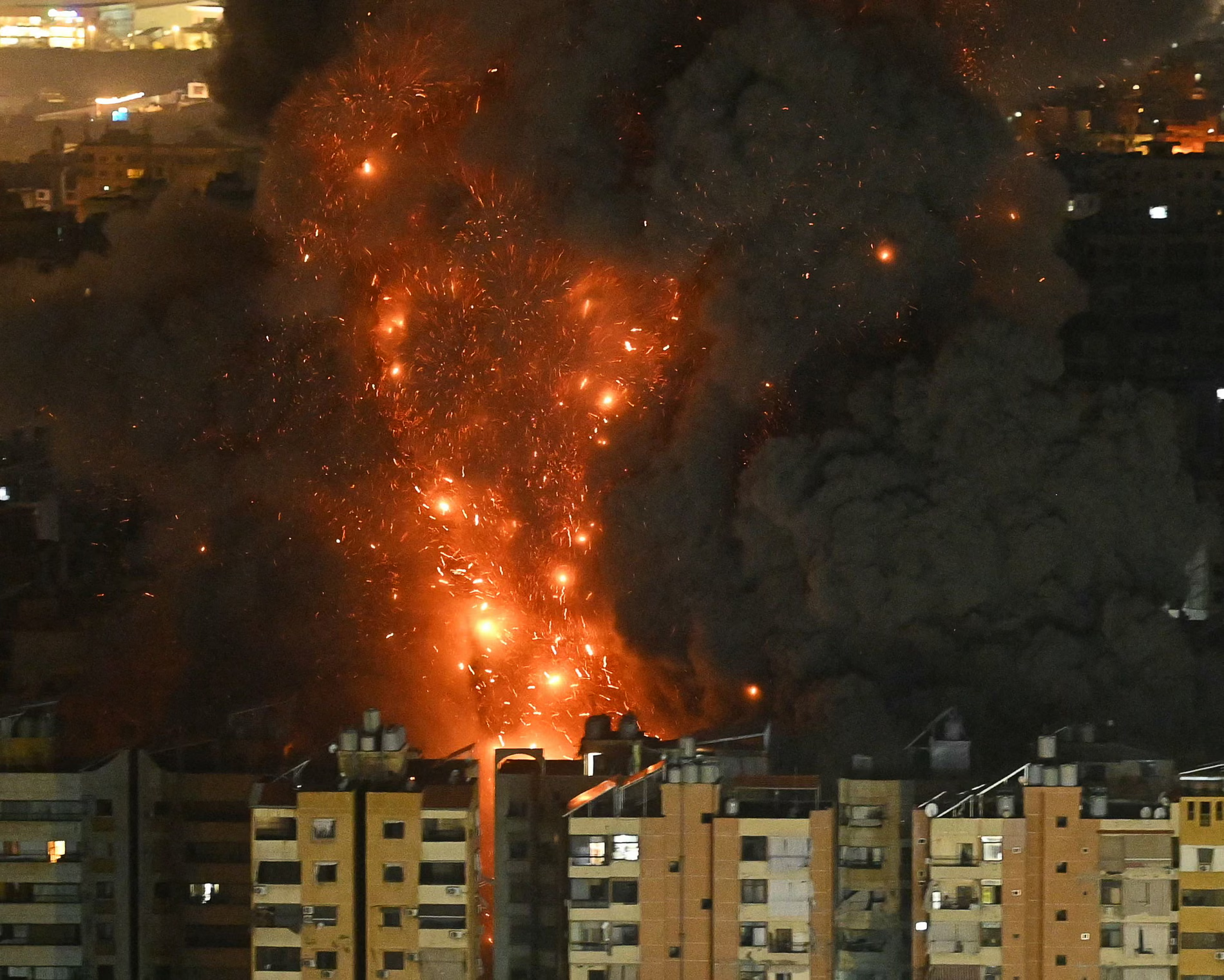
In Lebanon, the human cost of the wider war is mounting. Israeli airstrikes on multiple Lebanese locations — including Beirut’s suburbs — have resulted in a significant number of casualties and mass displacement. United Nations reporting indicates thousands of civilians have been driven from their homes and hundreds killed, including many children, as emergency services struggle to cope with the scale of destruction.
The city of Tyre and other southern regions have seen waves of combat activities as Israel targets positions associated with Hezbollah, the Iran‑aligned militant group. Reuters reporting notes that Israeli strikes have killed civilians and forced hundreds of thousands to evacuate, exacerbating what is already being described as a severe humanitarian crisis.
International responses have varied. Some Western leaders have framed their support of Israel in terms of countering regional militancy and halting Iran’s strategic expansion, while others have urged urgent ceasefires to prevent further loss of life and destabilisation. Energy markets, already roiled by fears of disrupted supply, continue to react to news from the conflict’s front lines, with analysts warning that prolonged instability could deepen global economic uncertainty.

The chain of events — from alleged leadership injuries and strategic strikes to mass civilian displacement — underscores how deeply the Iran war has now drawn in neighbouring states and non‑state actors, forcing governments and international organisations to grapple with a conflict whose consequences extend far beyond the immediate battlefields of the Middle East.
Related News:
 ‘Anyone who runs is shot’: Russian soldiers describe killings of troops who refuse orders
 Britain Demands Israel Reverse Ban on Aid Groups
 Iran Leader Blames Protesters, Says They Serve Trump
 Emails Show Epstein Funded Mandelson’s Husband After Jail
 Thousands Protest ICE in New York Against Trump Deportation Campaign
 The Martin Luther King Protégé Who Helped Reshape America
 Ukraine Negotiator Reveals What It Feels Like Facing Russia
 Mandelson Arrested Amid Political Turmoil as Ukraine Marks Four Years of Conflict
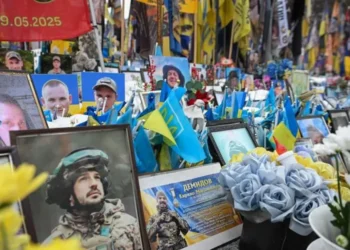 Ukraine remembers its dead as war enters a fifth year
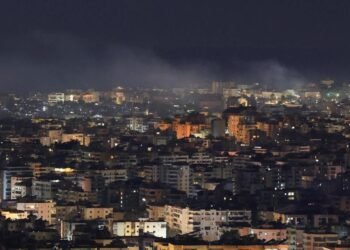 Israel and Hezbollah Exchange Fire as Conflict Worsens
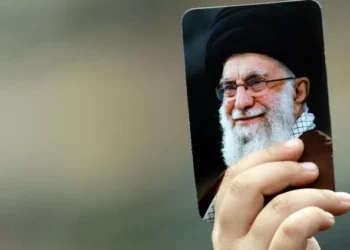 Iran’s Regime Still Intact — Coming Days Will Test Its Survival
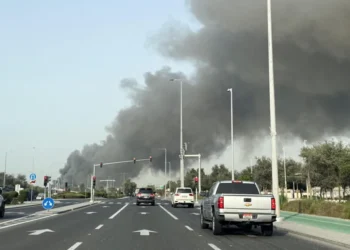 Allies of US in the Gulf Bear Brunt of Iran Attacks
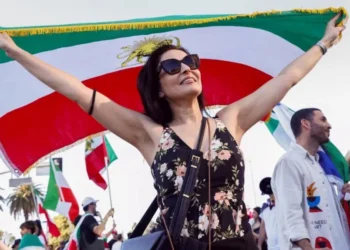 Hopes and Fears as US Iranians Take to Streets After Toppling of Supreme Leader
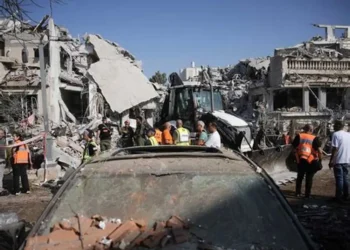 Retaliations Continue on Day Two of US-Israel Attacks on Iran
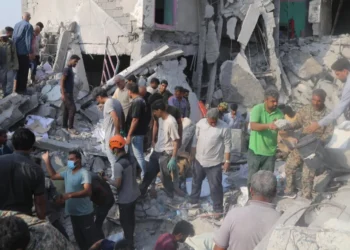 At Least 153 Dead After Reported Strike on School, Iran Says
 At Least 153 Dead After Reported Strike on School, Iran Says
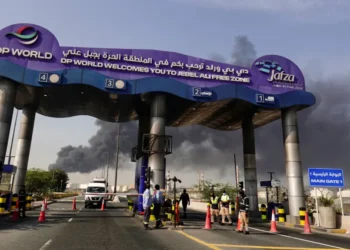 ‘It’s Eerie’ – Dubai on Edge as City Comes Under Attack
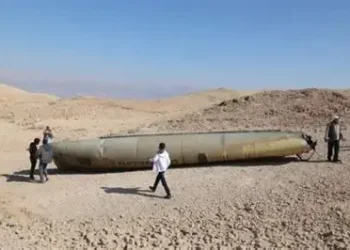 BBC Reports from Beit Shemesh After Deadly Iranian Missile Strike
 Iran, the US, and a World Cup That Starts in Three Months
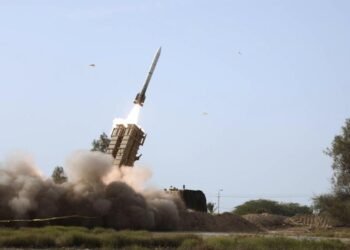 UK Will Allow US to Use Bases to Strike Iranian Missile Sites, PM Says
 Cooper: Joining US Strikes on Iran ‘Not in Britain’s Interest’
 Trump’s Iran Endgame Unclear After Mixed Messaging on War Aims
 Rubio Responds to Reported Strike on Iranian School
 Scots Caught Up in Middle East Crisis ‘Just Waiting for the Next Explosion’
 Why the US and Israel attacked Iran
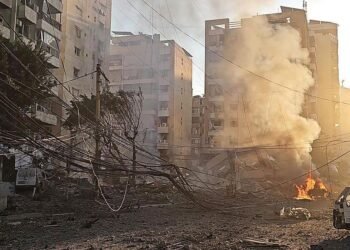 Israel Launches Fresh Strikes on Tehran & Beirut; US Warns “Hardest Hits” Ahead
 Three Days In, This War’s End Is Still Unclear
 US Has ‘Enough Weapons for Forever War,’ Trump Says
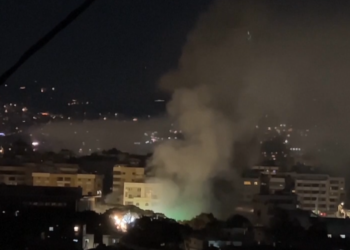 Israel Strikes Lebanon After Hezbollah Rocket Fire as Iran Conflict Widens
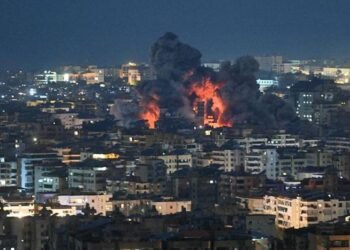 Israel’s New Airstrikes on Tehran & Beirut After US Embassy in Riyadh Is Hit
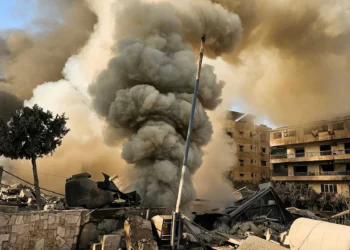 Israel Launches Ground Invasion of Lebanon Amid Widening Middle East War
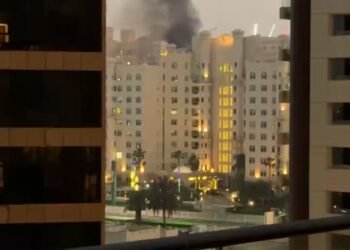 Iranian Rockets Are Testing the Resolve of Dubai’s Instagram Stars
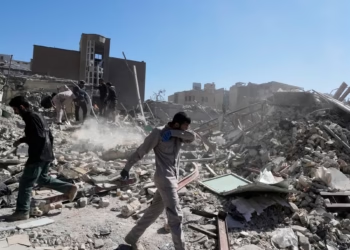 US Embassy in Riyadh Hit by Iranian Drones as Israeli Troops Enter Southern Lebanon
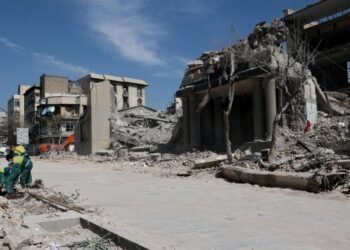 US Senate Backs Trump War Powers Amid Iran Missile Barrage
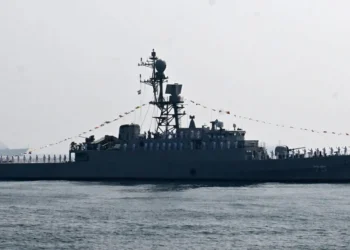 US Submarine Sinks Iranian Warship in Indian Ocean, Hegseth Says
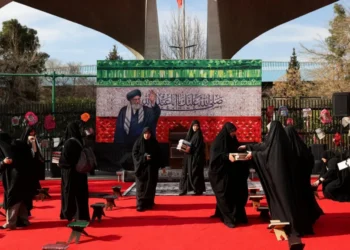 Iran Postpones Khamenei Funeral as US‑Israeli Bombardment Continues
 The Devastating Conflict Where Both Sides Have Reasons to Keep Fighting
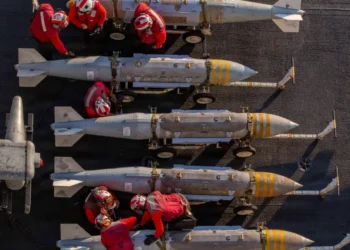 How Depleted Weapons Stockpiles Could Affect the Iran Conflict
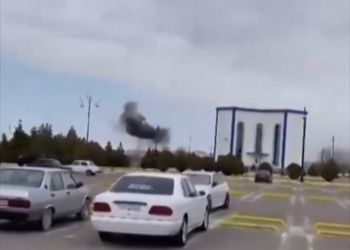 Iran Drones Hit Azerbaijan Airport as War Widens
 UK Prepares Aircraft Carrier for Middle East Crisis
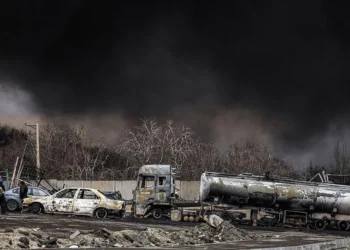 Nine Days of Strikes Reshape the Middle East
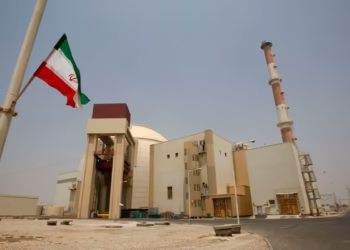 Putin Orders Evacuation at Iran Nuclear Plant Amid ‘Catastrophe’ Fears
 China Moves to Enshrine ‘Ethnic Unity’ Law
 Istanbul Mayor Faces Corruption Trial Amid Political Storm
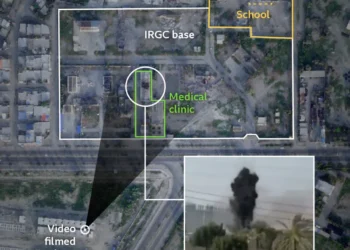 Video Analysis Suggests US Missile Hit Base Near Iran School
 Iranian Footballers Escape Team Hotel to Seek Asylum
 Iran Women Footballers Seek Asylum After Anthem Protest
 UK Must Act with Courage and Clarity on Israel-Palestine Conflict, Says Foreign Affairs Committee Report
 Radioactive Leak at UK’s Nuclear Warhead Base Sparks Outcry Over Safety and Secrecy
 Hong Kong Summons UK and Australian Envoys Following Asylum Grants to Democracy Activists
 Is the UK Ready to Put Boots on the Ground in Ukraine? Assessing Military Capacity and Challenges
 Channel Crossings Surge: Over 1,000 People Arrive in the UK in Small Boats in a Single Day
 Yvette Cooper Signals Global Momentum Towards Gaza Peace Deal Amid Humanitarian Crisis
 Russia’s Latest Push to Win US Favors Shows Deep Desperation
 BBC to Apologise Over Edited Trump Speech Amid Backlash
 Britain deploys RAF specialists to assist Belgium with drone threats
 Greene Pushes Epstein Files Amid Trump Fallout
 December Run-Off in Chile as Election Produces No Winner
 Shadow Fleet at Sea: Europe’s Battle Against Illicit Oil Shipping
 India’s COP30 Delay Raises Global Climate Concerns
 Georgians Defy Government Crackdown After Year of Protests
 EU Says US Ties Have Suffered ‘Big Blow’ After Greenland Crisis
 Australian Families Leave Syrian Camp for Home
 Starmer Weighs Fast-Tracking Defence Boost
 ‘I Would Scream in My Sleep’: Alawite Women from Syria Tell of Kidnap and Rape
 Nine Arrested in France Over Death of Far‑Right Student
 Australian PM Says Former Prince Andrew Has Suffered ‘Extraordinary Fall’ but That Won’t Prompt Republic Referendum
 Farage Chagos Islands Row Sparks Fury
 Chad Shuts Border With Sudan in Bid to Stop Conflict Spreading
 American Citizen Killed in Cuba Boat Shooting, U.S. Officials Say
 In Maps: Strikes Across Iran and the Middle East
 The Third Day of the US‑Israeli War With Iran
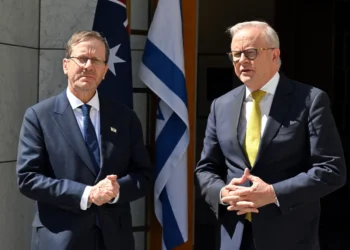 Herzog Asio meeting sparks security storm
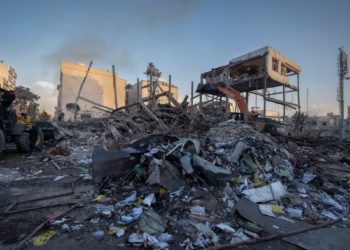 Civilian Deaths in Iran Pass 700 Amid Fear of Bombs and Regime Clampdown
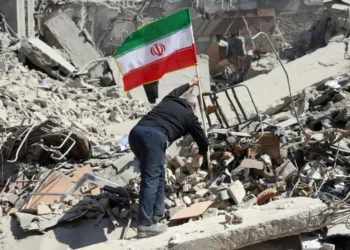 ‘Every Day Feels Like a Month’: Iranians Describe Life Under ‘Constant’ US‑Israeli Strikes
 Finland Plans to Lift Decades‑Old Ban on Hosting Nuclear Weapons
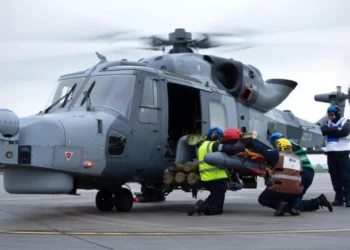 Minister Meets Crews Who Will ‘Take Out’ Iranian Drones
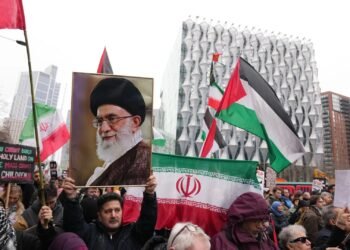 Thousands Protest Iran Strikes Outside US Embassy London
 Trump Pressures Congress Over Save America Act
 Iran War Puts Trump at Political Risk Amid Rising Prices