Published: 11 March 2026 The English Chronicle Desk The English Chronicle Online – UK Politics
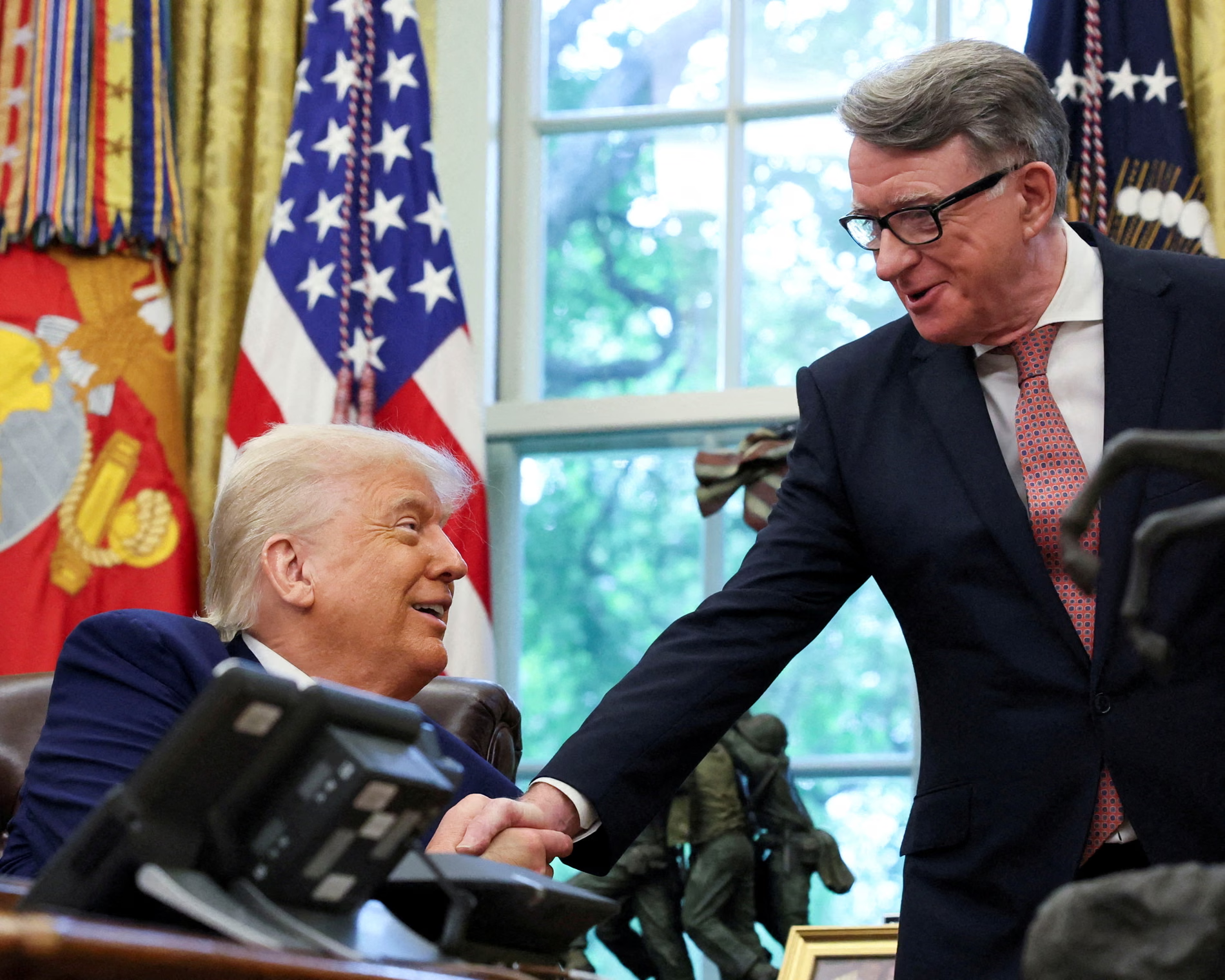
The government is set to release hundreds of documents relating to Peter Mandelson’s controversial appointment as UK ambassador to the United States in 2024, but only after Prime Minister’s Questions, prompting accusations that ministers are attempting to avoid scrutiny.

The documents, ordered by MPs last month, will form the first tranche of tens of thousands of files covering Mandelson’s vetting, appointment and subsequent dismissal. They are expected to include correspondence between the Cabinet Office, Downing Street and the Foreign Office, shedding light on what officials knew about Mandelson’s links to convicted sex offender Jeffrey Epstein.
The decision to release the documents after PMQs has drawn sharp criticism from opposition MPs. Shadow Cabinet Office minister Alex Burghart accused Prime Minister Keir Starmer of “dodging questions,” saying: “His fingers are all over this. He’s already admitted that he knew about Mandelson’s ongoing relationship with Epstein when he appointed him. Time and again his judgment has been found wanting.”
Chief secretary to the prime minister Darren Jones defended the timing, insisting it was standard procedure. “Statements always come after Prime Minister’s Questions,” he told Times Radio. “We were always teed up to report in early March with the first tranche of documents, which is what we’re doing this afternoon.” Jones confirmed a second tranche would follow later.
Mandelson was appointed ambassador to Washington in December 2024 despite longstanding questions about his ties to Epstein. Starmer dismissed him last September after emails revealed the depth of their relationship. Mandelson has denied wrongdoing but was arrested in February on suspicion of misconduct in public office, accused of leaking confidential information to Epstein during his time as business secretary under Gordon Brown. He remains under investigation.
The controversy intensified after US justice department files showed Mandelson maintained contact with Epstein even after his 2008 conviction for soliciting prostitution from a minor. Starmer admitted he knew of the friendship but said Mandelson had “lied repeatedly” to No 10 about its extent.
The release is expected to clarify how Mandelson was vetted, what officials knew about his relationship with Epstein, and why he was appointed despite concerns. Cabinet minister Darren Jones has said a “big number” of documents will be published, though campaigners note this will be only a fraction of the total demanded by Parliament.
MPs across parties have pressed for transparency, arguing that the scandal raises fundamental questions about government accountability and the integrity of appointments to senior diplomatic posts.
The controversy comes at a sensitive time for Starmer, who is also facing criticism over UK support for US military action in Iran. Donald Trump has accused Britain of joining the conflict “too late,” though his envoy Steve Witkoff has suggested relations can be repaired.
Meanwhile, Chancellor Rachel Reeves has warned MPs that the Iran war is disrupting trade and could impact inflation, growth and interest rates. She said the UK stands ready to release strategic oil reserves to ease pressure on global markets.
The Mandelson release coincides with other major political stories:
- MPs voted 304 to 203 in favour of the Courts and Tribunals Bill, which scraps some jury trials and removes automatic appeals from magistrates’ courts.
- The House of Lords accepted the final draft of the Hereditary Peers Bill, ending centuries of inherited seats in the upper chamber.
- Home Secretary Shabana Mahmood has banned the annual Al Quds Day march in London, citing police warnings of serious public disorder.
The release of the Mandelson documents marks a pivotal moment in Westminster’s ongoing struggle with transparency and accountability. While ministers insist the timing is routine, critics argue it reflects a pattern of evasion.

For Starmer, the stakes are high: the documents may either vindicate his decision‑making or deepen the controversy over his judgment. For Parliament, the release is a test of its ability to hold the executive to account.
Related News:
 UK Must Act with Courage and Clarity on Israel-Palestine Conflict, Says Foreign Affairs Committee Report
 Chancellor Faces Mounting Pressure Amid “Impossible Trilemma” Over Tax Rises
 Radioactive Leak at UK’s Nuclear Warhead Base Sparks Outcry Over Safety and Secrecy
 Mass Arrests in London as Protest Defies Ban on Palestine Action
 Mutual Inconvenience: Why Alaska Was Chosen for the Trump-Putin Summit on Ukraine
 UK Government Expands ‘Deport Now, Appeal Later’ Policy to 23 Countries
 Chancellor Rachel Reeves Pushes for Sweeping Changes to Environmental Protections to Accelerate Development
 Larger Families Could Gain Thousands if Labour Ends Two-Child Benefit Cap
 Is the UK Ready to Put Boots on the Ground in Ukraine? Assessing Military Capacity and Challenges
 Palestine Action Ban Protesters Plan Tactic to Overwhelm Police at Next London Demonstration
 Police Scotland Spends £500,000 Compensating Officers Over Trump Visit
 Britain’s Migration Challenge: Rising Asylum Numbers and Hotel Pressures
 Elon Musk Sparks New Controversy by Backing Tommy Robinson Amid Farage Feud
 Urgent Action Needed on Windrush Compensation as Survivors Speak of “Waiting to Die”
 Tanni Grey-Thompson Faces Abuse Over Opposition to Assisted Dying Bill
 TfL Invites RMT to Resume Talks as London Tube Strikes End
 UK Rejoining EU ‘Unlikely in My Lifetime,’ Says Starmer’s Europe Reset Negotiator
 ‘Unite the Kingdom’ Rally Sparks Fears of Far-Right Normalisation Among Minority Britons
 Thousands Gather in London to Protest Donald Trump’s Second UK State Visit
 Zarah Sultana Seeks Legal Action After Bitter Clash with Jeremy Corbyn Over Party Membership Funds
 Nigel Farage Unveils Controversial Immigration and Welfare Plans at Reform UK Press Conference
 Top Andy Burnham Ally Launches Fierce Critique of Starmer Ahead of Labour Conference
 Mahmood Pledges Reform of Modern Slavery Laws After Court Blocks Deportation Appeal
 Ed Miliband Warns UK Government on X, Citing Elon Musk as a “Dangerous Influence”
 Ed Miliband Urges Labour to Confront Billionaire-Backed Opposition to Net Zero Goals
 Digital ID Plans Ignite Debate Over £600m Treasury Tax Boost and Privacy Concerns
 Kemi Badenoch Unveils ‘Golden Rule’ to Halve Spending Cuts for Deficit Reduction at Tory Conference
 Public Trust in SNP Hits Historic Low Amid NHS Concerns
 Johnson Suggests Mandelson Linked to China Spy Controversy
 UK border officers deployed to Balkans to tackle migrant smuggling
 Ministry of Justice fails to file £11bn in spending receipts
 UK MPs warn of repeat riots over online misinformation
 Rachel Reeves signals welfare reform ahead of key budget
 Reform UK candidate fined £19,000 after using AI-generated cases to challenge election
 William Steps Up Over Prince Andrew Palace Response
 Army Barracks to House Migrants as Hotels Phase Out
 Green Party Surges Past Labour in Latest UK Poll
 Trump’s UK Ambassador Urges North Sea Drilling to Strengthen US Ties
 French Taxi Driver Cleared in David Lammy Theft Case After Fare Dispute
 Millionaires group urge Reeves to introduce wealth tax to ‘lift kids out of poverty’
 Starmer Faces Growing Dissent as Labour MPs Weigh Leadership Challenge
 Reeves rejects £1bn plea for NHS redundancy payouts
 PM Condemns Leaks, Vows Loyalty to Ministers and Stability
 Major Rent Reform Ends No-Fault Evictions in England
 Most Tories Expect to Support a Farage-Led Government
 Starmer Says Labour’s Economic Plan Needs Years to Deliver
 England delays four mayoral elections amid criticism
 Reform Candidate Sparks Fury Over Loyalty Comments
 Right Must Unite After Jenrick Defection, Urges Rees-Mogg
 UK Ministers Drop Foreign Student Targets for Global Education Push
 No Gas Boiler Ban as UK Warm Homes Plan Backs Heat Pumps
 Shinzo Abe’s killer receives life sentence in Japan
 Police response times face strict new national limits
 Labour policing overhaul sparks fears over growing central control
 Starmer warns of toxic division politics in Reform challenge
 Palantir contracts face UK halt calls over transparency
 Diane Abbott Slams Applause for Keir Starmer as PM Vows to Stay On After Mandelson-Epstein Row
 Cabinet Secretary Shake-Up Triggers Due Diligence Warning
 Could Manchester Lead the UK’s Economic Revival?
 Starmer Weighs Fast-Tracking Defence Boost
 Farage to Name Jenrick as Reform Chancellor Pick
 Civil Service Pay: Union Urges Ministers to End ‘Barking Mad’ Limits
 Antonia Romeo appointment sparks criticism
 Trump and Chagos Deal Rift Over Iran Strikes
 Australian PM Says Former Prince Andrew Has Suffered ‘Extraordinary Fall’ but That Won’t Prompt Republic Referendum
 Farage Chagos Islands Row Sparks Fury
 Lord Mandelson Released on Bail After Arrest on Suspicion of Misconduct in Public Office
 Reform UK targets workers’ rights repeal
 Russian Trade Routed Through British Islands Exposed
 Mandelson Arrest: Met Apologises to Hoyle
 Palestine Action ban appeal moves forward
 No 10 Will Have No Say on Which Mandelson Papers Are Released
 BBC Charter Reform Sparks Independence Battle
 Labour MP’s Partner Arrested on Suspicion of Spying for China
 Police Scotland Pays £8m Compensation to Staff
 Minister Meets Crews Who Will ‘Take Out’ Iranian Drones
 Thousands Protest Iran Strikes Outside US Embassy London
 US Bombers Arrive at RAF Base Amid Rising Iran Tensions
 UK Oil and Gas Supplies Reassured Amid Middle East Concerns
 UK–US Tensions Ease as Starmer and Trump Hold First Call Since Iran Row