Published: March 12, 2026
The English Chronicle Desk. The English Chronicle Online
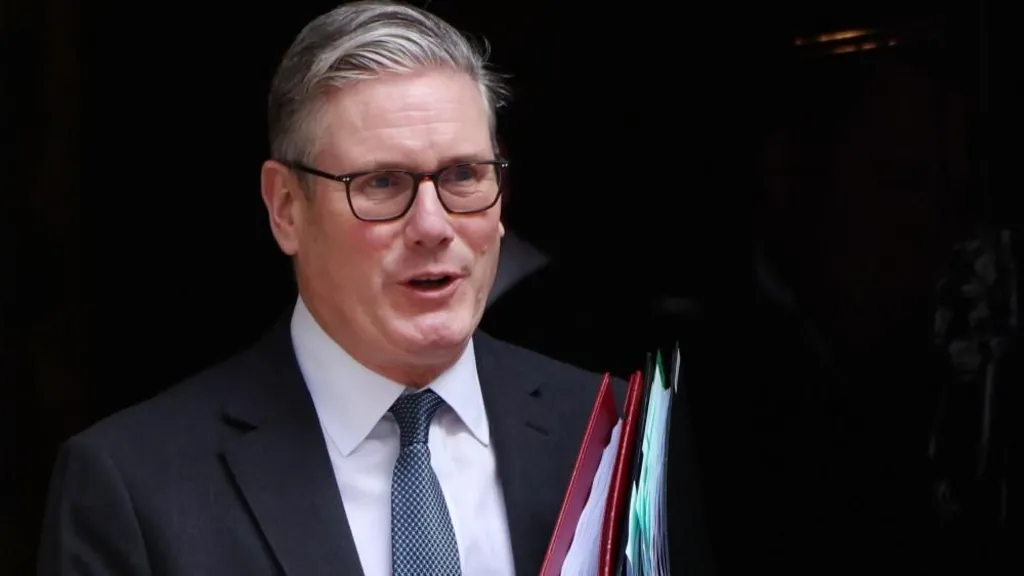
Prime Minister Sir Keir Starmer has indicated that the planned increase in fuel duty later this year will be kept under review in light of the ongoing Middle East conflict involving Iran, as volatile global oil markets continue to push up prices and fuel costs at the pump. At Prime Minister’s Questions in the House of Commons, Starmer was pressed by opposition MPs on whether the government would proceed with a scheduled rise in fuel tax from September. He stressed that while the current 5p duty cut remains frozen until then, the situation will be monitored closely as events unfold in Iran and broader markets.

The planned increase forms part of a phased removal of the fuel duty reduction introduced after Russia’s 2022 invasion of Ukraine, but spiralling oil prices linked to the US‑Israel‑Iran conflict have intensified pressure on UK households already squeezed by energy costs. Starmer told MPs fuel duty would remain on hold until autumn and that ministers would “look carefully at the situation” in assessing whether to implement the hike as initially scheduled.
Chancellor Rachel Reeves has framed the duty rise as part of routine fiscal policy, arguing it is too early to decide on permanent changes and that market conditions should guide pricing. She has also highlighted government efforts to protect consumers, including capping energy bills and engaging with international partners on strategic oil reserves. Critics from opposition parties and campaign groups, however, have called for the hike to be scrapped entirely, saying it would compound cost‑of‑living pressures at a sensitive time.

The government’s position reflects broader economic uncertainty as the conflict in the Middle East affects global supply chains and energy prices. Rising crude costs have sparked debates over tax policy, inflation and support measures for households and businesses. Starmer’s comment that the duty decision will remain under review underscores the government’s cautious approach amid unpredictable oil markets and ongoing geopolitical tensions.
Related News:
 Cost of Living Crisis Returns to Centre Stage
 George Osborne Warns UK Is Falling Behind in Global Cryptocurrency Race
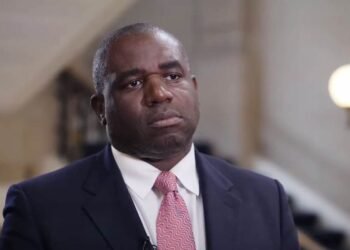 David Lammy Faces Possible Legal Challenge Over Foreign Office Secondment Scheme
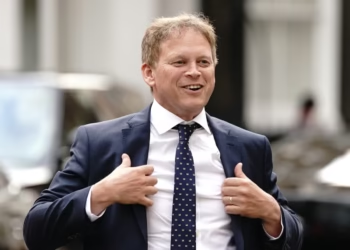 Grant Shapps Cleared to Join Defence Startup Despite Ethical Concerns
 Chancellor Rachel Reeves Pushes for Sweeping Changes to Environmental Protections to Accelerate Development
 Scotland Bans Arms Firms Supplying IDF from Receiving Financial Support
 Government Launches £338m Scheme to Support Sick and Disabled People Back into Work
 Starmer Urged to Champion Workers’ Rights Amid Low Public Awareness
 Rachel Reeves Hosts Top UK and US Financial Executives as Trump’s State Visit Begins
 Donald Trump’s UK State Visit Kicks Off Amid Major Tech Investments and Business Engagements
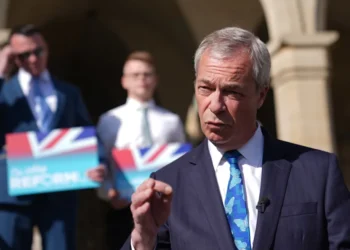 Farage’s Reform UK Receives £100,000 from Design Firm with Past Tax Issues
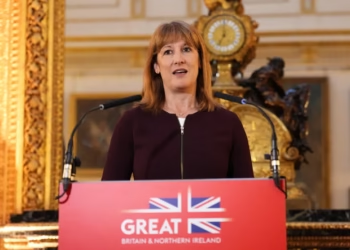 Rachel Reeves Faces Criticism Over Appearance at Gambling Industry Event Amid Tax Review
 King Charles Earns Over £1 Million from Duchy Land Linked to Scrapped HS2 Project
 Gatwick Secures Approval for £2.2bn Second Runway Expansion
 Labour to Unveil Ambitious Plan for 12 New Towns to Tackle England’s Housing Crisis
 Senior Tories Condemn Badenoch’s Vow to Repeal Climate Change Act as Catastrophic
 Labour Faces Budget Dilemma as Reeves Urged to Break Manifesto Promises
 Kemi Badenoch Unveils ‘Golden Rule’ to Halve Spending Cuts for Deficit Reduction at Tory Conference
 Richard Tice’s Business Record Contrasts with His ‘Net Stupid Zero’ Criticism
 UK Labour Market Shows Signs of Stabilising After Job Losses
Rachel Reeves urged to consider welfare cuts to boost fiscal credibility
UK Labour Market Shows Signs of Stabilising After Job Losses
Rachel Reeves urged to consider welfare cuts to boost fiscal credibility
 Lucy Powell urged ministers to reconsider costly legal case for Labour donor’s firm
 Miliband Promises New Nuclear Stations if SNP Ousted
 Tories Push to Dilute Labour’s Workers’ Rights Bill
 Rachel Reeves to lead UK trade push in Saudi Arabia amid rights debate
 Trump’s UK Ambassador Urges North Sea Drilling to Strengthen US Ties
 Rachel Reeves Set to Break Labour Pledge and Raise Income Tax
 Thinktanks Urge Rachel Reeves to Reform UK Tax System
 Company linked to Michelle Mone owes £39m in tax
MPs Press Rachel Reeves to Hike Gambling Taxes
Company linked to Michelle Mone owes £39m in tax
MPs Press Rachel Reeves to Hike Gambling Taxes
 Cuts to home insulation funding threaten UK climate goals
 Millionaires group urge Reeves to introduce wealth tax to ‘lift kids out of poverty’
 PM Highlights UK Business at G20 in South Africa
 English Mayors Set to Introduce Tourist Taxes
 Starmer Says Labour’s Economic Plan Needs Years to Deliver
BBC bosses ‘right to stick by their guns’ against Trump, says minister
Starmer Says Labour’s Economic Plan Needs Years to Deliver
BBC bosses ‘right to stick by their guns’ against Trump, says minister
 China Dependence Threatens UK Energy Supply Chains and Jobs
 MPs warn AI financial risks threaten UK stability
 MPs warn AI financial risks threaten UK stability
 UK Government Borrowing Drops to £11.6bn in December
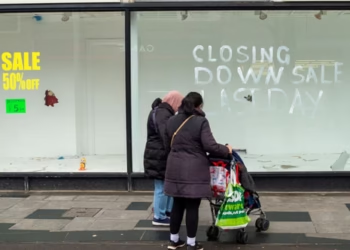 Labour Must Revive High Streets to Avoid Election Collapse
 Barclays drops Global Counsel after Mandelson link scrutiny
 Unsustainable gaps in franchise policing, MPs warn
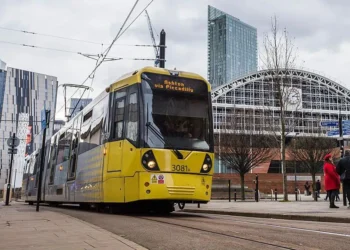 Could Manchester Lead the UK’s Economic Revival?
 Robert Jenrick to Be Unveiled as Reform UK’s Treasury Spokesman, Reports Say
 UK shelves £110m border project amid trade strain
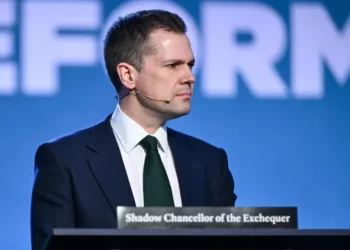 Reform Plans to Keep UK’s Budget Watchdog in Office
 Tories Call for Rethink of Parliament Revamp Plans
 Reeves Blocking Spending Boost for Defence
 Jenrick: I’ll Back OBR but There’ll Be No More Cosy Consensus
 Another U-turn Ahead as Labour Reconsiders Youth Minimum Wage
 UK Sees Record £30.4bn Budget Surplus, Boosting Reeves’ Position
 Fury as Jobless-Migrant Households Receive Benefits Worth £10bn – ‘We Need to End This’
 SNP Charging £750 per Ticket for Business Event Featuring ‘Beer and Blether’ with Stephen Flynn
 Ministers Urged to Ban Crypto Political Donations
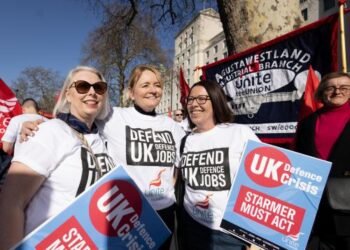 Reeves Must Back Defence Plan or Face Dismissal, Says Unite Chief
 OBR Reform Row Deepens Before Spring Forecast
 Labour’s Employment Shake‑Up ‘Makes Britain Worse Than France’
 Minister Visits Leonardo After £1bn Deal Secured
 Energy Firms Keep Fuel Price Hike ‘Under Scrutiny’
 Reeves Faces Triple Threat as Markets Reel From Global Turmoil
 Gulf Oil Shock Sends Global Economic Ripples
 Iran Rejects Ceasefire, Warns Trump With Chilling Message
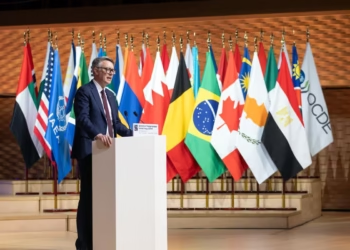 Labour Plans Nuclear Investment Summit Days After Holyrood Election
 UK Must Act with Courage and Clarity on Israel-Palestine Conflict, Says Foreign Affairs Committee Report
 Tanni Grey-Thompson Faces Abuse Over Opposition to Assisted Dying Bill
 Nigel Farage Unveils Controversial Immigration and Welfare Plans at Reform UK Press Conference
UK House Price Growth Slows as Buyers Exercise Caution Ahead of Autumn Budget
Nigel Farage Unveils Controversial Immigration and Welfare Plans at Reform UK Press Conference
UK House Price Growth Slows as Buyers Exercise Caution Ahead of Autumn Budget
 UK border officers deployed to Balkans to tackle migrant smuggling
 UK MPs warn of repeat riots over online misinformation
Reeves Faces Setback as Labour May Miss Homes Target
UK MPs warn of repeat riots over online misinformation
Reeves Faces Setback as Labour May Miss Homes Target
 Reeves rejects £1bn plea for NHS redundancy payouts
 Major UK Clothing Firm Collapses into Administration — 109 Jobs at Risk
 Lloyds Boss Accepts Concern Over Use of Staff Data in Pay Talks
 Civil Service Pay: Union Urges Ministers to End ‘Barking Mad’ Limits
 UK Job Vacancies Hit Five-Year Pandemic Low
 UK Youth Unemployment Surges Amid Tax Changes
 Russian Trade Routed Through British Islands Exposed
 Thousands Protest Iran Strikes Outside US Embassy London
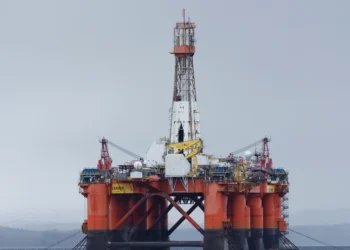 UK Oil and Gas Supplies Reassured Amid Middle East Concerns