Published: 12 March 2026. The English Chronicle Desk. The English Chronicle Online.
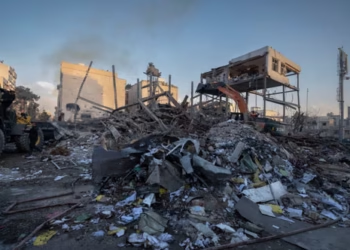
The international community is watching with growing horror as reports emerge regarding significant damage to ancient heritage sites across the Middle East. Recent military actions involving US and Israeli forces have resulted in the unintended destruction of several irreplaceable cultural landmarks within Iran. Officials in the historic city of Isfahan are now expressing profound dismay over the impact of these high-intensity bombing campaigns. They claim that the loss of these structural treasures represents a direct assault on the very foundations of human civilization. The governor of Isfahan has spoken out forcefully against the ongoing destruction of these world-renowned locations. He believes that the targeting of areas near historical monuments shows a complete lack of global cultural respect. Many international observers fear that the physical history of the region is being permanently erased by modern warfare. This developing situation has sparked a heated debate regarding the legal protection of historical sites during active conflicts. Experts are now assessing the scale of the structural failures caused by the recent aerial bombardments.
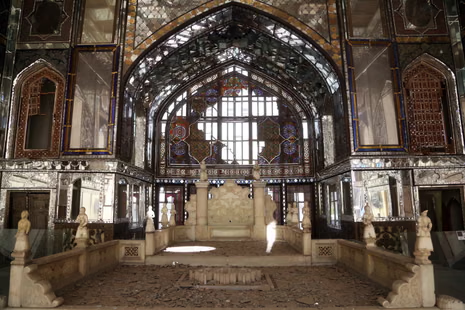
One of the most tragic losses involves the stunning Golestan Palace located in the heart of Tehran. This magnificent complex dates back to the fourteenth century and serves as a symbol of national pride. Recent videos show that the celebrated Hall of Mirrors has suffered extensive and perhaps irreversible internal damage. While a missile did not strike the palace directly, the massive shockwaves shattered the delicate glasswork. Shards of intricate mirrors now cover the floors where kings once walked during royal ceremonies of old. This palace is officially recognized as a world heritage site under the vital protection of UNESCO. The cultural body has already issued several urgent statements expressing its deep concern for the site. They confirmed that the exact geographical coordinates of the palace were shared with all military parties. Despite these precautions, the proximity of the blasts has left the building in a fragile state. Local conservators are struggling to secure the remaining masonry before further collapses occur within the halls.
The city of Isfahan has also faced a series of devastating explosions over the last few days. Known as a museum without a roof, the city contains architecture from three distinct historical eras. Much of the most beautiful work stems from the Safavid dynasty of the seventeenth century. The Chehel Sotoon Palace appears to have suffered the most significant impact from the nearby explosions. Residents have filmed plumes of dark smoke rising from areas very close to the palace grounds. These videos show broken windows and dislodged tilework falling from the ancient walls of the structure. The Ali Qapu Palace and several historic mosques have also reported similar levels of surface damage. Even the vast Naqsh-e Jahan Square has not been spared from the rattling effects of war. The governor, Mehdi Jamalinejad, pointed out that blue shield signs were clearly visible on the roofs. These signs are intended to denote treasures protected under the 1954 Hague Convention for cultural objects. It appears that these international symbols of protection provided little safety during the intense night raids.

Governor Jamalinejad delivered a passionate speech that has since circulated widely across various social media platforms. He stated that even during the Mongol conquests, such disregard for history was rarely witnessed. He described the current situation as a declaration of war against the concept of human identity. In his view, a nation that lacks its own history cannot respect the history of others. This sentiment reflects the growing frustration among the Iranian people as they watch their heritage crumble. They feel that their cultural contributions to the world are being treated as collateral damage. The governor emphasized that Isfahan is a city that belongs to the entirety of the human race. He called upon the United Kingdom and other Western powers to intervene in the destruction. Protecting ancient heritage sites should be a priority that transcends political disagreements and active military goals. The loss of these buildings would be a loss for every student of global history.
A prominent Iranian geologist has also shared a somber perspective on the vulnerability of these sites. He noted that Isfahan has been under threat from land subsidence for many years now. The ground beneath these heavy Safavid-era structures has been slowly sinking due to environmental factors. Now, the city faces a dual threat from the ground below and the bombs from above. The geologist lamented that the ancient capital seems to have very few friends left in the world. He explained that the vibration from modern explosives is particularly dangerous for aged lime and mortar. Traditional building materials are not designed to withstand the sonic pressure of advanced missile systems. Even a distant blast can cause micro-fractures in the foundations of these ancient heritage sites. These cracks may not be immediately visible but will lead to long-term structural instability. This means the true extent of the damage might not be known for several years.
The destruction of cultural property is strictly prohibited under various international treaties signed by many nations. The 1954 Hague Convention was specifically designed to prevent the tragedy we are currently witnessing in Iran. It requires all military forces to avoid using or targeting areas near significant cultural monuments. However, the complexity of modern urban warfare often makes these protections difficult to enforce on the ground. Military spokespersons often cite the presence of strategic assets near these sites as a justification for strikes. Critics argue that no military objective is worth the permanent loss of a UNESCO world heritage site. They believe that the preservation of human history must take precedence over temporary tactical advantages. The international community is now calling for an immediate ceasefire around all recognized cultural zones. There is a growing movement to hold military leaders accountable for the preservation of these locations. Without such accountability, more ancient heritage sites may fall into ruin before the conflict ends.

Restoration efforts are expected to be incredibly difficult given the current economic and political climate. Specialist craftsmen who understand the ancient techniques of tilework and mirror-fitting are becoming increasingly rare. Replacing the unique materials used centuries ago requires a level of precision that modern machines cannot replicate. The intricate designs found in the Golestan Palace were the result of decades of meticulous handiwork. If these skills are lost, the buildings can never truly be restored to their original glory. International heritage experts are hoping to gain access to the sites once the situation stabilizes. They want to conduct a thorough audit of the damage and begin the stabilization process. However, this will require the cooperation of all warring parties and a commitment to peace. Until then, the people of Iran can only watch and wait as their history hangs in the balance. The global outcry continues to grow as more images of the shattered palaces reach the public.
The cultural impact of these events extends far beyond the borders of any single nation or religion. Ancient heritage sites serve as the collective memory of the human species and our shared journey. When a palace in Isfahan is damaged, a piece of the story of humanity is lost. These structures tell the tale of artistic achievement, scientific progress, and the evolution of social governance. They provide a tangible connection to the past that helps us understand our present and future. Losing these connections can lead to a sense of rootlessness and a loss of cultural continuity. This is why the protection of such sites is considered a universal duty by many. The international community must decide if it is willing to let history be destroyed by the present. Future generations will likely judge the leaders of today by what they chose to save. For now, the dust continues to settle over the shattered glass of Iran’s most beautiful palaces.
Related News:
 Middle East Flights Halted After Iran Strikes
 US Iran Operation: Sixth Service Member Killed
 Hezbollah Anger Erupts as War Returns to Beirut
 Gaza Siege Deepens as Iran War Escalates
 Riyadh Drone Attack Escalates Regional War
 Middle East attacks intensify as Trump rejects Iran talks
 Iran-Iraq border airstrikes spark new tensions
 Iran-Iraq Border Strikes Spark New Front Fears
 Iran-Backed Militias Escalate Attacks Across Middle East
 UK Prepares Aircraft Carrier for Middle East Crisis
 Mojtaba Khamenei Chosen as Iran’s New Supreme Leader
 Tehran Oil Depot Strikes Darken City With Toxic Smoke
 Seventh US Service Member Killed in Iran Conflict Identified
 Mojtaba Khamenei Supporters Rally as Iranians Fear Repression
 Tehran Strikes Mark War’s Most Devastating Night
 Iran Defiance Grows Amid US-Israel War Pressure
 Hormuz Crisis Sparks Global Oil Market Fears
 Iranian Exile Factions Seek US Backing for Iran’s Future
 US-Israeli Strategy Shifts to Plan B in Iran War
 Injured Mojtaba Khamenei Elevated as Iran Leader
 US Missile Strike on Iran School Sparks Global Shock
 Iran Gulf attacks escalate as ships and airports targeted
 Iran Conflict: Trump’s Uncertain Path and Diplomatic Off-Ramp
 BBC to Apologise Over Edited Trump Speech Amid Backlash
 Britain deploys RAF specialists to assist Belgium with drone threats
 Palace May Restore Hyphen to Andrew Mountbatten-Windsor’s Name
 Greene Pushes Epstein Files Amid Trump Fallout
 December Run-Off in Chile as Election Produces No Winner
 Zelenskyy Signs Fighter Jet Deal Amid Russian Drone Attacks
 Canada Passes Carney’s First Budget in Tight Parliamentary Vote
 Shadow Fleet at Sea: Europe’s Battle Against Illicit Oil Shipping
 Tiny Curacao Makes History as Smallest Nation to Reach World Cup
 Deadly Russian Strikes Hit Western Ukraine, 20 Killed in Ternopil
 Ukraine Peace Plan: Zelensky Ready for Dialogue
 Royal Navy Shadows Russian Warships Entering the Channel
 US Suspends Afghan Immigration After White House Shooting
 Georgians Defy Government Crackdown After Year of Protests
 Tokyo court rules Japan’s same-sex marriage ban constitutional
 ‘Extinct’ Antelope Returns to Sahara, Bringing Hope
 American Mother Extradited From UK to U.S. on Murder Charges
 Facebook Slow to Remove Bondi Attack Praise, Anti-Hate Group Claims
 Albanese Opens Door to Bondi Royal Commission Amid Rising Pressure
 US Clears Nvidia AI Chip Sales to China in Policy Shift
 Gulf states warn Trump Iran strikes risk wider Middle East war
 EU weighs response amid Greenland tariff crisis with Trump
 Sydney Shark Attack Surge Shocks Australia Beaches
 EU Says US Ties Have Suffered ‘Big Blow’ After Greenland Crisis
 Videos reveal earlier clash before Alex Pretti shooting
 UK New Car Discounts Near £6,000 as Prices Are Slashed
 Israel Moves to Bar MSF From Gaza Operations
 Portugal Election Delivers Socialist Win as Far Right Surges
 Australian Families Leave Syrian Camp for Home
 ‘I Would Scream in My Sleep’: Alawite Women from Syria Tell of Kidnap and Rape
 Andrew Arrest Sparks Republic Debate in Australia
 Farage Chagos Islands Row Sparks Fury
 Hilary Knight speaks out on Trump’s recent hockey remarks
 Has Europe truly learned from the failures of 2022?
 Iran’s Regime Still Intact — Coming Days Will Test Its Survival
 Trump Faces Questions Over Iran Conflict Plan
 In Maps: Strikes Across Iran and the Middle East
 Iran Civilian Deaths Surge Past 200 Amid Fear
 The Third Day of the US‑Israeli War With Iran
 Herzog Asio meeting sparks security storm
 Trump rebukes Starmer over Iran strikes
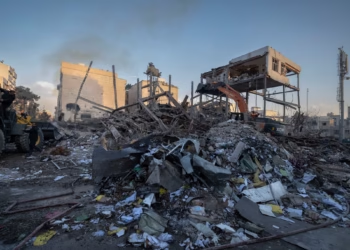 Civilian Deaths in Iran Pass 700 Amid Fear of Bombs and Regime Clampdown
 Petrol Prices Soar as Retailers Accused of Gouging Amid Global Tension
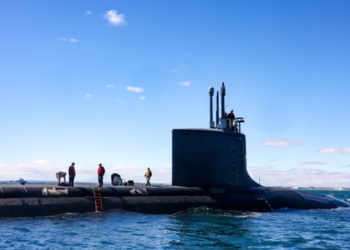 Penny Wong silent on Australian crew in sub strike
 Macron Finds ‘Freedom Fries’ Redemption in Iran Crisis
 Australians on US Submarine in Iranian Warship Strike
 Thousands Protest Iran Strikes Outside US Embassy London
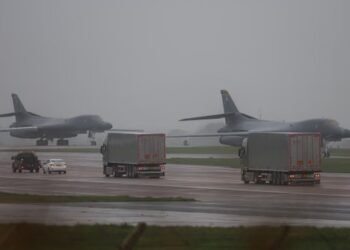 US Bombers Arrive at RAF Base Amid Rising Iran Tensions
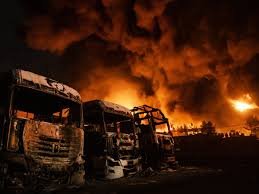 Oil Prices Surge Above $100 Amid Iran War
 India T20 World Cup Triumph Seals Historic Title Defence
 Nine Days of Strikes Reshape the Middle East
 Trump Pressures Congress Over Save America Act
 Ukraine Sends Drone Experts to Defend US Bases in Jordan
 Iran’s New Leader Faces Existential Test
 Iranian Football Squad Asylum Drama Shocks Australia
 Goma Drone Attack Kills Three as Conflict Escalates
 Queensland Protest Laws Spark Free Speech Backlash