Published: 16 March 2026. The English Chronicle Desk. The English Chronicle Online.
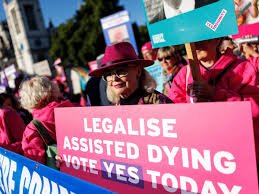
The political landscape in Westminster is currently facing a significant and emotional democratic challenge this week. More than one hundred Labour MPs have formally requested that Prime Minister Keir Starmer intervene now. They want to prevent the House of Lords from successfully blocking the historic assisted dying bill. This landmark piece of legislation is currently facing a certain death due to a lack of time. The private member’s bill was originally sponsored by the dedicated Labour Member of Parliament Kim Leadbeater. It is now expected to fall when the current parliamentary session finally concludes this coming May. Peers in the House of Lords have used multiple amendments to stall the entire process. Lengthy debates have also been used to prevent the bill from reaching a final vote.
A significant number of ministerial aides have also written to the Prime Minister separately today. These parliamentary private secretaries believe that the current situation requires urgent and firm leadership. Cabinet ministers have privately told reporters that they have made this case to Starmer directly. They argue that this is a vital moment to show leadership on a popular issue. Public opinion polls consistently show that the British public largely supports the assisted dying bill. Many MPs believe Starmer must demonstrate that the Lords cannot block the elected Commons. The House of Commons previously passed this specific legislation with a clear and convincing majority.

Opponents of the bill have submitted more than one thousand two hundred individual amendments recently. These critics strongly deny that they are deliberately filibustering the progress of the law. They argue instead that the current legislation is fundamentally unfit for its intended purpose. In a private letter to Starmer, Labour MPs suggested a very specific procedural solution. They want the Prime Minister to ensure the bill returns in the next session. This would occur immediately following the upcoming King’s Speech later this parliamentary year. If the bill passes the Commons again, supporters could then invoke the Parliament Act. This rare move would effectively bypass any further blocking attempts by the unelected peers.
Invoking the 1911 Parliament Act for a private member’s bill would be a historic event. It would represent the first time this specific legal mechanism has been used this way. The letter to the Prime Minister emphasized that he could remain personally neutral. Starmer would not need to sacrifice government neutrality on the actual ethics involved. The MPs argue that this is now a matter of fundamental democratic principle instead. They believe the House of Lords should not block the will of the Commons. The bill originally passed in the lower house last June with twenty-three votes. This majority reflected the settled will of the elected representatives of the British people.
To successfully use the Parliament Act, supporters must navigate several complex legislative hurdles first. They would either need to win a new ballot for a private bill. Alternatively, Starmer could agree to grant the legislation official government time for a vote. The House of Lords has already spent more than one hundred hours debating. Only half of the submitted amendments have been covered after eleven full days. There are only three more days allocated to the bill before May arrives. The legislation would still need to complete its report stage and third reading. Any further amendments would also need to return to the House of Commons. Supporters of the assisted dying bill now describe this timeline as effectively impossible.
Starmer has also received letters from a broad coalition of various different political parties. Members from the Conservative, Liberal Democrat, Green, and Plaid Cymru parties have joined in. Even Reform MPs have added their names to this growing list of concerned politicians. This brings the total number of supporting MPs to approximately one hundred and fifty. They argue that a very small number of peers are causing the delay. These few opponents have laid the vast majority of the amendments being debated. The pace of the debate in the upper chamber is described as glacial. This slow progress is seen by many as a tactic to kill the bill.
Lord Falconer is the primary sponsor of the bill within the second chamber itself. He recently stated that there is absolutely no hope for the bill currently. He believes it will not reach the statute book without a fundamental change. The tactics employed by opponents have proven to be highly effective at stalling. Dr. Peter Prinsley, the MP for Bury St Edmunds, coordinated the recent letter. He is a consultant doctor who understands the medical importance of this specific issue. Prinsley noted that procedural tactics are being used to block the will of parliament. He expressed deep concern that the bill will not return to the Commons. His letter urged the Prime Minister to protect the integrity of the democratic process.
The covering letter to the Prime Minister was respectful but very firm in its tone. It acknowledged the government’s official stance of neutrality on the principle of assisted dying. However, it argued that the government cannot be neutral regarding core democratic principles. The MPs believe that the elected House of Commons must decide on this matter. Their constituents across the entire country strongly support a change in the current law. The letter stated that the issue must be resolved sooner rather than later. The request from the MPs to the Prime Minister is remarkably simple. They want time found for parliament to reach a final decision next session.
This proposed solution would allow the issue to remain a matter of individual conscience. MPs would still be free to vote according to their own personal beliefs. The government’s neutrality would be maintained throughout the entire legislative journey in parliament. It would not necessarily take up time reserved for essential government business either. However, MPs who oppose the bill argue that bringing it back is wrong. They believe that doing so would only further entrench the many existing flaws. Labour MP Jess Asato has been a vocal critic of the current legislative draft. She claims the sponsor has rejected almost all suggested improvements and amendments.

Asato argues that the bill still contains many dangerous faults and serious issues. She claims that experts and various Royal Colleges have shared these specific concerns. Any MP voting for this bill would be doing so knowingly, she suggested. She believes the current version of the bill would ultimately harm vulnerable people. Starmer is known to be a personal supporter of the concept of assisted dying. However, he has seemed disinclined to interfere in the parliamentary process so far. Liberal Democrat MP Vikki Slade described the potential failure as a true travesty. She believe it would be a tragedy for those relying on this legislation.
Slade mentioned her own father as someone who has waited a long time. The emotional stakes of the assisted dying bill are incredibly high for many families. Despite the pressure, Starmer recently said he would not interfere in the process. He believes it is a matter of conscience for every individual member. The Prime Minister stated that parliament must decide on the passage of legislation. He noted that scrutiny is the primary responsibility of the House of Lords. The government has a responsibility to ensure any new laws are workable. Any new legislation must be effective and enforceable in the real world. The debate over the assisted dying bill continues to divide opinion in Westminster.
Supporters remain hopeful that a compromise can be found to save the bill. They see it as a vital step forward for personal freedom in Britain. Opponents remain steadfast in their belief that the bill lacks necessary legal safeguards. The coming weeks will be crucial for the future of this controversial law. Public pressure on the government is likely to increase as the deadline nears. Many people are watching closely to see how the Prime Minister eventually responds. The tension between the two houses of parliament highlights a deeper constitutional issue. This debate is about more than just a single piece of legislation. It is about how democracy functions when the two houses strongly disagree.
Related News:
 British Woman in Iran ‘Losing Hope’ Amid Ongoing Detention
 BBC Journalist Held and Interrogated in Vietnam
 Green Party Surges Past Labour in Latest UK Poll
 Celebrities and Charities Demand UK Government Act on Child Poverty
 Trump’s UK Ambassador Urges North Sea Drilling to Strengthen US Ties
 FBI Director Kash Patel Defends Girlfriend Amid Government Jet Claims
 French Taxi Driver Cleared in David Lammy Theft Case After Fare Dispute
 ‘Reckless’ cuts to victims’ services will cost more than they save
 Millionaires group urge Reeves to introduce wealth tax to ‘lift kids out of poverty’
 Starmer Faces Growing Dissent as Labour MPs Weigh Leadership Challenge
 Reeves rejects £1bn plea for NHS redundancy payouts
 Politics latest: Starmer ‘will fight any leadership coup’ as Streeting denies attempt to oust Labour PM
 PM Condemns Leaks, Vows Loyalty to Ministers and Stability
 Major Rent Reform Ends No-Fault Evictions in England
 Peers Flood Assisted Dying Bill with 942 Amendments
 England’s Special Needs Support Faces Breaking Point
 MoD warned over Excel risks before Afghan data breach
 UK Asylum Overhaul Sparks Debate Over Human Rights and Deportations
 UK Warns China After MI5 Issues Espionage Alert
 Labour Faces Historic Decline in Wales
 PM Highlights UK Business at G20 in South Africa
 Kate Forbes: Motherhood Harder Than Politics
 Most Tories Expect to Support a Farage-Led Government
 Labour MP claims devolution bill is ‘blatant discrimination’ against Cornwall
 Millions Face Higher Taxes Under Reeves New Budget
 Peers Get Extra Time to Debate Assisted Dying Bill
 Starmer Says Labour’s Economic Plan Needs Years to Deliver
 Culture secretary to review Telegraph takeover by Daily Mail owner
 Plans to Limit Jury Trials Face Retreat After Mounting Opposition
 Right Must Unite After Jenrick Defection, Urges Rees-Mogg
 UK Ministers Drop Foreign Student Targets for Global Education Push
 MPs warn AI financial risks threaten UK stability
 MPs warn AI financial risks threaten UK stability
 No Gas Boiler Ban as UK Warm Homes Plan Backs Heat Pumps
 Hugh Grant Joins Call for Under-16 Social Media Ban in UK
 Shinzo Abe’s killer receives life sentence in Japan
 Lords Vote Piles Pressure on Starmer Over Social Media Ban
 Reform UK Health Plan ‘Would Cost £1.7bn’, Streeting Says
 Police response times face strict new national limits
 Labour policing overhaul sparks fears over growing central control
 Tories criticised after Braverman defection sparks mental health row
 Burnham Westminster return hopes fade amid Labour rift
 Starmer warns of toxic division politics in Reform challenge
 Starmer China visit raises human rights pressure on Beijing
 Labour Must Revive High Streets to Avoid Election Collapse
 Calls Grow for King Charles to Apologise for Crown’s Role in Slavery
 Palantir contracts face UK halt calls over transparency
 Labour Thinktank Row Deepens Over Journalist Probe Claims
 Labour Lord Doyle Apologises Over Paedophile Ties in Political Storm
 Cabinet Secretary Shake-Up Triggers Due Diligence Warning
 Starmer Faces Inquiry Calls Over Thinktank Probe
 Royal Mail Delivery Crisis Deepens Amid Weather Chaos
 Labour Together probe scandal sparks fresh Cabinet Office investigation
 Farage to Name Jenrick as Reform Chancellor Pick
 NHS Negligence Ruling Raises Payout Costs
 Civil Service Pay: Union Urges Ministers to End ‘Barking Mad’ Limits
 Antonia Romeo appointment sparks criticism
 Trump and Chagos Deal Rift Over Iran Strikes
 Farage Chagos Islands Row Sparks Fury
 Trump Tariffs Threat Spark UK and EU Alarm
 Gasfield Deal Sparks Debate Over Fracking in Lincolnshire
 Reform UK targets workers’ rights repeal
 Mandelson Denounces Arrest Over ‘Baseless’ Fleeing Claims
 Russian Trade Routed Through British Islands Exposed
 Mandelson Arrest: Met Apologises to Hoyle
 Palestine Action ban appeal moves forward
 Reeves Must Back Defence Plan or Face Dismissal, Says Unite Chief
 NHS Maternity Units Cover Up Harmful Childbirth Errors
 Green Party Stuns Labour in Gorton and Denton Byelection
 Refugee Status Overhaul Sparks UK Debate
 Trump Rebukes Starmer Over Iran Strikes Row
 BBC Charter Reform Sparks Independence Battle
 Asylum Seekers to Work After Year-Long Wait
 Thousands Protest Iran Strikes Outside US Embassy London
 US Bombers Arrive at RAF Base Amid Rising Iran Tensions
 UK Prepares Aircraft Carrier for Middle East Crisis
 UK Oil and Gas Supplies Reassured Amid Middle East Concerns
 Proposed Law Leaves Gap for Children of Convicted Paedophiles
 Ministers Urged to Act Faster on Deepfakes Threat
 Yvette Cooper: UK Must Follow Principles, Not US Pressure