Published: 17 March 2026. The English Chronicle Desk. The English Chronicle Online.
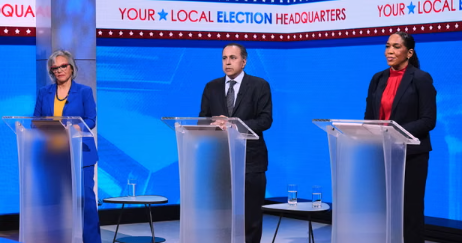
The Illinois Senate race has captured national attention as voters head to the polls today. With longtime senator Dick Durbin stepping down after decades in office, the contest has opened a rare and fiercely competitive political landscape. Across the state, Democratic candidates are vying not only for a Senate seat but also for influence in several key congressional districts.
This Illinois Senate race marks a turning point for a state that has leaned Democratic for years. Because Illinois remains a reliably blue state, the winners of these primaries are widely expected to secure victory in the general election later this year. That reality has intensified competition and drawn millions of dollars from influential political groups and donors.
Among the leading contenders is Raja Krishnamoorthi, a moderate Democrat who has built a strong financial base. His campaign has raised more than $30 million, placing him among the top fundraisers nationwide. This financial advantage has helped him maintain a steady lead in most polls, although scrutiny over some of his donors has raised questions about political alliances and influence.

Challenging him is Juliana Stratton, who has gained momentum in recent weeks. Backed by Illinois governor JB Pritzker, Stratton represents a more progressive wing of the party. Her campaign has benefited from significant financial support through political action committees aligned with the governor, enabling her to increase visibility among voters statewide.
Another key figure in the Illinois Senate race is Robin Kelly, who has represented her congressional district for over a decade. Kelly’s campaign has positioned itself as a steady and experienced alternative, although some analysts believe she is also being indirectly supported to divide the progressive vote.
The influence of external groups has become a defining feature of this Illinois Senate race. Organisations with ties to the American Israel Public Affairs Committee have invested heavily in advertising campaigns, seeking to shape voter perceptions. Meanwhile, other political action committees, including those connected to cryptocurrency interests, have also entered the fray, further complicating the political landscape.
While the Senate contest dominates headlines, several congressional races are unfolding with equal intensity. In the second congressional district, Kelly’s decision to run for Senate has created an open seat, drawing a crowded field of candidates. The district, which includes southern Chicago and surrounding suburbs, has historically been represented by Black leaders and remains a stronghold for Democratic voters.
Among those seeking the seat is Jesse Jackson Jr, who is attempting a political comeback after resigning from Congress more than a decade ago. His return has sparked debate among voters, with some welcoming his experience while others remain cautious due to past controversies.
Another prominent candidate is Donna Miller, who has emerged as a strong contender with significant fundraising support. However, reports linking many of her donors to influential lobbying groups have prompted her campaign to emphasise independence and transparency.
Progressive candidate Robert Peters has also gained traction in the district. Backed by national progressive figures, including Bernie Sanders, Peters has focused on grassroots campaigning and policy-driven messaging. His campaign reflects a broader movement within the Democratic Party that seeks to challenge established political norms.
In the ninth congressional district, the race is even more crowded, with fifteen candidates competing for the nomination. The seat has been held for decades by Jan Schakowsky, who recently announced her retirement. Her departure has created an opportunity for a new generation of leaders to step forward.
One of the most talked-about candidates is Kat Abughazaleh, whose unconventional campaign style has attracted national attention. Representing a younger and more outspoken political voice, she has tapped into voter frustration with traditional party dynamics.
Leading in many polls, however, is Daniel Biss, a seasoned politician with experience in both chambers of the state legislature. His campaign combines progressive policies with a track record of governance, appealing to a broad base of Democratic voters.
State senator Laura Fine has positioned herself as a more moderate option. Her campaign has received backing from influential external groups, although analysts suggest that such associations could prove a double-edged sword in a politically diverse district.
Elsewhere, the seventh congressional district has also drawn significant attention following the retirement of Danny Davis. With thirteen candidates competing, the race has become one of the most competitive in the state. Among them is Melissa Conyears-Ervin, who is making another bid for the seat after a previous primary challenge.
State representative La Shawn Ford has entered the race with the endorsement of Davis himself. His campaign has focused on continuity and local engagement, while also benefiting from support linked to emerging financial sectors.
In the eighth congressional district, Krishnamoorthi’s Senate bid has left another open seat, drawing eight Democratic candidates. Among them is Melissa Bean, who is seeking a return to Congress after losing her seat more than a decade ago. Her campaign highlights experience and centrist policies, aiming to appeal to moderate voters.
Across all these races, the Illinois Senate race remains the central narrative shaping voter turnout and political engagement. The combination of high-profile candidates, substantial financial backing, and ideological diversity has created a dynamic and unpredictable electoral environment.

Political analysts note that this election could signal broader trends within the Democratic Party. The balance between progressive and moderate voices is being tested in real time, with voters playing a decisive role in determining the party’s future direction. The outcome may influence not only state politics but also national strategies heading into future elections.
For many voters, the Illinois Senate race represents more than a single seat. It is an opportunity to shape policies on healthcare, economic development, and social justice at a critical moment in American politics. As ballots are cast and counted, the results will offer insight into the priorities and aspirations of one of the nation’s most influential states.
The significance of this election extends beyond Illinois, drawing attention from across the United States. With multiple open seats and a diverse field of candidates, the state has become a focal point for political observers and strategists alike. The decisions made by Illinois voters today could resonate far beyond state lines, influencing national debates and future electoral contests.
As the day unfolds, anticipation continues to build. Campaign teams, political analysts, and voters themselves are closely watching the developments, aware that the outcomes could shape the political landscape for years to come. The Illinois Senate race, with its complexity and high stakes, stands as a defining moment in the current electoral cycle.
Related News:
 Green Party Surges Past Labour in Latest UK Poll
 Army Officers Orders to Cut Ties with Men-Only Clubs
 Trump’s UK Ambassador Urges North Sea Drilling to Strengthen US Ties
 French Taxi Driver Cleared in David Lammy Theft Case After Fare Dispute
 Labour immigration crackdown could cost UK £4.4bn
BBC to Apologise Over Edited Trump Speech Amid Backlash
Labour immigration crackdown could cost UK £4.4bn
BBC to Apologise Over Edited Trump Speech Amid Backlash
 Britain deploys RAF specialists to assist Belgium with drone threats
 Millionaires group urge Reeves to introduce wealth tax to ‘lift kids out of poverty’
 Starmer Faces Growing Dissent as Labour MPs Weigh Leadership Challenge
 Reeves rejects £1bn plea for NHS redundancy payouts
 PM Condemns Leaks, Vows Loyalty to Ministers and Stability
 Major Rent Reform Ends No-Fault Evictions in England
 Peers Flood Assisted Dying Bill with 942 Amendments
 Senator John Fetterman Hospitalized After Fall from Heart Flare-Up, Keeps Sense of Humor
 Greene Pushes Epstein Files Amid Trump Fallout
 Trump Deploys DHS to Charlotte in Major Arrest Operation
 December Run-Off in Chile as Election Produces No Winner
 Canada Passes Carney’s First Budget in Tight Parliamentary Vote
 Shadow Fleet at Sea: Europe’s Battle Against Illicit Oil Shipping
 Pentagon Officials in Ukraine to Discuss War End
 Venezuela Threatens Nobel Winner Machado with Fugitive Status
 Most Tories Expect to Support a Farage-Led Government
 Georgians Defy Government Crackdown After Year of Protests
 US National Guard Member Killed in DC Shooting
 ICC to Rule on Duterte’s Provisional Release
 Jordan Bardella: France’s Young Presidential Contender
 Starmer Says Labour’s Economic Plan Needs Years to Deliver
 Khaleda Zia Death in Bangladesh: First Female PM Dies at 80
 Russia losses Ukraine war peace talks intensify amid rising deaths
 Albanese Opens Door to Bondi Royal Commission Amid Rising Pressure
 Trump Escalates Minnesota Immigration Surge Amid Rising Tensions
 Iran Protesters Defy Crackdown as Violent Clashes Intensify
 Homeland security agents deployed amid Minneapolis protests
 US Senate rejects resolution limiting Trump military powers
 Right Must Unite After Jenrick Defection, Urges Rees-Mogg
 EU weighs response amid Greenland tariff crisis with Trump
 UK Ministers Drop Foreign Student Targets for Global Education Push
 No Gas Boiler Ban as UK Warm Homes Plan Backs Heat Pumps
 Shinzo Abe’s killer receives life sentence in Japan
 Sussan Ley leadership milestone shakes Liberal future
 EU Says US Ties Have Suffered ‘Big Blow’ After Greenland Crisis
 Satire Can Skewer Trump, But It Won’t Save Democracy
 Police response times face strict new national limits
 Labour policing overhaul sparks fears over growing central control
 Starmer warns of toxic division politics in Reform challenge
 Keir Starmer Signals UK China Reset With Xi Visit Possibility
 Israel Moves to Bar MSF From Gaza Operations
 Palantir contracts face UK halt calls over transparency
 Australia’s Opposition Coalition Reunites After Rift
 Nurses’ families fear breakup under UK immigration crackdown
 Cabinet Secretary Shake-Up Triggers Due Diligence Warning
 Australian Families Leave Syrian Camp for Home
 Trump Attacks UK-California Energy Pact
 Farage to Name Jenrick as Reform Chancellor Pick
 Civil Service Pay: Union Urges Ministers to End ‘Barking Mad’ Limits
 Antonia Romeo appointment sparks criticism
 Andrew Arrest Sparks Republic Debate in Australia
 Farage Chagos Islands Row Sparks Fury
 Reform UK targets workers’ rights repeal
 Russian Trade Routed Through British Islands Exposed
 Boss Lincoln: The Partisan Politics of Abraham Lincoln
 Mandelson Arrest: Met Apologises to Hoyle
 Germany Faces Backlash Over Scrapped Renewable Heating Mandate
 Has Europe truly learned from the failures of 2022?
 Liberal Review Shelved After Historic Election Loss
 Trump Faces Questions Over Iran Conflict Plan
 Herzog Asio meeting sparks security storm
 Texas Senate seat fight heads to runoff as votes split
 BBC Charter Reform Sparks Independence Battle
 Thousands Protest Iran Strikes Outside US Embassy London
 US Bombers Arrive at RAF Base Amid Rising Iran Tensions
 Pete Hegseth Iran War Remarks Spark Alarm
 UK Oil and Gas Supplies Reassured Amid Middle East Concerns
 Trump Pressures Congress Over Save America Act
 Iranian Football Squad Asylum Drama Shocks Australia
 Queensland Protest Laws Spark Free Speech Backlash
 Eswatini Deal Sparks Global Outcry Over US Deportations
 Yvette Cooper: UK Must Follow Principles, Not US Pressure
 Trump Iran War Stance Hardens as Conflict Widens
 Trump Nato threats expose Iran strategy vacuum