Published: 05 August ‘2025. The English Chronicle Desk
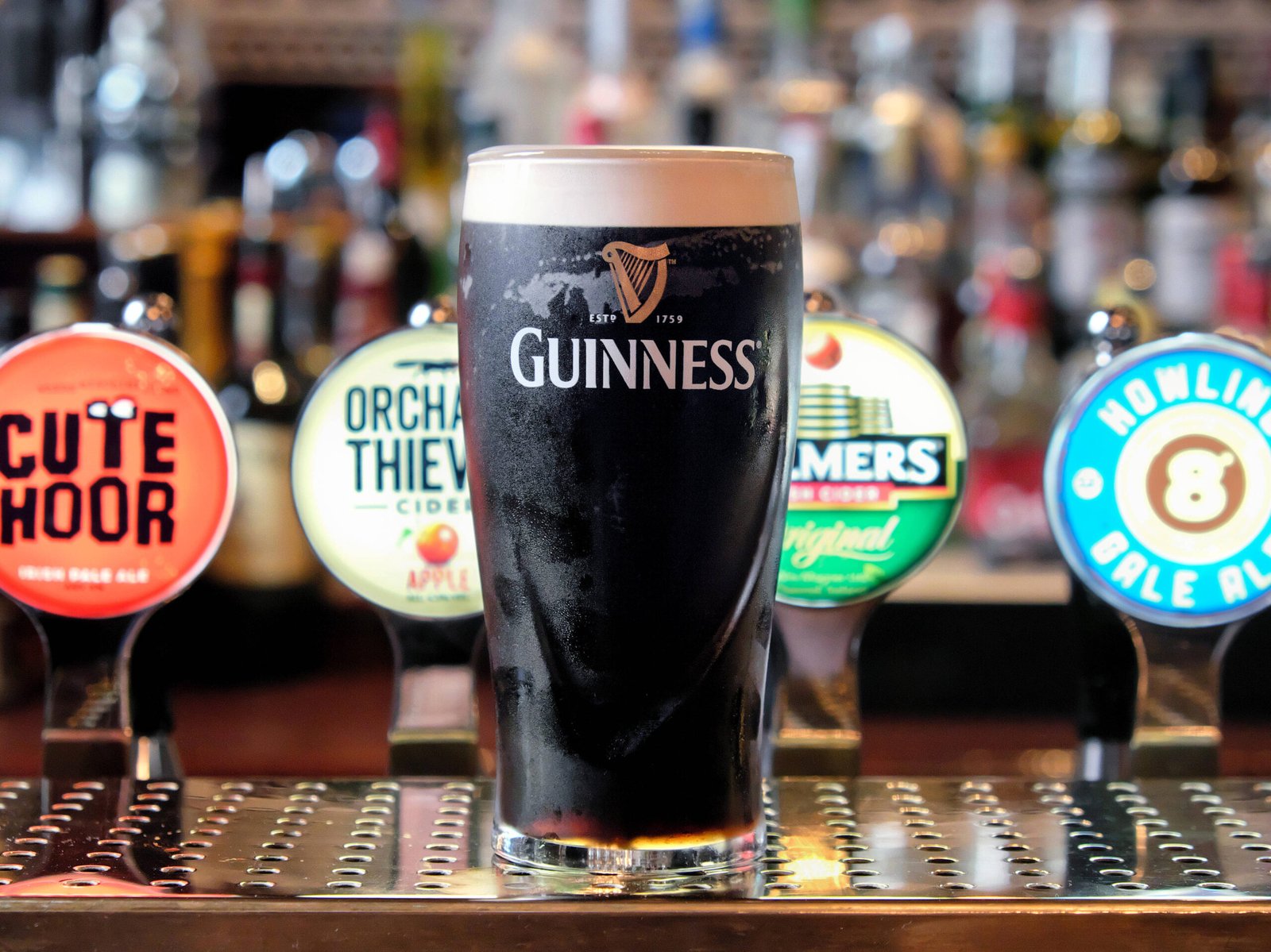
Diageo, the world’s leading spirits producer and owner of iconic brands such as Guinness, Johnnie Walker, and Smirnoff, has reported a sharp 28% fall in its annual operating profits. This downturn has been attributed to a combination of internal challenges, shifting consumer habits, and external economic pressures—including a looming $200 million hit from new U.S. tariffs imposed under former President Donald Trump’s trade policy.
The company, listed on the FTSE 100, is also navigating a leadership transition following the sudden resignation of CEO Debra Crew. Crew’s departure, said to be by mutual agreement, came amid growing concern among investors over the company’s declining share price and overall performance. She had taken charge in 2023 after the unexpected death of long-serving and well-respected CEO Ivan Menezes. Under Crew, Diageo faced multiple setbacks, including sluggish sales in Latin America and supply chain issues that caused a Guinness shortage during last year’s holiday season.

Interim CEO Nik Jhangiani, the company’s current CFO, has expanded Diageo’s cost-cutting initiative, increasing the savings target from £500 million to £625 million. While some roles are expected to be cut, Jhangiani emphasized that the overall workforce may still grow as part of a broader restructuring. Despite the challenging year, he pointed to strong performances from certain products such as Guinness, Don Julio tequila, and Crown Royal Blackberry as bright spots in an otherwise underwhelming fiscal report.
Compounding its financial concerns, Diageo is bracing for a significant hit from newly enforced U.S. tariffs. The 10% levy on UK-imported spirits, along with a 15% tax on EU imports—while sparing Mexican and Canadian products—is expected to cost the company approximately $200 million annually. These tariffs took effect after the implementation of the UK-US trade agreement on 30 June, with additional EU tariffs set to begin on 7 August.

In response, Diageo has ramped up contingency planning, aiming to counter the tariff effects through inventory management, supply chain adjustments, and the reallocation of investments. According to internal projections, these measures could offset up to half of the anticipated financial impact.
Despite these efforts, Diageo’s stock has plummeted over 25% since the start of the year, placing it among the poorest performers on the FTSE 100 index. Analysts also point to broader market trends, such as shifting drinking habits among younger consumers and the ongoing cost-of-living crisis, as factors contributing to the public’s growing preference for more affordable, non-premium brands.
With a new CEO yet to be named and economic headwinds continuing to buffet the global spirits industry, Diageo stands at a crossroads—needing to stabilize operations, restore investor confidence, and adapt to an evolving market landscape.
Related News:
 Post Office Scandal Compensation Tops £1 Billion as Victims Finally See Justice
 Tensions Unfold in Market Harborough as Asylum Seeker Hotel Sparks Divisive Protests
 Modi’s London Visit Seals Historic UK-India Trade Pact Amid Global Tensions
 How to Exit Your Broadband Contract Without Paying Exit Fees
 Heathrow Unveils £21 Billion Third Runway Plan to Boost UK Connectivity Amid Environmental Concerns
 Supreme Court Ruling on Car Finance Scandal Poised to Impact Millions of Motorists and Banks
 Britain’s Brain Drain: Why Young Workers Are Choosing Berlin Over London
 Stunning Welsh Island with Historic Fort and Modern Luxuries Hits Market for £3 Million
 UK Jobs Market Faces Strain as Employers Cut Bonuses and Hiring Amid Economic Slowdown
 David Lammy Faces Possible Legal Challenge Over Foreign Office Secondment Scheme
 Wage Rises Slow as Retail and Hospitality Jobs Continue to Fall
 Grant Shapps Cleared to Join Defence Startup Despite Ethical Concerns
 Ed Davey Urges Government to Block Elon Musk’s Tesla from Supplying UK Home Energy
 Rachel Reeves to Deliver Autumn Budget on 26 November Amid Economic Challenges
 Wetherspoons Stops Accepting Scottish £20 and £50 Notes in Most English Pubs
 UK Court Freezes £150m of Assets Belonging to Owner of Collapsed Prax Lindsey Refinery
 Retail Sales See Uptick Amid Errors and Delays as ONS Faces Scrutiny
 UK House Prices Hit Record £299,331 as Market Shows Steady Growth
 UK Mobile Retailers Lock Doors Amid Surge in Organised Phone Thefts
 Londoners Buying Lowest Share of Property Outside Capital Since 2013
 UK Retail Sales Rise in August, but Tax Concerns Loom Over Festive Period
 Apple Unveils Ultra-Thin $999 iPhone Air at “Awe-Dropping” Annual Event
 Merck Abandons £1bn London Research Hub and Cuts 125 Jobs in Blow to UK Life Sciences
 UK Economy Flatlines in July, Raising Pressure on Rachel Reeves Ahead of Autumn Budget
 UK and US Forge Landmark Deals to Build Modular Nuclear Reactors Across Britain
 Labour Urged to Launch National Occupational Health Service to Tackle Worklessness
 Starmer Urged to Champion Workers’ Rights Amid Low Public Awareness
 UK Could Generate Nearly £2bn Annually by Taxing SUVs, New Study Reveals
 Rachel Reeves Hosts Top UK and US Financial Executives as Trump’s State Visit Begins
 UK Labour Market Shows Signs of Cooling as Wage Growth Slows and Redundancies Rise
 UK Wage Growth Remains High, But Cost of Living Pressures Bite
 Next Shares Slide Amid Warning on Weak UK Growth and Jobs
 British AI Startup Outshines Human Forecasters in Global Prediction Contest
 Dagenham Left in Limbo After Smithfield and Billingsgate Market Relocation Cancelled
 King Charles Earns Over £1 Million from Duchy Land Linked to Scrapped HS2 Project
 Vodafone Franchisees Sound Alarm: Mental Health Toll of Commission Cuts Revealed Years Before £120m Court Battle
 UK Government Backs Return of International Rail Travel to Kent Stations
 GSK Chief Executive Emma Walmsley to Step Down After Eight Years at the Helm
 AstraZeneca to List on New York Stock Exchange While Retaining London Ties
 Retailers Warn Tax Rises Could Prolong Inflation as Shop Prices Climb
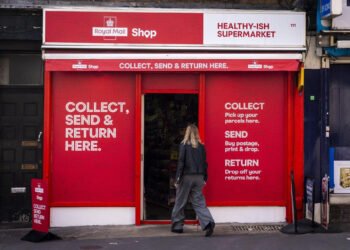 Royal Mail Owner Acquires Stake in Collect+ and Launches High Street Rebrand
 Marks & Spencer Staff to Work on Boxing Day for First Time in Five Years Amid Cost-Cutting Measures
UK Housing Market Returns to Growth Amid Signs of Stability and Regional Variation
Marks & Spencer Staff to Work on Boxing Day for First Time in Five Years Amid Cost-Cutting Measures
UK Housing Market Returns to Growth Amid Signs of Stability and Regional Variation
 Senior Tories Condemn Badenoch’s Vow to Repeal Climate Change Act as Catastrophic
 Wetherspoon vows to keep prices low amid soaring energy and tax costs
 Millions of households in England face looming water bill hikes amid regulatory scrutiny
 He-Man Set for Big Comeback as UK Toy Industry Rides ‘Newstalgia’ Wave
 Delivery Apps Could Double the Cost of Your Groceries, Warns Consumer Watchdog
 Capita Fined £14m for 2023 Cybersecurity Failures
 Royal Mail Fined £21m for Delivery Failures
 Parents spending £5,000 on special school assessments in England
 China warns UK over delayed London mega embassy decision
 Pizza Hut to shut 68 sites after collapsing into administration
 Lucy Powell urged ministers to reconsider costly legal case for Labour donor’s firm
 Lotto result jackpot draw halted due to technical glitch
 Rachel Reeves to lead UK trade push in Saudi Arabia amid rights debate
 Court Hears Challenge Over Water Bills Funding Sewage Fixes
 ABF May Split Primark from Food Division Amid Tough Market
 Rachel Reeves Set to Break Labour Pledge and Raise Income Tax
 UPS Cargo Plane Crash in Kentucky Kills Seven
 Tony Blair think tank warns Rachel Reeves must cut taxes if manifesto broken
 Oprah enjoys Meghan’s jam on English muffins
 MPs Press Rachel Reeves to Hike Gambling Taxes
 Earl of Yarmouth Faces £1.3m Legal Bill Over Family Estate
 North Sea oil workers must lose weight or face job loss
 Warning as Britons prepare to spend £4 billion this Black Friday
 UK toy market enjoys bumper year as ‘kidults’ fuel demand
 New laws to bolster UK’s defences against cyber attacks on NHS, transport and energy
 Skims Eyes Global Expansion After Reaching $5 Billion Value
 Trump Moves to Cut Coffee and Banana Tariffs in Latin America Deals
 Global markets drop amid tech sell-off and China slowdown
 UK Rejects Funding to Save Mossmorran Plant
 PM Highlights UK Business at G20 in South Africa
 Mossmorran Plant Closure Hits Cowdenbeath Hard
 UK Taskforce Unveils Plan to Streamline Nuclear Reactor Rules
 Steel billionaire Lakshmi Mittal reportedly leaves UK
 India’s Labour Law Overhaul Sparks Fierce Debate
 Virgin Media Fined £23.8m Over Telecare Safety Failures
 Rising Water Bills Lift Troubled Thames Back to Profit
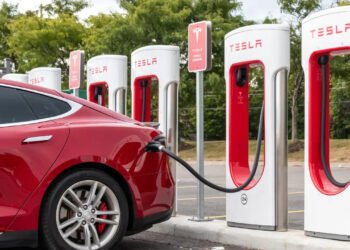 Tesla Warns UK That Weak EV Rules Could Threaten Sales