Published: 26 March 2026. The English Chronicle Desk. The English Chronicle Online.
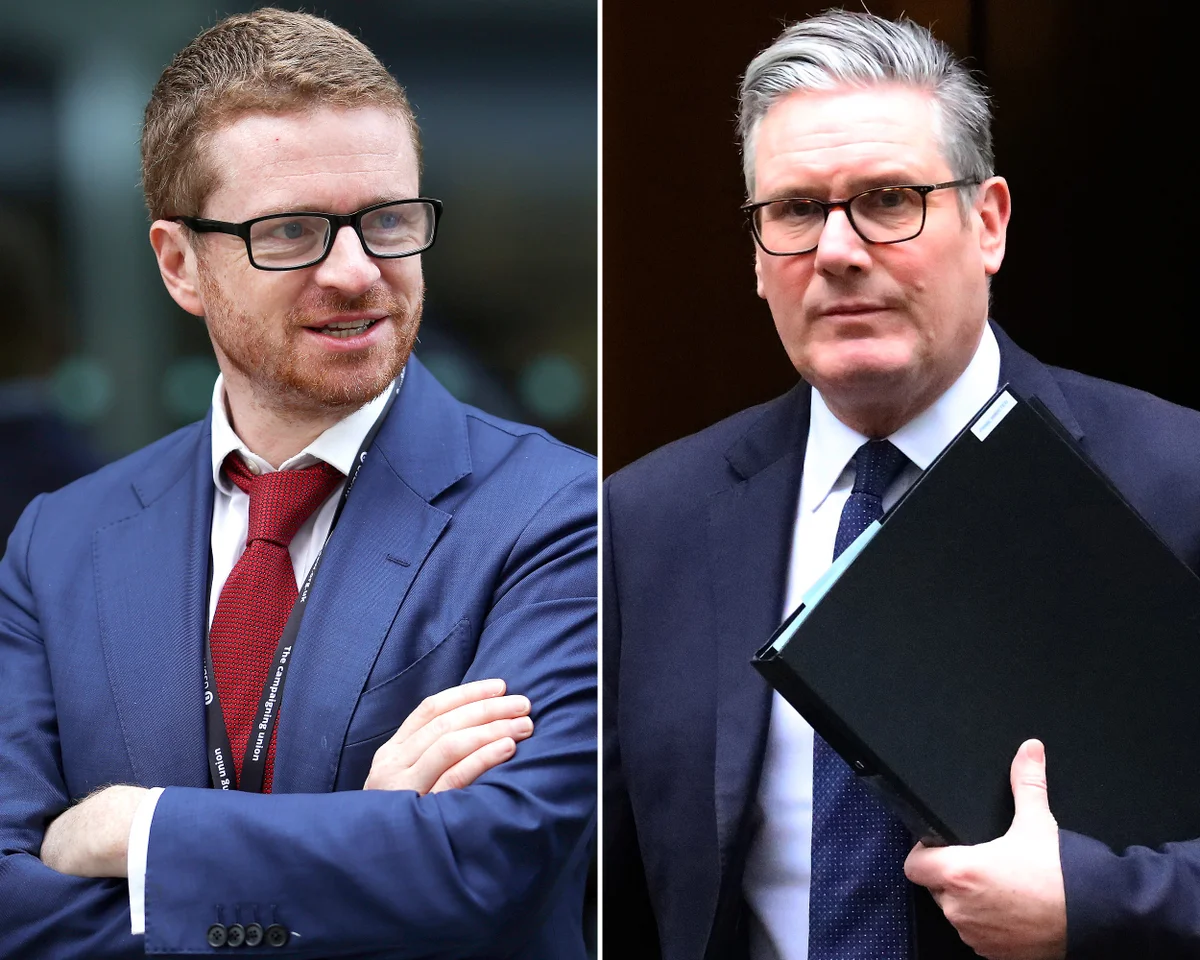
The Prime Minister has stepped forward to robustly defend his former chief of staff against a wave of political suspicion and public doubt. Sir Keir Starmer described as far-fetched any suggestions that the recent phone theft involving Morgan McSweeney was a calculated move to hide sensitive government communications. This statement comes after a week of intense scrutiny regarding the disappearance of a government-issued mobile device during a street robbery in central London. The incident has sparked a heated debate within Westminster about transparency and the security of high-level digital data.
Downing Street now finds itself under significant pressure to clarify whether vital messages between McSweeney and Lord Mandelson were permanently lost. The timing of the robbery has raised questions among opposition members who are eager to see documents related to the appointment of the new US ambassador. Critics argue that the loss of the device conveniently coincides with a period of high administrative sensitivity. However, the Prime Minister insists that the event was a simple, unfortunate crime of opportunity common in busy urban areas.
The controversy deepened on Wednesday when Kemi Badenoch expressed her own reservations about the official account of the incident. A spokesperson for the Conservative leader noted that she had raised an eyebrow at the narrative surrounding the stolen device. This scepticism was mirrored by Karl Turner, a Labour MP who has previously clashed with the government over legal reforms. Mr Turner took to social media to state quite plainly that he did not believe the device had actually been stolen as described.

Responding to these pointed accusations on Thursday morning, the Prime Minister provided a detailed timeline of the events to the press. He confirmed that the device was taken by force and that the crime was immediately reported to the Metropolitan Police. According to the official record, there is a full transcript of the emergency call made by the former chief of staff. In this recording, he clearly provides his full name and date of birth while describing the specific details of the snatched hardware.
Sir Keir Starmer emphasised that the police have already acknowledged and confirmed the report as a legitimate criminal incident. He suggested that the idea of a grand conspiracy was a reach beyond the realms of reasonable logic or evidence. To his mind, the suggestion that staff could have predicted a future document request is simply not a credible theory. He maintained that the robbery was a random act of street crime rather than a sophisticated plot to delete government records.
The Shadow Business Secretary, Andrew Griffith, offered a much more cynical view of the situation during a recent television interview. He compared the narrative of the missing device to the smell of a fish market on a very hot afternoon. Having previously worked in Number Ten himself, he recalled a high level of paranoia regarding the security of official devices. He suggested that the loss of such a high-profile phone would normally trigger an immediate and very serious internal security review.
This political storm is set against the backdrop of a parliamentary move in February to force the publication of internal documents. These papers relate to what the government knew about Lord Mandelson’s past associations before his recent diplomatic appointment in Washington. Many within the political sphere had already pointed the finger at McSweeney for being a primary driver behind that specific personnel choice. The fact that his correspondence was not backed up has led to claims of institutional negligence or even deliberate avoidance.
In an effort to quell the rising tide of public disbelief, the police took the rare step of releasing the 999 transcript. The document details how the former aide was walking through the streets of Pimlico at roughly half past ten in the evening. He was using his official government device when a young man on a bicycle suddenly snatched it and fled. The victim then used a second personal device to contact the emergency services and report the theft of his primary work phone.
During the recorded conversation, the caller informed the police handler that he had already contacted his office to track the device. While he identified the item as a government-issued phone, he did not explicitly state his high-ranking role or workplace. The call handler appeared to treat the report as a standard robbery without recognising the significant political status of the caller. This detail has been used by supporters to argue that the report was authentic and not a staged event.
The former deputy cabinet secretary, Helen MacNamara, also contributed her expert perspective to the ongoing national discussion on the radio. She observed that the actions taken by the aide immediately following the robbery were technically correct and followed standard security protocols. By asking the government tech teams to wipe the device remotely, he was attempting to protect sensitive data from being accessed. However, she expressed surprise that Downing Street did not immediately flag the significance of the event to senior police.
According to MacNamara, the current atmosphere of scepticism has been fuelled by the government’s own reluctance to be open with information. She argued that a lack of swift disclosure regarding the ambassadorial appointment has allowed various conspiracy theories to take root in the public mind. When documents were eventually released, the notable absence of expected paperwork only served to deepen the mystery for many observers. The lack of a digital trail has created a vacuum that political opponents are now very eager to fill.
 Despite the official explanations, the opposition continues to point out the extreme convenience of the data loss at this juncture. They argue that in a modern digital age, the failure to have secure cloud backups for senior officials is highly unusual. The government maintains that the specific nature of the hardware and the timing of the sync cycles led to the loss. They have reiterated that there was no intent to circumvent the Freedom of Information Act or any parliamentary inquiries.
The Prime Minister’s defence of his former aide is seen by some as a necessary act of loyalty to a long-term ally. Others view it as a defensive maneuver to protect the integrity of the current administration’s decision-making process regarding the US embassy. As the debate continues, the focus remains on whether any further evidence can be recovered from network providers or witnesses. For now, the official line remains that a common criminal is the only person responsible for the missing information.
As the sun sets on another day of political wrangling, the questions regarding the phone theft show no signs of fading. The public is left to weigh the word of the Prime Minister against the doubts raised by seasoned politicians and former civil servants. While the police transcript provides a factual account of a crime, it does not satisfy those looking for deeper answers. The narrative of the bicycle thief in Pimlico has become a central point in a much larger story about power and accountability.
The English Chronicle will continue to monitor the situation as more details regarding the missing correspondence are made public or discovered. For the time being, the government is standing firm in its rejection of what it calls baseless and far-fetched accusations. Whether this explanation will satisfy the parliamentary committees tasked with oversight remains to be seen in the coming weeks of the spring session.
Related News:
 British Woman in Iran ‘Losing Hope’ Amid Ongoing Detention
 BBC Journalist Held and Interrogated in Vietnam
 Green Party Surges Past Labour in Latest UK Poll
 Celebrities and Charities Demand UK Government Act on Child Poverty
 Trump’s UK Ambassador Urges North Sea Drilling to Strengthen US Ties
 FBI Director Kash Patel Defends Girlfriend Amid Government Jet Claims
 French Taxi Driver Cleared in David Lammy Theft Case After Fare Dispute
 ‘Reckless’ cuts to victims’ services will cost more than they save
 Millionaires group urge Reeves to introduce wealth tax to ‘lift kids out of poverty’
 Starmer Faces Growing Dissent as Labour MPs Weigh Leadership Challenge
 Reeves rejects £1bn plea for NHS redundancy payouts
 Politics latest: Starmer ‘will fight any leadership coup’ as Streeting denies attempt to oust Labour PM
 PM Condemns Leaks, Vows Loyalty to Ministers and Stability
 Major Rent Reform Ends No-Fault Evictions in England
 Peers Flood Assisted Dying Bill with 942 Amendments
 England’s Special Needs Support Faces Breaking Point
 MoD warned over Excel risks before Afghan data breach
 Labour Faces Historic Decline in Wales
 PM Highlights UK Business at G20 in South Africa
 Most Tories Expect to Support a Farage-Led Government
 Labour MP claims devolution bill is ‘blatant discrimination’ against Cornwall
 Millions Face Higher Taxes Under Reeves New Budget
 Peers Get Extra Time to Debate Assisted Dying Bill
 Starmer Says Labour’s Economic Plan Needs Years to Deliver
 Culture secretary to review Telegraph takeover by Daily Mail owner
 Plans to Limit Jury Trials Face Retreat After Mounting Opposition
 Right Must Unite After Jenrick Defection, Urges Rees-Mogg
 UK Ministers Drop Foreign Student Targets for Global Education Push
 MPs warn AI financial risks threaten UK stability
 MPs warn AI financial risks threaten UK stability
 No Gas Boiler Ban as UK Warm Homes Plan Backs Heat Pumps
 Hugh Grant Joins Call for Under-16 Social Media Ban in UK
 Shinzo Abe’s killer receives life sentence in Japan
 Lords Vote Piles Pressure on Starmer Over Social Media Ban
 Reform UK Health Plan ‘Would Cost £1.7bn’, Streeting Says
 Police response times face strict new national limits
 Labour policing overhaul sparks fears over growing central control
 Tories criticised after Braverman defection sparks mental health row
 Burnham Westminster return hopes fade amid Labour rift
 Starmer warns of toxic division politics in Reform challenge
 Starmer China visit raises human rights pressure on Beijing
 Labour Must Revive High Streets to Avoid Election Collapse
 Calls Grow for King Charles to Apologise for Crown’s Role in Slavery
 Palantir contracts face UK halt calls over transparency
 Labour Thinktank Row Deepens Over Journalist Probe Claims
 Labour Lord Doyle Apologises Over Paedophile Ties in Political Storm
 Cabinet Secretary Shake-Up Triggers Due Diligence Warning
 Starmer Faces Inquiry Calls Over Thinktank Probe
 Royal Mail Delivery Crisis Deepens Amid Weather Chaos
 Labour Together probe scandal sparks fresh Cabinet Office investigation
 Farage to Name Jenrick as Reform Chancellor Pick
 NHS Negligence Ruling Raises Payout Costs
 Civil Service Pay: Union Urges Ministers to End ‘Barking Mad’ Limits
 Antonia Romeo appointment sparks criticism
 Trump and Chagos Deal Rift Over Iran Strikes
 Farage Chagos Islands Row Sparks Fury
 Trump Tariffs Threat Spark UK and EU Alarm
 Gasfield Deal Sparks Debate Over Fracking in Lincolnshire
 Reform UK targets workers’ rights repeal
 Mandelson Denounces Arrest Over ‘Baseless’ Fleeing Claims
 Russian Trade Routed Through British Islands Exposed
 Mandelson Arrest: Met Apologises to Hoyle
 Palestine Action ban appeal moves forward
 Reeves Must Back Defence Plan or Face Dismissal, Says Unite Chief
 NHS Maternity Units Cover Up Harmful Childbirth Errors
 Green Party Stuns Labour in Gorton and Denton Byelection
 Refugee Status Overhaul Sparks UK Debate
 Trump Rebukes Starmer Over Iran Strikes Row
 BBC Charter Reform Sparks Independence Battle
 Asylum Seekers to Work After Year-Long Wait
 Thousands Protest Iran Strikes Outside US Embassy London
 US Bombers Arrive at RAF Base Amid Rising Iran Tensions
 UK Prepares Aircraft Carrier for Middle East Crisis
 UK Oil and Gas Supplies Reassured Amid Middle East Concerns
 Proposed Law Leaves Gap for Children of Convicted Paedophiles
 Ministers Urged to Act Faster on Deepfakes Threat
 Yvette Cooper: UK Must Follow Principles, Not US Pressure
 UK Cuts Climate Aid by 14% in Strategic Refocus
 Iran’s Failed Strike on Diego Garcia Sparks UK Security Concerns
 Wes Streeting Backs Starmer Amid Speculation of Leadership