Published: 27 March 2026. The English Chronicle Desk. The English Chronicle Online.
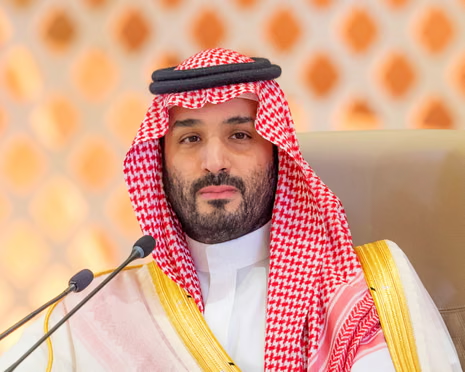
The shifting landscape of the Middle East has reached a critical juncture this week. High-level intelligence sources have confirmed that Saudi Arabia is currently urging the US to ramp up its military operations. This significant development comes as the regional conflict enters its fourth week of intense activity. Saudi officials are reportedly weighing a difficult decision on whether to join the fight directly. This internal deliberation marks a potential turning point for the kingdom and its neighbors. The source confirmed recent reports regarding the private stance of the Saudi leadership. Crown Prince Mohammed bin Salman has apparently encouraged a continued campaign against Tehran’s infrastructure. He allegedly views the current US-Israeli military efforts as a historic opportunity for change. Such a move could fundamentally remake the power dynamics of the Middle East forever.
The intelligence source emphasized that Riyadh is not merely asking for a continuation. They are specifically calling for the military campaign to be significantly intensified soon. President Donald Trump appeared to confirm these reports during a press briefing today. He described the Saudi Crown Prince as a warrior who is fighting alongside. Despite these strong words, there are no reports of active Saudi military involvement. The kingdom has remained physically sidelined during the first month of the global war. However, political analysts suggest this period of restraint may be coming to an end. A direct intervention could occur if current peace efforts led by Pakistan fail. The international community is watching these diplomatic negotiations with a sense of great urgency.

Mohammed Alhamed, a prominent geopolitical analyst, recently shared his views on the situation. He stated that the final decision rests heavily on the actions of Iran. If Tehran engages seriously in talks, there is a path to contain escalation. However, rejecting the current conditions could cross a dangerous threshold for Saudi action. Alhamed insisted that the kingdom is not reacting to these events with any impulsivity. He described their current strategy as a very deliberate and careful calibration of response. Saudi Arabia is preparing for a scenario where further escalation becomes absolutely necessary. The analyst noted that the kingdom has not been actively pushing for this war. They have consistently tried to avoid being drawn into a direct military confrontation. Keeping all options on the table remains the primary focus for the Saudi leadership.
The kingdom has already experienced the direct consequences of this expanding regional conflict. Saudi Arabia has come under several drone attacks over the past few weeks. These strikes are part of the response to the initial February 28 attack. One specific drone strike recently hit a refinery on the Red Sea coast. This facility in Yanbu represents a vital part of the nation’s energy network. The attack served as a clear warning regarding the vulnerability of Saudi infrastructure. Saudi Arabia can transport its oil exports by pipeline to the western coast. This capability usually protects them from blockades in the volatile Persian Gulf region. Most neighbors are far more vulnerable to Iranian tactics in the narrow straits. The strike on Yanbu signaled that even these lifelines are now under threat.
This economic threat would be multiplied if other regional actors joined the fray. The Houthi movement in Yemen possesses a significant and dangerous missile arsenal today. Their involvement could spark a multi-front war that would be difficult to manage. Hesham Alghannam, a defense expert, believes the kingdom maintains a very cautious neutrality. This balance is between the competing interests of Iran, Israel, and the US. If assets are struck by outside groups, Riyadh may shift its stance. They could move toward supporting a defensive coalition or launching limited retailiation. The historical rivalry between these two nations has defined the region for decades. Both countries claim leadership roles within the Sunni and Shia Islamic worlds respectively. This long-standing tension often boils over into proxy conflicts across the territory.
Leaked diplomatic cables from years ago highlight the depth of this animosity. Former King Abdullah once urged the US to cut off the snake’s head. This was a direct reference to the theocratic regime currently ruling in Tehran. In more recent years, the kingdom has officially preferred a negotiated solution. They sought to address the standoff over nuclear and missile programs through diplomacy. However, the joint US-Israeli attack was launched during the middle of talks. These discussions were focused on establishing new and strict nuclear limits globally. When war occurs anyway, the strategic calculus for the Saudi leadership changes. A partially degraded rival might be more unpredictable and dangerous than before. The prevailing logic suggests that if a job starts, it must finish.

Khalid Aljabri, a noted commentator, reflected on this precarious and difficult strategic position. He suggested that a wounded lion often poses the greatest threat to stability. The crown prince has spent years cultivating a very close relationship with Trump. This bond was intended to solidify his hold on power and security. Now, observers argue that he must rethink this reliance on the US. Some analysts believe the prince has lost a bet on these investments. He invested heavily in the previous administration and its various corporate interests. However, the views of the Gulf nations are often sidelined by others. The wishes of the Israeli government seem to carry more weight currently. This realization has forced a painful recaligration of Saudi foreign policy goals.
The kingdom began shifting its position after a major oil facility attack. That 2019 incident was blamed on Tehran and caused significant global disruption. The US offered verbal support but did not carry out any reprisals. This lack of action left the Saudis feeling exposed and somewhat abandoned. Four years later, they tried a different approach by seeking a detente. A surprise agreement was signed to restore mutual and formal diplomatic relations. This deal was notably brokered by China rather than a Western power. The goal was to hug the rival close to prevent future strikes. Now that the war has started, that gamble has clearly failed. Saudi Arabia is facing a conundrum regarding its level of future involvement.
The United Arab Emirates has taken a much firmer public stance recently. Their oil exports have been blocked, leading to calls for a defeat. The UAE ambassador to Washington has stated that a ceasefire is insufficient. They believe a conclusive outcome must address the full range of threats. Saudi Arabia has more to lose due to its Red Sea options. They have not yet overtly called for more intense aerial bombing. Active participation could bring a more punishing response from the opposing side. Such a reaction might target the essential pipelines that sustain the economy. Collaboration between various regional militias remains a constant and terrifying security concern. Once the bombs stop falling, there will be deep thinking in Riyadh. It is not about pushing the US away from the region. The goal is to ensure the kingdom has more diverse options. Future security must be built on a more stable and reliable foundation.
Related News:
 Shock US Raid: Maduro Pleads Not Guilty in Manhattan Court
 UK and France Agree Troop Deployment Plan for Ukraine
 EU Weakens as Trump Targets Venezuela and Greenland
 Venezuela Oil Deal Opens Tensions with US Control
 US Citizens Warned to Venezuela Flee Amid Paramilitary Threats
 Gulf states warn Trump Iran strikes risk wider Middle East war
 Machado Trump medal gesture reshapes Venezuela power struggle
 Greenland defence seen as shared Nato duty amid troop arrivals
 Gulf states warn Trump Iran strikes risk wider Middle East war
 Trump Receives Machado’s Nobel Medal in White House Meeting
 Iran unrest slows under brutal crackdown and global tensions
 Syria President Declares Victory as Ceasefire Reached with SDF
 US Considers Asylum for British Jews Amid Rising Antisemitism
 Russia Strikes Kyiv and Kharkiv as Peace Talks Enter Day Two
 Thousands Protest ICE Operations in Nationwide US Day of Action
 Epstein Files Reveal Trump Officials’ Emails with Financier
 Thousands Protest ICE in New York Against Trump Deportation Campaign
 Christchurch Shooter Seeks to Overturn Guilty Plea in Appeals Court
 Sydney Protest Pepper Spray Clash During Herzog Visit
 Iran Says ‘Guiding Principles’ Agreed With US at Nuclear Talks
 Cuba Kills Exiles in Speedboat Attack from US Waters
 US and Iran to Hold Talks as Pressure for Nuclear Deal Builds
 Middle East Flights Halted After Iran Strikes
 Months of Planning Behind US‑Israeli Mission to Target Iran’s Supreme Leader
 Cooper: Joining US Strikes on Iran ‘Not in Britain’s Interest’
 What Khamenei’s Death Means for Russia and China
 US Iran Operation: Sixth Service Member Killed
 Hezbollah Anger Erupts as War Returns to Beirut
 Trump’s Iran Endgame Unclear After Mixed Messaging on War Aims
 Gaza Siege Deepens as Iran War Escalates
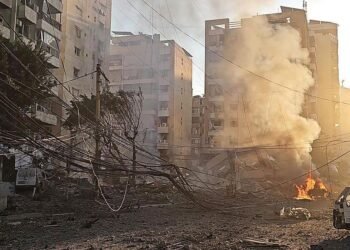 Israel Launches Fresh Strikes on Tehran & Beirut; US Warns “Hardest Hits” Ahead
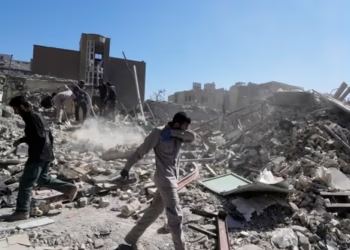 Riyadh Drone Attack Escalates Regional War
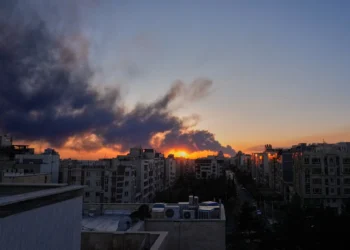 Middle East attacks intensify as Trump rejects Iran talks
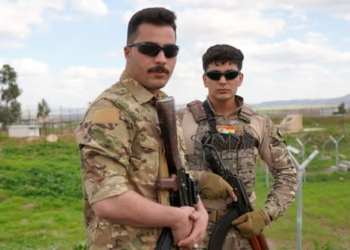 Iran-Iraq border airstrikes spark new tensions
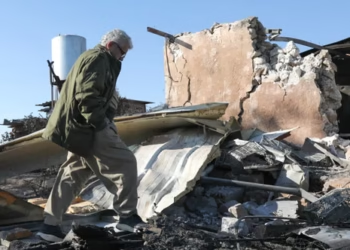 Iran-Iraq Border Strikes Spark New Front Fears
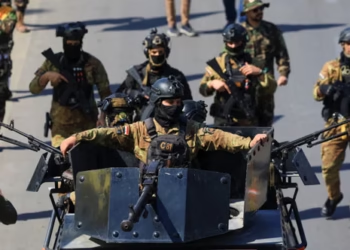 Iran-Backed Militias Escalate Attacks Across Middle East
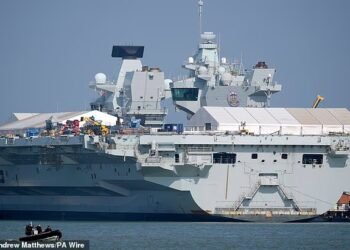 UK Prepares Aircraft Carrier for Middle East Crisis
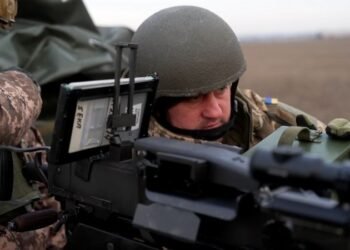 Ukraine war briefing: Zelenskyy offers help to Saudi Crown prince on combatting Iranian drones
 Mojtaba Khamenei Chosen as Iran’s New Supreme Leader
 Tehran Oil Depot Strikes Darken City With Toxic Smoke
 Seventh US Service Member Killed in Iran Conflict Identified
 Mojtaba Khamenei Supporters Rally as Iranians Fear Repression
 Ukraine Sends Drone Experts to Defend US Bases in Jordan
 Tehran Strikes Mark War’s Most Devastating Night
 Iran Defiance Grows Amid US-Israel War Pressure
 Hormuz Crisis Sparks Global Oil Market Fears
 Iranian Exile Factions Seek US Backing for Iran’s Future
 US-Israeli Strategy Shifts to Plan B in Iran War
 Injured Mojtaba Khamenei Elevated as Iran Leader
 US Missile Strike on Iran School Sparks Global Shock
 Iran Gulf attacks escalate as ships and airports targeted
 Iran Conflict: Trump’s Uncertain Path and Diplomatic Off-Ramp
 Ancient Heritage Sites Damaged in Recent Airstrikes
 Tehran Diary: Dark Days Under Relentless Bombardment
 British Tourist Charged Over Dubai Missile Strike Video
 Gaza Detainee Abuse: Israel Drops Charges Against Soldiers
 Yvette Cooper: UK Must Follow Principles, Not US Pressure
 Trump Iran War Stance Hardens as Conflict Widens
 Lebanon Ground Campaign Raises Occupation Fears
 Gulf Tensions Rise as Iran Alleges Covert Support
 Kabul hospital strike sparks deadly blame row
 Iran Threatens Total Destruction of Mideast Energy Grid
 Ghalibaf Iran: Survivor Emerges in Shifting Power Game
 Gulf Distrust Grows Over Rumoured US-Iran Peace Talks
 WHO Warns of Health Crisis Unfolding in Middle East
 BBC to Apologise Over Edited Trump Speech Amid Backlash
 US Senate rejects resolution limiting Trump military powers
 Sydney Shark Attack Surge Shocks Australia Beaches
 Portugal Election Delivers Socialist Win as Far Right Surges
 Australian Families Leave Syrian Camp for Home
 ‘I Would Scream in My Sleep’: Alawite Women from Syria Tell of Kidnap and Rape
 Drugs, Denial, Stigma: Fiji’s HIV Crisis Hits Children
 Hilary Knight speaks out on Trump’s recent hockey remarks
 Iran’s Regime Still Intact — Coming Days Will Test Its Survival
 In Maps: Strikes Across Iran and the Middle East
 Civilian Deaths in Iran Pass 700 Amid Fear of Bombs and Regime Clampdown
 Penny Wong silent on Australian crew in sub strike
 Thousands Protest Iran Strikes Outside US Embassy London
 Trump Pressures Congress Over Save America Act
 Goma Drone Attack Kills Three as Conflict Escalates