Published: March 27, 2026. The English Chronicle Desk. The English Chronicle Online
A stark warning has been issued by hospice leaders across the United Kingdom, who claim that drastic service cutbacks and staff redundancies are the only remaining tools to ensure their organizations’ survival. In a series of emergency briefings held this week, CEOs of several prominent charities revealed that a “perfect storm” of stagnant statutory funding, soaring operational costs, and a decline in charitable donations has pushed the sector to its most precarious position in decades. According to the latest data from Hospice UK, nearly six in ten hospices are currently making or considering frontline cuts, with at least 380 specialist beds already taken out of commission across England due to a lack of funds to staff them.

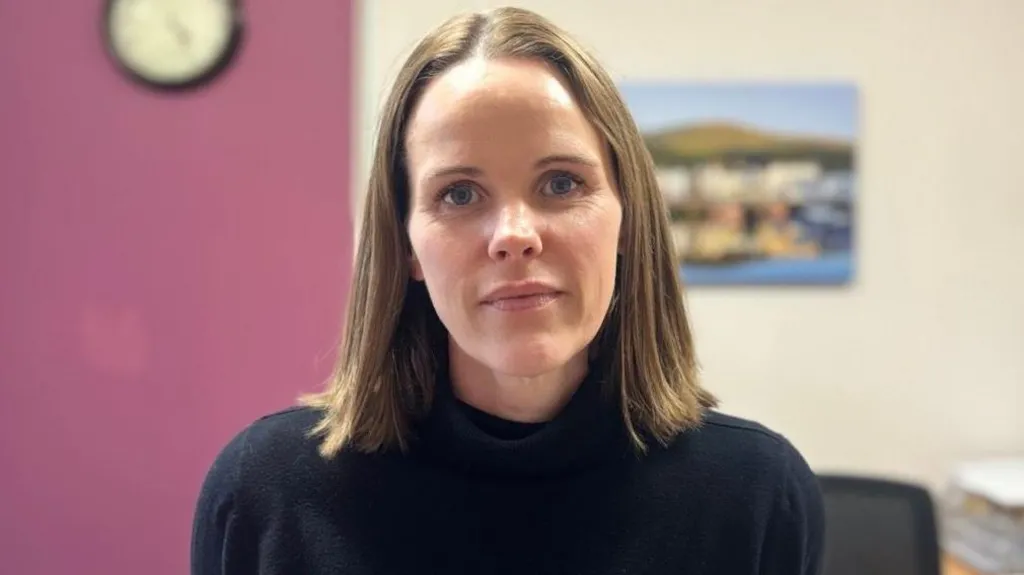
The crisis has reached a critical tipping point as the new financial year approaches. In the Isle of Man, the CEO of Hospice Isle of Man announced today that a voluntary redundancy program has been launched for its 150-strong workforce in a desperate bid to save £750,000. “This was a decision that was incredibly tough to make, but it is the right thing to do to ensure hospice care survives for generations to come,” said CEO Fiona Hatton. The charity currently relies on community fundraising for 76% of its income, a model that leaders say is no longer sustainable as they battle an aging population and increasing clinical complexity.
The Public Accounts Committee (PAC) amplified these concerns in a damning report released just days ago, accusing the government and NHS England of failing to respond to the financial “cliff edge” with the necessary urgency. The report highlighted that while the government has provided one-off capital grants—such as the £25 million announced in January for building and IT upgrades—this does not address the core issue of recurring revenue needed for nursing and medical staff. Without a national-level intervention, the PAC warned, more hospices will be forced to reduce community visits and specialist bereavement support, effectively “shrinking the care” at a time when demand is projected to rise by 25% over the next two decades.
In Cambridgeshire, the Arthur Rank Hospice Charity is currently fighting to “Protect our Care” after being hit by a £829,000 funding withdrawal from local NHS partners. The move has already forced a reduction in bed capacity from 21 to 12, leaving an estimated 200 people a year without the option of a peaceful death in a hospice setting. “We are now in the desperate position where we need to ask our supporters to urgently rally round us,” said CEO Sharon Allen. “The ending of this service will, without doubt, have huge implications for our local community, forcing more people to die in busy hospital corridors.“
The debate has taken on a new dimension of political sensitivity following recent parliamentary discussions on assisted dying. Hospice UK CEO Toby Porter warned that the erosion of palliative care could inadvertently pressure vulnerable individuals toward assisted death because they feel they cannot access high-quality end-of-life support. “We can’t fundraise our way out of this crisis; skydiving won’t save hospices,” Porter stated, calling for an immediate injection of £112.5 million in recurring revenue funding to stabilize the sector. He argued that underfunding hospices is a “false economy,” as it ultimately costs the NHS more to care for dying patients in acute hospital beds.

As regional health boards struggle with their own deficits, many hospices are being left to navigate a “postcode lottery” of support. In Wales, 30% of voluntary hospices have already begun reducing services, while in Scotland, a £6.5 million budget allocation was described as “welcome but insufficient” to meet the rising costs of pay parity with the NHS. For now, the “modern service framework” promised by the government for Spring 2026 remains the sector’s best hope for a long-term solution, but for many facilities currently eyeing redundancy notices and empty wards, the reform may arrive too late to prevent permanent closures.
Related News:
 Illegal Skin Lightening Cream Being Sold in UK Butchers, Watchdog Warns
 Adoption Breakdown Ended My Career and Relationship – ‘We’re Told to Get On With It’
 Mind Launches Inquiry into AI and Mental Health After Guardian Investigation
 Mystery GP on Train Saves Passenger’s Life
 Parents of Gravely Ill Child Refused Respite Care
 ‘I Almost Died After a Touch‑and‑Go C‑Section’
 Water Cremation Introduced in UK First
 GPs Losing a Day of Appointments to No‑Shows Each Month
 Allergy Training to Become Compulsory in Schools in England
 Scots Firefighter Cycles 800 Miles for MND Charity
 Woman, 29, ‘Chucked’ Into Care Home 100 Miles Away
 Pregnant Woman Faces Motherhood Without Late Mum
 Father Dies by Suicide Weeks After Wedding in Clitheroe
 Mum Blinded After Tumour Linked to Contraceptive Jab
 SNP Health Secretary Criticised Over NHS Failures Locally
 Scotland Combines Alcohol and Drug Strategy to Cut Addiction Deaths
 Dad Delivers Baby After Midwife Flees During High‑Risk Labour in UK
 Schnauzer Travels 140 Miles for Life-Saving Spinal Surgery
 UK Poverty Hits 13.4 Million Amid Major Data Revisions
 Brain-Damaged Scot ‘Stuck’ in Hospital at Centre of Police Probes
 ‘A Living Nightmare’: Parents of Vaccinated Teenager Speak Out After Rare Meningitis B Battle
 NHS Enlists AI in Major Push to Slash Hospital Waiting Lists
 Concerns Mount Over Accuracy of At-Home Health Tests as Study Calls for Stricter Regulation
 The Ketamine Crisis in the UK is a Silent Epidemic Leaving Users with Lifelong Pain
 Cats Develop Dementia Similarly to Humans, Study Finds
 Alarming rise in abusive teen relationships in the UK sparks urgent warnings
 Why E-Bikes and E-Scooters Are Making Streets a ‘Nightmare’ for Blind People
 Millions in the UK at Higher Risk of Heart Failure and Stroke Due to Air Pollution, Study Warns
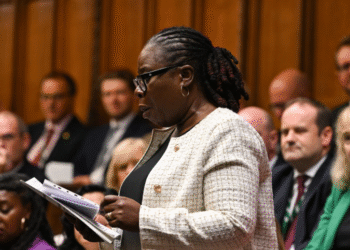 Systemic Racism in Maternity Care Continues to Endanger Black Women in England, MPs Warn
 One in Three GPs in England Do Not Work in NHS, Raising Concerns Over Access to Care
 Questions Remain as Rugby Legend Lewis Moody Faces Motor Neurone Disease Diagnosis
 M&S and Morrisons Lead Christmas Supermarket Taste Test
 New Prostate Cancer Drug Set to Halve Death Risk in England
 Hospice Cuts Raise Alarm Across England Amid Funding Crisis
 Patients to Test Health at Home to Ease NHS Winter Pressure
 Shouting Works Best to Deter Gulls, UK Study Finds
 Reeves rejects £1bn plea for NHS redundancy payouts
 Stroke Patient Mistaken for Drunk, Care Delayed
 ‘Traumatic Wait’: Northern Ireland Women Face Breast Cancer Delays
 Five-Year-Old Dies After Rare Tonsil Surgery Complication
 Fibromyalgia Patients Struggle as NHS Fails to Provide Care
 More Patients Now Contacting GPs Online, Data Shows
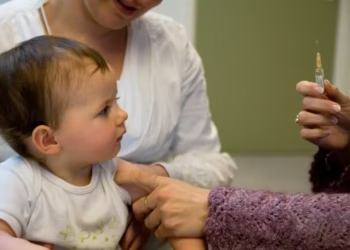 Children to Receive Home Vaccines as England Acts
 Local Fish Could Boost UK Health and Economy Significantly
 NHS Violence Crisis: Staff Face Daily Assaults
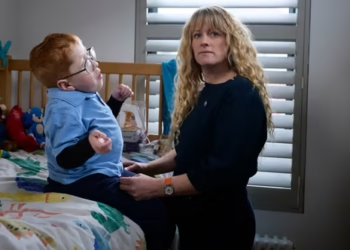 Celebrity Campaign Highlights SMA Screening Failures
 UK Glaucoma Rise Signals Looming Eye Health Crisis by 2060
 Reform UK Health Plan ‘Would Cost £1.7bn’, Streeting Says
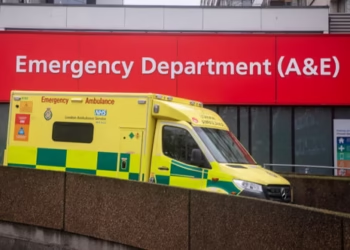 Pneumonia Surge Pushes England Emergency Cases Higher
 Labour Utterly Humiliated by Straight-Talking Mum Who Cut Through Keir Starmer’s Insanity
 Renters Furious as Decent Homes Standard Delayed Until 2035
 Motorists Could Face ‘Mandatory’ Driving Ban for Road Offences Under Tougher Laws
 Disability and LGBT Hate Crimes Set to Become Aggravated Offences
 Snow and Rain Warnings as Cold Snap Continues in the UK
 Flooding May Worsen Before It Improves as More Rain Forecast for the UK
 UK MPs Demand Ban on Brazilian Butt Lifts
 Last‑ditch Call to Save Police Front Counters in London
 NHS Urges Nine Million People to Get Therapy
 Dad Found in Bed with Daughter 16 Years After Abandoning Her as a Child
 ‘Don’t Make Us Security Guards,’ Says Teacher Stabbed by Pupil
 ‘A Disgrace’ — Patient Blasts Neurology Report
 Will the New SEND Reforms in England Work? You Have Your Say
 Half of Britons Avoid GP When Ill, Survey Reveals Growing Concern
 BBC Edited a Second Racial Slur Out of BAFTA Ceremony
 50,000 People Waited Over 24 Hours in A&E Corridor Care
 ‘It’s Joy in a Pot’: Why Houseplants Could Make You Happier
 New Infection Risk Alert at Glasgow’s Flagship Hospital
 Calls Grow to Remove Billboard Following Lyra McKee Graffiti
 Sarah Ferguson Loses Another £1.5m Amid Financial Struggles
 ‘We can’t go back’: mother of six-year-old cancer survivor fears UK visa changes
 Teen Wins Payout After TRNSMT Crush Horror
 Biker Suffers Fractured Spine After Hitting Pothole in Edinburgh
 Palantir NHS Contract Sparks Fears Over Data Power
 ‘Heating Oil Suppliers Are Holding Us to Ransom’ as Prices and Cancellations Surge
 Rare Glimpse of Historic Bridge Thanks to Low Tide
 UK Patients Face Long Journeys as Pharmacies Cut Hours
 Charity Watchdog Takes Control of Learning Disability Care Home
 UK Forces Ready to Seize Russian Shadow Fleet Vessels
 Families Tortured by Authorities During Investigations Inquiry Told
 Watchdog Probes Police Handling of Andrew Tate Abuse Claims