Published: March 30, 2026. The English Chronicle Desk. The English Chronicle Online—Providing trusted news and professional analysis for the UK.
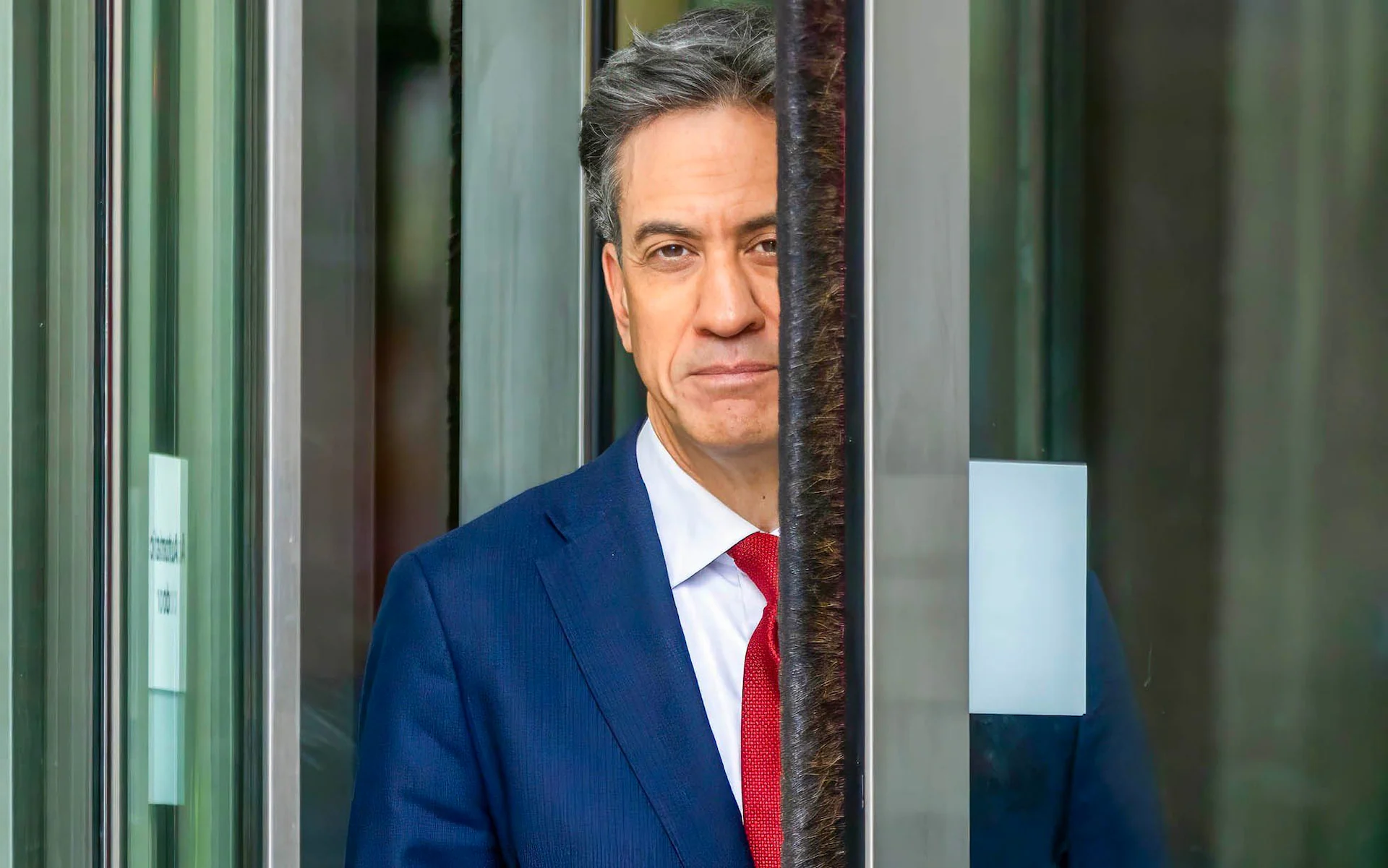
Energy Secretary Ed Miliband has ignited a fierce political row after ruling that electricity imported from foreign gas and coal-fired power stations will be classed as “zero carbon” in the UK’s official energy accounts. The controversial decision, which surfaced during today’s emergency energy briefings, is seen as a tactical maneuver to help the Government meet its ambitious target of a “95% gas-free” electricity grid by 2030. By excluding emissions generated outside British borders, the Department for Energy Security and Net Zero (DESNZ) can effectively treat power from neighbors like Belgium, the Netherlands, and France—who still rely heavily on fossil fuels—as being as “green” as UK wind or solar.

Industry analysts have been quick to condemn the move, with some labeling it a “statistical sleight of hand.” Kathryn Porter, an energy analyst at Watt-Logic, described the policy as “straightforward cheating,” noting that it allows the Government to claim a clean energy victory while the actual carbon footprint of British consumption remains unchanged. Critics argue that if the emissions incurred overseas to keep British lights on were included in the national ledger, the 2030 target would be “mathematically impossible” to achieve. The row comes at a sensitive time for Mr. Miliband, who is already under fire for his ban on new North Sea oil and gas licenses, a policy that opponents say has left the UK dangerously reliant on the very foreign imports he is now attempting to “greenwash.”
The Energy Secretary has hit back at the accusations, insisting that the accounting method aligns with international standards where emissions are recorded at the point of generation. During a Commons debate earlier today, Mr. Miliband doubled down on his “Clean Power 2030” mission, arguing that the true threat to energy security is not accounting methodology but the “fossil fuel casino” of global markets. “The only way to protect British families from the volatility we are seeing in the Middle East is to end our dependence on fossil fuels once and for all,” he told MPs. He framed the push for renewables and the acceleration of nuclear development as a “patriotic duty” to achieve energy sovereignty, regardless of the criticism from “Net Zero skeptics.”

However, the political “dividing line” is sharpening. Conservative and Reform UK MPs have seized on the “foreign gas” loophole to argue that Labour’s energy policy is a “crazed commitment” that prioritizes ideology over honesty. They point out that while the UK is shutting down its own domestic gas production, it is increasingly “offshoring” its carbon footprint to other nations. As oil prices hover at $116 a barrel and the Strait of Hormuz remains a flashpoint for global supply, the debate over what constitutes “clean” power is no longer just a technicality—it has become a central battleground for the future of the British economy and its survival in an increasingly unstable world.
Related News:
 Donald Trump’s UK State Visit Kicks Off Amid Major Tech Investments and Business Engagements
 MPs warn AI financial risks threaten UK stability
 MPs warn AI financial risks threaten UK stability
 Modi’s London Visit Seals Historic UK-India Trade Pact Amid Global Tensions
 How to Exit Your Broadband Contract Without Paying Exit Fees
 Chancellor Rachel Reeves Pushes for Sweeping Changes to Environmental Protections to Accelerate Development
 Ed Davey Urges Government to Block Elon Musk’s Tesla from Supplying UK Home Energy
 Apple Unveils Ultra-Thin $999 iPhone Air at “Awe-Dropping” Annual Event
 Merck Abandons £1bn London Research Hub and Cuts 125 Jobs in Blow to UK Life Sciences
 UK and US Forge Landmark Deals to Build Modular Nuclear Reactors Across Britain
 Big Pharma Investment Freeze Puts UK Life Sciences Sector Under Strain
 UK Could Generate Nearly £2bn Annually by Taxing SUVs, New Study Reveals
 Jaguar Land Rover Extends Production Halt Following Cyber-Attack
 British AI Startup Outshines Human Forecasters in Global Prediction Contest
 UK Fighter Jet Purchase Could Breach Nuclear Treaty, Warns CND
 Royal Mail Owner Acquires Stake in Collect+ and Launches High Street Rebrand
 Senior Tories Condemn Badenoch’s Vow to Repeal Climate Change Act as Catastrophic
 Russia repeatedly targets UK military satellites, warns Space Command chief
 Kemi Badenoch Unveils ‘Golden Rule’ to Halve Spending Cuts for Deficit Reduction at Tory Conference
 Yvette Cooper Backs Digital ID Plan for UK Teens
 Reform UK candidate fined £19,000 after using AI-generated cases to challenge election
 Experts Warn Russia’s Burevestnik Missile Could Destabilise Arms Control
 Virgin Trains Moves Closer to Challenging Eurostar Monopoly
 Trump’s UK Ambassador Urges North Sea Drilling to Strengthen US Ties
 MPs Press Rachel Reeves to Hike Gambling Taxes
 Britain deploys RAF specialists to assist Belgium with drone threats
 Millionaires group urge Reeves to introduce wealth tax to ‘lift kids out of poverty’
 New laws to bolster UK’s defences against cyber attacks on NHS, transport and energy
 Canada Passes Carney’s First Budget in Tight Parliamentary Vote
 PM Highlights UK Business at G20 in South Africa
 UK Taskforce Unveils Plan to Streamline Nuclear Reactor Rules
 India’s Labour Law Overhaul Sparks Fierce Debate
 Starmer Says Labour’s Economic Plan Needs Years to Deliver
 BP’s Influence Sparks Controversy in UK STEM Education
 Iran Signals Permanent Break From Global Internet, Activists Warn
 Amazon mistakenly signals new global layoffs to employees
 Labour Must Revive High Streets to Avoid Election Collapse
 UK food industry urges transition if post-Brexit rules reset
 UK New Car Discounts Near £6,000 as Prices Are Slashed
 BT Names New Openreach Chief Amid Major Fibre Expansion
 AI fears hit UK wealth and comparison sites
 Could Manchester Lead the UK’s Economic Revival?
 Starmer Targets AI Chatbots Over Child Safety Concerns
 Reform Plans to Keep UK’s Budget Watchdog in Office
 Jenrick: I’ll Back OBR but There’ll Be No More Cosy Consensus
 Another U-turn Ahead as Labour Reconsiders Youth Minimum Wage
 Sanders Condemns Billionaire ‘Greed’ in California Tax Debate
 Trump Directs US Govt to Prepare Release of Files on Aliens and UFOs
 The Chinese AI App Sending Hollywood Into a Panic
 Bill Gates Pulls Out of India’s AI Summit Over Epstein Files Controversy
 Trump Vows UFO File Release After Obama Interview
 Musk Cuts Starlink Access for Russian Forces – Giving Ukraine an Edge at the Front
 AI Coding Firm’s ‘Pride’ at Business Award Win
 Ministers Urged to Ban Crypto Political Donations
 Reeves Must Back Defence Plan or Face Dismissal, Says Unite Chief
 UK Social Media Ban for Under-16s Gains Momentum
 UK Teen Social Media Ban Trials Begin
 How Aston Martin Must Adapt to Meet Changing Needs
 Labour’s Employment Shake‑Up ‘Makes Britain Worse Than France’
 Why Russia Controls Its People With a Flick of a Switch
 Venezuela and US to Work Together on Mining Developments, Rodríguez Says
 Protesters Rally in San Francisco Against OpenAI Deal With Pentagon
 Streeting Criticises SNP Over NHS App Dispute
 Revealed: UK AI Push Faces Phantom Investment Claims
 Ministers Urged to Act Faster on Deepfakes Threat
 Gulf Oil Shock Sends Global Economic Ripples
 Iran Rejects Ceasefire, Warns Trump With Chilling Message
 US Says 16 Iranian Mine Ships Destroyed in Hormuz
 US Launches Probe into Trading Partners Including EU, China, and India
 UK Fuel Tax Hike Plan to Be Kept Under Review Over Iran Conflict
 Bank of Scotland App Glitch Lets Customers See Other Users’ Transactions
 Tesla Enters British Energy Market Following Ofgem Approval
 Sri Lanka Sets Weekly Shutdown to Save Fuel
 India’s $300bn Outsourcing Industry Faces AI Test
 House of Lords Backs Landmark Social Media Ban for Youth
 UK Watchdog Probes Five Firms Over Fake Review Failings
 Badenoch Demands Energy Tax Cuts Over ‘Benefit Street’ Bailouts
 Tories Urge Three-Year VAT Scrap on Energy Bills to Combat Price Spike
 Trump Considers Military Operation to Seize Iran’s Uranium
 Starmer Launches Labour Local Election Campaign Under Shadow of ‘Bloodbath’ Predictions