Published: March 31, 2026. The English Chronicle Desk.
The English Chronicle Online—Providing trusted news and professional analysis for the UK and World Affairs.
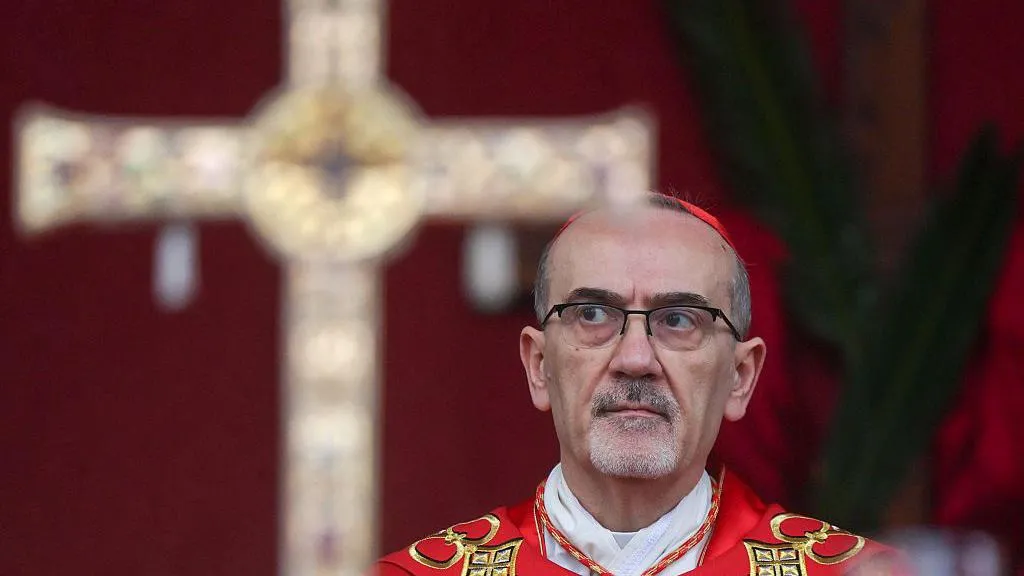
An unprecedented diplomatic rift in the Holy City appears to have been narrowly averted after Israeli Prime Minister Benjamin Netanyahu intervened to restore access for the Latin Patriarch of Jerusalem to the Church of the Holy Sepulchre. The intervention followed a “grave precedent” on Palm Sunday, March 29, when Israeli police physically blocked Cardinal Pierbattista Pizzaballa, the highest-ranking Catholic official in the Holy Land, from entering the site where Christians believe Jesus was crucified and buried. The move, which forced the Cardinal and the Custos of the Holy Land to turn back during a private, non-ceremonial walk to the church, sparked a firestorm of international condemnation from the Vatican, Washington, and several European capitals.

The initial blockage was defended by Israeli police as a necessary safety measure due to the ongoing war with Iran. Authorities cited the risk of Iranian ballistic missile strikes—which have recently targeted Jerusalem’s Old City—and the difficulty of navigating emergency vehicles through the narrow Christian Quarter during an alert. However, the Latin Patriarchate described the police action as “manifestly unreasonable and grossly disproportionate,” noting that the Church had already voluntarily canceled public processions and complied with all wartime gathering limits. “For the first time in centuries, the Heads of the Church were prevented from celebrating Palm Sunday Mass at the Holy Sepulchre,” a joint statement read, calling the decision “tainted by improper considerations.”
The backlash was swift and high-level. U.S. Ambassador Mike Huckabee labeled the police action an “unfortunate overreach,” while French President Emmanuel Macron and Italian Prime Minister Giorgia Meloni issued stern rebukes, calling the incident an “offense to believers.” Faced with a burgeoning crisis of religious freedom, Prime Minister Netanyahu moved to “revoke the ban” late Monday. In a public statement, Netanyahu clarified that while the safety concerns were “real” following recent missile fragments landing near the church, he had instructed security forces to grant the Patriarch “full and immediate access” to conduct Holy Week services as he sees fit. “There was no malicious intent,” the Premier stated, “only a desire to protect worshippers from the Iranian threat.”

As Holy Week continues toward Easter Sunday, the atmosphere in Jerusalem remains one of “vigilant peace.” The Church of the Holy Sepulchre is now back under the administration of its traditional guardians, though the usual throngs of international pilgrims are absent, replaced by local clergy and heavy security details. With oil prices at $116 and the regional conflict showing no signs of abating, the “Islamabad Initiative” peace talks are being watched closely by religious leaders who fear that a total breakdown in regional security could permanently alter the delicate “Status Quo” that has governed Jerusalem’s holy sites for centuries. For now, the bells of the Holy Sepulchre are ringing again, but they ring over a city that feels more like a fortress than a sanctuary.
Related News:
 Police Assessing Stansted Airport Private Flights Over Epstein Ties
 Inside Kyiv’s resolve as conflict nears five‑year mark
 What to Watch for During Trump’s State of the Union Address
 US Partially Evacuates Beirut Embassy Amid Rising Iran Tensions
 ‘It’s Eerie’ – Dubai on Edge as City Comes Under Attack
 Muslim Group Wants Mosques to Be Used as Polling Stations Ahead of UK Elections
 Manchester Students Mourn Ayatollah Amid Protest
 Baba Vanga’s Chilling World War 3 Prediction and Russia’s New Leader
 Iranian Players Get Australian Visas After Anthem Protest
 Ecuador Deploys 75,000 Forces in Anti-Gang Drive
 Missing Cuba-Bound Aid Ships Spark Urgent Search
 PM Seeks to Reassure Australians Over Fuel Supply
 UK Must Act with Courage and Clarity on Israel-Palestine Conflict, Says Foreign Affairs Committee Report
 Radioactive Leak at UK’s Nuclear Warhead Base Sparks Outcry Over Safety and Secrecy
 Mutual Inconvenience: Why Alaska Was Chosen for the Trump-Putin Summit on Ukraine
 Hong Kong Summons UK and Australian Envoys Following Asylum Grants to Democracy Activists
 Is the UK Ready to Put Boots on the Ground in Ukraine? Assessing Military Capacity and Challenges
 Conservative Influencer Charlie Kirk Fatally Shot During University Debate
 Channel Crossings Surge: Over 1,000 People Arrive in the UK in Small Boats in a Single Day
 Widow of Charlie Kirk Forgives Killer at Emotional Memorial Service
 Yvette Cooper Signals Global Momentum Towards Gaza Peace Deal Amid Humanitarian Crisis
 Public Trust in SNP Hits Historic Low Amid NHS Concerns
 Johnson Suggests Mandelson Linked to China Spy Controversy
 Russia’s Latest Push to Win US Favors Shows Deep Desperation
 BBC to Apologise Over Edited Trump Speech Amid Backlash
 Britain deploys RAF specialists to assist Belgium with drone threats
 Trump Urges Herzog to Grant Netanyahu Full Pardon
 Indian authorities demolish Kashmir home linked to Red Fort blast
 Greene Pushes Epstein Files Amid Trump Fallout
 December Run-Off in Chile as Election Produces No Winner
 Canada Passes Carney’s First Budget in Tight Parliamentary Vote
 Shadow Fleet at Sea: Europe’s Battle Against Illicit Oil Shipping
 India’s COP30 Delay Raises Global Climate Concerns
 Georgians Defy Government Crackdown After Year of Protests
 Albanese Opens Door to Bondi Royal Commission Amid Rising Pressure
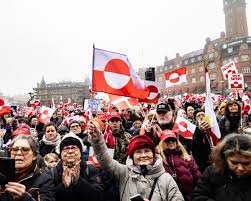 EU weighs response amid Greenland tariff crisis with Trump
 EU Says US Ties Have Suffered ‘Big Blow’ After Greenland Crisis
 Israel Moves to Bar MSF From Gaza Operations
 After the Landslide: Can India Reset Ties with BNP Bangladesh?
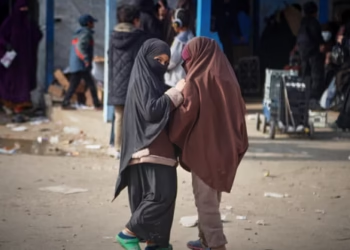 Australian Families Leave Syrian Camp for Home
 Starmer Weighs Fast-Tracking Defence Boost
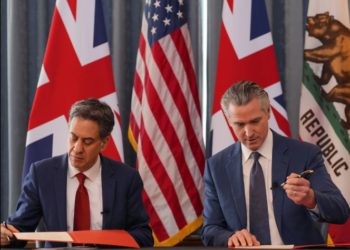 Trump Attacks UK-California Energy Pact
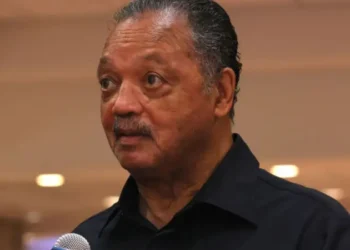 US Civil Rights Leader Jesse Jackson Dies Aged 84
 Snow and Rain Warnings as Cold Snap Continues in the UK
 Nine Arrested in France Over Death of Far‑Right Student
 Andrew Arrest Sparks Republic Debate in Australia
 Epstein Eyed Record Label Investment to Access Women, Files Suggest
 Australian PM Says Former Prince Andrew Has Suffered ‘Extraordinary Fall’ but That Won’t Prompt Republic Referendum
 Musk Cuts Starlink Access for Russian Forces – Giving Ukraine an Edge at the Front
 Farage Chagos Islands Row Sparks Fury
 Ukraine Negotiator Reveals What It Feels Like Facing Russia
 ‘We Pray for Peace’: Indian Filmmaker From Troubled State Who Won a BAFTA
 Chad Shuts Border With Sudan in Bid to Stop Conflict Spreading
 French Minister Moves to Block US Envoy Kushner from Government Access
 Has Europe truly learned from the failures of 2022?
 American Citizen Killed in Cuba Boat Shooting, U.S. Officials Say
 Iran’s Regime Still Intact — Coming Days Will Test Its Survival
 Allies of US in the Gulf Bear Brunt of Iran Attacks
 Trump Faces Questions Over Iran Conflict Plan
 Herzog Asio meeting sparks security storm
 ‘Every Day Feels Like a Month’: Iranians Describe Life Under ‘Constant’ US‑Israeli Strikes
 Finland Plans to Lift Decades‑Old Ban on Hosting Nuclear Weapons
 Minister Meets Crews Who Will ‘Take Out’ Iranian Drones
 Nine Days of Strikes Reshape the Middle East
 Trump Pressures Congress Over Save America Act
 Iran War Puts Trump at Political Risk Amid Rising Prices
 Iranian Football Squad Asylum Drama Shocks Australia
 Ukraine War Becomes Flashpoint in Hungarian Election
 Queensland Protest Laws Spark Free Speech Backlash
 Yvette Cooper: UK Must Follow Principles, Not US Pressure
 Trump Nato threats expose Iran strategy vacuum
 Trump’s Confidence Undimmed — But Every Iran Option Carries Risk
 Israel Says Iran Security Chief Larijani ‘Killed’
 Philippines energy emergency sparks coal power surge
 Trump Facing Backlash from Epstein Survivors Over Files
 Nepal to swear in ex-rapper as new prime minister
 UK Forces Ready to Seize Russian Shadow Fleet Vessels
 US Lawmaker Demands Testimony Over Sarah Ferguson’s ‘Close Epstein Ties’
 ‘Eye in the Sky’ Blinded: Photos Reveal Destroyed US Radar Jet at Saudi Base
 Trump Considers Military Operation to Seize Iran’s Uranium