Published: 06 July 2025. The English Chronicle Online
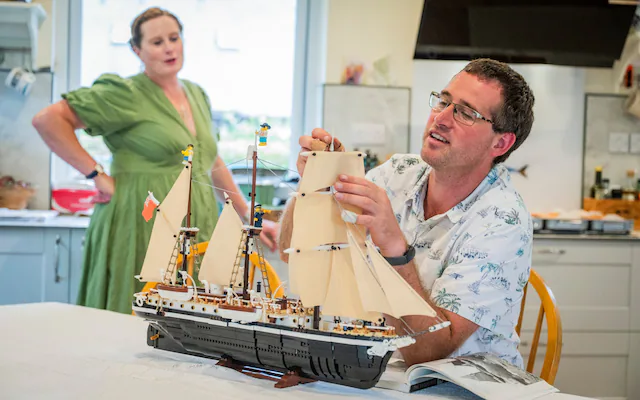
For many, Lego is a cherished part of childhood, but for an increasing number of adults, including celebrities like David Beckham and Daniel Radcliffe, the passion for building with these iconic bricks never fades. For Anna Raby*, a 35-year-old history teacher from Sheffield, this enduring hobby of her husband Harry* has turned what was meant to be a peaceful Cornish holiday into a source of frustration. Harry arrived with a “massive box of Lego,” dominating their shared space and time, much to Anna’s chagrin.
Harry’s hobby is more than a pastime; it serves as a crucial outlet from the stresses of his IT career. While he generally keeps his Lego builds, alongside other collections such as Warhammer models and anime figures, confined to his office, the accumulation of pieces around the home has worn thin on Anna’s patience, especially as they prepare to start a family. Despite her annoyance, she recognizes that these hobbies help Harry unwind and bring him joy.

Adult fans of Lego, often referred to as AFOLs, are a global phenomenon, with groups like the Facebook AFOL community boasting over 230,000 members. This dedicated fan base enjoys a range of elaborate builds, from the Hogwarts castle to Jurassic Park sets, often costing hundreds or even thousands of pounds. Recent sales figures show that Lego continues to dominate the toy market, with annual UK sales exceeding £500 million and global profits topping £2 billion, boosted by classic designs and collaborations with brands like Nintendo and Disney+.
The hobby’s appeal transcends gender and age. For some couples, Lego offers a bonding experience. Ishbel Hawson, a coffee shop owner from the West Highlands, and her husband Edward Turner enjoy building complex sets together, blending their shared love for construction with quality time. Yet, the significant cost and space required for these projects sometimes cause tension among partners.
Experts note that for many adults, building models provides a creative escape and a way to manage stress. Cognitive behavioural psychotherapist Chris Finn explains that the tactile nature of Lego appeals especially to men who find satisfaction in hands-on creation, paralleling other hobbies that foster focus and relaxation. However, he warns that when such activities start to replace real-life responsibilities or social interactions, they may indicate unhealthy coping mechanisms.
For others, like Emily Bigham from Dulwich, Lego is a source of family connection. Her husband Alex’s intricate models, including a detailed recreation of the Oval cricket pavilion, are testament to a lifelong passion that bridges generations. But for some spouses, the encroachment of Lego builds can be overwhelming, cluttering living spaces and competing for attention.

Psychologist Ritika Suk Birah emphasizes that open communication about space, time, and finances is crucial to maintaining harmony when hobbies run deep. For Claire Stay, whose husband Mark is a devoted Lego enthusiast, the key is acceptance. Living in a spacious converted barn, they have ample room for Mark’s collections, and she appreciates the calm and focus the hobby provides amid the chaos of daily life.
While Lego remains a source of joy and creativity for many, it can also test the patience of those sharing their homes. Whether embraced or endured, the bricks continue to inspire builders worldwide, one tiny piece at a time.
Related News:
 Another departure adds to the growing repercussions of the viral Coldplay concert video
 Drag Queens Forced to Stop Reading ‘Dear Zoo’ to Children Amid Protests at Belfast Library
 Prince Charles Cinema Eyes Expansion to East London Amid Leicester Square Uncertainty
 Russell T Davies Warns of Declining UK Gay Rights Amid Rise of Reform UK and Trump Influence
 Calls Grow for a Complete Ban on Smacking as Public Opinion Shifts
 Millie Bobby Brown and Jake Bongiovi Begin Parenthood Through Adoption
 Ofsted Pushes Ahead with Controversial New Inspection Regime Despite Widespread Opposition
White Low-Income Pupils in England Show Lowest Levels of School Engagement, Study Finds
Ofsted Pushes Ahead with Controversial New Inspection Regime Despite Widespread Opposition
White Low-Income Pupils in England Show Lowest Levels of School Engagement, Study Finds
 Patricia Crowther, Known as UK’s Oldest Witch, Dies Aged 97
 Labi Siffre Demands Tommy Robinson Stop Using Iconic Anti-Apartheid Anthem
 Rachel Reeves Unveils Ambitious Plan to Bring a Library to Every Primary School in England
 Covid School Closures in UK Severely Disrupted Children’s Lives, Inquiry Finds
 Conservation Pioneer Jane Goodall Passes Away at 91
 Beloved Actress Dame Patricia Routledge Dies Aged 96
 George and Amal Clooney Celebrate Global Human Rights Champions at Star-Studded Albies
 Jilly Cooper: The Bonkbuster Queen Who Redefined Romantic Fiction
 Eating International Foods Linked to Greater Tolerance, UK Study Finds
 Celebrity Traitors First Look: A Star-Studded Highland Adventure That Hooks from the Start
 Academy Award-Winning Actress Diane Keaton Dies at 79
 Phillipson urges UK universities to combat antisemitism
 Phillipson Warns Parents Over Poor Quality Online Advice
 One in 12 Secondary Pupils Sent to Isolation Weekly
 British Airways suspends podcast sponsorship after controversial interview
 Marie Curie Launches End-of-Life Checklist to Ease Stress
 Prunella Scales: From Fawlty Towers Icon to Beloved Canal Explorer
 The upcoming book-to-screen adaptations I’m most excited about
 Children to Learn Local History in Major Curriculum Overhaul
 Hollywood Is an Industry of Looney Tunes Pretending to Be Normal
 My standout favourite book of 2025: The Names
 Top Christmas Books Reads: Classics to Cozy Romcoms
 Greta Thunberg Backs Student Facing UK Visa Revocation
 Oprah enjoys Meghan’s jam on English muffins
 No link found between paracetamol in pregnancy and autism
 Amber Davies Shines on Strictly – Time to Drop the West End Debate
 From Lego to Pokémon: How Adults Are Driving UK Toy Market Growth
 Princess of Wales Hosts Festive Christmas Service at Abbey
 South Korea’s College Exam Tests Perseverance of Blind Students
 Akon Arrested in Georgia Over Outstanding Warrant
 Princess of Wales Hosts Carol Service Celebrating Love for All
‘I’ve Read 38 Books, but This Is My Standout Favourite’
Princess of Wales Hosts Carol Service Celebrating Love for All
‘I’ve Read 38 Books, but This Is My Standout Favourite’
 Pat Butcher Returns to EastEnders in Touching Dementia Storyline
 Yungblud Pauses Tour Over Health Concerns, Apologises to Fans
 UK Schools Face Staff Exodus Amid Wellbeing Crash
 New Miss Universe Crowned Amid Controversy in Thailand
 Australia to Ban Social Media for Kids Under-16 Starting December
 Director Michael Caton-Jones Reflects on Career and Beginnings
 TikTok Star Jessie Yendle Mocked by KFC
 Chef Skye Gyngell, Slow Food Pioneer, Dies Aged 62
 Belfast’s Elle Vosque finishes runner-up on Drag Race UK
 Rusty Bond-Era Aston Martin Restored to £1m Glory
 Pavarotti statue frozen in Italian ice rink sparks backlash
 Post Office Scandal Compensation Tops £1 Billion as Victims Finally See Justice
 Ozzy Osbourne: The Prince of Darkness Bows Out, Leaving Behind a Legacy of Metal and Myth
 The Ketamine Crisis in the UK is a Silent Epidemic Leaving Users with Lifelong Pain
 The Fight for Trans Safety Is a Fight for Everyone’s Safety — MPs Must Debate This Crucial Issue
 Princess of Wales Launches Animated Video Series to Support Early Childhood Development
 Compulsory Period Education for Boys and Girls Urged by New Study
 Tragedy Strikes Britain’s Richest Divorcee as Boyfriend Dies Just Four Years After £350m Breakup
 Why E-Bikes and E-Scooters Are Making Streets a ‘Nightmare’ for Blind People
 Growing Crisis in UK Schools: One in Three Parents Seek Special Needs Assessments
 Zarah Sultana Seeks Legal Action After Bitter Clash with Jeremy Corbyn Over Party Membership Funds
 Watchdog, Cornflakes and Courage: Remembering John Stapleton, a Broadcaster Who Did It All
 Canadian Officials Find TikTok Fails to Adequately Protect Children’s Data
 Strictly Celebs Starstruck as Cynthia Erivo Shines
 WW2 Pilot’s Long-Lost Crash Site Unearthed in Essex
 Hospice Cuts Raise Alarm Across England Amid Funding Crisis
 Prince William Plants Trees with Brazil’s Nature Heroes
 Labour immigration crackdown could cost UK £4.4bn
 Earl of Yarmouth Faces £1.3m Legal Bill Over Family Estate
 How to get help when a child goes missing – call 999 urgently
 UK Faces Arctic Blast as Polar Vortex Disruption Brings Heavy Snow
 Son Reveals UK Couple in Iran Resort to Hunger Strike for Help
 Pokémon to open world’s first theme park in Japan next year
 Mother Watches in Horror as Teen Daughter Dies on Tracks
 Seven Countries, One Winner: Europe’s Best Christmas Market
 ‘Traumatic Wait’: Northern Ireland Women Face Breast Cancer Delays
 Scottish Families Take Legal Action Over School CO Leak
 Vicki Fears Losing Motability Car
 Fibromyalgia Patients Struggle as NHS Fails to Provide Care
 Virgin Media Fined £23.8m Over Telecare Safety Failures