Published: April 1, 2026. The English Chronicle Desk.
The English Chronicle Online—Providing trusted news and professional analysis for the UK and Southeast Asia.
For the fifth consecutive day, Chiang Mai has been ranked as the most polluted city on Earth, with air quality reaching “hazardous” levels that have triggered a regional health crisis. The northern Thai capital, once a lush retreat for global travelers, is currently submerged in a thick, acrid haze of PM2.5 particulate matter, with AQI (Air Quality Index) readings peaking at a staggering 380 in the city center. While “Burning Season” is an annual occurrence, the 2026 crisis has taken a frightening turn as local hospitals report a surge in acute symptoms among children—most notably, persistent and unexplained nosebleeds.

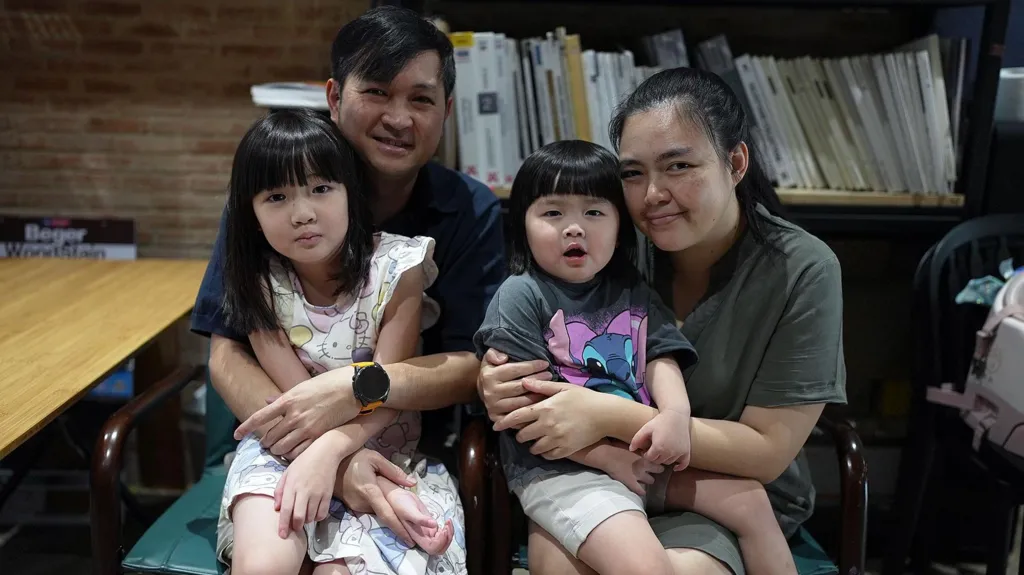
“My six-year-old woke up with her pillow soaked in blood,” one mother in the Mae Rim district told reporters. “We haven’t left the house in three days, we have four air purifiers running, and her nose just won’t stop. It feels like we are breathing fire.” Medical professionals at Nakornping Hospital confirmed that the ultra-fine dust is causing severe inflammation of the nasal lining and respiratory tracts. “We are seeing pediatric cases with lung inflammation levels usually reserved for lifelong heavy smokers,” a senior pediatrician noted.
The ‘Toxic Bowl’ Effect
The 2026 haze is being described by environmental scientists as a “perfect storm” of agricultural practices and stagnant weather patterns.
-
The Burning Surge: Satellite data from GISTDA shows a 40% increase in hotspots across Northern Thailand and neighboring Myanmar compared to last year, driven by a desperate push for “catch-up” maize production following 2025’s global supply chain disruptions.
-
Temperature Inversion: A persistent high-pressure system has created a “lid” over the Chiang Mai valley, trapping the smoke at ground level. This “toxic bowl” effect means that even without new fires, the existing pollution cannot dissipate.
-
The ‘$116’ Link: As the oil price hits $116 and the Iran war makes modern agricultural machinery unaffordable for small-scale farmers, many have reverted to traditional “slash-and-burn” methods to clear land for the new season.
A Regional ‘8 Million’ Crisis?
The health emergency is unfolding against a backdrop of severe economic strain. The “smoke season” is already causing a mass exodus of digital nomads and tourists, threatening the region’s primary source of income.
-
The Pediatric Toll: Public health officials warn that prolonged exposure to these levels of PM2.5 can lead to stunted lung development and chronic cardiovascular issues in children.
-
The Mask Economy: Prices for N95 masks have tripled in local pharmacies, leading to calls for the Thai government to release emergency stockpiles. For many low-income families, the cost of “clean air” is now exceeding the cost of food.
-
The Songkran Shadow: With the Songkran (Thai New Year) festival just weeks away, there are fears that the traditional water splashing will be replaced by emergency “mist cannons” in a futile attempt to scrub the air of toxins.

‘Clean Air is a Human Right’
The crisis has ignited a fierce political debate in Bangkok. While the Thai government recently passed the first reading of a Clean Air Act, activists argue that the legislation lacks the “teeth” to penalize multinational corporations that buy corn from farmers using illegal burning methods. “We can’t tell a mother whose child is bleeding that she has to wait for a three-year implementation plan,” said a representative from the ‘Air Purify’ advocacy group.
As the Asia stocks jump on hopes of a peace deal in the Middle East, the people of Chiang Mai are focused on a more immediate struggle: the right to breathe. For now, the “Rose of the North” remains hidden behind a gray curtain of ash, and the sound of children coughing has become the new, tragic soundtrack of the northern spring.
Related News:
 The Sad, Strange Story of the World’s Most Radioactive Paradise
 ‘The Invisible Killer’: Chiang Mai Air Pollution Sparks Health Crisis as Children Suffer Nosebleeds
 Costa Blanca Holiday Horror as Food Poisoning Outbreak Hits Four-Star Hotel
 CDC Plunged Into Turmoil as Ousted Chief Susan Monarez Refuses to Step Down
 First Group of Children from Gaza Arrive in UK for Life-Saving NHS Treatment
 Global Study Reveals Violence in GP Surgeries Linked to Long Waiting Times and Drug Refusals
 The diet that can significantly ease symptoms of IBS
 Europe, North America face early wave of bird flu
 “Enough is Enough”: Local MP Vows to Fight Rainham Quarry Plans
 ‘Extinct’ Antelope Returns to Sahara, Bringing Hope
 Local Fish Could Boost UK Health and Economy Significantly
 Traces of Glyphosate Found in UK Playground Tests
 Guterres Warns Global Cooperation Under Threat at UN’s 80th Year
 Robo-Vaccination Could Transform Fight Against Bovine TB
 Polycrisis Anxiety Leaves Many Feeling Trapped in the Present
 Japan Prepares for Kashiwazaki Restart After Fukushima Legacy
 Half the World’s Largest Cities Face Rising Water Stress
 The Sound of Mayhem’: Terror and Loss at Mount Maunganui
 Reindeer Deaths Rise as Finnish Herders Blame Border Wolves
 James Valentine Retires from ABC After Cancer Battle
 US Healthcare Needs Fixing, But There’s No Agreement on How to Do It
 Facing a Demographic Catastrophe, Ukraine Is Paying for Troops to Freeze Their Sperm
 Moment Officers Rescue Injured Bald Eagle From Icy Hudson River
 Chikungunya Spread in Europe Climbs as Climate Warms
 Shutting North Sea ‘Will Drive Up Carbon Emissions’
 As Trump Retreats from Climate Goals, China Is Becoming a Green Superpower
 Greenland Says ‘No Thanks’ to Trump’s US Hospital Boat Offer
 Storm Hernando: Edinburgh Airport Flights Cancelled in US Travel Chaos
 Storm Hernando: Edinburgh Airport Flights Cancelled in US Travel Chaos
 Drugs, Denial, Stigma: Fiji’s HIV Crisis Hits Children
‘I Wanted to Save Her Life’ — The Moment Twin Sisters Learned They Were Identical
Drugs, Denial, Stigma: Fiji’s HIV Crisis Hits Children
‘I Wanted to Save Her Life’ — The Moment Twin Sisters Learned They Were Identical
 Martin Short’s Daughter Katherine Dies at 42
 Greenpeace $345m Ruling Sparks Appeal Battle
 Tick Bite Tragedy Claims Teen in Meat Allergy Case
 Hospital Fungal Outbreak Sparks Major Cover-Up Claims
 Water Cremation Introduced in UK First
 Scotland Becomes First UK Country to Allow Water Cremations
 Wellness Peptide Craze: Why People Are Injecting Drugs ‘Not for Human Consumption’
 Not in the Mood to Exercise? These Simple Daily Habits Work Every Time
 Fuel and Remittances: How Iran Conflict Hits India At Home
 Tiny Possum and Glider Thought Extinct for 6,000 Years Found in Remote West Papua
 US Eases Sanctions on Russian Oil Sales to India During Iran Conflict
 Musk’s xAI Permit Sparks Fury Over Power Plant Expansion
 Tehran Diary: Dark Days Under Relentless Bombardment
 Canada Plasma Deaths Raise Safety Concerns After Two Donors Die
 The Truth Behind Rising Energy Costs and Fossil Fuel Myths
 ‘Drinking from a Fetid Pond’: Superbug Genes in Lough Neagh
 Millions Left Without Power as Grid Fails
 Concern Over Six Weeks of Sewage Discharge Into River
 Horror in the Outback as Crocodile Kills World-Renowned Doctor
 Extreme Weather: Europe Shivers as Cyclone Narelle Hits
 Tropical Cyclone Narelle Batters the Western Australian Coast
 Trump to Deploy “God Squad” Over Gulf Wildlife Protections
 ‘I’m So Ready’: Céline Dion Announces 10-Night Paris Comeback Residency
 Starmer Issues 48-Hour Ultimatum to Resident Doctors: Call Off ‘Reckless’ Strikes or Lose Job Package
 Systemic Racism in Maternity Care Continues to Endanger Black Women in England, MPs Warn
 Yvette Cooper Signals Global Momentum Towards Gaza Peace Deal Amid Humanitarian Crisis
 Chaos at Ibrox as Martin’s Rangers Era Comes to an End
 Sir Michael Caine Urges Starmer to End Smacking in England
 M&S and Morrisons Lead Christmas Supermarket Taste Test
 Russia’s Latest Push to Win US Favors Shows Deep Desperation
 BBC to Apologise Over Edited Trump Speech Amid Backlash
 Reeves rejects £1bn plea for NHS redundancy payouts
 Australian Families Leave Syrian Camp for Home
 ‘I Would Scream in My Sleep’: Alawite Women from Syria Tell of Kidnap and Rape
 Epstein Eyed Record Label Investment to Access Women, Files Suggest
 How Do You Modernise Mango Farming? India’s Growers Urged to Innovate as Climate Change Hits
 Ukraine Negotiator Reveals What It Feels Like Facing Russia
 Half of Britons Avoid GP When Ill, Survey Reveals Growing Concern
 Hilary Knight speaks out on Trump’s recent hockey remarks
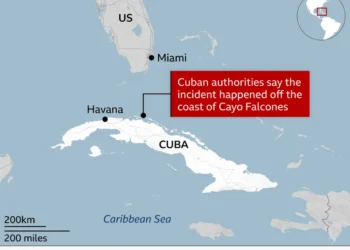 American Citizen Killed in Cuba Boat Shooting, U.S. Officials Say
 Iran’s Regime Still Intact — Coming Days Will Test Its Survival
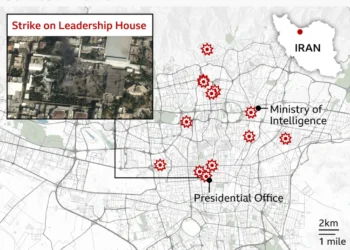 In Maps: Strikes Across Iran and the Middle East
 Brit ‘in Good Spirits’ Amid Dubai Missile Attacks, Stranded but Safe
 Civilian Deaths in Iran Pass 700 Amid Fear of Bombs and Regime Clampdown
 ‘Every Day Feels Like a Month’: Iranians Describe Life Under ‘Constant’ US‑Israeli Strikes
 Penny Wong silent on Australian crew in sub strike
 Finland Plans to Lift Decades‑Old Ban on Hosting Nuclear Weapons
 Trump Pressures Congress Over Save America Act
 Iran War Puts Trump at Political Risk Amid Rising Prices