Published: 03 April 2026. The English Chronicle Desk. The English Chronicle Online.
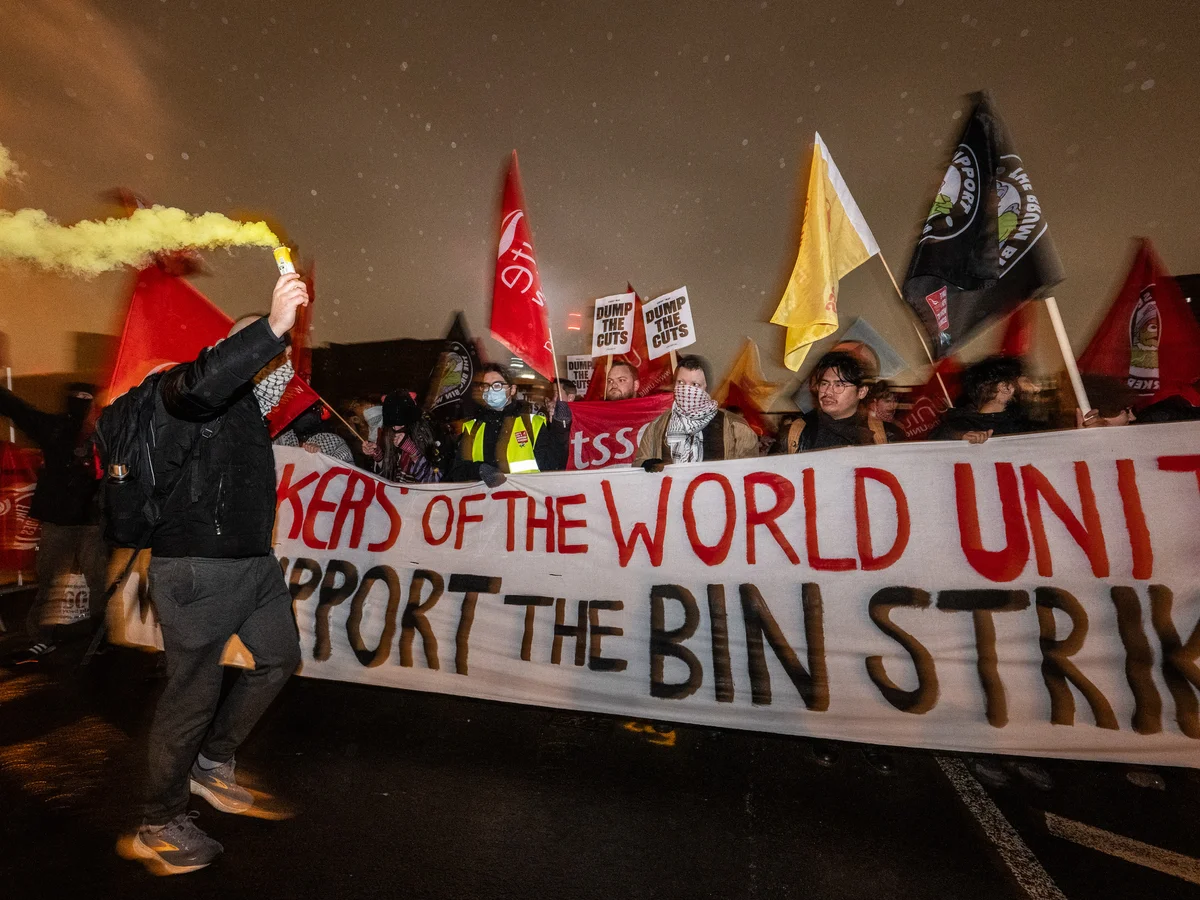
The streets of Birmingham currently tell a visual story of a city caught in a deep deadlock. Towering piles of black waste bags now line the pavements of Britain’s second city with increasing frequency. This sight has become a permanent fixture for many residents who feel neglected by their local representatives. The industrial action by refuse workers has officially crossed the one-year mark with no end in sight. Recent financial data has now sparked a fierce new debate regarding how public money is being spent. Analysis suggests that Birmingham City Council has doubled its expenditure on agency staff since the strikes began. This revelation has led to explosive accusations from union leaders regarding the legality of council actions.
The dispute originally started in January last year over proposed pay cuts and various role changes. These changes included the controversial removal of specific waste recycling and collection roles within the local fleet. Workers represented by Unite argue that these adjustments could cost some staff members £8,000 every year. The council has consistently disputed this figure while maintaining that modernization of the service is essential. However, the workers remained firm and escalated their efforts to an all-out strike in March 2025. Since that moment, the reliability of bin collections across the entire city has effectively collapsed for residents. People are now forced to navigate overflowing bins and the unpleasant scents of uncollected household waste daily.

A detailed look at the council’s spending data reveals a significant shift in their financial operations. Between April and December of 2024, the council spent roughly £4.3m on agency staff for waste. This figure covers various operations including fleet management and the primary refuse services used by the public. During the same period in 2025, that spending figure skyrocketed to more than £8.8m in total. This represents a doubling of the budget allocated for temporary staff during a period of intense striking. These numbers have provided the union with fresh ammunition to challenge the council’s official public stance. The timing of the increased spending aligns closely with the most disruptive phases of the ongoing dispute.
The General Secretary of Unite, Sharon Graham, has been very vocal about these recent financial findings. She has accused the council of attempting to break the strike by using unlawful agency labor. Current UK law prohibits employers from hiring agency workers specifically to perform the duties of striking staff. Graham insists that the newly revealed figures finally expose the truth behind the council’s private strategies. She argues that the council is wasting millions of pounds belonging to the residents of Birmingham today. The union leader believes this money should be used to resolve the pay dispute with workers. Instead, she claims the council is focused on defeating the union through expensive and temporary workarounds.
In response, Birmingham City Council has strongly refuted any suggestions of illegal or improper hiring practices. A spokesperson for the Labour-run authority stated they are using the same level of agency staff. They argue that the provided figures do not refer solely to the specific residential waste collection service. The council maintains that the data covers the entire waste service which includes many non-striking departments. Therefore, they believe it is misleading to link these costs directly to the ongoing industrial action. They suggest that external factors and general service needs are the primary drivers of these rising costs. The council insists that their actions remain within the strict boundaries of current British employment legislation.
The monthly breakdown of spending provides a more granular look at how the situation has evolved lately. In the nine months before the strikes, the monthly agency spend averaged around £481,000 for the city. This figure jumped to £971,000 in January 2025, which was the very month that stoppages first began. By March 2025, when the all-out strike commenced, the monthly spend exceeded £1.2m for the first time. The council attributes some of these spikes to seasonal pressures and the need for fly-tipping clearance crews. They also mentioned that Christmas bank holiday payments and grounds maintenance contributed to the high January 2026 totals. These explanations seek to frame the expenditure as a normal part of maintaining a large city.
Independent experts have also begun to weigh in on the potential legal implications of these financial records. Mark Stuart, a professor of employment relations, suggests the case hinges on the purpose of the spending. He notes that the doubling of expenditure offers a plausible basis for a legal challenge by Unite. For the union to succeed, they must prove that agency staff are performing the strikers’ specific duties. The council must demonstrate that the money was spent on tasks unrelated to mitigating the strike’s impact. This legal gray area creates a complex situation that could end up before a high court judge. Both sides appear prepared for a long and difficult legal battle over these specific accounting details.
The relationship between the council and the workers has been further strained by political intervention from above. Negotiations between the two parties took place last summer but unfortunately broke down during the month of July. Unite claimed that government-appointed commissioners had stepped in to block a potential agreement from being signed. These commissioners were brought in to oversee the council’s finances following its previous declarations of effective bankruptcy. The council, however, stated they had reached the absolute limit of what they could feasibly offer staff. This financial ceiling has made finding a middle ground nearly impossible for the negotiators involved in talks. Both parties now seem entrenched in their positions with very little room for further meaningful compromise.

The strike took another unexpected turn in December when agency workers actually joined the official picket lines. They alleged that they had been subjected to bullying and harassment while working during the ongoing dispute. This show of solidarity between permanent staff and agency workers was a significant blow to the council. It suggested that the issues within the department went far beyond simple pay and contract role changes. Furthermore, Unite was recently fined £265,000 for breaching a court injunction regarding the blocking of waste depots. This legal setback for the union has not diminished their resolve to continue the fight for members. They have warned that the strikes could realistically last well beyond September of this current year.
For the people of Birmingham, the political and legal maneuvering offers little comfort for their daily lives. The environmental impact of the strike is becoming more visible as the warmer spring weather begins to arrive. Many residents have expressed frustration at paying full council tax for a service that is currently non-existent. There are growing concerns about public health and the potential for increased pest activity in urban residential areas. Community groups have attempted to organize their own clean-up events, but the sheer volume of waste is overwhelming. The city finds itself in a state of paralysis while the two powerful sides continue their battle. The lack of a clear resolution is damaging the reputation of the city on a national level.
As the situation develops, the pressure on the council to justify its massive agency spending will likely grow. If the union pursues a formal legal challenge, the council will have to provide very detailed evidence. They will need to account for every pound spent and every task performed by temporary agency staff members. Meanwhile, the workers remain on the picket lines, determined to protect their livelihoods and their professional roles. The English Chronicle will continue to monitor this evolving story as it impacts thousands of local families. For now, the bins remain full and the political rhetoric remains as heated as ever in Birmingham. The city waits for a leader who can finally bridge this divide and clean the streets.
Related News:
 British Woman in Iran ‘Losing Hope’ Amid Ongoing Detention
 BBC Journalist Held and Interrogated in Vietnam
 Green Party Surges Past Labour in Latest UK Poll
 Celebrities and Charities Demand UK Government Act on Child Poverty
 Trump’s UK Ambassador Urges North Sea Drilling to Strengthen US Ties
 FBI Director Kash Patel Defends Girlfriend Amid Government Jet Claims
 French Taxi Driver Cleared in David Lammy Theft Case After Fare Dispute
 ‘Reckless’ cuts to victims’ services will cost more than they save
 Millionaires group urge Reeves to introduce wealth tax to ‘lift kids out of poverty’
 Starmer Faces Growing Dissent as Labour MPs Weigh Leadership Challenge
 Reeves rejects £1bn plea for NHS redundancy payouts
 Politics latest: Starmer ‘will fight any leadership coup’ as Streeting denies attempt to oust Labour PM
 PM Condemns Leaks, Vows Loyalty to Ministers and Stability
 Major Rent Reform Ends No-Fault Evictions in England
 Peers Flood Assisted Dying Bill with 942 Amendments
 England’s Special Needs Support Faces Breaking Point
 MoD warned over Excel risks before Afghan data breach
 Labour Faces Historic Decline in Wales
 PM Highlights UK Business at G20 in South Africa
 Most Tories Expect to Support a Farage-Led Government
 Labour MP claims devolution bill is ‘blatant discrimination’ against Cornwall
 Millions Face Higher Taxes Under Reeves New Budget
 Peers Get Extra Time to Debate Assisted Dying Bill
 Starmer Says Labour’s Economic Plan Needs Years to Deliver
 Culture secretary to review Telegraph takeover by Daily Mail owner
 Plans to Limit Jury Trials Face Retreat After Mounting Opposition
 Right Must Unite After Jenrick Defection, Urges Rees-Mogg
 UK Ministers Drop Foreign Student Targets for Global Education Push
 MPs warn AI financial risks threaten UK stability
 MPs warn AI financial risks threaten UK stability
 No Gas Boiler Ban as UK Warm Homes Plan Backs Heat Pumps
 Hugh Grant Joins Call for Under-16 Social Media Ban in UK
 Shinzo Abe’s killer receives life sentence in Japan
 Lords Vote Piles Pressure on Starmer Over Social Media Ban
 Reform UK Health Plan ‘Would Cost £1.7bn’, Streeting Says
 Police response times face strict new national limits
 Labour policing overhaul sparks fears over growing central control
 Tories criticised after Braverman defection sparks mental health row
 Burnham Westminster return hopes fade amid Labour rift
 Starmer warns of toxic division politics in Reform challenge
 Starmer China visit raises human rights pressure on Beijing
 Labour Must Revive High Streets to Avoid Election Collapse
 Calls Grow for King Charles to Apologise for Crown’s Role in Slavery
 Palantir contracts face UK halt calls over transparency
 Labour Thinktank Row Deepens Over Journalist Probe Claims
 Labour Lord Doyle Apologises Over Paedophile Ties in Political Storm
 Cabinet Secretary Shake-Up Triggers Due Diligence Warning
 Starmer Faces Inquiry Calls Over Thinktank Probe
 Royal Mail Delivery Crisis Deepens Amid Weather Chaos
 Labour Together probe scandal sparks fresh Cabinet Office investigation
 Farage to Name Jenrick as Reform Chancellor Pick
 NHS Negligence Ruling Raises Payout Costs
 Civil Service Pay: Union Urges Ministers to End ‘Barking Mad’ Limits
 Antonia Romeo appointment sparks criticism
 Trump and Chagos Deal Rift Over Iran Strikes
 Farage Chagos Islands Row Sparks Fury
 Trump Tariffs Threat Spark UK and EU Alarm
 Gasfield Deal Sparks Debate Over Fracking in Lincolnshire
 Reform UK targets workers’ rights repeal
 Mandelson Denounces Arrest Over ‘Baseless’ Fleeing Claims
 Russian Trade Routed Through British Islands Exposed
 Mandelson Arrest: Met Apologises to Hoyle
 Palestine Action ban appeal moves forward
 Reeves Must Back Defence Plan or Face Dismissal, Says Unite Chief
 NHS Maternity Units Cover Up Harmful Childbirth Errors
 Green Party Stuns Labour in Gorton and Denton Byelection
 Refugee Status Overhaul Sparks UK Debate
 Trump Rebukes Starmer Over Iran Strikes Row
 BBC Charter Reform Sparks Independence Battle
 Asylum Seekers to Work After Year-Long Wait
 Thousands Protest Iran Strikes Outside US Embassy London
 US Bombers Arrive at RAF Base Amid Rising Iran Tensions
 UK Prepares Aircraft Carrier for Middle East Crisis
 UK Oil and Gas Supplies Reassured Amid Middle East Concerns
 Proposed Law Leaves Gap for Children of Convicted Paedophiles
 Ministers Urged to Act Faster on Deepfakes Threat
 Yvette Cooper: UK Must Follow Principles, Not US Pressure
 UK Cuts Climate Aid by 14% in Strategic Refocus
 Iran’s Failed Strike on Diego Garcia Sparks UK Security Concerns
 Wes Streeting Backs Starmer Amid Speculation of Leadership