Published: 04 April 2026. The English Chronicle Desk. The English Chronicle Online
The rapid rise of reformer pilates in the UK has created what experts describe as a “wild west” of studios, where inconsistent regulation, inexperienced instructors, and poorly maintained equipment have contributed to an increasing number of injuries among fitness enthusiasts.
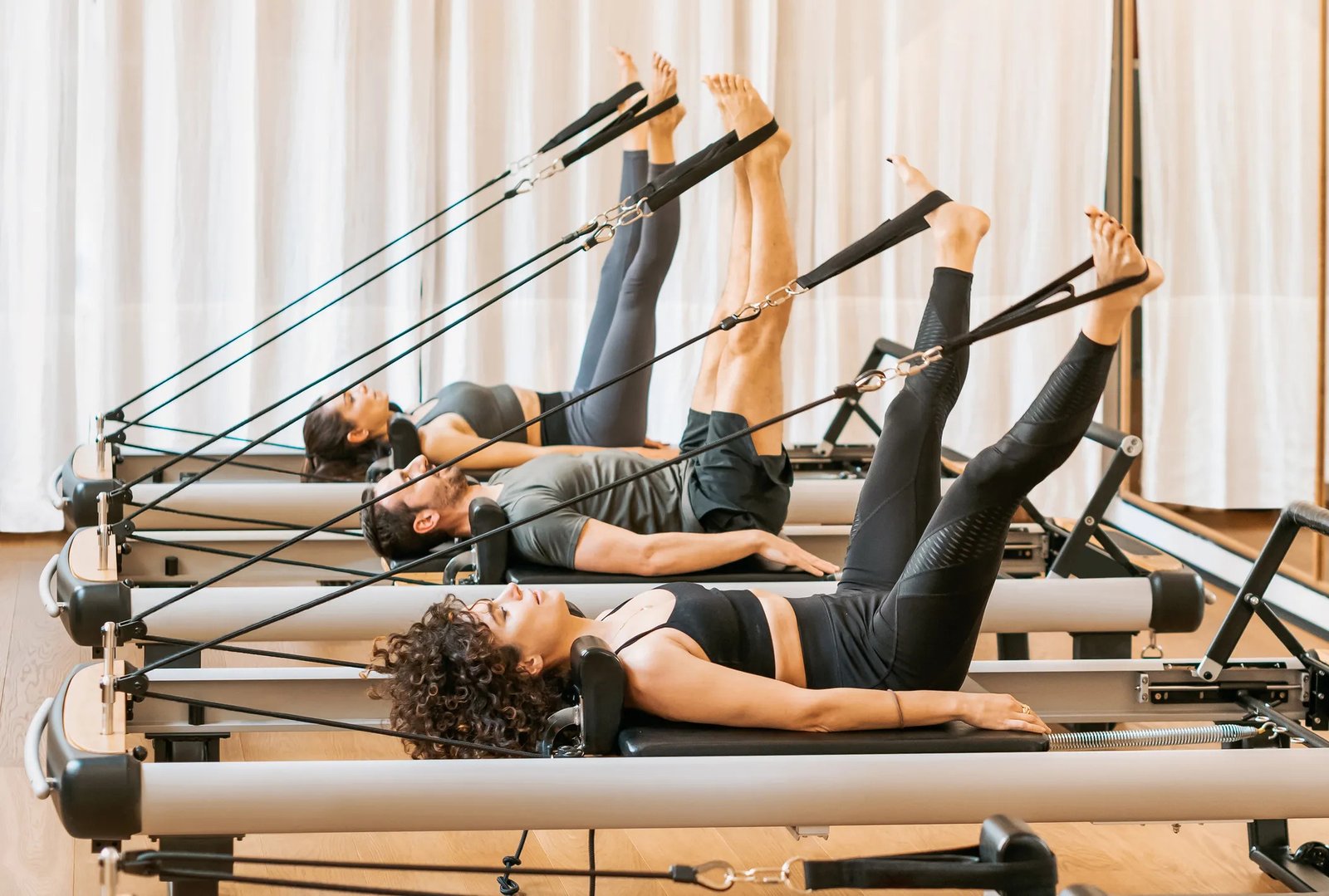
Reformer pilates, a full-body, low-impact workout performed on a machine using springs, straps, and a sliding carriage, has become widely popular for its ability to strengthen and stretch muscles in ways that traditional mat-based pilates cannot. Classes in London often cost between £20 and £37 per drop-in session. However, industry insiders warn that some studios are capitalising on the trend without adhering to recognised standards, leaving participants at risk.

The unregulated nature of pilates means anyone in the UK can claim to be an instructor without formal training. Traditional pilates instructors argue that this has diluted the practice, while newer studios defend their methods as making pilates more accessible. Videos on social media platforms, particularly TikTok, frequently show pilates accidents, highlighting the potential dangers.
Last year, 30-year-old Essex instructor Kirsty Morgan spent seven hours in A&E after a 20kg metal tower attached to a reformer machine fell on her head during a demonstration. Morgan required multiple stitches and a tetanus shot, and was told the incident could have been fatal. Similarly, acclaimed violinist Maya Meron suffered a career-ending injury in 2019 when a proprietary Coreformer machine collapsed at a London studio, breaking her elbow and causing abdominal injuries.
Michael King, a founding member of the Society for the Pilates Method (SPM), warned that large classes with 20 to 25 machines and a single instructor present “a deeply concerning” safety risk. “While some instructors maintain high standards, there are also operators where training is minimal, which can lead to unsafe practice,” he said.
Industry professionals, including solicitor Philippa Wheeler from Leigh Day, emphasised that equipment safety and proper instructor training are critical. Unsafe reformer machines and poor guidance on their use could cause life-changing injuries, she said.

The Pilates Teacher Association and other professional bodies are calling for improved “quality assurance” in the sector. Sarah-Jane Walls, a Glasgow-based pilates teacher and podiatrist, cited trauma injuries, neck strain, and poor core engagement as common problems arising from unsafe practice.
Reformer pilates has transformed the UK fitness landscape, but experts insist that its growth must be balanced with regulation, instructor certification, and rigorous equipment standards. Without these measures, the popularity of pilates could continue to expose participants to unnecessary risks.
Related News:
 Hospice Cuts Raise Alarm Across England Amid Funding Crisis
 Celebrities and Charities Demand UK Government Act on Child Poverty
 Experts Warn on Home Birth Risks, Call for Skilled Midwives
 Patients to Test Health at Home to Ease NHS Winter Pressure
 London’s Childlessness Crisis: Schools Closing as Families Shrink
 North Sea oil workers must lose weight or face job loss
 Seven Conditions That Automatically Qualify You for a Free Bus Pass
 Shouting Works Best to Deter Gulls, UK Study Finds
 Reeves rejects £1bn plea for NHS redundancy payouts
 Leading doctors issue warning amid ‘bad’ flu season
 Working-Class Men with Prostate Cancer Left Behind by NHS
 Senator John Fetterman Hospitalized After Fall from Heart Flare-Up, Keeps Sense of Humor
 New AI tool could cut wasted efforts in organ transplants
 From Baby Teeth to Bioengineering: The Future of Self-Healing Teeth
 Stroke Patient Mistaken for Drunk, Care Delayed
 107-Year-Old Veteran Credits Whiskey for Longevity
 ‘Traumatic Wait’: Northern Ireland Women Face Breast Cancer Delays
 Healthy Habits in Your 30s That Boost Life in Your 70s
 Woman Meets Boy Whose Life She Saved with Kidney
 Scottish Families Take Legal Action Over School CO Leak
 Welsh Government Christmas 2020 Lockdown Criticised
 Coffins Now Too Large to Cremate Amid Rising Obesity Crisis
 NHS paediatric leave parents waiting months for answers
 Vicki Fears Losing Motability Car
 Delhi’s Toxic Air Crisis Leaves Children Sick and Vulnerable
 Five-Year-Old Dies After Rare Tonsil Surgery Complication
 Fibromyalgia Patients Struggle as NHS Fails to Provide Care
 More Patients Now Contacting GPs Online, Data Shows
 Kenya Signs $2.5bn Health Deal with US Amid Data Concerns
 People in England’s Poorest Areas Face Higher Lung Health Emergencies
 Damien Martyn in Induced Coma After Meningitis Diagnosis
 Minor A&E Visits Surge Across England as Hospitals Face Pressure
 Children to Receive Home Vaccines as England Acts
 Ethnic Minorities Face Gaps in Diabetes Tech Access
 Childhood Hypertension Sparks Urgent UK Testing Calls
 Salt Intake England: Crisps Comparison Sparks Health Alarm
 Offenders to Receive Health Support During Probation Appointments
 NHS Violence Crisis: Staff Face Daily Assaults
 Celebrity Campaign Highlights SMA Screening Failures
 Google Removes Some AI Health Summaries Over Safety Concerns
 UK Glaucoma Rise Signals Looming Eye Health Crisis by 2060
 UK ADHD medication use triples over 13 years, landmark study finds
 Reform UK Health Plan ‘Would Cost £1.7bn’, Streeting Says
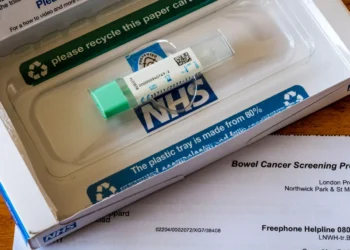 NHS boosts bowel screening accuracy with FIT reform
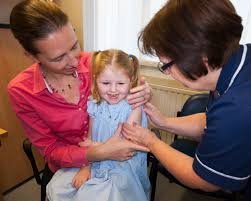 UK loses measles-free status amid deaths and jab decline
 Nottingham survivor warns of repeat attacks without mental health reform
 UK vets face reforms to tackle high pet care costs
 AstraZeneca China Investment Signals Strategic Shift Abroad
 AI breast screening cuts later cancer diagnoses by 12%, study finds
 Study Finds One in Seven England Takeaways Are Dark Kitchens
 Deadly Cancer Postcode Lottery Limits NHS Care
 James Valentine Retires from ABC After Cancer Battle
 Pneumonia Surge Pushes England Emergency Cases Higher
 Most Statin Side-Effects Are Not Caused by Drugs, Study Confirms
 Headline: Measles Alert: Dr Oz Urges Americans to Vaccinate
 Children of Close-Relative Parents Face Higher Mortality Risk in England
 UK MPs Demand Ban on Brazilian Butt Lifts
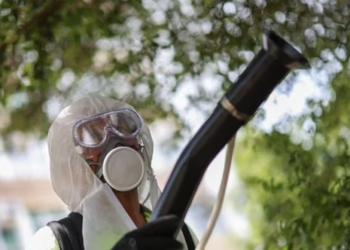 Chikungunya Spread in Europe Climbs as Climate Warms
 NHS Negligence Ruling Raises Payout Costs
 Trans Youth Care Crisis: NY Hospital Ends Gender‑Affirming Treatment
 Half of Britons Avoid GP When Ill, Survey Reveals Growing Concern
 Ayahuasca Psychedelic DMT Shows Potential as Depression Therapy
 Sudden Blindness 2,000 Miles from Home – Alone and Penniless
 NHS Maternity Units Cover Up Harmful Childbirth Errors
 Christina Applegate shares the harsh reality of her daily life
 Tick Bite Tragedy Claims Teen in Meat Allergy Case
 Drop in Overseas Workers Sparks ‘Car Crash’ for UK Hospitals
 Weight Loss Drugs Could Curb Addiction Risk
 Zorevunersen Breakthrough for Dravet Syndrome
 New Zealand Covid Response Praised Despite Lingering Scars
 Taking Multivitamins Daily Could Slightly Slow Ageing, Study Finds
 ‘We can’t go back’: mother of six-year-old cancer survivor fears UK visa changes
 Palantir NHS Contract Sparks Fears Over Data Power
 Social Media Giant Trial Reaches Final Jury Decision
 UK Patients Face Long Journeys as Pharmacies Cut Hours
 Kent Meningitis Outbreak Claims Two Young Lives as Cases Rise
 Charity Watchdog Takes Control of Learning Disability Care Home
 NHS Satisfaction Rises for First Time Since 2019
 Eli Lilly Seeks Higher NHS Prices for UK Investment
 NHS Staff Shortages Stifling Recovery for Stroke Survivors