Published: 04 April 2026. The English Chronicle Desk. The English Chronicle Online
Political language has long been shaped by caution, symbolism and strategic ambiguity, particularly when it concerns matters of war and international conflict. Yet recent remarks attributed to Donald Trump have prompted renewed debate among analysts and linguists about the growing use of unusually direct and aggressive rhetoric in modern political discourse. Observers argue that the language emerging from the current US administration represents a shift away from the traditional use of euphemism toward a more openly confrontational style that emphasises strength and military dominance.
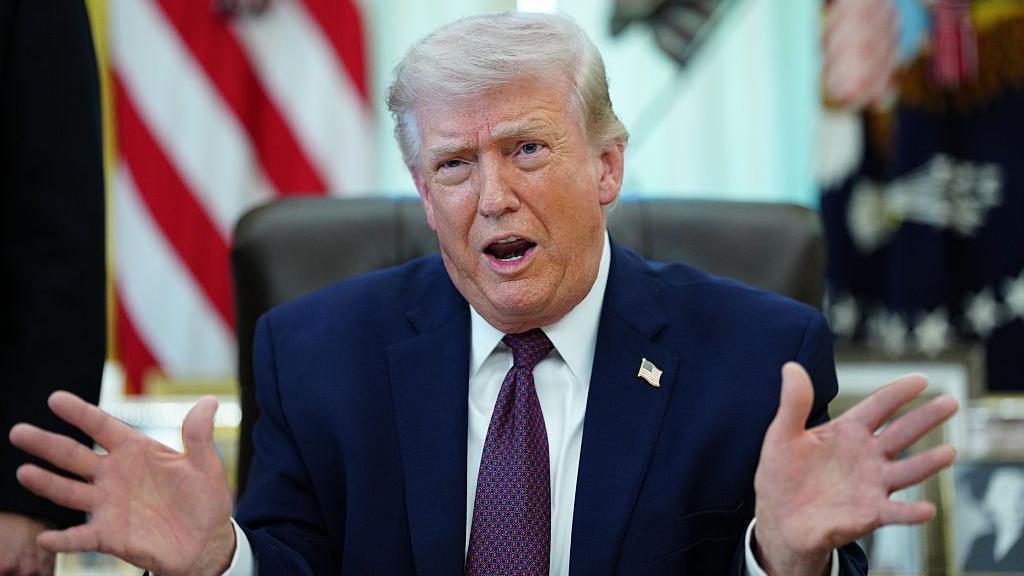
During public comments and media interactions in late March, Trump reportedly used strikingly forceful language when referring to tensions with Iran. Analysts note that such phrasing departs from the historically cautious terminology often used by political leaders when discussing armed conflict or potential military action. Political communication experts say this rhetorical shift is significant because language used by world leaders can influence both domestic perception and international diplomatic relationships.

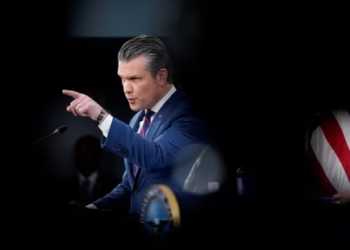
The debate has intensified following remarks by US defence officials, including Pete Hegseth, who described military power in stark terms, emphasising the destructive capability of modern warfare. Critics argue that such language risks normalising extreme violence in public discourse, while supporters contend that direct language reflects strategic clarity and deterrence.
Historically, governments have often relied on carefully selected terminology to frame military operations in ways that appear less confrontational. The United States Department of Defense itself was renamed from the Department of War following the end of the World War II, reflecting a shift toward language intended to emphasise protection rather than aggression. Over the decades, major military campaigns have frequently been assigned names suggesting moral justification or defensive necessity, even when involving large-scale offensive action.
Examples include operations such as United States invasion of Panama, known as Operation Just Cause, and the Iraq War, officially titled Operation Iraqi Freedom. Linguists note that such labels function as rhetorical tools that shape public perception, often framing conflict in terms of justice, liberation or stability.
Commentators suggest that recent statements represent a rhetorical departure from this tradition. Instead of relying heavily on softened terminology, some officials have adopted language that emphasises power and destructive capability. Analysts say this approach may be intended to project confidence and resolve, particularly during periods of geopolitical tension.
Scholars of political language often distinguish between euphemism, which softens the emotional impact of difficult realities, and dysphemism, which intentionally emphasises harshness. In contemporary political communication, dysphemistic language is more commonly directed toward opponents, often portraying adversaries in highly negative terms. The use of similarly harsh language to describe one’s own military actions is considered unusual in modern diplomatic practice.
Observers note that the communication strategies of global leaders frequently reflect broader political branding efforts. Strong rhetoric can energise political supporters who favour assertive leadership styles, while critics warn that highly confrontational language may complicate diplomatic efforts or increase the risk of escalation in sensitive geopolitical contexts.
Some analysts also highlight economic dimensions of military policy debates, noting that defence spending often influences industrial investment patterns and national economic priorities. Reports in financial media have raised questions about potential links between geopolitical tensions and market movements involving defence-related companies, although such claims remain subject to ongoing scrutiny and verification.
The rhetorical approach has also prompted comparisons with language used by other world leaders in recent conflicts. For example, Vladimir Putin has described Russia’s actions in Ukraine as a “special military operation”, illustrating how terminology can influence public perception of military activity. Analysts note that political leaders often adopt language that reflects domestic political narratives while attempting to shape international understanding of their strategic objectives.
The discussion surrounding political language has revived interest in the writings of George Orwell, whose work explored the relationship between language, power and political manipulation. Orwell’s famous novel Nineteen Eighty-Four examined how governments can use language to influence perception of truth and reality, themes that remain relevant in contemporary debates about political communication.
Supporters of more direct language argue that clarity can help reduce ambiguity in international relations, potentially strengthening deterrence by signalling firm policy positions. Critics counter that extreme rhetoric risks oversimplifying complex geopolitical realities and may contribute to increased polarisation both domestically and internationally.
Diplomatic experts emphasise that language plays a critical role in shaping negotiations, alliances and conflict resolution processes. Historically, careful wording has often allowed opposing sides to maintain dialogue even during periods of intense disagreement. As a result, shifts in rhetorical style are closely analysed by foreign policy specialists seeking to interpret potential policy directions.
Despite differences in interpretation, most analysts agree that communication strategies form an integral part of broader geopolitical dynamics. Public statements by political leaders can influence financial markets, diplomatic relationships and public opinion across multiple countries. The language used in discussions of war and peace therefore remains a matter of significant international interest.

The evolving debate surrounding political rhetoric reflects broader tensions in global politics, where strategic messaging increasingly intersects with media attention and digital communication platforms. As international conflicts continue to shape the global agenda, the tone and content of political speech are likely to remain central to discussions about diplomacy, ethics and the future of international relations.
Ultimately, the controversy highlights the enduring importance of language in shaping political reality. Whether interpreted as strategic clarity or rhetorical escalation, the words chosen by global leaders can influence perceptions of legitimacy, responsibility and moral authority. As geopolitical tensions continue to evolve, the role of language in political decision-making will remain a critical subject of analysis for policymakers, scholars and the public alike.
Related News:
 Putin Intensifies Territorial Demands Before US Talks
 Trump to Recheck Green Cards from 19 Nations After DC Attack
 Russia losses Ukraine war peace talks intensify amid rising deaths
 Trump Escalates Minnesota Immigration Surge Amid Rising Tensions
 Greenland Faces Pivotal Summit Over Arctic Power Struggle
 Trump Threatens Strong Action If Iran Executes Protesters
 Trump Receives Machado’s Nobel Medal in White House Meeting
 EU Says US Ties Have Suffered ‘Big Blow’ After Greenland Crisis
 Thousands Protest ICE Operations in Nationwide US Day of Action
 Epstein Files Reveal Trump Officials’ Emails with Financier
 Thousands Protest ICE in New York Against Trump Deportation Campaign
 Trump Praises ‘Terrific’ Petro After White House Talks
 Clinton Testimony Erupts in Fiery Exchange
 Trump Faces Questions Over Iran Conflict Plan
 UK Prepares Aircraft Carrier for Middle East Crisis
 Pete Hegseth Iran War Remarks Spark Alarm
 Trump Faces New Warning Signs as Iran War Hits Home
 BBC to Apologise Over Edited Trump Speech Amid Backlash
 Britain deploys RAF specialists to assist Belgium with drone threats
 US Justice Department Files Lawsuit Against California Over Partisan Voting Maps
 Greene Pushes Epstein Files Amid Trump Fallout
 Trump Deploys DHS to Charlotte in Major Arrest Operation
 December Run-Off in Chile as Election Produces No Winner
 Canada Passes Carney’s First Budget in Tight Parliamentary Vote
 Shadow Fleet at Sea: Europe’s Battle Against Illicit Oil Shipping
 Pentagon Officials in Ukraine to Discuss War End
 Venezuela Threatens Nobel Winner Machado with Fugitive Status
 Two National Guard Soldiers Critically Injured Near White House
 Georgians Defy Government Crackdown After Year of Protests
 US National Guard Member Killed in DC Shooting
 EU plans $105bn Ukraine aid using frozen Russian assets
 American Mother Extradited From UK to U.S. on Murder Charges
 US Cities Erupt in Protests Against Trump’s Venezuela Military Action
 Albanese Opens Door to Bondi Royal Commission Amid Rising Pressure
 Iran Protesters Defy Crackdown as Violent Clashes Intensify
 Homeland security agents deployed amid Minneapolis protests
 US Clears Nvidia AI Chip Sales to China in Policy Shift
 Machado Trump medal gesture reshapes Venezuela power struggle
 EU weighs response amid Greenland tariff crisis with Trump
 ICE street raids expose a chilling future for public freedoms
 Andrew Hastie Emerges as Leadership Rival to Ley
 Starmer China visit raises human rights pressure on Beijing
 Videos reveal earlier clash before Alex Pretti shooting
 Israel Moves to Bar MSF From Gaza Operations
 Fears of New Arms Race as US-Russia Nuclear Weapons Treaty Expires
 Sydney Protest Escalates and Elderly Woman Suffers Severe Injury
 Nurses’ families fear breakup under UK immigration crackdown
 Tarique Rahman’s Rise Toward Bangladesh’s Top Job
 Australian Families Leave Syrian Camp for Home
 Trump Attacks UK-California Energy Pact
 Kim Jong-un Unveils Housing for War Families
 Stephen Colbert Says CBS Spiked Interview With Democrat Over FCC Fears
 Trump and Chagos Deal Rift Over Iran Strikes
 Andrew Arrest Sparks Republic Debate in Australia
 Global corruption crisis: Who Washington shields
 Farage Chagos Islands Row Sparks Fury
 Trump Speech Sparks Intense Debate Across Divided America
 Jacinda Ardern Moves To Australia Following Her US Fellowships
 Has Europe truly learned from the failures of 2022?
 American Citizen Killed in Cuba Boat Shooting, U.S. Officials Say
 Herzog Asio meeting sparks security storm
 Texas Senate seat fight heads to runoff as votes split
 US Senate Backs Trump War Powers Amid Iran Missile Barrage
 Thousands Protest Iran Strikes Outside US Embassy London
 US Bombers Arrive at RAF Base Amid Rising Iran Tensions
 Trump Pressures Congress Over Save America Act
 Iran War Puts Trump at Political Risk Amid Rising Prices
 Iranian Football Squad Asylum Drama Shocks Australia
 Queensland Protest Laws Spark Free Speech Backlash
 Eswatini Deal Sparks Global Outcry Over US Deportations
 Yvette Cooper: UK Must Follow Principles, Not US Pressure
 Trump Iran War Stance Hardens as Conflict Widens
 Hormuz Strait Crisis: Trump Pressures Allies to Act
 Trump Nato threats expose Iran strategy vacuum
 Trump’s Confidence Undimmed — But Every Iran Option Carries Risk
 Philippines energy emergency sparks coal power surge
 Trump Iran Plan Faces Doubts Amid Renewed Tensions
 Trump Facing Backlash from Epstein Survivors Over Files
 Can Congress Stop US Sports Teams From Moving Cities?
 Can King Charles Calm Trump on Key US Visit?