Published: April 6, 2026
The English Chronicle Desk
The English Chronicle Online
Category: Life & Society
Subcategories: Animals, Behaviour, Social Media
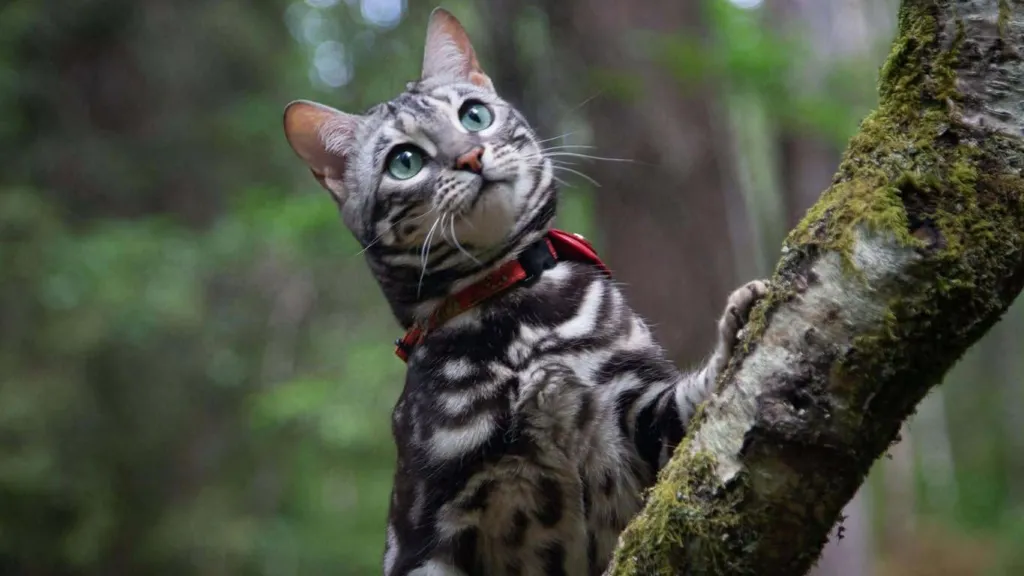
Walking cats on a leash has become a visible social media trend, driven largely by short-form videos showing pets strolling through parks, streets, and curated urban spaces. While the clips often attract attention and engagement, veterinarians and animal behaviourists remain divided on whether the practice benefits the animal or primarily serves human entertainment.

Unlike dogs, domestic cats are not evolutionarily adapted for structured outdoor walking. Their behaviour is strongly territorial and environment-sensitive, meaning unfamiliar sounds, smells, and open spaces can trigger stress responses rather than enjoyment. Experts note that forcing an unprepared cat into outdoor walks can result in fear, escape attempts, or long-term anxiety.
However, controlled leash training can be beneficial in specific cases. Indoor cats with stable temperaments may gain mental stimulation from supervised outdoor exposure, provided the process is gradual and the animal is properly acclimatised using harness training indoors first. In such scenarios, the walk functions less as exercise and more as sensory enrichment.
Veterinary guidance typically emphasises individual variation. Some cats demonstrate curiosity and adaptability, showing calm behaviour when securely harnessed. Others exhibit freezing, vocal distress, or aggressive resistance, all of which are interpreted as signs the experience is unsuitable for them.
Critics of the trend argue that social media incentives can distort judgement, encouraging owners to prioritise visually appealing content over animal welfare. The framing of “aesthetic walks” in viral videos can obscure the underlying stress signals that are not always apparent on camera.
Proponents counter that responsible leash walking, when done correctly, can expand an indoor cat’s environment and reduce boredom-related behaviours. They argue that the key factor is not the activity itself, but the owner’s understanding of feline psychology and pacing of exposure.
Animal welfare organisations generally advise caution. They recommend secure harness systems designed specifically for cats, quiet and controlled environments, and immediate cessation if signs of distress appear. They also stress that outdoor access is not a necessity for all cats and should never be treated as a default enrichment method.

Ultimately, the debate reflects a broader tension between digital culture and animal welfare ethics. What appears as harmless content online may represent a complex behavioural adjustment process for the animal involved.
For many experts, the central question is not whether cats can be walked, but whether they should be—based on the individual animal’s temperament rather than the expectations of a digital audience.
Related News:
 South Africa’s Garden Route Gem Faces Looming Water Crisis
 Labour Utterly Humiliated by Straight-Talking Mum Who Cut Through Keir Starmer’s Insanity
 Royal Family LIVE: ‘Pariah’ Andrew Mountbatten-Windsor Sparks Fresh Revolt Among Staff
 Renters Furious as Decent Homes Standard Delayed Until 2035
 Palmerston, Former Foreign Office Chief Mouser, Dies
 The Victorian aristocrat who became Britain’s first Muslim lord
 FLOOD TRAGEDY: Man Dies After Entering Floodwater During Police Chase
 Motorists Could Face ‘Mandatory’ Driving Ban for Road Offences Under Tougher Laws
 Royal Mail Blames Poor Weather and Sickness for Delayed Deliveries
 US Civil Rights Leader Jesse Jackson Dies Aged 84
 Disability and LGBT Hate Crimes Set to Become Aggravated Offences
 Snow and Rain Warnings as Cold Snap Continues in the UK
 Flooding May Worsen Before It Improves as More Rain Forecast for the UK
 Teacher Who Lied About Cambridge Degree Banned From Profession
 Last‑ditch Call to Save Police Front Counters in London
 Epstein Eyed Record Label Investment to Access Women, Files Suggest
 Dad Found in Bed with Daughter 16 Years After Abandoning Her as a Child
 Store at Famous Shopping Village to Close After 18 Years Due to Rising Costs
 ‘Don’t Make Us Security Guards,’ Says Teacher Stabbed by Pupil
 ‘A Disgrace’ — Patient Blasts Neurology Report
 Toddlers in Finland Lead the Fight to Save Sámi Language
 ‘We Pray for Peace’: Indian Filmmaker From Troubled State Who Won a BAFTA
 Will the New SEND Reforms in England Work? You Have Your Say
 BBC Edited a Second Racial Slur Out of BAFTA Ceremony
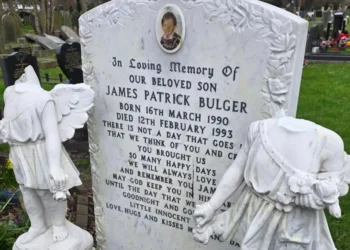 Grave of Murdered Toddler James Bulger Vandalised
 ‘I Almost Died After a Touch‑and‑Go C‑Section’
 Vegetarian Diet Linked to Lower Risk of Several Cancers
 ‘It’s Joy in a Pot’: Why Houseplants Could Make You Happier
 Calls Grow to Remove Billboard Following Lyra McKee Graffiti
 David and Victoria Beckham Wish Brooklyn Happy Birthday Despite Family Feud
 ‘Every Day Feels Like a Month’: Iranians Describe Life Under ‘Constant’ US‑Israeli Strikes

 Woman, 29, ‘Chucked’ Into Care Home 100 Miles Away
 Tears and Cheers as Controversial Long‑Running Australian Breakfast Radio Show Implodes
 My One-Hour Flight Transfer Left Me Facing 10 Days Stuck in a City Under Attack
 Community farm appeal to cover thousands in repairs
 Guernsey Mother Breaks Down After £11,500 Battery Waste Fine
 Labour Faces Backlash Over Conscription Warning
 Father Dies by Suicide Weeks After Wedding in Clitheroe
 Sarah Ferguson Loses Another £1.5m Amid Financial Struggles
 SNP Health Secretary Criticised Over NHS Failures Locally
 Courier Firm Bust After 14 Years as Evri Deliveries Face ‘Temporary Disruption’
 Teen Wins Payout After TRNSMT Crush Horror
 Noma Head Chef Resigns Amid Abuse Allegations
 Scotland World Cup Party in Boston Gets Green Light After Security Breakthrough
 Biker Suffers Fractured Spine After Hitting Pothole in Edinburgh
 Scots Head Teacher Pays Tribute to Teen Who Died in Car Fire
 Travel Chaos on M8 and M74 Amid 70 mph Gales as Trains Also Cancelled
 ‘Heating Oil Suppliers Are Holding Us to Ransom’ as Prices and Cancellations Surge
 Rare Glimpse of Historic Bridge Thanks to Low Tide
 Second Man Arrested Over ‘Gunshot’ Death of Young Dad in Motherwell Home
 Prisoner: Cell Block H Star Wendy Playfair Dies Aged 99
 Rapist Caught After Victim Calls Police Mid-Attack
 Nepal to swear in ex-rapper as new prime minister
 Missing Cuba-Bound Aid Ships Spark Urgent Search
 Families Tortured by Authorities During Investigations Inquiry Told
 Watchdog Probes Police Handling of Andrew Tate Abuse Claims
 ‘Teenage Me Could Not Have Imagined This’ Says First Female Archbishop
 The High Cost of Survival: How the 2026 Fiscal Outlook is Redefining British Life
 Safety Fears at New £200m Maternity Unit: Mums-to-Be ‘Put at Risk’
 Dawn Raids in Scotland and Spain: Eight Arrested in Major Organised Crime Sting
 US Lawmaker Demands Testimony Over Sarah Ferguson’s ‘Close Epstein Ties’
 The Last of the Lords: Two Hereditary Peers to Retain Ceremonial Roles Amid Historic Ousting
 Spring Awakening: Temperatures to Hit 17°C as Britain Bathes in Sunshine
 Fuel Famine: How African Nations are Rationing Power and ‘Diluting’ Petrol to Survive
 ‘My Daughter is Under the Rubble’: The Human Cost of the Tehran Strikes
 ‘Eye in the Sky’ Blinded: Photos Reveal Destroyed US Radar Jet at Saudi Base
 ‘Full and Immediate Access’: Netanyahu Reverses Palm Sunday Ban on Latin Patriarch
 Four Teens Charged After Assault on Rescue Volunteer and Dog
 Woman Deported from China Over Manx Passport Mix-Up
 Schools Lack Staff to Make SEND Reforms Work, Union Warns
 Joanna Lumley: ‘I Wash My Face with Whatever Soap’s Lying on the Side of the Bath’
 ‘My Hatred of Dogs is Ruining My Love Life’
 How the King Became the Jewish Community’s Greatest Ally
 John Bengtson: The ‘Silent Film Sleuth’ Who Found History in the Background
 ‘The Final Word’: Kathleen Stock’s Polemic Against Assisted Dying Reshapes the UK Debate
 ‘The Cost of Living’: Asia’s Migrant Workers Debate if Gulf Jobs are Worth the Risk of War
 British Businesses Braced as National Living Wage Hits £12.71 Published: 1 April 2026
 National Treasure: Raja Ravi Varma Masterpiece Smashes Indian Art Record with $17.9m Sale
 Pope Leo Urges Peace in First Easter Mass Address