Published: April 7, 2026. The English Chronicle Desk. The English Chronicle Online — Analyzing the intersection of British identity and foreign policy.
Reform UK has ignited a firestorm of political debate by proposing a radical new immigration policy that would see the United Kingdom halt the issuance of visas to nationals from countries currently seeking slavery reparations. The proposal, unveiled by party leadership during a campaign event in the West Midlands, suggests that any nation demanding financial compensation for historical grievances related to the British Empire should be met with an immediate “visa brake.” Party leaders argue that the move is necessary to protect British taxpayers from “extortionate” demands and to signal that the UK will not be bullied by foreign governments over its colonial history.

The policy would specifically target countries within the Caribbean Community (CARICOM) and other Commonwealth nations that have recently intensified their calls for a multi-trillion-pound reparatory justice framework. Under the Reform UK plan, all non-essential visa categories—including student, work, and tourist visas—would be suspended for citizens of these countries until their governments formally drop all claims for reparations. This “reciprocity of respect” model, as proponents call it, is designed to ensure that the UK only maintains open-border relationships with nations that “respect the sovereign history and financial integrity” of the British state.
Critics and human rights advocates have slammed the proposal as “diplomatic arson” and “blatantly discriminatory.” Legal experts have pointed out that such a policy would likely face immediate challenges under international law and the UK’s own Equalities Act, as it punishes individual citizens for the diplomatic stances of their governments. Furthermore, economists have warned that a sudden halt to visas from these regions could exacerbate labor shortages in the NHS and the social care sector, which rely heavily on Commonwealth talent. However, Reform UK leadership has dismissed these concerns, insisting that the British public is “tired of apologizing” and wants a government that puts domestic financial stability ahead of international virtue signaling.
The rhetoric reflects a broader shift in the party’s 2026 platform toward a more aggressive “British-first” internationalism. By linking immigration policy directly to historical debate, Reform UK is tapping into a significant “culture war” fault line that resonates with voters who feel that modern institutions have become too apologetic regarding the British Empire. The party claims that the cost of defending the UK’s history should not be borne by the “working man and woman,” and that those who seek to “empty the national coffers” through reparations should not expect their citizens to enjoy the privilege of working or studying in the UK.

As the 2026 local elections approach, this proposal is expected to dominate headlines and force other major political parties to clarify their own stances on reparations and colonial history. While the Labour and Conservative parties have largely attempted to navigate the reparations issue through diplomatic engagement and educational initiatives, Reform UK’s binary approach offers a stark alternative for those seeking a total break from the reparatory justice movement. For now, the “no reparations, no visas” pledge stands as one of the most provocative immigration policies in modern British history, threatening to fundamentally alter the UK’s relationship with its former colonies.
Related News:
 UK Must Act with Courage and Clarity on Israel-Palestine Conflict, Says Foreign Affairs Committee Report
 Starmer and Trump to Meet in Scotland Amid Growing Gaza Ceasefire Pressure
 MPs Call on UK Government to Delay Biometric Visa Checks for Gaza Students Amid Humanitarian Crisis
 Radioactive Leak at UK’s Nuclear Warhead Base Sparks Outcry Over Safety and Secrecy
 Mutual Inconvenience: Why Alaska Was Chosen for the Trump-Putin Summit on Ukraine
 “I Don’t Expect to Live a Normal Life”: How a Leeds Teenager Became the Target of a Chinese Bounty
 Ministers Accused of Defamation Over Palestine Action Ban and Mass Arrests
 Is the UK Ready to Put Boots on the Ground in Ukraine? Assessing Military Capacity and Challenges
 Protests Expected as Israeli Arms Firms Join Global Defence Trade Fair in London
 UK Home Office to Launch French Beach Signage to Warn Asylum Seekers of Risks
 UK Immigration Figures: Separating Facts from Perceptions
 Far-Right Rally in London Draws Record Crowds Amid Clashes with Police
 Thousands Gather in London to Protest Donald Trump’s Second UK State Visit
 Trump Urges UK to “Call Out the Military” to Secure Borders Amid State Visit
Trump’s UN Speech Criticises London and UK Policies, Draws Far-Right Attention
Trump Urges UK to “Call Out the Military” to Secure Borders Amid State Visit
Trump’s UN Speech Criticises London and UK Policies, Draws Far-Right Attention
 UK Fighter Jet Purchase Could Breach Nuclear Treaty, Warns CND
 A Third of EU Citizens in UK Report Discrimination by Public Bodies Post-Brexit
 Jailed Georgian Opposition Leaders Warn UK of Iranian Links to Ruling Party
 Russia repeatedly targets UK military satellites, warns Space Command chief
 Pro-Palestine March to Proceed in London Despite Calls to Cancel After Manchester Attack
 UK Universities Warn Students Ahead of 7 October Pro-Palestine Protests
Starmer Considers Stricter Measures on Pro-Palestinian Protest Chants
UK Universities Warn Students Ahead of 7 October Pro-Palestine Protests
Starmer Considers Stricter Measures on Pro-Palestinian Protest Chants
 Public Trust in SNP Hits Historic Low Amid NHS Concerns
 Tony Blair Met Jeffrey Epstein at Downing Street in 2002
 Johnson Suggests Mandelson Linked to China Spy Controversy
 Witness statements reveal the CPS China spy row collapse in the UK
 Large scale Chinese spying in UK sparks political storm
 Nigel Farage Calls Vladimir Putin ‘A Very Bad Dude’
 Rachel Reeves signals welfare reform ahead of key budget
 Prince Andrew met alleged Chinese spies during Pitch@Palace China trips
 Kosovo agrees to host Britain’s refused asylum seekers
 Plaid Cymru Triumphs in Caerphilly, Ending Labour Century-Long Hold
 Rachel Reeves to lead UK trade push in Saudi Arabia amid rights debate
 British Woman in Iran ‘Losing Hope’ Amid Ongoing Detention
 Johnson Approved China’s London ‘Super-Embassy’ in 2018
 BBC Journalist Held and Interrogated in Vietnam
 BBC director-general and news chief resign amid bias row
 New review urges UK to repatriate Shamima Begum, others from Syria
 Rama Rebukes Mahmood for Targeting Albanian Families
 Russian Vessel Used Lasers on RAF Pilots, UK Claims
 Britain Demands Israel Reverse Ban on Aid Groups
 US Africa aid remarks spark anger after leaked State email
 Trump Pulls Canada from His Controversial ‘Board of Peace’ Plan
 Starmer China visit raises human rights pressure on Beijing
 Emails Show Epstein Funded Mandelson’s Husband After Jail
 Cory Bernardi joins One Nation for SA election
 Starmer Condemns ‘Depraved’ Russian Strikes on Ukraine
 Russia Trolls Savage ‘Finished’ Keir Starmer After Mandelson Scandal Explodes
 Starmer Weighs Fast-Tracking Defence Boost
 Trump Warns Over Chagos Islands Deal
 Trump and Chagos Deal Rift Over Iran Strikes
 How Much Could Andrew’s Arrest Hurt the Royal Family?
 Andrew Mountbatten-Windsor Arrest After FBI Radar
 UK Has Not Given US Permission to Use RAF Bases for Iran Strikes
 Australian PM Says Former Prince Andrew Has Suffered ‘Extraordinary Fall’ but That Won’t Prompt Republic Referendum
 Farage Chagos Islands Row Sparks Fury
 Trump Tariffs Threat Spark UK and EU Alarm
 Town Vigil Marks Four Years of Ukraine War
 New Zealand Backs Removing Andrew From Royal Line of Succession
 Green Party Triumphs in Gorton and Denton By‑Election
 UK Allows US Base Use Amid Iran Tensions
 Britain’s Position and Trump Vows to Press On in Iran Conflict
 Starmer Speaks to Trump After UK Joins Defensive Operation
 UK Will Allow US to Use Bases to Strike Iranian Missile Sites, PM Says
 Cooper: Joining US Strikes on Iran ‘Not in Britain’s Interest’
 Sarwar Rejects Father’s Tribute to Iran’s Supreme Leader
 Muslim Group Wants Mosques to Be Used as Polling Stations Ahead of UK Elections
 Trump Rebukes Starmer Over Iran Strikes Row
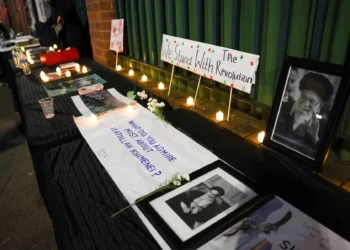 Manchester Students Mourn Ayatollah Amid Protest
 Minister Meets Crews Who Will ‘Take Out’ Iranian Drones
 UK Prepares Aircraft Carrier for Middle East Crisis
 UK–US Tensions Ease as Starmer and Trump Hold First Call Since Iran Row
 Gordon Brown urges court for crimes against children
 Yvette Cooper: UK Must Follow Principles, Not US Pressure
 Fox News Cut In Over Trump King Charles Claim
 UK Minister Denies Iran Missile Threat to Britain
 UK Forces Ready to Seize Russian Shadow Fleet Vessels
 ‘Pigs Don’t Get Fatter by Being Weighed’: Teachers Vote to Boycott New Year 8 Reading Test
 Starmer Signals “Ambitious” Shift Toward EU as Iran War Strains US Ties
 Belfast City Council Pushes Ahead with Irish Signs Despite Local Opposition