Published: April 8, 2026. The English Chronicle Desk. The English Chronicle Online — Celebrating the heritage of the rails that built the modern world.
The rhythmic clatter of iron on steel and the unmistakable scent of coal smoke returned to the British countryside this week as a meticulously restored museum train began its nationwide tour to celebrate 200 years of passenger rail. Two centuries ago, the opening of the Stockton and Darlington Railway changed the course of human history, shrinking distances and accelerating the Industrial Revolution. To mark this monumental bicentennial, a “living time capsule” on wheels has set off from Shildon, pulling a collection of carriages that span the Victorian era to the sleek, streamlined mid-century designs that once defined the “Golden Age” of travel.

The centerpiece of the celebration is a functional replica of George Stephenson’s Locomotion No. 1, which led the inaugural procession in 1825. Seeing the ancient, spindly machine chugging alongside modern electric commuters provides a “seismic” visual contrast, reminding onlookers of the humble, shaky beginnings of a technology that now spans the globe. The museum train is not merely a static display; it is a rolling exhibition featuring interactive galleries that detail the social impact of the railway, from the “Standardisation of Time” to the rise of the annual seaside holiday.
The tour comes at a significant moment for the UK’s transport sector, which is currently navigating its own modern transition toward high-speed rail and decarbonization. While the museum train celebrates the past, it also serves as a poignant “Life & Society” commentary on the future of connectivity. Rail enthusiasts and families have lined bridges and stations across the North East to catch a glimpse of the “Iron Horse,” with many older generations sharing stories of the steam-clogged platforms of their youth. For the children in the crowd, the massive, puffing engine represents a tactile connection to a history that often feels trapped in textbooks.
However, operating a coal-fired steam engine in 2026 is not without its “bum notes.” Organizers have had to navigate strict modern environmental regulations, using specially treated “low-emission” smokeless fuel to ensure the tour complies with the latest Net Zero air quality standards. The logistical feat of moving 19th-century hardware across a 21st-century network—integrated with AI-managed signaling and high-frequency schedules—has required months of coordination with Network Rail. It is a delicate dance between the heritage of the past and the efficiency of the present.

As the museum train makes its way toward London for a grand finale at King’s Cross, the bicentennial serves as a reminder that the railway was the first “internet”—the first network to truly connect disparate communities and ideas. The “200 Years of Rail” tour is more than a nostalgia trip; it is a tribute to the engineering spirit that dared to imagine a world where time and space were no longer barriers. For those lucky enough to hear the whistle echo through the valleys this week, the sound is a heartbeat of history that still beats strong two hundred years later.
Related News:
 Rare Glimpse of Historic Bridge Thanks to Low Tide
 How to Exit Your Broadband Contract Without Paying Exit Fees
 Michele Dougherty Makes History as the UK’s First Female Astronomer Royal
 Unseen Killers of the Deep Inside the UK Lab Uncovering the Silent Deaths of Sea Creatures
 UK Launches World-First Gonorrhoea Vaccine Amid Record Infection Surge
 Mind the Grab’: Bold Campaign Launched on Oxford Street to Combat Phone Theft
 AI Tools Used by English Councils Found to Downplay Women’s Health Issues, Raising Concerns Over Gender Bias in Care
 From ‘Skibidi’ to ‘Mouse Jiggler’: Cambridge Dictionary Expands with Modern Slang and Social Terms
 Shocking Rise in Children’s Exposure to Violent Online Pornography Raises Alarm
 Ed Davey Urges Government to Block Elon Musk’s Tesla from Supplying UK Home Energy
 Britain’s Butterfly Numbers Rebound but Remain Average
 UK Could Generate Nearly £2bn Annually by Taxing SUVs, New Study Reveals
 Jaguar Land Rover Extends Production Halt Following Cyber-Attack
 Persistent Offenders Owe Over £700m in Ulez Fines as TfL Cracks Down on Evasion
 British AI Startup Outshines Human Forecasters in Global Prediction Contest
 UK Fighter Jet Purchase Could Breach Nuclear Treaty, Warns CND
 Omeprazole Alert: NHS Issues Guidance on Safe Use for Heartburn and Indigestion
 Royal Mail Owner Acquires Stake in Collect+ and Launches High Street Rebrand
 Eligibility Confusion Over COVID Vaccination Leaves Pharmacies Struggling Across the UK
 Millions in the UK at Risk of Cyber-Attacks as Microsoft Ends Windows 10 Updates, Warns Which?
 Majority of UK Men Would Opt for Prostate Cancer Screening, Survey Finds
 Cooper Unveils £4m Cyber Plan Against Russian Hackers
 Survey Shows Most GPs Rushing Appointments
 Yvette Cooper Backs Digital ID Plan for UK Teens
 Genetic Tests May Predict Return of Blood Cancer
 UK Woman Becomes Longest Survivor of Heart-Lung Transplant
 Labour MPs Warn Digital ID Scheme Risks Cost and Support
 Thousands in the UK sue Johnson & Johnson over alleged talcum powder, linked to cancer
 ‘Game-Changing’ HIV Prevention Jab Set for NHS Approval
 Reform UK candidate fined £19,000 after using AI-generated cases to challenge election
 Harry and Meghan join global AI leaders urging superintelligence ban
 UK Campaigners Launch Bill to Grant Legal Rights to Nature
 Met Launches Drones to Respond Rapidly to 999 Calls
 UK Bans Fake Numbers: Scammers Lose Their Trick
 Patients to Test Health at Home to Ease NHS Winter Pressure
 Government urges schools to ban phones to curb classroom disruption
 Northern Lights may illuminate UK skies this week
 Valve Opens the Door for Android Games on Steam
 UK launches major AI drive to fight deadly superbugs
 Coffins Now Too Large to Cremate Amid Rising Obesity Crisis
 UK Taskforce Unveils Plan to Streamline Nuclear Reactor Rules
 NHS paediatric leave parents waiting months for answers
 Ofcom urges platforms to limit abuse and curb online ‘pile-ons’
 Starmer’s communications chief to outline media strategy overhaul
 AI Grok Sparks Child Safety Alarm in the UK
 Amazon Milton Keynes closure sparks concern for UK warehouse workforce
 Robo-Vaccination Could Transform Fight Against Bovine TB
 MPs warn AI financial risks threaten UK stability
 MPs warn AI financial risks threaten UK stability
 Pornhub blocks new UK users over age checks dispute
 UK New Car Discounts Near £6,000 as Prices Are Slashed
 How to Get the Best View of the Northern Lights in 2026
 The Victorian aristocrat who became Britain’s first Muslim lord
 Dual Nationals Face Scramble for UK Passports as New Rules Come Into Force
 Chasing the Next Solar Eclipse: When, Where and How to See It
 Bumper Ski Season but Avalanches Threaten Scotland’s Snowy Hills
Storm Hernando: Edinburgh Airport Flights Cancelled in US Travel Chaos
Bumper Ski Season but Avalanches Threaten Scotland’s Snowy Hills
Storm Hernando: Edinburgh Airport Flights Cancelled in US Travel Chaos
 Luxury Airbnb Cabins With Hot Tubs Must Be Demolished After Planning Ruling
 Facial Recognition Error Leads to Wrongful Arrest in Milton Keynes
 Rolling Hills and Heritage: A Car-Free Break in Leicestershire
 UK’s First Geothermal Plant Powers 10,000 Homes
 UK Social Media Ban for Under-16s Gains Momentum
 UK Teen Social Media Ban Trials Begin
 Islanders Advised on Travel to Middle East Amid Escalation
 Water Cremation Introduced in UK First
 Streeting Criticises SNP Over NHS App Dispute
 Ministers Urged to Act Faster on Deepfakes Threat
 easyJet Edinburgh Flight Diverts to Manchester After Mid‑Air Emergency
 Bank of Scotland App Glitch Lets Customers See Other Users’ Transactions

 Charred 1940s Paper Found Miles From Fire Site
 Charity Watchdog Warns Alan Turing Institute Over Conduct
 The Darker Side of the Diary: Samuel Pepys and the Slave Trade
 Spring Awakening: Temperatures to Hit 17°C as Britain Bathes in Sunshine
 Councils Pressed to Use Universal Parking App to Cut ‘Unfair’ Fines
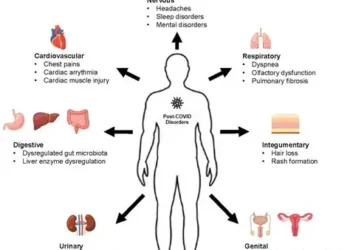 ‘Zoom Dysmorphia’ Explosion: BDD Patients Quadruple in Post-Pandemic UK
 ‘The Insulation Trap’: Knifeman Discovered Hiding Under Loft Padding After Six-Hour Standoff
 EU Biometric Border Checks Delayed for UK Travellers
 Voices of the Vanguard: ‘Audio Time Capsule’ of Disability Rights Pioneers Discovered
 ‘The Best Decision I Ever Made’: A Mother’s Viral Plea After a Near-Miss with Lung Disease