Published: April 8, 2026. The English Chronicle Desk.
The English Chronicle Online — Documenting the return of humanity to the stars.
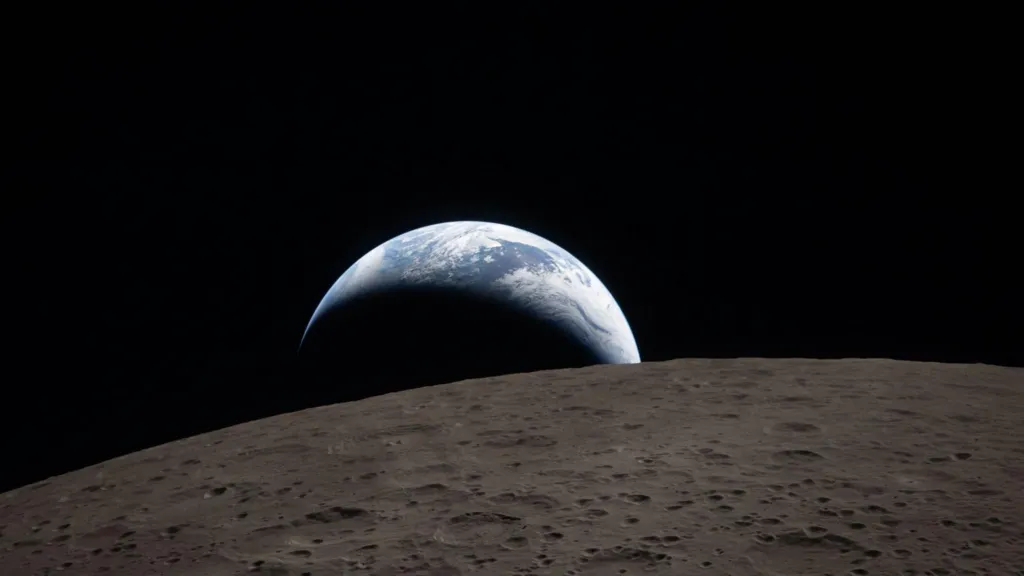
HOUSTON — As the Orion spacecraft officially leaves the Moon’s “sphere of influence” and begins its four-day coast back to Earth, the primary question echoing through the halls of NASA’s Johnson Space Center is no longer if we can return to the lunar surface, but how soon. The successful April 6 lunar flyby of Artemis II, which saw astronauts Reid Wiseman, Victor Glover, Christina Koch, and Jeremy Hansen pass within 4,000 miles of the lunar surface, has provided the most rigorous validation of deep-space human flight in over half a century. While the mission did not involve a landing, its “seismic” success has effectively cleared the technical runway for the boots-on-the-ground reality of Artemis III.

The ten-day mission, which launched from Kennedy Space Center on April 1, was designed as a high-stakes “shakedown cruise.” By surviving the intense radiation of the Van Allen belts and successfully executing proximity maneuvers in high Earth orbit, the crew has proven that the Orion’s life-support systems—the very lungs and heart of the mission—can sustain human life in the harsh vacuum of deep space.
While Artemis II didn’t touch the lunar dust, it answered three critical questions that make a future landing possible:
-
Manual Precision: The crew performed manual piloting tests early in the flight, demonstrating that humans can still take the stick if automated docking systems fail—a crucial skill for when astronauts must eventually link up with a lunar lander.
-
The Radiation Shield: Data from Flight Day 5 confirmed that Orion’s shielding successfully mitigated a minor solar flare, proving the craft’s interior is a safe haven for long-duration stays.
-
Deep Space Communication: Despite a planned seven-hour “blackout” while behind the Moon’s far side, NASA maintained seamless telemetry and high-definition video links throughout the rest of the journey, even allowing for a congratulatory call from President Trump as the crew set a new human distance record of 252,756 miles from Earth.
Despite the euphoria of the flyby, the mission also highlighted the “seismic” challenges remaining before a human can walk the South Pole.
-
The Gateway Cancellation: The March 2026 cancellation of the Lunar Gateway program has forced NASA to pivot toward a more direct “Apollo-style” landing architecture for future missions, putting immense pressure on the development of the Starship Human Landing System (HLS).
-
The Urine Venting Issue: In a reminder that spaceflight is often about the “gritty” details, Mission Control spent Tuesday troubleshooting a minor malfunction in the Orion’s external urine venting system. While resolved, it served as a reminder that even the smallest “technical glitch” can become a major headache in deep space.
With Artemis II nearing its April 10 splashdown in the Pacific, the focus now shifts to Artemis III, currently targeted for mid-2027. This mission will not land, but will instead perform complex orbital rehearsals. The actual return to the surface—Artemis IV—is now slated for early 2028.

For the four pioneers currently hurtling toward Earth at 25,000 mph, the flyby was more than just a record-breaking trip. As Christina Koch noted during a ship-to-ship call with the ISS, the mission has “turned the Moon from a distant object into a destination.” Artemis II didn’t land on the Moon, but it has proven that the “technological rust” of the last fifty years has been officially scrubbed away. The path is open; the hardware is ready; and for the first time since 1972, the Moon is once again within our grasp.
Related News:
 US Clears Nvidia AI Chip Sales to China in Policy Shift
 Anthropic Boss Rejects Pentagon Demand to Drop AI Safeguards
 The US Now Has the Medicine for Cheap Swarming Drone Attacks
 Boy George Says He’s Using ChatGPT to Help Write New Songs
 One Ant for $220: The New Frontier of Wildlife Trafficking
 ‘At the Doorstep of the Future’: Florida’s Space Coast Braces for Historic Artemis II Launch
 Beyond the Far Side: Artemis II Restores Contact After 40-Minute Silence
 ‘We Will Always Choose Each Other’: Five Defining Moments of Artemis II’s Lunar Flyby
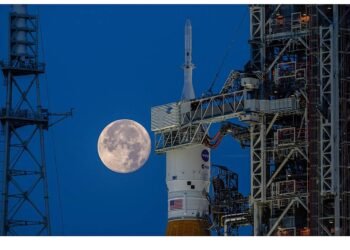 BREAKING: Artemis II Completes Historic Lunar Flyby — The 90-Second Briefing
 British AI Startup Outshines Human Forecasters in Global Prediction Contest
 UK Fighter Jet Purchase Could Breach Nuclear Treaty, Warns CND
 Google at 27: The Untold Story of Ruth Kedar, the Woman Behind the Iconic Logo
 Cooper Unveils £4m Cyber Plan Against Russian Hackers
 Experts Warn Russia’s Burevestnik Missile Could Destabilise Arms Control
 Britain deploys RAF specialists to assist Belgium with drone threats
 Hitler’s DNA Confirms He Truly Had Only One Testicle
 Pokémon to open world’s first theme park in Japan next year
 Two National Guard Soldiers Critically Injured Near White House
 American Mother Extradited From UK to U.S. on Murder Charges
 Russia losses Ukraine war peace talks intensify amid rising deaths
 Trump Taiwan China drills: US President Downplays Tensions
 US Cities Erupt in Protests Against Trump’s Venezuela Military Action
 Trump Escalates Minnesota Immigration Surge Amid Rising Tensions
 Trump Weighs Response to Iran Crackdown as Tehran Says Communication Open With US
 Trump Threatens Strong Action If Iran Executes Protesters
 Trump Receives Machado’s Nobel Medal in White House Meeting
 EU Says US Ties Have Suffered ‘Big Blow’ After Greenland Crisis
 Arizona border shooting leaves suspect hospitalised after agent pursuit
 Videos reveal earlier clash before Alex Pretti shooting
 UK New Car Discounts Near £6,000 as Prices Are Slashed
 Trump Praises ‘Terrific’ Petro After White House Talks
 Fears of New Arms Race as US-Russia Nuclear Weapons Treaty Expires
 Trump Says Iran Regime Change Is “Best Thing That Could Happen”
 Obama Slams Trump’s Racist ‘Ape’ Video Amid Backlash
 Iran Says ‘Guiding Principles’ Agreed With US at Nuclear Talks
 Stephen Colbert Says CBS Spiked Interview With Democrat Over FCC Fears
 Indian University Kicked Out of AI Summit for Claiming Chinese Robot Dog as Its Own Invention
 China Shows Off Nunchuck‑Wielding Humanoid Robots for Lunar New Year
 Eight Skiers Found Dead After California Avalanche
 Trump Directs US Govt to Prepare Release of Files on Aliens and UFOs
 The Chinese AI App Sending Hollywood Into a Panic
 How Do You Modernise Mango Farming? India’s Growers Urged to Innovate as Climate Change Hits
 Trump Vows UFO File Release After Obama Interview
 Musk Cuts Starlink Access for Russian Forces – Giving Ukraine an Edge at the Front
 US Will Not Back Out of Tariff Deals with UK and Others, Says Trump Trade Representative
 Bill Gates ‘Took Responsibility’ Over Epstein Ties in Staff Meeting, Foundation Says
 American Citizen Killed in Cuba Boat Shooting, U.S. Officials Say
 Social Media Trial: Woman Says Addiction Began at Six
 Instagram Investigating AI Profiles ‘Fetishising’ Disabled People
 Iran, the US, and a World Cup That Starts in Three Months
 Trump Faces Questions Over Iran Conflict Plan
 Why Russia Controls Its People With a Flick of a Switch
 Trump Underestimated the Iranian Regime’s Will to Survive
 US Senate Backs Trump War Powers Amid Iran Missile Barrage
 Protesters Rally in San Francisco Against OpenAI Deal With Pentagon
 We Have More Privacy Controls Yet Less Privacy Than Ever — The Paradox of Digital Life
 Study Says Only Two Nations May Survive Nuclear War
 UK Prepares Aircraft Carrier for Middle East Crisis
 Pete Hegseth Iran War Remarks Spark Alarm
 Real Estate Brothers Convicted in Sex Trafficking Trial
 Trump Threatens Iran With ‘Twenty Times Harder’ Oil Strike
 Iran War Puts Trump at Political Risk Amid Rising Prices
 Trump’s Confidence Undimmed — But Every Iran Option Carries Risk
 India’s $300bn Outsourcing Industry Faces AI Test
 Councils Pressed to Use Universal Parking App to Cut ‘Unfair’ Fines
 Trump Considers Military Operation to Seize Iran’s Uranium
 ‘In Our Backyard’: FBI Labels Michigan Synagogue Attack as Hezbollah-Inspired Terrorism
 Chain of Fire: US Bunker Busters Strike Major Iranian Ammo Depot in Isfahan
 ‘Targeting the Truth’: US Journalist Shelly Kittleson Abducted in Central Baghdad
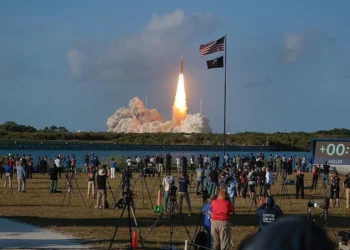 ‘We Go for All Humanity’ — Artemis II Returns Humans to the Lunar Vicinity
 A Name for the Nameless: DNA Finally Links 1974 Utah Murder to Ted Bundy
 7.4-Magnitude Earthquake Jolts Eastern Indonesia; Tsunami Warning Lifted
 Breaking the Horizon: Blind Runner to Tackle Brighton Marathon with Smart Glasses
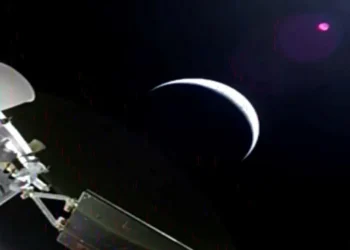 Lunar Bound: Artemis II Leaves Earth’s Orbit for Historic Deep-Space Journey
 US Airman Rescued in Daring Mission After F-15 Shot Down in Iran
 Apple at 50: Three Products That Changed How We Live
 Voices of the Vanguard: ‘Audio Time Capsule’ of Disability Rights Pioneers Discovered
 China and the US: The Divergent Fronts of the Global AI Superpower Race
 Electric Shock: Australians Buy Record Number of New EVs as Fuel Crisis Bites
 War, Windfalls, and the Carbon Trap: The Iran Conflict’s Brutal Energy Math