Published: April 8, 2026. The English Chronicle Desk.
The English Chronicle Online — Commitment to accountability and the rule of law.
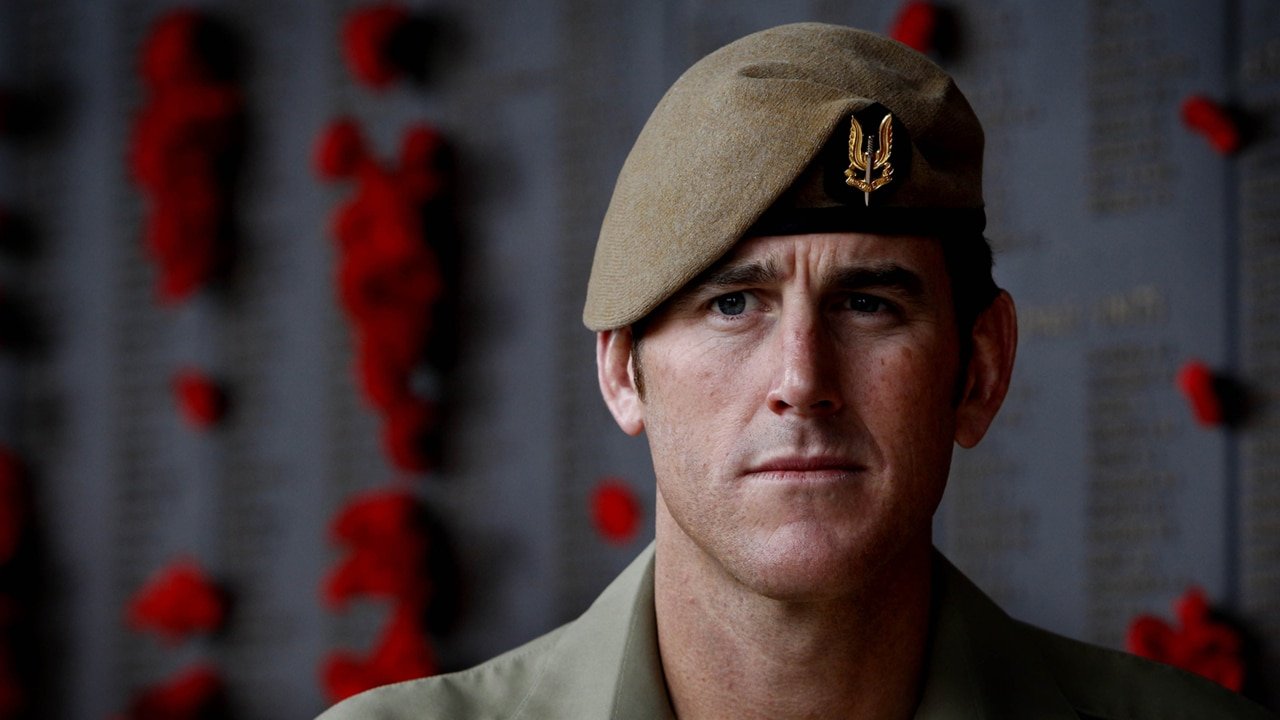
SYDNEY — In a landmark decision that has sent “seismic” waves through the Australian Defence Force (ADF) and the broader international military community, a senior Australian soldier charged with war crimes will remain in custody on remand. The ruling, delivered in a high-security courtroom on Wednesday, April 8, marks a critical juncture in Australia’s ongoing struggle to reconcile its elite military reputation with disturbing allegations stemming from operations in Afghanistan. The soldier, whose identity remains protected under strict court suppression orders to ensure a fair trial, faces multiple counts related to the alleged unlawful killing of non-combatants—charges that carry the weight of a lifetime of service versus the gravity of international law.

The decision to deny bail followed a lengthy hearing where prosecutors argued that the “unfiltered” nature of the evidence and the high-profile status of the accused presented a significant risk to the integrity of the judicial process. Defense lawyers had pushed for a “human-centered” approach, citing the soldier’s decades of decorated service and his strong ties to the community. However, the presiding judge noted that the severity of the allegations, which describe “premeditated and egregious” breaches of the Geneva Convention, necessitated a “holding pattern” of remand to protect public interest and prevent any potential interference with witnesses.
The charges are a direct, though delayed, outcome of the 2020 Brereton Report, which uncovered “credible information” regarding the unlawful killing of 39 Afghan prisoners and civilians by Australian special forces.
-
The Remand Decision: The court’s refusal to grant bail highlights the judicial system’s view that war crimes are among the most serious offenses in the Australian criminal code, often likened to domestic murder but with the added “tectonic” complication of international relations.
-
The Evidence Chain: Much of the case rests on “digital footprints” and eyewitness testimony from former colleagues who have broken the “code of silence” that once dominated elite regiments.
-
The Defense Argument: Counsel for the soldier argued that the prolonged nature of the investigation has already acted as a “sentence in itself,” but the court maintained that the “public protection” mandate outweighed individual hardship in this instance.
The ongoing prosecution has created a deep “friction” within the Australian public and the veteran community. For some, the soldier is a “fall guy” for a “bum note” in military leadership and systemic failures during the Afghan conflict. For others, the trial represents a necessary “system update” for a nation that prides itself on the “Anzac spirit” of fairness and honor. The presence of high-ranking military officials in the gallery on Wednesday underscored the “seismic” importance of this case for the future of ADF training and field ethics.
Furthermore, the case has significant “World News” implications. As Australia is a signatory to the Rome Statute, the successful domestic prosecution of these allegations is seen as a vital effort to prevent the International Criminal Court (ICC) from intervening—a move that would be seen as a “market shock” to Australian sovereignty.
As the soldier returns to a high-security correctional facility, the legal teams are preparing for a trial that is expected to last well into 2027. The complexity of gathering evidence from a foreign conflict zone, combined with the “technical glitch” of navigating classified military intelligence, ensures that the road to a verdict will be long and arduous.

For the families of the victims in Afghanistan, the decision to keep the accused on remand is seen as a gesture of “remarkable wisdom” by the Australian courts, signaling that no individual, regardless of their rank or decorations, is above the law. As the 2026 legal calendar continues, this case stands as a sobering reminder that the shadows of past wars continue to loom large over the peace of the present.
Related News:
 Father’s Tip Leads to Arrest in Charlie Kirk Murder Case
 Charlie Kirk Killing Used to Mobilise UK’s Largest Far-Right Rally in Decades
 Jailed Georgian Opposition Leaders Warn UK of Iranian Links to Ruling Party
 Emails Show Epstein Funded Mandelson’s Husband After Jail
 Nine Arrested in France Over Death of Far‑Right Student
 How Much Could Andrew’s Arrest Hurt the Royal Family?
 Ecuador Deploys 75,000 Forces in Anti-Gang Drive
 Belarus Leader Gifts Rifle to Kim Jong Un

 Trump Administration Dismisses 17 Immigration Judges, Sparking Debate Over Judicial Independence
 Tasers Introduced in UK Prisons to Combat Rising Violence and Protect Staff
 Northern Ireland Family of Three Shot Dead in Maguiresbridge Home Incident
 Police Advised to Disclose Ethnicity of Suspects in High-Profile Cases
 Failed New Mexico Candidate Sentenced to 80 Years for Drive-By Shootings at Lawmakers’ Homes
 Channel Crossings Surge: Over 1,000 People Arrive in the UK in Small Boats in a Single Day
 Boris Johnson Breached Rules on Post-Office Business Contacts
 UK Extradition Law Change Sparks Fears Among Hong Kong Dissidents
 Kosovo agrees to host Britain’s refused asylum seekers
Johnson Approved China’s London ‘Super-Embassy’ in 2018
Kosovo agrees to host Britain’s refused asylum seekers
Johnson Approved China’s London ‘Super-Embassy’ in 2018
 French Taxi Driver Cleared in David Lammy Theft Case After Fare Dispute
 UK University Faces Counter-Terror Probe Over China Pressure
 Just Stop Oil Protesters Convicted Amid Climate Defence Row
China-critical UK academics face ‘extremely heavy’ pressure from Beijing
Just Stop Oil Protesters Convicted Amid Climate Defence Row
China-critical UK academics face ‘extremely heavy’ pressure from Beijing
 British Grandmother to Return Home After Death Sentence in Bali
 Ukraine-Russia war latest: Putin’s troops exploit bad weather to force Kyiv withdrawal from multiple towns
 Trump Urges Herzog to Grant Netanyahu Full Pardon
 New review urges UK to repatriate Shamima Begum, others from Syria
 Victims’ commissioner Baroness Newlove dies aged 63
 US Justice Department Files Lawsuit Against California Over Partisan Voting Maps
 Oklahoma Governor Grants Last-Minute Clemency to Death Row Inmate
 Indian authorities demolish Kashmir home linked to Red Fort blast
 Greene Pushes Epstein Files Amid Trump Fallout
 Trump Deploys DHS to Charlotte in Major Arrest Operation
 South African Detained After Neo-Nazi Rally in Australia
 Trump Signs Bill Releasing Justice Department Files on Epstein
 Venezuela Threatens Nobel Winner Machado with Fugitive Status
 Texas Governor Faces Lawsuit From CAIR
 Trump Envoy to Discuss Ukraine Peace at Kremlin
 Video shows Israeli troops kill Palestinians after surrender
 Chinese & Japanese Boats Clash Near Disputed Islands
 South Korea Jails Ex-President in Martial Law Ruling
 Files Link Andrew to Epstein Dinner After Prison Release
 Police Probe Mandelson Over Alleged Epstein Leak
 Last‑ditch Call to Save Police Front Counters in London
 South Korea’s Ex-President Faces Death Penalty in Insurrection Trial
 Desperate Hunt for Breakthrough in Nancy Guthrie Case Turns to Mexico
 Andrew Released Under Investigation After Arrest
 Epstein Eyed Record Label Investment to Access Women, Files Suggest
 Epstein Files Could Be Just Tip of the Iceberg for Andrew Investigation
 Man Guilty of XL Bully Offence After Fatal Attack
 New Mexico Reopens Criminal Inquiry into Jeffrey Epstein’s Zorro Ranch
 Mandelson Arrested Amid Political Turmoil as Ukraine Marks Four Years of Conflict
 ‘I reported rape in Hong Kong, now I could face prison’
 Sydney kidnapping mystery deepens as grandfather’s remains found after mistaken abduction
 Two Arrested After Woman Set on Fire in Revenge Attack
 Australians Arrested Over Alleged Murder of Grandfather Mistakenly Kidnapped
 US ‘Suitcase Murderer’ Deported From Bali After 11 Years in Jail
 American Citizen Killed in Cuba Boat Shooting, U.S. Officials Say
 Hillary Clinton Tells House Panel She Had No Idea of Epstein’s Crimes
 US Senate Vote Fails to Rein in Trump War Powers on Iran
 Labour MP’s Partner Arrested on Suspicion of Spying for China
 Police Scotland Pays £8m Compensation to Staff
 Alleged Bondi gunman seeks order to suppress family’s identity
 Istanbul Mayor Faces Corruption Trial Amid Political Storm
 Point-Blank Gunshot Misses Indian Politician
 Queensland Protest Laws Spark Free Speech Backlash
 Chinese National Arrested Over Attempt to Smuggle 2,000 Queen Ants From Kenya
 China Approves ‘Ethnic Unity’ Law Requiring Minorities to Learn Mandarin
 Children’s Author Convicted in Husband Poisoning Case
 Missing Cuba-Bound Aid Ships Spark Urgent Search
 Seven-Month Australian Manhunt Ends in Fatal Shootout
 Israel Enacts Death Penalty Law for Palestinians Following 12-Hour Debate
 “The Monster of Hull”: Funeral Director Admits to Preventing 30 Burials and Stealing Charity Cash
 Report Says Pezzullo Acted ‘Recklessly’ in Dealings
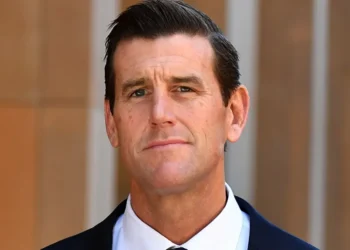 National Icon in Custody: Ben Roberts-Smith Arrested Over Alleged War Crimes in Afghanistan
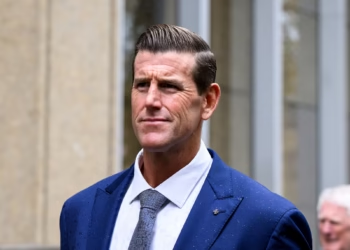 ‘I Will Not Abandon Him’: Pauline Hanson Stands by Ben Roberts-Smith After War Crime Charges
 ‘Ghost Offences’: Data Reveals No Children Charged with New ‘Adult Crime’ Laws in 11 Years
 Reckoning in Sydney: Ben Roberts-Smith Arrested and Charged with Five War Crime Murders
 The Fallen Icon: Ben Roberts-Smith Charged with Five War-Crime Murders
 The $100 Billion Peace: Trump’s ‘Grand Bargain’ Ends Iran Conflict at a Staggering Cost